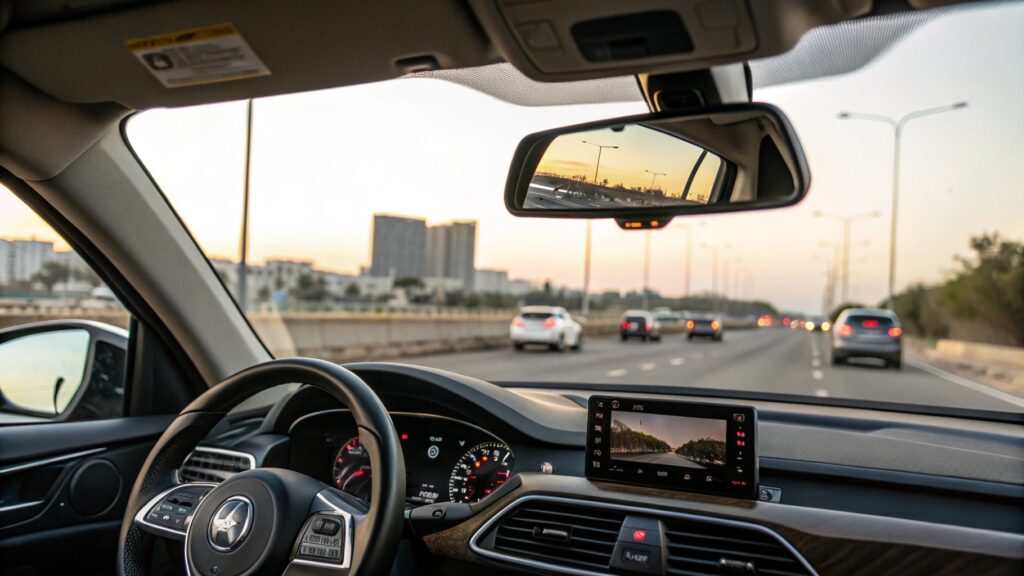
-You know those mirrors in your car, but what are they actually called? It feels simple, but it can be confusing. This guide will make you an expert.
The general term for a car mirror is "rearview mirror."1 This category includes the side mirrors on your doors and the interior mirror mounted on your windshield, all designed to help you see what's behind you.

These mirrors are more than just glass. They are complex assemblies that are essential for safety. As a manufacturer, I've learned that producing them is a big challenge. Getting them right requires a deep understanding of materials and processes. We will explore the specific names for each mirror, their functions, and the surprising complexity behind making them.
What Is the Mirror in a Car Called?
You just call it "the mirror," but this can be unclear when you need to order parts. Knowing the correct term helps you communicate better with suppliers and mechanics.
The general term for any mirror used for seeing behind the vehicle is a "rearview mirror."2 This one name covers both the mirror inside your car and the ones on the doors.
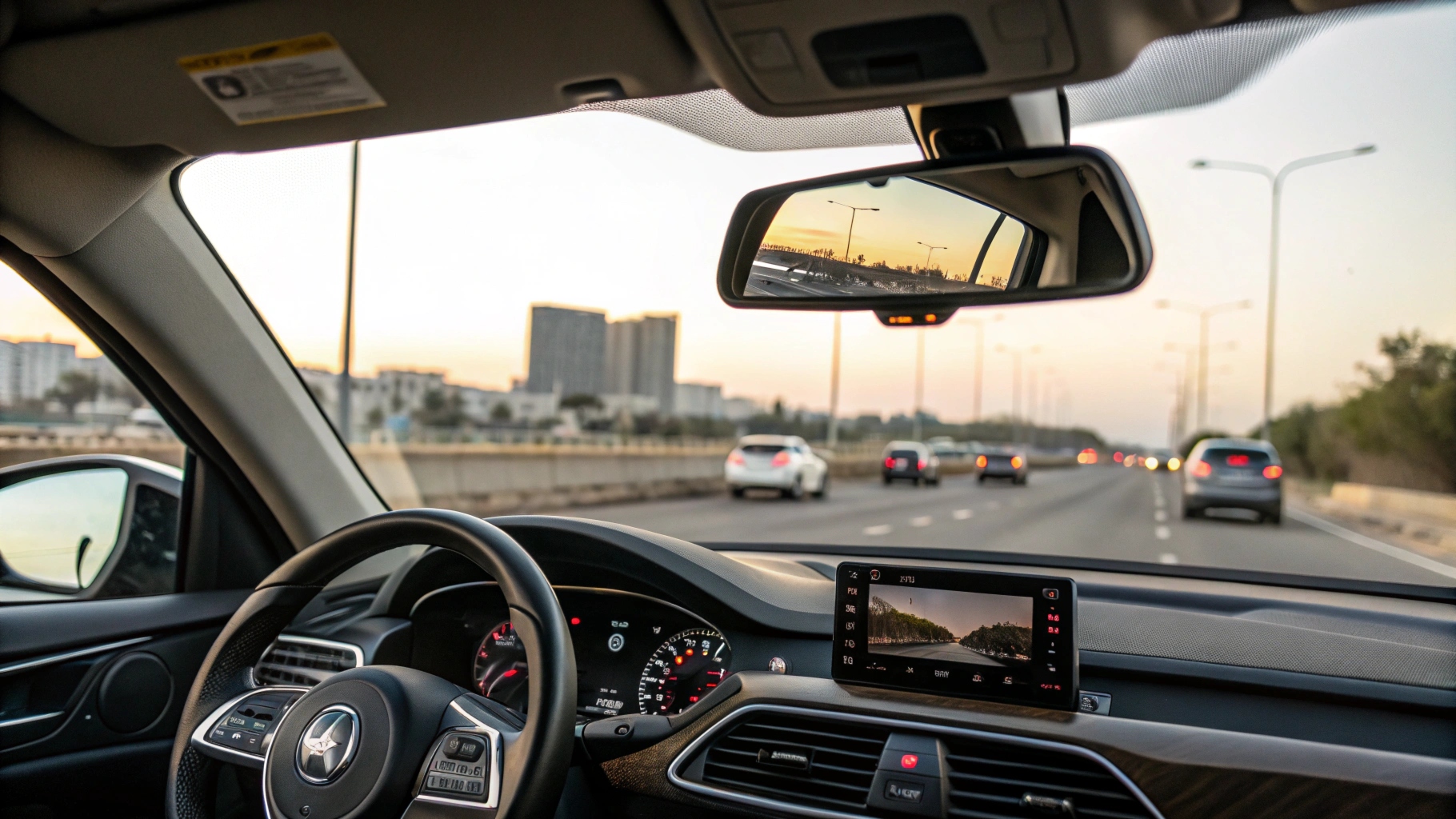
The term "rearview mirror" is a good starting point, but the story gets more interesting when you look at how these parts are made. A mirror isn't just the glass. It's a full assembly, and the plastic housing is one of the most difficult parts to produce. Standard injection molding machines often can't achieve the high precision needed for these components. I remember my first time producing mirror parts for a client from Pakistan. We were new to the specific challenges of this product. After the plastic housings came out of the mold and went through the cooling process, we noticed a significant "shrinkage" problem. The parts were smaller than the design specifications. I was worried we had failed. But, the client actually preferred the result. He said the shrunken parts felt denser and more durable. It was pure luck, but it taught us a valuable lesson about the cooling process. That experience forced us to master the complexities of thermal management in injection molding, and we haven't made that mistake since.
What Are the Three Mirrors in a Car Called?
Your car has three main mirrors, but do you know their official names and what makes them different? Using the right name is key for clear communication in the auto industry.
The three main mirrors in a car are the interior rearview mirror, the driver's side mirror, and the passenger's side mirror.3 Each one gives you a different but essential view.
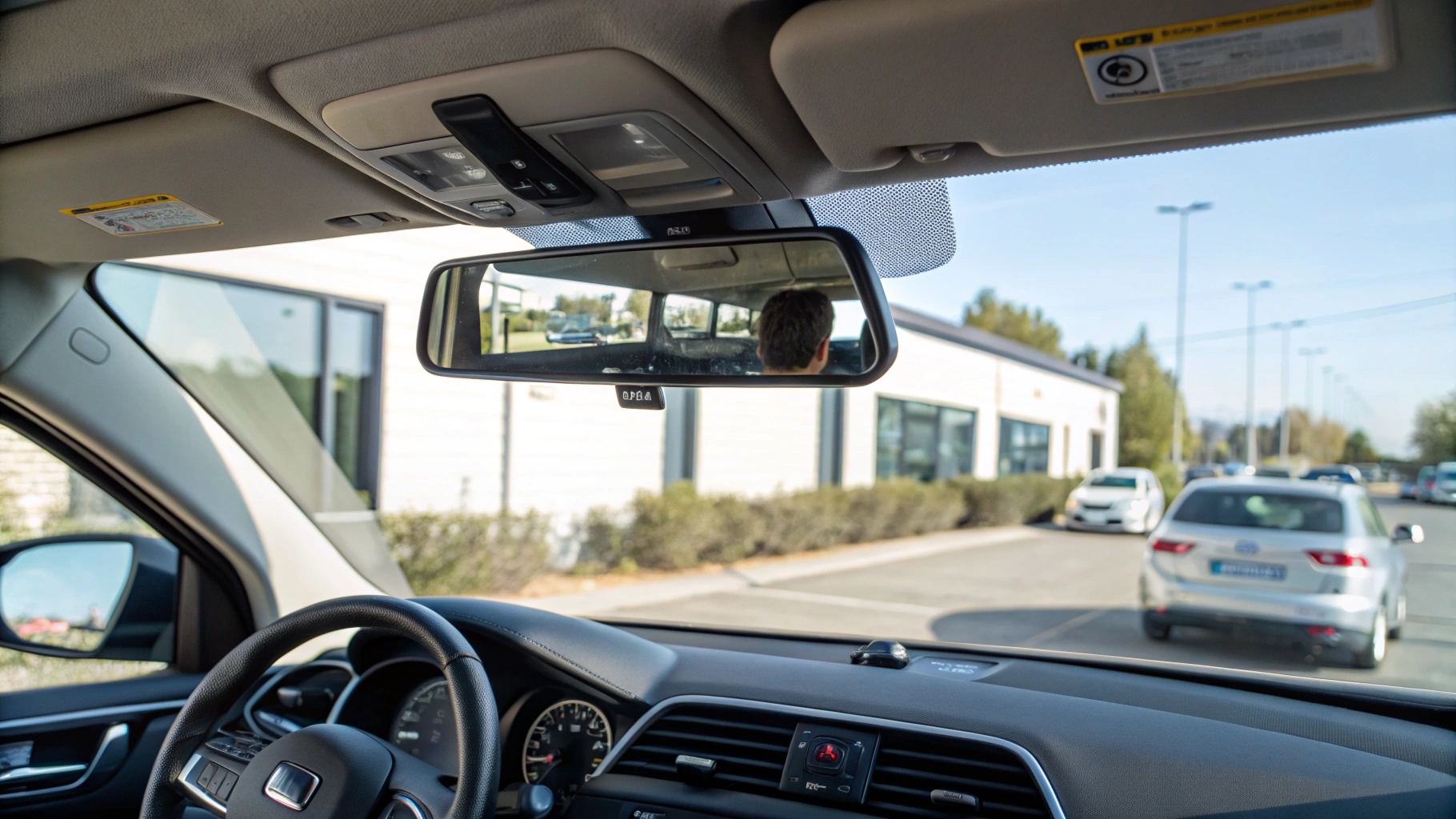
Each of these mirrors has a unique job, and their construction reflects that. The interior mirror gives a straight-back view, while the side mirrors cover your blind spots.4 From a manufacturing perspective, the side mirrors are far more complex. They often contain heating elements, motors for adjustment, and even turn signal indicators, all packed into a plastic housing.5 This housing must be perfect.
Here is a simple breakdown:
| Mirror Name | Location | Primary Function |
|---|---|---|
| Interior Rearview Mirror | Inside, on windshield | To see directly behind the vehicle. |
| Driver's Side Mirror | Outside, driver's door | To see the side and blind spot on the left. |
| Passenger's Side Mirror | Outside, passenger door | To see the side and blind spot on the right. |
The manufacturing process for the plastic components is incredibly demanding. The cooling stage is the most difficult part.6 If the molten plastic cools too quickly or unevenly, it can warp or shrink, just like it did on my first project.7 This ruins the fit of the mirror glass, the internal motors, and the seal against weather. To get this right, you need highly specialized injection molding machines with precise temperature controls. These machines are not common. In China, you typically only find factories with this capability in the coastal areas of Fujian or near Shanghai.8 Factories in other regions, like Hebei, usually have equipment that can't meet these high-precision standards. Our factory invested heavily in this technology because we know that a perfect mirror assembly starts with a perfect plastic housing.
What Is the Center Mirror in a Car Called?
That mirror in the middle of your windshield has a proper name. Calling it the "center mirror" works in conversation, but in business, precision is important.
The center mirror is officially called the interior rearview mirror. It is mounted to the inside of the windshield and provides a clear view through the car's rear window.9
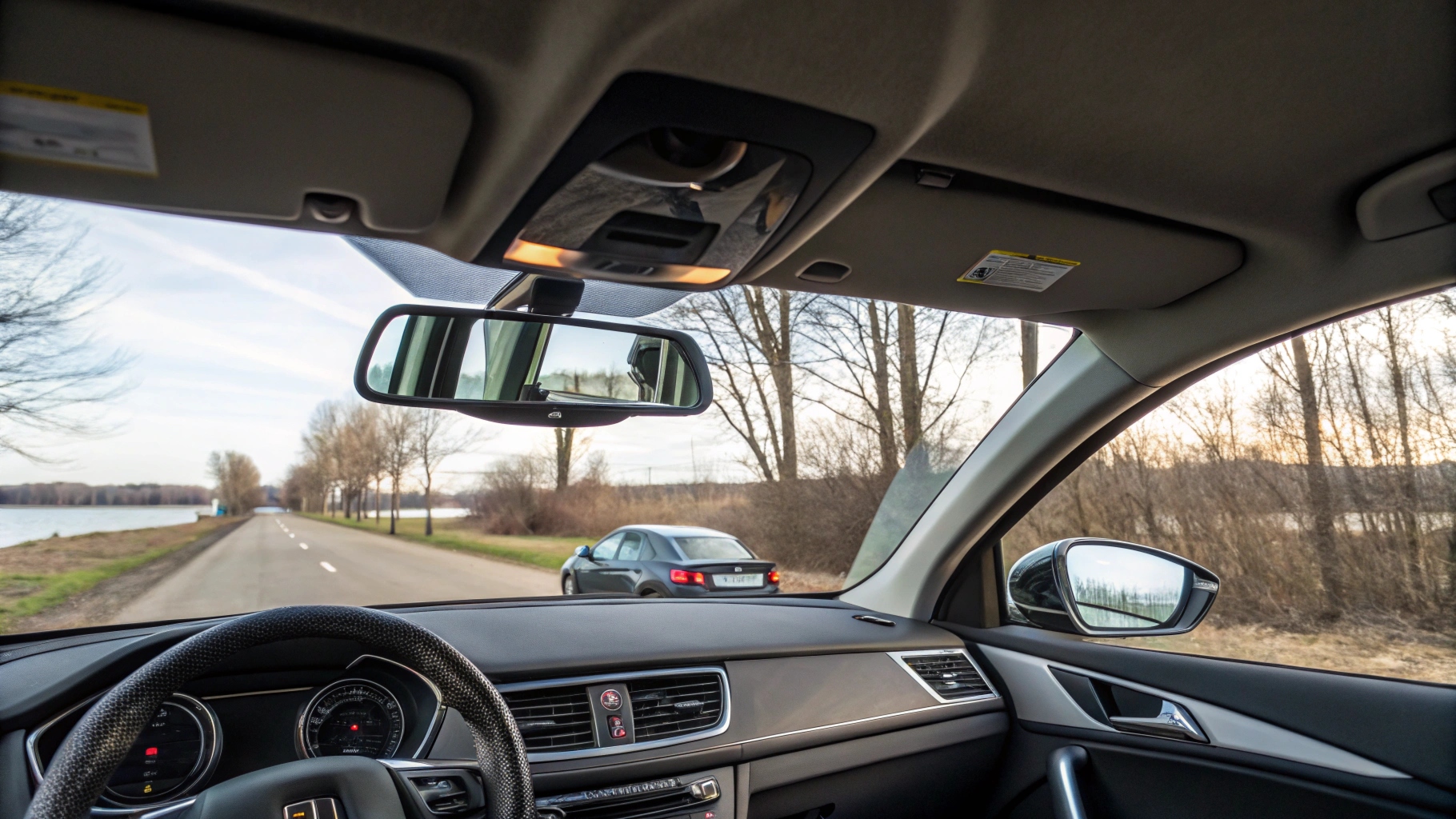
The interior rearview mirror has evolved a lot. It used to be a simple piece of glass in a plastic frame. Now, many modern versions are electronic marvels. They can have features like auto-dimming to reduce glare from headlights behind you, a built-in compass, or even a screen for your backup camera.10 But no matter how advanced it gets, it still relies on a high-quality plastic housing and mount. This is where manufacturing challenges can make or break the product. For example, creating colored plastic parts adds another layer of difficulty. To add color, we have to mix a specific pigment, or "masterbatch," with the raw plastic pellets.11 This process sometimes requires us to stop the machine and open the mold to ensure the color is perfectly mixed. But opening the mold interrupts the carefully timed production cycle. It especially disrupts the cooling phase. If the mold is open for too long, the part cools unevenly, leading to defects.12 It takes a skilled team and an advanced process to manage this and still produce a flawless part. This is the kind of detail we handle for our OEM/ODM clients every day. They come to us because we can manage these complex processes to deliver reliable, high-quality mirror assemblies customized to their exact specifications, whether it's a simple black housing or a custom color match.
Conclusion
Knowing mirror names is useful, but the real value is in understanding the manufacturing skill behind them. This ensures you get high-quality, reliable parts for your vehicle or business.
"Car mirror - Wikipedia", https://en.wikipedia.org/wiki/Car_mirror. Automotive industry sources and encyclopedic references confirm that 'rearview mirror' generally refers to the interior mirror, while 'side mirrors' are often called 'wing mirrors' or 'side view mirrors'; some sources use 'rearview mirror' more broadly, but this is not universal. Evidence role: definition; source type: encyclopedia. Supports: The general term for a car mirror is "rearview mirror.". Scope note: Some sources restrict 'rearview mirror' to the interior mirror only, so usage varies by context. ↩
"Rearview mirror - Wikipedia", https://en.wikipedia.org/wiki/Rearview_mirror. Automotive manuals and industry standards indicate that 'rearview mirror' typically refers to the interior mirror, while exterior mirrors are called 'side mirrors' or 'wing mirrors'; some sources use 'rearview mirror' more broadly, but this is not standard. Evidence role: definition; source type: encyclopedia. Supports: The general term for any mirror used for seeing behind the vehicle is a "rearview mirror.". Scope note: Terminology varies, and 'rearview mirror' is most commonly used for the interior mirror. ↩
"Car mirror - Wikipedia", https://en.wikipedia.org/wiki/Car_mirror. Automotive safety guidelines and vehicle manuals commonly identify the interior rearview mirror, driver's side mirror, and passenger's side mirror as the primary mirrors for visibility and safety. Evidence role: general_support; source type: education. Supports: The three main mirrors in a car are the interior rearview mirror, the driver's side mirror, and the passenger's side mirror.. Scope note: Some vehicles may have additional mirrors or features, but these three are standard. ↩
"Rearview mirror - Wikipedia", https://en.wikipedia.org/wiki/Rearview_mirror. Driver education materials and automotive safety guides explain that the interior rearview mirror provides a direct view behind the vehicle, while side mirrors are designed to help monitor adjacent lanes and reduce blind spots. Evidence role: mechanism; source type: education. Supports: The interior mirror gives a straight-back view, while the side mirrors cover your blind spots.. Scope note: Side mirrors do not eliminate all blind spots; proper adjustment is required. ↩
"Side-view mirror - Wikipedia", https://en.wikipedia.org/wiki/Side-view_mirror. Automotive engineering literature and manufacturer specifications confirm that modern side mirrors frequently include heating elements, electric adjustment motors, and integrated turn signals within their housings. Evidence role: mechanism; source type: education. Supports: side mirrors are far more complex. They often contain heating elements, motors for adjustment, and even turn signal indicators, all packed into a plastic housing.. Scope note: Feature availability varies by vehicle model and trim level. ↩
"A Brief Review of Materials and Influence on the Cooling Rates - PMC", https://pmc.ncbi.nlm.nih.gov/articles/PMC8658370/. Manufacturing engineering research highlights that the cooling phase in injection molding is critical for achieving dimensional stability and preventing defects in automotive plastic components, including mirror housings. Evidence role: mechanism; source type: paper. Supports: The manufacturing process for the plastic components is incredibly demanding. The cooling stage is the most difficult part.. Scope note: The specific difficulty of cooling may vary depending on part design and materials used. ↩
"A Brief Review of Materials and Influence on the Cooling Rates - PMC", https://pmc.ncbi.nlm.nih.gov/articles/PMC8658370/. Materials science studies and manufacturing guides confirm that rapid or uneven cooling during injection molding can cause warping and shrinkage in plastic parts, affecting dimensional accuracy. Evidence role: mechanism; source type: paper. Supports: If the molten plastic cools too quickly or unevenly, it can warp or shrink, just like it did on my first project.. Scope note: The extent of warping and shrinkage depends on polymer type and mold design. ↩
"Chinese Manufacturing Geography - Face Surgery", https://face.meei.harvard.edu/map-of-china-manufacturing-distribution/chinese-manufacturing-geography. Industrial reports and manufacturing surveys indicate that advanced injection molding facilities with high-precision capabilities are concentrated in China's coastal regions, such as Fujian and Shanghai, due to greater access to technology and export infrastructure. Evidence role: historical_context; source type: institution. Supports: highly specialized injection molding machines with precise temperature controls. These machines are not common. In China, you typically only find factories with this capability in the coastal areas of Fujian or near Shanghai.. Scope note: There are exceptions, and some inland factories may also possess advanced equipment. ↩
"Rearview mirror - Wikipedia", https://en.wikipedia.org/wiki/Rearview_mirror. Automotive manuals and industry standards define the 'interior rearview mirror' as the mirror mounted inside the windshield, providing a view through the rear window. Evidence role: definition; source type: encyclopedia. Supports: The center mirror is officially called the interior rearview mirror. It is mounted to the inside of the windshield and provides a clear view through the car's rear window.. Scope note: Some vehicles may use alternative mounting locations or terminology. ↩
"Rearview mirror - Wikipedia", https://en.wikipedia.org/wiki/Rearview_mirror. Automotive technology publications and manufacturer specifications document the evolution of interior rearview mirrors, noting the addition of features such as auto-dimming, integrated compasses, and backup camera displays. Evidence role: historical_context; source type: education. Supports: The interior rearview mirror has evolved a lot. It used to be a simple piece of glass in a plastic frame. Now, many modern versions are electronic marvels. They can have features like auto-dimming to reduce glare from headlights behind you, a built-in compass, or even a screen for your backup camera.. Scope note: Feature availability depends on vehicle model and year. ↩
"Plastic Colorants - Color Masterbatch In Injection Molding - First Mold", https://firstmold.com/guides/masterbatch/. Materials engineering guides explain that coloring plastic parts typically involves mixing a masterbatch pigment with raw plastic pellets, which can introduce challenges in achieving uniform color and maintaining production cycle timing. Evidence role: mechanism; source type: education. Supports: creating colored plastic parts adds another layer of difficulty. To add color, we have to mix a specific pigment, or "masterbatch," with the raw plastic pellets.. Scope note: Color uniformity and process complexity depend on pigment type and mixing method. ↩
"Injection moulding - Wikipedia", https://en.wikipedia.org/wiki/Injection_moulding. Manufacturing engineering literature confirms that interrupting the production cycle by opening the mold can disrupt the cooling phase, leading to uneven cooling and increased risk of defects in injection-molded parts. Evidence role: mechanism; source type: paper. Supports: opening the mold interrupts the carefully timed production cycle. It especially disrupts the cooling phase. If the mold is open for too long, the part cools unevenly, leading to defects.. Scope note: The impact depends on mold design and timing of the interruption. ↩