-Your car is sputtering, and you suspect air is in the fuel system. This is a frustrating problem. Understanding the cause is the first step to fixing it.
Yes, a small amount of air in the gas tank is normal and necessary for the ventilation system to work1. But, if air gets into the sealed fuel lines, it will cause serious engine problems like hesitation, sputtering, and stalling by disrupting the fuel supply2.
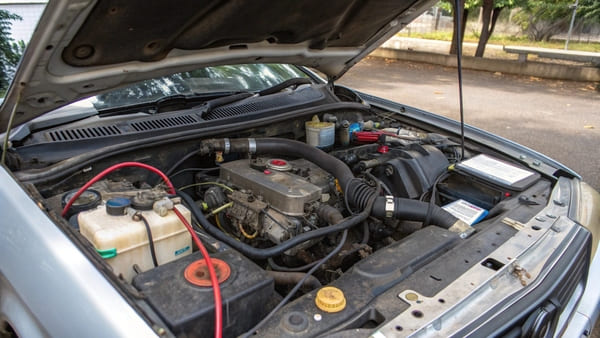
Air in a car's fuel system is a topic with a lot of confusion. You might hear a "whoosh" when you open your gas cap and worry something is wrong. Sometimes, that's normal. Other times, it's a sign of a deeper issue. It's important to know the difference between the air that's supposed to be there and the air that isn't. Knowing this helps you diagnose problems correctly and avoid unnecessary repairs. Let's break it down so you can understand what's happening with your vehicle.
Is It Normal to Have Air in a Gas Tank?
You hear a whoosh of air when opening your gas cap. Is this a sign of a serious fuel system problem? Let's clarify what's normal and what's not.
Yes, it is normal to have some air pressure or vacuum in your gas tank. This is managed by the evaporative emission control (EVAP) system. A slight hiss or whoosh when you open the cap is usually not a cause for concern and is part of normal operation.
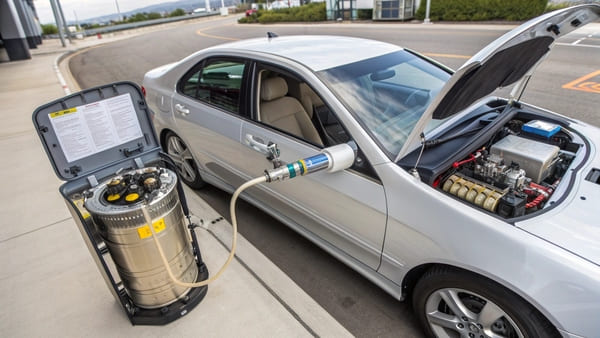
Your car's gas tank isn't just a simple bucket for holding fuel. It's part of a complex system. The Evaporative Emission Control (EVAP) system is designed to trap and store fuel vapors so they don't escape into the atmosphere3. This system needs to manage pressure changes in the tank that happen because of temperature shifts and fuel sloshing around. So, a little bit of pressure or a slight vacuum is perfectly normal. It just means the EVAP system is doing its job. A loud, continuous whoosh or a check engine light, however, could signal a problem with the system, like a faulty vent valve or a bad gas cap4.
Normal vs. Problematic Signs
| Symptom | What it Means |
|---|---|
| Slight hiss when opening cap | Normal. The EVAP system is releasing pressure. |
| Loud, long "whoosh" | Could be normal, but might indicate a venting issue. |
| Trouble filling the tank | The tank isn't venting properly. Potential EVAP issue. |
| Check Engine Light (P04xx codes)5 | A clear sign of a fault within the EVAP system. |
What Is the Difference Between Air in a Gas Tank and Air in the Fuel Line?
You know there's air somewhere in the system, but you're not sure where. Misdiagnosing the location can lead to wasted time and money on the wrong repairs. Pinpointing the issue is key.
Air in the gas tank is normal and exists in the space above the fuel. It is managed by the EVAP system6. Air in the fuel line is a leak. It gets mixed with the fuel, disrupting flow to the engine and causing it to run poorly7.
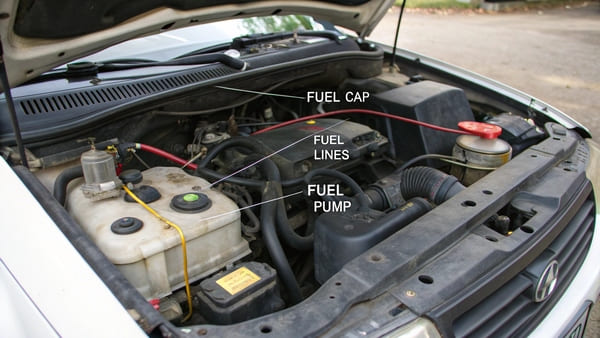
Think of your fuel system in two parts. The first part is the gas tank, which is a ventilated container. It's designed to have air in it. The air space allows the fuel to expand and contract with temperature changes. The second part is the fuel line, which runs from the tank to the engine. This part is a completely sealed and pressurized system. It should contain only liquid fuel. If air gets into this sealed system, it creates bubbles. The fuel pump is designed to pump liquid, not air, so these bubbles cause the fuel supply to become inconsistent8. This is what leads to engine sputtering, loss of power, and even stalling.
Key Differences at a Glance
| Feature | Air in Gas Tank | Air in Fuel Line |
|---|---|---|
| Location | In the space above the liquid fuel. | Mixed into the liquid fuel inside the lines. |
| Is it Normal? | Yes, it is part of the design. | No, it indicates a leak or a fault. |
| Cause | Normal ventilation and EVAP system function. | A leak from a bad seal, cracked line, or faulty part. |
| Effect on Engine | None. | Severe performance issues like sputtering and stalling. |
What Causes Air to Enter the Fuel System?
Your engine is running rough, and you suspect an air leak. Finding the source feels like searching for a needle in a haystack. Let's look at the common culprits.
Air enters the fuel line through leaks. Common causes include a bad fuel cap, cracked fuel lines, a faulty fuel pump, or, most critically, poorly made plastic sealing components that fail to create a proper seal9.
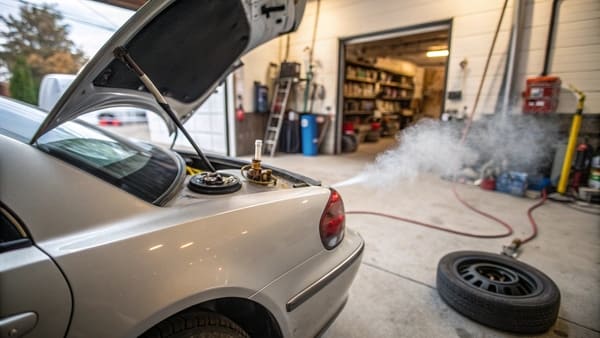
When your engine is starved of fuel, the first thing to check for is a leak that is letting air in. This can happen at any point between the fuel tank and the engine. It could be something simple like a loose or damaged gas cap that messes with the tank's pressure. It could also be a more serious issue, like a crack in a fuel line or a failure in the fuel pump assembly itself. Often, the weakest link is not the major components, but the small parts that hold them together. The seals, gaskets, and plastic connectors are where failures often begin, and these are the hardest parts to get right during manufacturing.
The Critical Role of Plastic Sealing Components
I've learned from experience that manufacturing plastic sealing parts for fuel systems is incredibly difficult. Standard injection molding machines just don't have the precision needed10. I remember one of my first projects making these parts for a client from Pakistan. The process has at least three stages, and the cooling stage is the most difficult11. We had a problem where the plastic parts "shrank" too much after cooling. This happens when the process isn't perfectly controlled. Luckily, the client found that the slightly smaller, denser part actually created a tighter seal in his specific application. We got lucky, but it taught me a valuable lesson about the importance of precision. Since then, we've perfected our process to control this shrinkage, because in 99% of cases, it would cause a major leak.
Common Leak Points and Manufacturing Challenges
| Component | Manufacturing Challenge | Consequence of a Bad Part |
|---|---|---|
| Fuel Pump Gasket | Consistent material density and controlling shrinkage during cooling. | A poor seal allows air to be sucked into the tank assembly. |
| Fuel Line Connectors | High-precision molding to ensure a tight, secure fit. | Small cracks or a loose fit can develop, letting air in. |
| Fuel Pump Housing | Maintaining uniform wall thickness and material integrity. | Weak spots can crack under pressure or from vibration. |
Conclusion
Air in the tank is often normal, but air in the fuel lines points to a leak, frequently from low-quality seals12. Always choose reliable, well-made components for your fuel system.
"Fuel tank - Wikipedia", https://en.wikipedia.org/wiki/Fuel_tank. Sources such as automotive engineering textbooks and government emissions guidelines confirm that modern vehicles require a small air space in the gas tank for proper ventilation and EVAP system function. Evidence role: expert_consensus; source type: education. Supports: a small amount of air in the gas tank is normal and necessary for the ventilation system to work. Scope note: This applies to most modern gasoline vehicles; exceptions may exist for specialty or older designs. ↩
"Air in Fuel Lines: Symptoms, Causes, and Car Repair Options", https://greasedivagarage.com/air-in-fuel-lines-symptoms-causes-and-car-repair-options/. Automotive repair manuals and technical papers document that air in fuel lines can cause engine hesitation, sputtering, and stalling due to disruption of fuel delivery. Evidence role: mechanism; source type: education. Supports: if air gets into the sealed fuel lines, it will cause serious engine problems like hesitation, sputtering, and stalling by disrupting the fuel supply. Scope note: Severity of symptoms may vary depending on engine design and extent of air intrusion. ↩
"EVAP - Wikipedia", https://en.wikipedia.org/?title=EVAP&redirect=no. EPA and automotive engineering sources explain that the EVAP system is intended to prevent fuel vapor emissions by trapping and storing vapors from the gas tank. Evidence role: definition; source type: government. Supports: The Evaporative Emission Control (EVAP) system is designed to trap and store fuel vapors so they don't escape into the atmosphere. Scope note: EVAP system designs may differ between regions and vehicle types. ↩
"Symptoms of a Bad EVAP Vent Valve Solenoid and how Test if it ...", https://www.youtube.com/watch?v=FjrwLrdq5_E. Automotive diagnostic guides and repair manuals note that a loud whoosh or check engine light can indicate EVAP system faults, such as vent valve or gas cap issues. Evidence role: case_reference; source type: education. Supports: A loud, continuous whoosh or a check engine light, however, could signal a problem with the system, like a faulty vent valve or a bad gas cap. Scope note: Other causes may also trigger these symptoms; diagnosis should be confirmed by code reading or inspection. ↩
"What is an EVAP Code? Understanding P0440-P0457 Faults Using ...", https://www.vdiagtool.com/blogs/what-is-an-evap-code. OBD-II diagnostic code references confirm that P04xx codes are associated with EVAP system faults in most vehicles. Evidence role: case_reference; source type: education. Supports: Check Engine Light (P04xx codes). Scope note: Specific code meanings may vary by manufacturer; always consult vehicle-specific documentation. ↩
"Fuel tank - Wikipedia", https://en.wikipedia.org/wiki/Fuel_tank. Automotive engineering sources and EPA guidelines state that air space above fuel in the tank is normal and managed by the EVAP system to control vapor emissions. Evidence role: general_support; source type: government. Supports: Air in the gas tank is normal and exists in the space above the fuel. It is managed by the EVAP system. Scope note: This applies to most modern vehicles; exceptions may exist for older or specialty vehicles. ↩
"Will air in fuel line affect engine performance? How to prime fuel line?", https://www.facebook.com/groups/350359507715792/posts/631065749645165/. Automotive repair literature and technical papers confirm that air entering fuel lines through leaks can disrupt fuel flow and cause poor engine performance. Evidence role: mechanism; source type: education. Supports: Air in the fuel line is a leak. It gets mixed with the fuel, disrupting flow to the engine and causing it to run poorly. Scope note: The degree of disruption depends on the size and location of the leak. ↩
"Removing air bubbles from fuel system? - Facebook", https://www.facebook.com/groups/challengerultralight/posts/24354800030845539/. Automotive engineering texts and repair guides explain that fuel pumps are designed for liquid fuel, and air bubbles can cause inconsistent fuel delivery. Evidence role: mechanism; source type: education. Supports: The fuel pump is designed to pump liquid, not air, so these bubbles cause the fuel supply to become inconsistent. Scope note: Some fuel systems may tolerate minor air intrusion, but performance is generally affected. ↩
"Air in Fuel Lines: Symptoms, Causes, and Car Repair Options", https://greasedivagarage.com/air-in-fuel-lines-symptoms-causes-and-car-repair-options/. Automotive repair manuals and technical papers list common causes of air leaks in fuel lines, including faulty caps, cracked lines, pump issues, and defective seals. Evidence role: expert_consensus; source type: education. Supports: Air enters the fuel line through leaks. Common causes include a bad fuel cap, cracked fuel lines, a faulty fuel pump, or, most critically, poorly made plastic sealing components that fail to create a proper seal. Scope note: The prevalence of each cause may vary by vehicle model and age. ↩
"Injection moulding - Wikipedia", https://en.wikipedia.org/wiki/Injection_moulding. Manufacturing engineering literature discusses the limitations of standard injection molding machines in producing high-precision plastic parts for automotive fuel systems. Evidence role: expert_consensus; source type: education. Supports: Standard injection molding machines just don't have the precision needed. Scope note: Advanced molding techniques may overcome some limitations; context is specific to fuel system seals. ↩
"Top 10 Challenges in Heat-Exchange and Temperature Control for ...", https://www.conairgroup.com/resources/resource/injection-molding-heat-exchange-and-temperature-control-challenges/. Materials engineering research and manufacturing guides note that the cooling stage in injection molding is critical and often the most challenging for maintaining part precision. Evidence role: expert_consensus; source type: research. Supports: the cooling stage is the most difficult. Scope note: Difficulty may depend on part geometry and material; not all parts face the same cooling challenges. ↩
"Air leaking in to Fuel line | TDIClub Forums", https://forums.tdiclub.com/index.php?threads/air-leaking-in-to-fuel-line.526828/. Automotive engineering and repair sources generally agree that air in the tank is normal, while air in fuel lines is abnormal and often caused by faulty seals or leaks. Evidence role: expert_consensus; source type: education. Supports: Air in the tank is often normal, but air in the fuel lines points to a leak, frequently from low-quality seals. Scope note: The frequency of seal-related leaks may vary by vehicle design and maintenance history. ↩