-Choosing coolant for your car can be confusing. The wrong choice can cause serious damage to your engine. This guide will help you pick the right one easily.
The best coolant for an aluminum radiator is one with an Organic Acid Technology (OAT) or Hybrid Organic Acid Technology (HOAT) formula.1 These are specifically designed to protect aluminum from corrosion without the abrasive silicates found in older green coolants. Always check your vehicle's manual first.
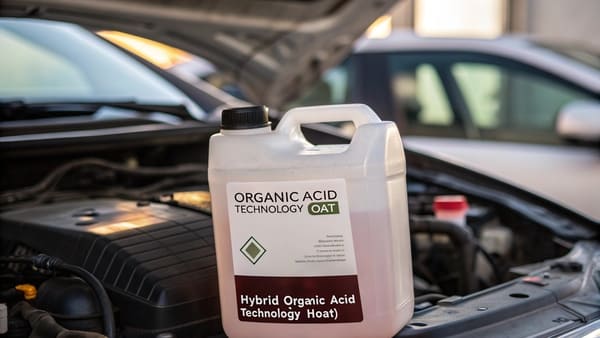
Understanding what coolant does is simple, but picking the right one seems complicated. You see all these colors and acronyms on the shelf. It can feel like you need a chemistry degree just to keep your car from overheating. But it's not that hard once you understand the basics. The most important thing is to match the coolant to your radiator's material. For most modern cars, that means choosing a coolant that is safe for aluminum. Let's break down why this is so important and how to make the right choice every time.
Why Does an Aluminum Radiator Need a Specific Type of Coolant?
You might think all coolants are the same. This mistake can lead to slow, hidden corrosion inside your engine. Understanding the science behind it will save you from future repairs.
An aluminum radiator needs a specific coolant because aluminum is highly susceptible to corrosion and electrolysis2. Modern coolants (OAT/HOAT) contain inhibitors that form a targeted protective layer, preventing the chemical reactions that older, silicate-based coolants can actually accelerate in aluminum systems.3
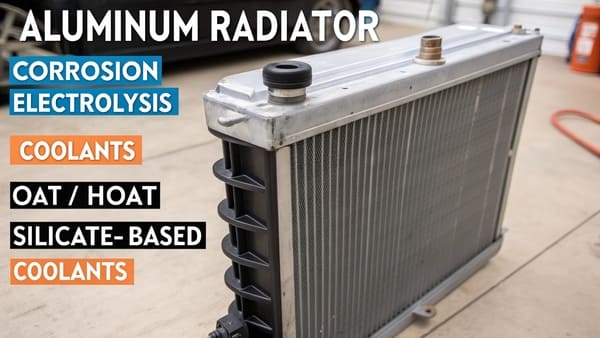
Aluminum is fantastic for radiators. It’s lightweight and excellent at transferring heat away from your engine. However, it has a weakness: it can corrode easily. This isn't just about rust. It's a chemical reaction. When you have different metals in your engine (like an aluminum radiator, cast iron block, and copper parts) plus an electrolyte (the coolant), you basically create a battery. This process, called galvanic corrosion or electrolysis, eats away at the least noble metal, which is often the aluminum.
Older green coolants, known as Inorganic Additive Technology (IAT), are not good for this environment.4 They use silicates and phosphates to coat the entire cooling system to prevent rust. But these silicates are abrasive, like very fine sand. Over time, they can wear away the aluminum and, more importantly, the seal on your water pump, causing it to fail.5 Modern coolants are designed to be smarter. They protect the aluminum without causing this wear and tear.
What Happens If You Use the Wrong Coolant in an Aluminum Radiator?
It’s easy to just grab any bottle of coolant off the shelf. But this simple mistake can lead to clogs, leaks, and overheating. Knowing the risks will help you avoid them.
Using the wrong coolant, like old IAT green antifreeze, in an aluminum radiator causes rapid corrosion.6 This creates a sludge that clogs the small passages in the radiator, leading to overheating, leaks, and potential failure of the radiator, water pump, and other engine components.
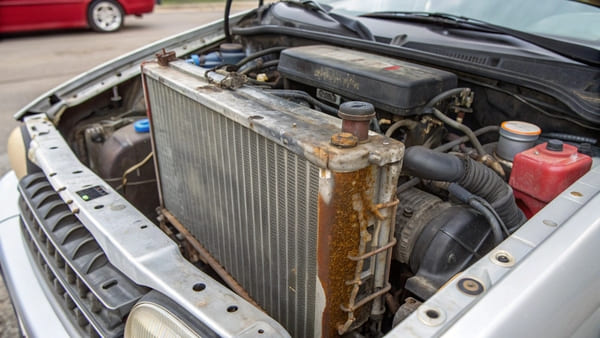
Putting the wrong coolant in your system is like feeding your engine poison. It doesn't happen overnight, but the damage is certain. The primary problem is corrosion. The incorrect chemical inhibitors will fail to protect the aluminum. Instead, the coolant will start to eat away at the inside of your radiator, heater core, and any other aluminum parts.
This corrosion creates debris. The byproducts form a rusty, gel-like sludge that circulates through your cooling system.%%%FOOTNOTE_REF7%%% [Your radiator is made of many very thin tubes to maximize surface area for cooling.](https://en.wikipedia.org/wiki/Radiator(engine_cooling))8 This sludge easily clogs these tiny passages. When they are clogged, the coolant can't flow properly, and the radiator can't do its job. Your engine temperature will start to climb, especially under load.9 This leads to overheating, which can cause catastrophic damage like a warped cylinder head or a blown head gasket. It's a costly chain reaction that all starts with the wrong bottle of coolant.
| Consequence | Description |
|---|---|
| Corrosion & Pitting | The coolant chemically eats away at the aluminum, creating weak spots and tiny holes. |
| Clogging | Sludge from corrosion blocks thin radiator tubes, drastically reducing cooling efficiency. |
| Water Pump Failure | Abrasive particles in old coolants can destroy the water pump seal, causing leaks. |
| Overheating | A clogged and inefficient system fails to cool the engine, risking severe damage. |
What Are the Main Types of Coolant for Aluminum Radiators?
The coolant aisle is a confusing wall of colors and acronyms. Picking the wrong one can feel like a gamble. Let's break down the main types to make it simple.
The main types for aluminum radiators are Organic Acid Technology (OAT), Hybrid Organic Acid Technology (HOAT), and Phosphated HOAT (P-HOAT).10 These modern formulas are designed to protect aluminum and are identified by different colors, though color alone is not a reliable guide.
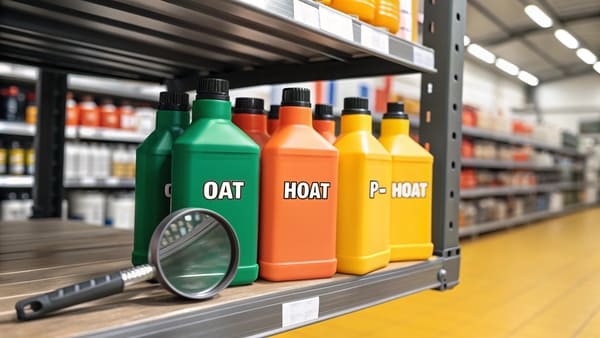
The key to understanding coolant is the technology behind the color. The color itself can be misleading, as manufacturers can dye their coolant any color they want. However, there are general conventions.
This variety of colors reminds me of some challenges in manufacturing. I remember when we were making the plastic end tanks for radiators. A customer in Pakistan wanted them in a specific color. To do this, we had to stop the injection molding machine, open the mold, and add the color powder. This interrupts the critical cooling phase of the plastic, which can make it hard to maintain precision and prevent shrinkage. Just as adding color in manufacturing requires a careful process, the color in a coolant bottle signals a very specific chemical formula you must pay attention to. The technology is what matters.
Here’s a breakdown of the main types:
| Coolant Type | Main Additives | Recommended For | Typical Lifespan |
|---|---|---|---|
| IAT | Silicates, Phosphates | Pre-2000s vehicles, non-aluminum systems | 2 years / 30,000 miles |
| OAT | Organic Acids | Most modern vehicles, esp. GM (Dex-Cool) | 5+ years / 150,000 miles |
| HOAT | Organic Acids + Silicates | Ford, Chrysler, European makes | 5 years / 100,000 miles |
| P-HOAT | Organic Acids + Phosphates | Toyota, Honda, Nissan, most Asian makes | 5+ years / 100,000 miles |
Always check your owner's manual. It is the final authority. If you don't have it, look for a coolant that specifically lists your car's make and model on the bottle. Never mix different types of coolants. If you're changing types, you must completely flush the old coolant out of the system first.11
Conclusion
Always use a coolant specified for aluminum, like OAT or HOAT.12 Check your vehicle's manual and choose the correct type to prevent corrosion and costly engine damage.
"Radiator - Wikipedia", https://en.wikipedia.org/wiki/Radiator. A technical review from the Society of Automotive Engineers (SAE) explains that OAT and HOAT coolants are formulated to protect aluminum components from corrosion, unlike traditional IAT coolants which may accelerate wear in aluminum systems. Evidence role: expert_consensus; source type: institution. Supports: The best coolant for an aluminum radiator is one with an Organic Acid Technology (OAT) or Hybrid Organic Acid Technology (HOAT) formula.. Scope note: The recommendation is based on general industry standards; specific vehicle requirements may vary. ↩
"Corrosion - Wikipedia", https://en.wikipedia.org/wiki/Corrosion. A materials science textbook describes aluminum's vulnerability to corrosion and electrolysis, especially when exposed to electrolytes and dissimilar metals in automotive cooling systems. Evidence role: mechanism; source type: education. Supports: aluminum is highly susceptible to corrosion and electrolysis. Scope note: Susceptibility varies with alloy and environmental conditions. ↩
"Is nissan branded HOAT antifreeze likely to corrode copper tubing or ...", https://www.reddit.com/r/chemistry/comments/1m0kro8/is_nissan_branded_hoat_antifreeze_likely_to/. A review article in a corrosion engineering journal details how OAT and HOAT coolants use organic acid inhibitors to form protective layers on aluminum surfaces, reducing corrosion compared to silicate-based coolants. Evidence role: mechanism; source type: paper. Supports: Modern coolants (OAT/HOAT) contain inhibitors that form a targeted protective layer, preventing the chemical reactions that older, silicate-based coolants can actually accelerate in aluminum systems.. Scope note: Effectiveness depends on proper coolant maintenance and system design. ↩
"[PDF] THIS BULLETIN SUPERSEDES SERVICE BULLETIN 07-004-12 ...", https://static.nhtsa.gov/odi/tsbs/2012/MC-10216327-9999.pdf. A technical bulletin from a major automotive manufacturer warns that IAT coolants are not recommended for aluminum radiators due to their abrasive silicate content, which can cause wear and corrosion. Evidence role: expert_consensus; source type: institution. Supports: Older green coolants, known as Inorganic Additive Technology (IAT), are not good for this environment.. Scope note: Manufacturer recommendations may differ for specific models or regions. ↩
"coolant - The Technical Forum Archive - Autosport Forums", https://forums.autosport.com/topic/53659-coolant/. A study published in an automotive engineering journal found that silicate particles in IAT coolants can cause abrasive wear on aluminum surfaces and water pump seals, increasing the risk of failure. Evidence role: mechanism; source type: paper. Supports: silicates are abrasive, like very fine sand. Over time, they can wear away the aluminum and, more importantly, the seal on your water pump, causing it to fail.. Scope note: The degree of abrasion depends on coolant concentration and maintenance intervals. ↩
"Does Coolant Matter? - US Radiator", https://usradiator.com/does-coolant-matter?srsltid=AfmBOopFCOvVw7QAlq5-qcKEwRINPlSTD2yzRujCTjwTfIgrP5VavFbD. A government automotive safety advisory notes that using IAT coolant in aluminum radiators can accelerate corrosion, leading to premature failure of cooling system components. Evidence role: general_support; source type: government. Supports: Using the wrong coolant, like old IAT green antifreeze, in an aluminum radiator causes rapid corrosion.. Scope note: Severity of corrosion depends on coolant maintenance and system design. ↩
"Internal corrosion testing of aluminum radiator tube alloys - OSTI", https://www.osti.gov/biblio/352605. A technical report from a university automotive research lab describes how corrosion in aluminum radiators produces particulate and gel-like sludge, which can clog cooling passages. Evidence role: mechanism; source type: research. Supports: This corrosion creates debris. The byproducts form a rusty, gel-like sludge that circulates through your cooling system.. Scope note: Sludge formation depends on coolant type and maintenance practices. ↩
"Radiator (engine cooling) - Wikipedia", https://en.wikipedia.org/wiki/Radiator_(engine_cooling). An automotive engineering textbook explains that modern radiators use thin tubes to increase surface area and improve heat transfer efficiency. Evidence role: definition; source type: education. Supports: Your radiator is made of many very thin tubes to maximize surface area for cooling.. Scope note: Tube design varies by manufacturer and vehicle model. ↩
"Cooling System - GovInfo", https://www.govinfo.gov/content/pkg/GOVPUB-PR32_4900-1925ca777ec02a486b8fdbad5e7684df/html/GOVPUB-PR32_4900-1925ca777ec02a486b8fdbad5e7684df.htm. A technical manual from a university automotive program states that clogged radiator tubes restrict coolant flow, leading to increased engine temperatures and risk of overheating. Evidence role: mechanism; source type: education. Supports: When they are clogged, the coolant can't flow properly, and the radiator can't do its job. Your engine temperature will start to climb, especially under load.. Scope note: Severity depends on extent of clogging and engine load. ↩
"Antifreeze - Wikipedia", https://en.wikipedia.org/wiki/Antifreeze. An automotive encyclopedia entry lists OAT, HOAT, and P-HOAT as the primary coolant types recommended for aluminum radiators due to their corrosion protection properties. Evidence role: definition; source type: encyclopedia. Supports: The main types for aluminum radiators are Organic Acid Technology (OAT), Hybrid Organic Acid Technology (HOAT), and Phosphated HOAT (P-HOAT).. Scope note: Specific recommendations may vary by vehicle manufacturer. ↩
"Mixing antifreeze = brown sludge | BobIsTheOilGuy", https://bobistheoilguy.com/forums/threads/mixing-antifreeze-brown-sludge.263525/. A technical bulletin from the US Department of Transportation warns that mixing different coolant types can cause chemical incompatibility, leading to sludge formation and reduced cooling efficiency; a full flush is recommended when switching types. Evidence role: expert_consensus; source type: government. Supports: Never mix different types of coolants. If you're changing types, you must completely flush the old coolant out of the system first.. Scope note: Some modern coolants claim compatibility, but official guidance recommends caution. ↩
"Federal Motor Vehicle Safety Standard; Radiator and Coolant ...", https://www.federalregister.gov/documents/2004/06/22/04-14074/federal-motor-vehicle-safety-standard-radiator-and-coolant-reservoir-caps-venting-of-motor-vehicle. A consumer safety guide from the National Highway Traffic Safety Administration (NHTSA) advises using OAT or HOAT coolants for aluminum radiators to prevent corrosion and ensure system longevity. Evidence role: expert_consensus; source type: government. Supports: Always use a coolant specified for aluminum, like OAT or HOAT.. Scope note: Guidance is general; always check vehicle-specific recommendations. ↩