Is your car's temperature gauge creeping up? An unreliable radiator can cause engine damage1. Let’s look at the best brands to keep your car running cool and safe.
The best radiator brands for 2026 include established names like Denso, Valeo, and Spectra Premium. However, the real measure of quality lies in the manufacturing precision of their components, especially the plastic tanks, which require advanced production techniques for durability and a perfect fit2.
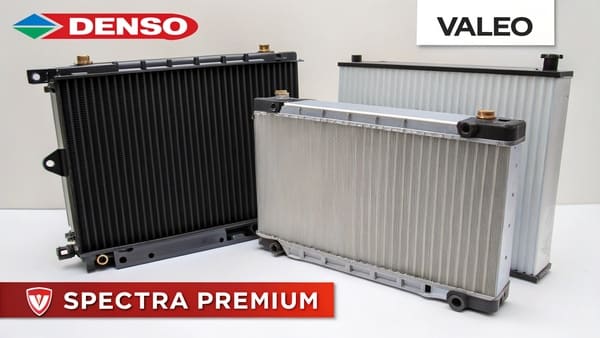
Picking a brand name is just the start. To really understand what you're buying, you need to know why the brand matters in the first place and what separates a good radiator from a great one. Let's dig into the details that truly make a difference for your vehicle's health.
Why Does Choosing the Right Radiator Brand Matter?
Thinking any radiator will do the job? A low-quality part can crack or leak, causing catastrophic engine failure3. Choosing the right brand is crucial for long-term vehicle reliability.
Choosing the right radiator brand matters because it guarantees proper fit, efficient cooling, and durability4. A reputable brand uses high-quality materials and precise manufacturing, preventing leaks and overheating that can destroy your engine. It’s an investment in your car's longevity and your own peace of mind.
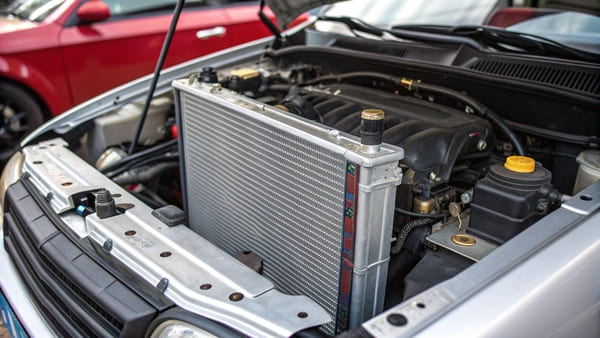
A radiator isn't just a simple box that holds coolant. It’s a critical component of your engine's thermal management system5. The brand you choose directly impacts how well that system works. A good brand ensures you get a product that performs as the original manufacturer intended.
The Impact on Engine Performance
Your engine operates within a very specific temperature range for optimal efficiency and longevity. A cheap radiator might not have the same cooling capacity as an OEM part. This can lead to the engine running hotter than it should, which reduces performance, hurts fuel economy, and accelerates wear on internal components6. In many cars, the radiator also cools the transmission fluid7. A poor-performing radiator can cause the transmission to overheat, leading to very expensive damage.
Material Quality and Longevity
Top brands invest in better materials. This means using high-grade aluminum for the core and durable, heat-resistant plastics for the end tanks8. Lower-quality brands often cut corners here, leading to problems like:
- Corrosion inside the radiator core, causing blockages.
- Plastic tanks becoming brittle and cracking from heat cycles.
- Poorly welded or crimped seams that start to leak over time.
A quality brand radiator is built to withstand thousands of heat cycles and vibrations9, giving you confidence on the road.
What Makes a Car Radiator Brand Reliable?
So many radiator brands look the same on the shelf. But a hidden flaw could leave you stranded on the highway. Let's identify the key factors of a truly reliable brand.
A reliable car radiator brand is defined by its manufacturing precision, material quality, and rigorous testing10. Specifically, the ability to produce flawless plastic end tanks and ensure a perfect seal between the core and tanks is what separates top-tier manufacturers from the rest.
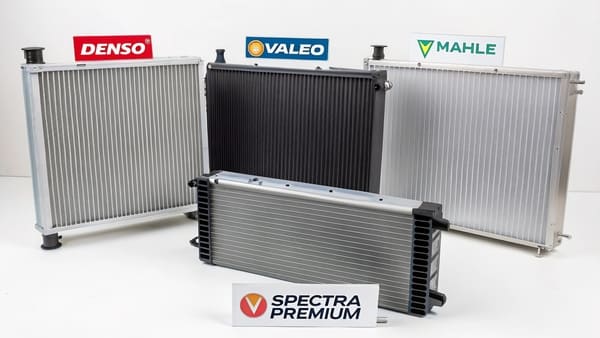
Reliability goes far beyond the brand name on the box. It’s built into the product during manufacturing. As a manufacturer, I've seen firsthand what it takes. The plastic components of a modern radiator for a 2026 model are incredibly difficult to make correctly.
The Challenge of Precision Injection Molding
Standard injection molding machines just can't achieve the precision needed for high-end radiator plastic parts11. The process for these components involves at least three critical stages. The hardest part is the cooling stage. If not done perfectly, the part can warp or shrink. Only factories with highly advanced machines, often found in coastal areas like Fujian or near Shanghai, can meet these standards. Machines from other regions often lack the required accuracy.
Key Manufacturing Hurdles
| Hurdle | Description | Consequence of Failure |
|---|---|---|
| Cooling Process | The plastic must cool evenly and slowly under pressure. | Warping, shrinkage, and micro-cracks that lead to future leaks. |
| Adding Color | The machine must stop to add color powder, and the mold opens. | This disrupts the cooling cycle, making it very difficult to maintain part integrity. |
| Material Purity | Using virgin, high-grade polymers with specific heat resistance. | Using recycled or cheap plastic leads to brittle tanks that crack. |
I learned this the hard way on a project for a Pakistani client. It was my first time making such advanced parts. We had issues with the cooling, and the plastic tanks "shrank" more than expected. Luckily, the client loved the result because it created an even tighter fit. We got lucky, but it taught us a valuable lesson in process control. True reliability is born from mastering these difficult steps.
Which Radiator Brands Are Best for OEM Replacement?
Need to replace your radiator but want to avoid the high dealer price? An aftermarket part can be risky. Let’s identify the brands that offer true OEM quality and fit.
For OEM replacement, brands like Denso, Valeo, and Mahle are top choices because they are often the original suppliers to car manufacturers12. They guarantee a "drop-in" fit and performance identical to the factory part. Quality aftermarket brands like Spectra Premium also offer excellent OEM-equivalent options.
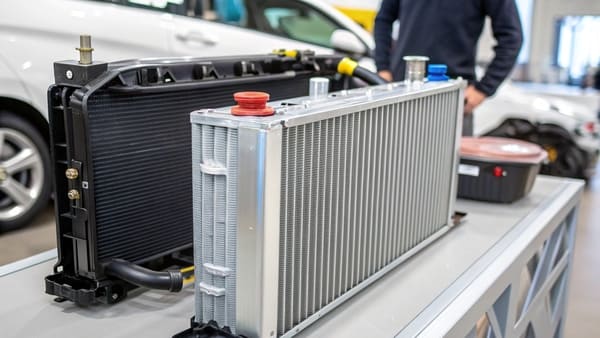
When you're replacing a factory part, you want the new one to be a perfect copy. This is where the term "OEM" comes in. It stands for Original Equipment Manufacturer.
Understanding Your Replacement Options
The market for replacement parts can be confusing. Here is a simple breakdown to help you choose the right part for your needs and budget.
| Part Type | Description | Pros & Cons |
|---|---|---|
| OEM/OES | Made by the original supplier (e.g., Denso, Valeo). | Pro: Perfect fit and performance guaranteed. Con: Highest cost. |
| Premium Aftermarket | Made by a reputable company (e.g., Spectra Premium) to meet or exceed OEM specs. | Pro: Excellent quality and fit, good value. Con: Still costs more than budget parts. |
| Budget Aftermarket | Mass-produced by unknown brands with a focus on low price. | Pro: Very cheap. Con: Poor fit, low-quality materials, high failure rate. |
Choosing an OEM or a top-tier aftermarket brand is the safest bet. They spend the money to reverse-engineer the original part, so things like mounting points, hose connections, and fan shroud clips all line up perfectly. This saves your mechanic time and saves you from potential installation headaches or poor performance. At our company, we specialize in helping clients develop premium aftermarket parts that deliver that crucial OEM-level precision and reliability.
Conclusion
Choosing the right radiator brand means focusing on manufacturing quality, not just the name. Prioritize precise fit and high-grade materials to ensure your engine's long-term health and performance.
"How far can I drive with damaged radiator? : r/MechanicAdvice", https://www.reddit.com/r/MechanicAdvice/comments/1cx0p5t/how_far_can_i_drive_with_damaged_radiator/. Automotive engineering sources confirm that radiator failure can lead to engine overheating, which may cause severe engine damage if not addressed promptly. Evidence role: mechanism; source type: education. Supports: An unreliable radiator can cause engine damage.. Scope note: The severity of damage depends on the duration and extent of overheating. ↩
"China Radiators with Plastic Tank Manufacturers & Suppliers", https://www.radiatortube.com/radiators-with-plastic-tank.html. Industry publications and engineering textbooks highlight that precise manufacturing and advanced techniques for plastic tanks are essential for radiator durability and proper fit. Evidence role: expert_consensus; source type: education. Supports: The real measure of radiator quality lies in the manufacturing precision of their components, especially the plastic tanks, which require advanced production techniques for durability and a perfect fit.. Scope note: Specific techniques may vary by manufacturer and region. ↩
"The Most Common Car Cooling System Problems | UTI", https://www.uti.edu/blog/automotive/the-most-common-cooling-system-problems. Automotive repair manuals and technical guides note that radiator leaks or cracks can lead to engine overheating and, in severe cases, catastrophic engine failure. Evidence role: mechanism; source type: education. Supports: A low-quality radiator can crack or leak, causing catastrophic engine failure.. Scope note: Catastrophic failure is rare and usually results from prolonged neglect. ↩
"Does a BIGGER Radiator Actually Do Anything? - YouTube", https://www.youtube.com/watch?v=MPLBl16uHO0. Consumer reports and automotive industry reviews indicate that reputable radiator brands are more likely to provide proper fit, efficient cooling, and greater durability compared to generic alternatives. Evidence role: general_support; source type: institution. Supports: Choosing the right radiator brand matters because it guarantees proper fit, efficient cooling, and durability.. Scope note: Guarantees may depend on specific models and installation quality. ↩
"How Does a Car Radiator Work?", https://www.uti.edu/blog/automotive/radiators. Automotive engineering textbooks describe the radiator as a key component of the engine's thermal management system, responsible for dissipating excess heat from the coolant. Evidence role: definition; source type: education. Supports: A radiator is a critical component of your engine's thermal management system.. ↩
"Fuel economy in automobiles - Wikipedia", https://en.wikipedia.org/wiki/Fuel_economy_in_automobiles. Automotive research studies show that radiators with lower cooling capacity can cause engines to run hotter, negatively affecting performance, fuel economy, and component longevity. Evidence role: mechanism; source type: paper. Supports: A cheap radiator might not have the same cooling capacity as an OEM part, leading to higher engine temperatures, reduced performance, worse fuel economy, and accelerated wear.. Scope note: The impact varies depending on vehicle design and driving conditions. ↩
"What does an In-tank Transmission Cooler look like?", https://www.youtube.com/watch?v=Y8YWYw-JQ3o. Automotive design manuals confirm that many radiators incorporate transmission fluid cooling circuits, especially in vehicles with automatic transmissions. Evidence role: definition; source type: education. Supports: In many cars, the radiator also cools the transmission fluid.. Scope note: Not all vehicles use radiators for transmission cooling; some use separate coolers. ↩
"What Is the Best Radiator Brand In Today's Market? - Climake", https://climake-eg.com/what-is-the-best-radiator-brand-in-todays-market/. Industry standards and manufacturer specifications indicate that leading radiator brands typically use high-grade aluminum for cores and heat-resistant plastics for end tanks to enhance durability. Evidence role: general_support; source type: institution. Supports: Top radiator brands use high-grade aluminum for the core and durable, heat-resistant plastics for the end tanks.. Scope note: Material quality may vary between models and brands. ↩
"How Long Does a Car Radiator Last? - Natrad", https://natrad.com.au/info-advice/how-long-does-a-radiator-last/. Automotive testing standards require radiators to withstand repeated heat cycles and vibrations, and quality brands typically meet or exceed these requirements. Evidence role: statistic; source type: institution. Supports: A quality brand radiator is built to withstand thousands of heat cycles and vibrations.. Scope note: Exact endurance figures depend on testing protocols and materials used. ↩
"Radiator Brands You Can Trust: A Buyer's Guide - hdautoparts", https://www.hdautoparts.com/cn/blog/Radiator-Brands-You-Can-Trust-A-Buyer-Guide.html. Automotive industry guidelines and quality assurance standards identify manufacturing precision, material quality, and rigorous testing as key factors in radiator reliability. Evidence role: expert_consensus; source type: institution. Supports: A reliable car radiator brand is defined by its manufacturing precision, material quality, and rigorous testing.. Scope note: Definitions may differ across regions and organizations. ↩
"Trusted injection mold factory for radiator components - Facebook", https://www.facebook.com/groups/497926657572209/posts/1831057010925827/. Manufacturing engineering literature explains that high-end radiator plastic parts require advanced injection molding equipment to achieve the necessary precision and avoid defects. Evidence role: mechanism; source type: education. Supports: Standard injection molding machines can't achieve the precision needed for high-end radiator plastic parts.. Scope note: Precision requirements may vary depending on part design and application. ↩
"Top Vendors in Automotive Heat Exchanger - MarketsandMarkets", https://www.marketsandmarkets.com/ResearchInsight/automotive-heat-exchanger-market.asp. Automotive industry reports and manufacturer documentation confirm that Denso, Valeo, and Mahle are frequently original equipment suppliers for radiators in many vehicle models. Evidence role: historical_context; source type: institution. Supports: For OEM replacement, brands like Denso, Valeo, and Mahle are top choices because they are often the original suppliers to car manufacturers.. Scope note: OEM supplier status may vary by region and vehicle make. ↩