-Your truck’s brakes feel weak under a heavy load. This is dangerous and means frequent, costly replacements. Choosing the right heavy-duty pads is the only safe solution.
The best heavy-duty brake pads for trucks and 4x4s1 are typically ceramic or advanced semi-metallic types. These are engineered for high heat and heavy loads. They provide superior stopping power2, better heat dissipation3, and a longer lifespan compared to standard pads, ensuring your safety when towing or hauling.
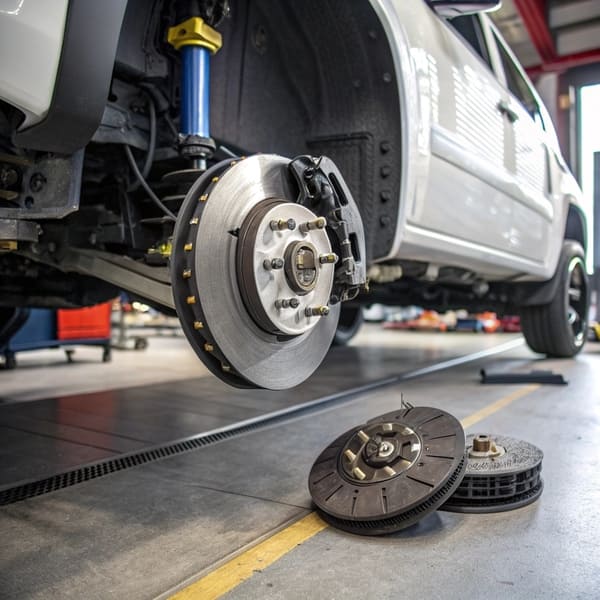
Finding the right brake pads is more than just picking a box off the shelf. It’s about understanding the unique physics your truck deals with every day. The difference between a safe stop and a dangerous situation often comes down to the small, unseen details in brake pad manufacturing. Let's explore what really makes a brake pad "heavy-duty" and how you can choose the best ones for your needs.
Why Do Trucks Need Special Heavy-Duty Brake Pads?
Your truck's standard pads can't handle its massive weight. This can lead to complete brake failure and serious accidents. Heavy-duty pads are specifically engineered to prevent this.
Trucks need special heavy-duty brake pads because they generate immense heat and force when stopping. These pads use materials that resist high temperatures and brake fade4. This provides consistent stopping power under heavy loads5, while towing, or on steep hills, which is critical for safety and reliability.
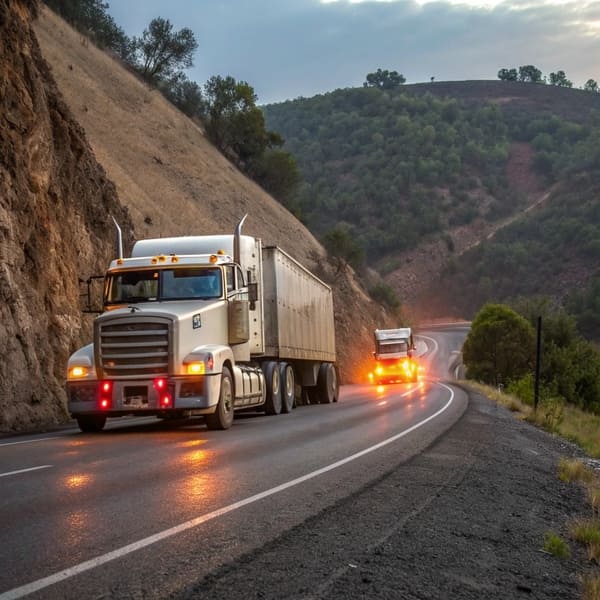
A truck is much heavier than a car. When you hit the brakes, all that forward motion, or kinetic energy, has to go somewhere. The brake system converts this energy into heat. A heavier truck generates far more heat than a standard car. Regular brake pads can't handle these extreme temperatures. They can overheat, a dangerous condition known as "brake fade4." This is where the pad material breaks down and can no longer create the friction needed to stop the vehicle.
Heavy-duty pads are designed to manage this heat. They use special materials and construction methods to stay effective even when they get very hot. This is crucial when you are:
- Towing a heavy trailer: The extra weight dramatically increases the braking demand.
- Hauling a full load: Your truck's gross vehicle weight is at its maximum.
- Driving down long, steep grades: Constant braking creates a massive buildup of heat.
Without pads designed for these situations, you are risking your safety.
Which Types of Brake Pad Materials Are Best for Trucks?
Choosing the wrong brake pad material means they will wear out too fast. You will waste money and, more importantly, compromise your safety. You need to understand the pros and cons of each material.
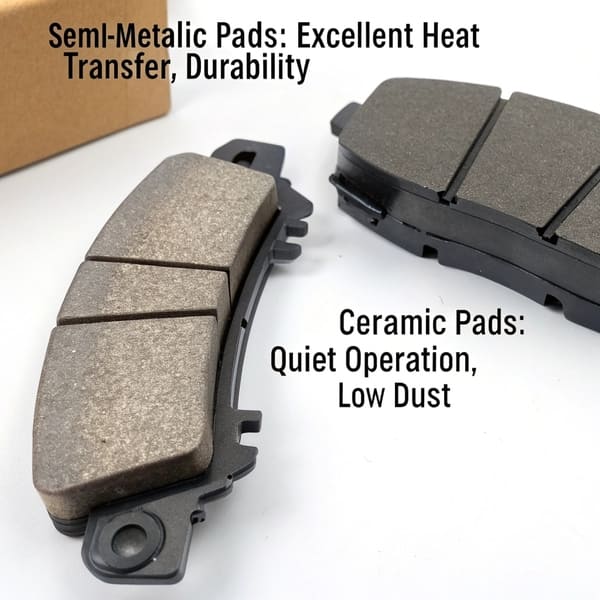
For trucks, semi-metallic and ceramic brake pads are the best options. Semi-metallic pads offer excellent heat transfer and durability for extreme use. Ceramic pads provide quiet operation, low dust, and consistent performance across a wide temperature range. The right choice depends on your specific driving needs.
The material a brake pad is made from is the single most important factor in its performance. As a manufacturer, I can tell you that producing these materials is incredibly difficult. It’s a precise science. The production of a quality heavy-duty pad involves several key stages, but the hardest parts are controlling the cooling process and ensuring density stability. You need extremely precise machinery for this.
Another challenge is getting the friction material recipe6 just right. When we mix the raw materials, the machine has to stop to add ingredients. During this time, the mold has to be opened, which makes the cooling process very hard to control. A slight error here can ruin the entire batch. This is why not all factories can produce reliable heavy-duty pads.
Here’s a breakdown of the common materials and how they work for trucks:
Brake Pad Material Comparison for Trucks
| Material Type | Heat Resistance | Durability & Lifespan | Performance | Best For |
|---|---|---|---|---|
| Organic (NAO) | Low | Low | Quiet, low dust | Not recommended for trucks |
| Semi-Metallic | Excellent | Very Good | Strong bite, noisy | Heavy towing, commercial use |
| Ceramic | Very Good | Excellent | Quiet, low dust, smooth | Daily driving, light towing |
Semi-metallic pads contain a high percentage of steel and other metals. They are fantastic at pulling heat away from the rotor and are very durable. However, they can be noisy and produce more dust. Ceramic pads are made from a dense ceramic material with embedded copper fibers. They are very quiet, produce little dust, and offer very consistent stopping power, but they may not have the absolute cold bite of semi-metallics.
Which Brands Offer Reliable Heavy-Duty Truck Brake Pads?
The market is crowded with brake pad brands. Choosing a bad one can be a costly mistake that puts your safety at risk. You should focus on suppliers with a proven track record in manufacturing.
While many retail brands are available, the most reliable heavy-duty pads often come from specialized OEM/ODM manufacturers7. These factories, like ours, produce parts for major brands and wholesalers. We guarantee strict quality control, advanced material formulas, and consistent performance that meets tough industry standards.
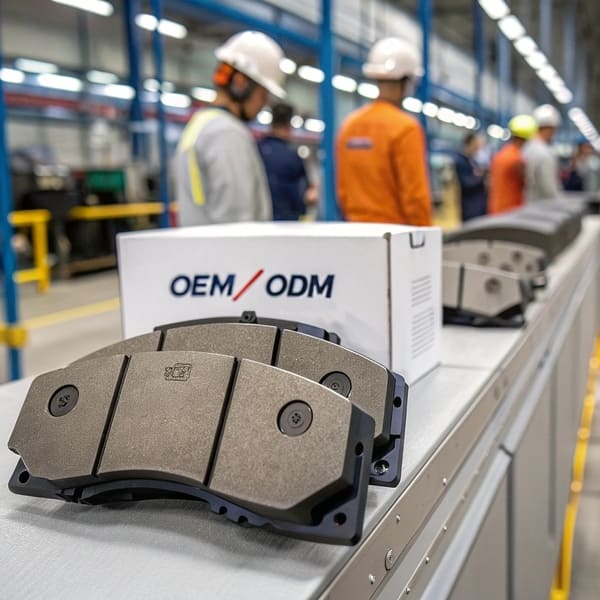
Many people think in terms of retail brands, but the real magic happens at the factory level. As an OEM/ODM supplier, we are the ones who actually design, engineer, and manufacture the brake pads that other companies sell under their names. Our focus is purely on the technical aspects: material science, process control, and quality assurance8. This is where reliability comes from.
I learned a valuable lesson about this early on. My first project for heavy-duty pads was for a client in Pakistan. We were new to that specific formulation. After delivery, the client reported that the pads were "wearing out too fast." I was very worried we had failed. However, the client was actually thrilled. For their specific application, the faster wear meant incredible grip and stopping power, which is exactly what they needed. It taught me that "best" isn't one-size-fits-all. It's about matching the product's engineering to the customer's exact need. Since then, we have perfected our formulas to offer a range of options, from extreme durability to maximum performance. When you work directly with a manufacturer, you get this level of customization and expertise9.
Conclusion
Trucks require special heavy-duty brake pads. Ceramic or semi-metallic materials are best. The most reliable source is an experienced OEM manufacturer who can ensure quality and performance.
Discover which brake pads offer the best safety, durability, and performance for your truck or 4x4, ensuring you make an informed purchase. ↩
Learn why superior stopping power is crucial for truck safety, especially when towing or hauling heavy loads. ↩
Understanding heat dissipation helps you choose pads that prevent brake fade and ensure reliable braking under stress. ↩
Avoid dangerous situations by learning how to prevent brake fade with the right brake pad materials and technology. ↩
Consistent stopping power is essential for safety when your truck is fully loaded or towing. ↩
Learn how the right material mix impacts pad performance, durability, and safety for your truck. ↩
OEM/ODM suppliers offer advanced engineering, customization, and strict quality control for reliable brake pads. ↩
Quality assurance ensures your brake pads meet industry standards and perform safely under tough conditions. ↩
Get the best fit for your needs by working with experts who tailor brake pad formulas to your specific application. ↩