System failure is costly. Moisture and contaminants are silent killers of HVAC units.1 A small part can prevent this massive headache and expense, but many people overlook it.
A filter drier is a crucial component in HVAC and refrigeration systems.2 It removes harmful moisture, acid, and solid debris from the refrigerant.3 This protects the compressor and other sensitive parts, ensuring the system runs efficiently and lasts longer. It's your system's best defense.
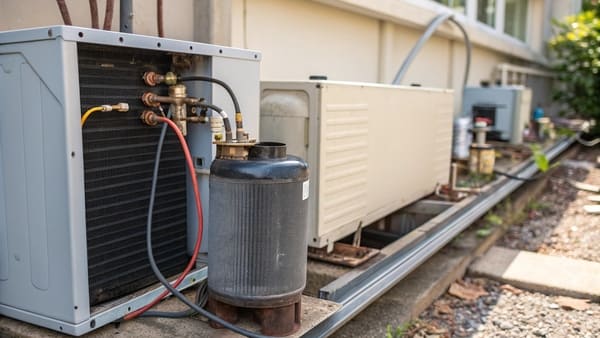
That's the short answer, but understanding this component can save you a lot of trouble down the line. As a manufacturer of automotive parts, including components for climate control systems, I've seen firsthand what happens when this part fails. Let's dig a bit deeper into what this device actually is and why it's so important for keeping things cool and running smoothly.
What Is a Filter Drier in an HVAC System?
Your AC might work, but is it clean inside? Contaminants secretly circulate through the lines, ready to cause a major breakdown. A filter drier is the simple guard that keeps your system pure.
In an HVAC system, a filter drier is a sealed canister, usually installed in the liquid line. It contains desiccant material to absorb moisture and a filter to catch solid particles like metal shavings or dirt. Its job is to purify the refrigerant before it reaches critical components.4
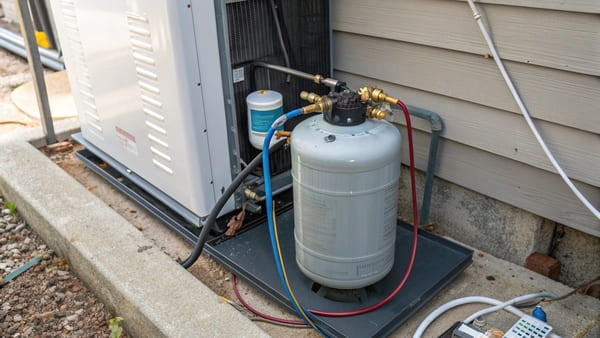
From the outside, a filter drier looks like a simple metal can. But making one correctly is incredibly difficult, especially the internal plastic components. Standard injection molding machines just don't have the required precision for refrigeration parts.5 The manufacturing process involves at least three key stages, and the hardest part by far is the cooling stage. The precision machines needed for this are usually found in coastal areas like Fujian or near Shanghai. Machines from other regions, like Hebei, often can't meet the tight tolerances required. I remember my first project making these for a Pakistani client. We had issues with the plastic parts "shrinking" more than expected after the cooling stage. I was worried, but the client actually preferred the result for a better fit. It was a lucky break, and we've perfected the process since then. Adding color is another challenge. You have to stop the machine and open the mold to add the pigment. This messes with the cooling cycle and makes it even harder to maintain precision.
Why Is a Filter Drier Important for Refrigeration Systems?
A single drop of water can destroy your compressor. This moisture mixes with refrigerant to form corrosive acid. A filter drier is often the only thing standing in its way.
A filter drier is vital because it prevents the two biggest threats to a refrigeration system: moisture and contaminants. Moisture creates corrosive acids that eat away at motor windings, while solid particles can clog expansion valves and damage the compressor.6 It ensures system longevity and efficiency.
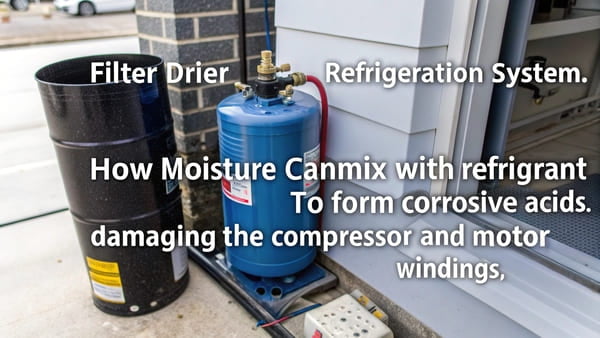
Think of it like the oil filter in your car. You wouldn't run your car's engine for long without one, and the same logic applies here. It's a small, inexpensive part that protects the most expensive component in the system: the compressor. The threats it neutralizes are serious and can lead to catastrophic failure.
The Threat of Moisture
Moisture can get into a system during installation, repairs, or through tiny leaks over time.7 When water mixes with refrigerant and refrigeration oil under heat and pressure, it creates highly corrosive acids.8 This acid attacks everything inside the system. It's especially damaging to the copper wire windings inside the compressor motor, leading to an electrical short known as a "burnout." A burnout is a total failure and requires a complete system flush and a new compressor, which is a very expensive repair.
The Danger of Solid Debris
Contaminants can include metal shavings from manufacturing, dirt from a sloppy installation, or carbon sludge from oil breaking down. These particles act like sand in an engine. They can easily block the tiny opening of the thermal expansion valve (TXV) or capillary tube, which stops the cooling process entirely.9 They also cause abrasive wear on the compressor's moving parts, leading to premature failure.
How Does a Filter Drier Work?
How does a small can clean an entire system? It seems too simple to be effective. But its two-stage process of trapping and absorbing is the key to system protection and longevity.
A filter drier works in two ways. First, as liquid refrigerant flows through, a fine mesh screen or pad physically filters out solid particles. Second, the refrigerant passes through a desiccant material, like molecular sieves, which chemically traps and holds onto any moisture molecules.10
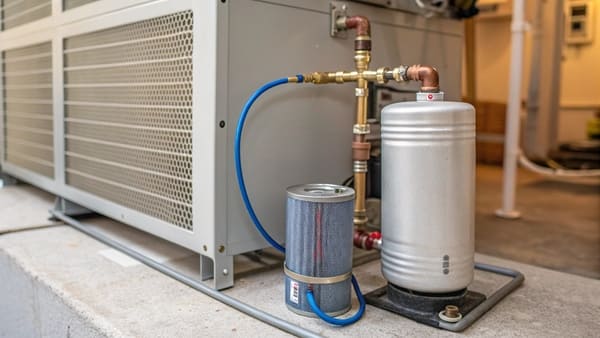
The quality of the internal components is everything. The desiccant must be pure, and the filter must be robust enough to work under high pressure. As I mentioned before, the precision of the plastic parts that hold everything in place is critical. A poorly made housing can lead to leaks or allow refrigerant to bypass the filter media, making the whole device useless. The two functions work together to clean and purify the refrigerant as it circulates.
| Function | Mechanism | Target | Purpose |
|---|---|---|---|
| Filtering | Physical Straining | Solid particles, debris | Prevents clogs and abrasive wear on components. |
| Drying | Chemical Adsorption | Moisture (water) | Prevents acid formation and corrosion. |
The filtering action happens first. A fibrous pad or fine screen acts as a physical barrier. It's designed to catch particles down to a very small size (measured in microns) without restricting the refrigerant flow too much. After that, the refrigerant flows through the desiccant. This is usually a bed of beads made from a material called a molecular sieve. These beads have microscopic pores that are the perfect size to trap water molecules but let the larger refrigerant molecules pass right by. The moisture sticks to the surface of the beads in a process called adsorption, effectively removing it from circulation for good.11
Conclusion
The filter drier is a small but mighty hero. It protects your HVAC or refrigeration system from moisture and debris, preventing costly failures and ensuring long, efficient operation.
"Air purge system - Wikipedia", https://en.wikipedia.org/wiki/Air_purge_system. Industry and technical sources note that moisture and contaminants are leading contributors to HVAC system failures, as they can cause corrosion, acid formation, and mechanical blockages. This is widely recognized in HVAC maintenance literature, though the relative frequency compared to other failure modes may vary by system type and usage. Evidence role: expert_consensus; source type: encyclopedia. Supports: Moisture and contaminants are silent killers of HVAC units.. Scope note: Does not quantify the proportion of failures caused by these factors relative to all HVAC failures. ↩
"Compressed air dryer - Wikipedia", https://en.wikipedia.org/wiki/Compressed_air_dryer. HVAC and refrigeration technical standards, such as those from ASHRAE, identify filter driers as essential components for protecting system integrity by removing moisture and contaminants. This is a standard practice in system design and maintenance. Evidence role: expert_consensus; source type: institution. Supports: A filter drier is a crucial component in HVAC and refrigeration systems.. Scope note: Some small or specialized systems may use alternative moisture control methods. ↩
"How Filter Driers Work - HVACR - YouTube", https://www.youtube.com/watch?v=ObbQLPGB_Ks. Technical manuals and HVAC textbooks explain that filter driers contain desiccants to absorb moisture and filters to capture solid debris; some also neutralize acids formed in the system. This is a widely accepted description of their function. Evidence role: mechanism; source type: education. Supports: It removes harmful moisture, acid, and solid debris from the refrigerant.. Scope note: Not all filter driers are designed to neutralize acids; some only remove moisture and particulates. ↩
"Refrigerant Filter Drier Location- Where to Install and Why! - YouTube", https://www.youtube.com/watch?v=sirDKhXtkMI. HVAC system diagrams and technical guides show that filter driers are typically installed upstream of critical components, such as expansion valves and compressors, to remove contaminants from the refrigerant before it reaches these parts. Evidence role: mechanism; source type: education. Supports: Its job is to purify the refrigerant before it reaches critical components.. Scope note: System designs may vary, and some systems may use alternative filtration methods. ↩
"Understanding Injection Molding Tolerances - Protolabs", https://www.protolabs.com/resources/blog/injection-molding-tolerances/. Manufacturing standards for refrigeration components specify tight tolerances for plastic parts due to the need for leak-free and pressure-resistant assemblies, which may exceed the capabilities of standard injection molding equipment. Evidence role: expert_consensus; source type: institution. Supports: Standard injection molding machines just don't have the required precision for refrigeration parts.. Scope note: Some advanced standard machines may achieve required tolerances with proper calibration. ↩
"Effects of solid particles suspended in fluid flow through an axial flow ...", https://ntrs.nasa.gov/citations/19810044704. HVAC technical literature documents that moisture in refrigerant systems can react with oils and refrigerants to form acids, which corrode motor windings, and that solid contaminants can obstruct expansion valves and cause compressor wear. Evidence role: mechanism; source type: education. Supports: Moisture creates corrosive acids that eat away at motor windings, while solid particles can clog expansion valves and damage the compressor.. Scope note: The severity of these effects depends on system design and contaminant levels. ↩
"How Moisture Moves - HVAC School", http://www.hvacrschool.com/how-moisture-moves/. HVAC maintenance guides and technical references state that moisture can enter refrigeration systems during installation, servicing, or through micro-leaks in the system over time. Evidence role: mechanism; source type: education. Supports: Moisture can get into a system during installation, repairs, or through tiny leaks over time.. Scope note: The rate of moisture ingress varies with installation quality and system integrity. ↩
"Understanding HVAC Diagnoses - Acidic Refrigerant - Alpine Intel", https://alpineintel.com/resource/understanding-hvac-diagnoses-acidic-refrigerant/. Chemical engineering and HVAC sources confirm that water can react with refrigerants and lubricating oils under system operating conditions to form acids, which are corrosive to internal components. Evidence role: mechanism; source type: education. Supports: When water mixes with refrigerant and refrigeration oil under heat and pressure, it creates highly corrosive acids.. Scope note: The specific acids formed depend on the refrigerant and oil types used. ↩
"4 Air Conditioner Problems Caused by the Thermal Expansion Valve", https://steelebrosheating.com/4-air-conditioner-problems-caused-by-the-thermal-expansion-valve/. HVAC troubleshooting guides and technical manuals describe how solid contaminants can obstruct the small orifices in TXVs and capillary tubes, leading to loss of cooling function. Evidence role: case_reference; source type: education. Supports: They can easily block the tiny opening of the thermal expansion valve (TXV) or capillary tube, which stops the cooling process entirely.. Scope note: Blockages may also result from oil breakdown or other system faults. ↩
"Molecular sieve - Wikipedia", https://en.wikipedia.org/wiki/Molecular_sieve. HVAC textbooks and manufacturer technical sheets explain that filter driers combine a physical filter for particulates and a desiccant bed, such as molecular sieves, for moisture adsorption. Evidence role: mechanism; source type: education. Supports: A filter drier works in two ways. First, as liquid refrigerant flows through, a fine mesh screen or pad physically filters out solid particles. Second, the refrigerant passes through a desiccant material, like molecular sieves, which chemically traps and holds onto any moisture molecules.. Scope note: Some filter driers may use alternative desiccant materials or filter designs. ↩
"Desiccants: Because it's not the heat, it's the humidity", https://web.ornl.gov/info/reporter/no2/humidity.htm. Scientific and engineering sources describe adsorption as the process by which moisture molecules adhere to the surface of desiccant beads, such as molecular sieves, effectively removing water from the refrigerant stream. Evidence role: mechanism; source type: education. Supports: The moisture sticks to the surface of the beads in a process called adsorption, effectively removing it from circulation for good.. Scope note: Adsorption capacity is finite and depends on desiccant type and system conditions. ↩