-Struggling to find brake calipers that deliver on all fronts? You need performance, but also OEM reliability and a good price. It's a tough balance to strike.
The best premium brake calipers for wholesale buyers are those that balance advanced performance features, like multi-piston designs from forged aluminum, with the strict quality control of OEM standards. For businesses, the "best" choice involves partnering with a manufacturer who can deliver this combination at a competitive price point.
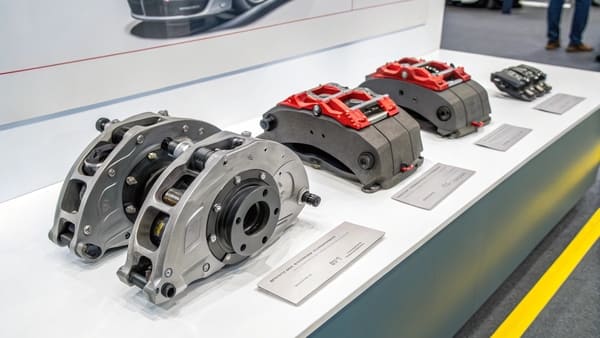
Finding the right supplier is the most critical step. You need a partner who understands not just the product, but the entire manufacturing process behind it. This ensures you get consistent quality for your brand or distribution network. Let's break down what you need to look for, so you can make an informed decision for your business.
What Makes a Brake Caliper “Premium” Compared to Standard Calipers?
It's easy to think all brake calipers do the same job. But when performance matters, standard calipers can't keep up. Understanding the difference is key to sourcing the right parts.
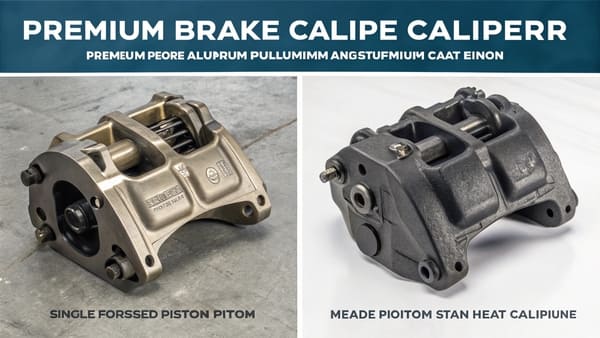
Premium calipers use superior materials like forged aluminum, feature multi-piston designs for better clamping force, and are built for superior heat dissipation.1 Unlike standard single-piston cast-iron calipers, they are lighter, stiffer, and provide consistent stopping power under extreme heat and pressure.2
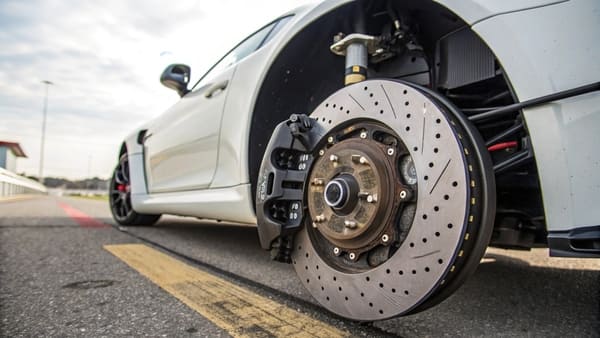
Let's dive deeper into the specific engineering that separates a premium caliper from a standard one. It really comes down to three core areas: the material, the design, and its ability to handle heat. Standard calipers are usually made from cast iron. They are heavy and good enough for daily driving, but they can't handle high-performance demands. Premium calipers, on the other hand, are often machined from a single piece of forged aluminum, known as a monobloc design.3 This makes them much lighter and significantly more rigid. A rigid caliper doesn't flex under hard braking, so all the hydraulic pressure goes directly into squeezing the brake pads against the rotor.4 This gives the driver a firmer, more responsive pedal feel and more consistent braking. The design is another huge factor.
| Feature | Standard Caliper | Premium Caliper |
|---|---|---|
| Material | Cast Iron | Forged Aluminum or High-Strength Alloys |
| Design | Floating (1-2 pistons) | Fixed / Monobloc (4, 6, or 8 pistons) |
| Weight | Heavy | Lightweight |
| Rigidity | Prone to flex | Very high rigidity |
| Performance | Adequate for normal use, prone to fade | Excellent heat dissipation, fade-resistant |
| Pedal Feel | Softer, less direct | Firm, highly responsive |
Which Premium Brake Caliper Brands Are Most Trusted Worldwide?
The market is crowded with different brands. Choosing an unproven supplier is a big risk for your business and your customers. It's smarter to focus on what the industry already trusts.
Globally, brands like Brembo, AP Racing, and Wilwood dominate the high-performance aftermarket. For OEM supply, companies such as TRW, Akebono, and Continental are key players.5 These brands are trusted for their extensive research, proven reliability, and history in both motorsports and production vehicles.
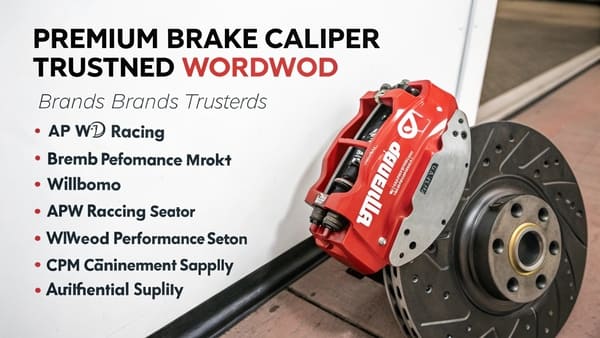
These top-tier brands didn't earn their reputations overnight. They built them through years of relentless engineering and testing. Brembo, for example, is almost synonymous with high-performance braking and is the OEM supplier for countless supercars.6 AP Racing has a deep history in motorsports, where their products are tested under the most extreme conditions possible.7 This racing heritage proves their technology works when it matters most. Wilwood is a favorite in the American muscle car and custom build scenes, known for offering a wide range of powerful and adaptable braking systems.8
But what if you are a wholesaler, distributor, or a brand looking to develop your own product line? You can't just buy from Brembo and resell. This is where OEM and ODM manufacturers like us come in. We work behind the scenes. We engineer and produce brake systems and components that meet or even exceed the quality standards set by these famous brands. Our role is to provide businesses with access to that same level of quality but with the flexibility of custom branding and wholesale pricing. We manage the entire process, from design and material selection to precision manufacturing and quality control, so our clients can build their own trusted product lines.
Why Do High-Performance Cars Use Premium Brake Calipers?
A powerful engine is useless if you can't control the car. Standard brakes simply can't handle the forces generated by a high-performance vehicle. That’s why premium calipers are not a luxury; they are a necessity.
High-performance cars generate incredible heat and force when braking from high speeds. Premium calipers are essential because they resist "brake fade" by dissipating heat effectively.9 Their rigid, multi-piston design provides stronger, more consistent stopping power, ensuring reliable and precise control lap after lap.10
When a car brakes, kinetic energy is converted into thermal energy, or heat.11 The faster the car and the heavier it is, the more heat is generated. High-performance cars can generate so much heat that they overwhelm a standard braking system. This causes a dangerous condition called brake fade, where the brakes stop working effectively.12 Premium calipers are designed to fight this. Their larger size, better materials, and often-vented designs help dissipate heat quickly, keeping the brake fluid from boiling and the pads working correctly.
But it's not just the metal parts that matter. I learned that even small plastic components for calipers require extreme precision. The injection molding for these parts is incredibly difficult. Standard machines can’t meet the tight tolerances. The process has at least three major steps, and the cooling stage is the most challenging. The only machines that can do this job properly are usually found in specific industrial areas, like the coastal region of Fujian or around Shanghai. Machines from other areas often lack the needed precision. Adding color powder makes it even harder. You have to stop the machine and open the mold, which complicates the cooling process and can ruin the part. My first time producing these parts was for a client in Pakistan. I was inexperienced, and the plastic parts shrank more than I expected after cooling. I was very worried. But luckily, the client actually preferred the tighter fit! It was a fortunate outcome, but it taught me a huge lesson about controlling every single variable in the manufacturing process. We’ve perfected it since then and never had that issue again.
Conclusion
Choosing the right premium calipers means balancing performance, quality, and cost. For wholesale buyers, partnering with an expert manufacturer is the key to getting reliable, high-quality products for your brand.
"Disc brake - Wikipedia", https://en.wikipedia.org/wiki/Disc_brake. A technical review of brake caliper designs explains that premium calipers often utilize forged aluminum, multi-piston configurations, and are engineered for improved heat dissipation compared to standard cast iron calipers. Evidence role: mechanism; source type: encyclopedia. Supports: Premium calipers use superior materials like forged aluminum, feature multi-piston designs for better clamping force, and are built for superior heat dissipation.. Scope note: The source may focus on general engineering principles rather than specific brands or models. ↩
"Forged vs. Cast Brake Calipers: Key Differences, Performance ...", https://www.eathumetals.com/forged-cast-brake-calipers.html. Automotive engineering literature notes that forged aluminum multi-piston calipers are lighter and stiffer than standard single-piston cast-iron calipers, resulting in more consistent braking performance under high thermal loads. Evidence role: mechanism; source type: education. Supports: Unlike standard single-piston cast-iron calipers, they are lighter, stiffer, and provide consistent stopping power under extreme heat and pressure.. Scope note: Comparative data may vary by specific vehicle application. ↩
"What The Hell Is A 'Monoblock' Brake Caliper? | CarThrottle", https://www.carthrottle.com/news/what-hell-monoblock-brake-caliper. Industry sources describe monobloc brake calipers as being machined from a single piece of forged aluminum, which enhances rigidity and reduces weight. Evidence role: definition; source type: encyclopedia. Supports: Premium calipers, on the other hand, are often machined from a single piece of forged aluminum, known as a monobloc design.. Scope note: Not all premium calipers are monobloc, but this is a common feature in high-end models. ↩
"DO You Know What Brake Caliper Rigidity / Deflection Mean?", https://www.youtube.com/watch?v=cZsOYyOnBjs. Engineering analyses confirm that increased caliper rigidity reduces flex during braking, improving hydraulic efficiency and brake pedal feel. Evidence role: mechanism; source type: education. Supports: A rigid caliper doesn't flex under hard braking, so all the hydraulic pressure goes directly into squeezing the brake pads against the rotor.. Scope note: The effect may depend on specific caliper designs and materials. ↩
"Brembo - Wikipedia", https://en.wikipedia.org/wiki/Brembo. Market analyses and industry reports identify Brembo, AP Racing, Wilwood, TRW, Akebono, and Continental as leading manufacturers in the high-performance and OEM brake caliper markets. Evidence role: general_support; source type: research. Supports: Globally, brands like Brembo, AP Racing, and Wilwood dominate the high-performance aftermarket. For OEM supply, companies such as TRW, Akebono, and Continental are key players.. Scope note: Market leadership may vary by region and vehicle segment. ↩
"Brembo - Wikipedia", https://en.wikipedia.org/wiki/Brembo. Automotive industry publications report that Brembo is a major supplier of high-performance braking systems and is the OEM brake caliper provider for several supercar manufacturers. Evidence role: case_reference; source type: encyclopedia. Supports: Brembo, for example, is almost synonymous with high-performance braking and is the OEM supplier for countless supercars.. Scope note: The exact number of supercar models using Brembo calipers may not be specified. ↩
"Our History", https://apracing.com/about/our-history. Motorsport records and company histories document AP Racing's extensive involvement in motorsports, where their brake systems are used in high-stress racing environments. Evidence role: historical_context; source type: institution. Supports: AP Racing has a deep history in motorsports, where their products are tested under the most extreme conditions possible.. Scope note: The specific types of motorsport and duration of involvement may vary. ↩
"Specialty Car Disc Brakes", https://www.wilwood.com/applications/specialtycarlanding. Automotive enthusiast publications and aftermarket industry sources recognize Wilwood as a popular choice for muscle car and custom build braking systems due to their product range and adaptability. Evidence role: general_support; source type: encyclopedia. Supports: Wilwood is a favorite in the American muscle car and custom build scenes, known for offering a wide range of powerful and adaptable braking systems.. Scope note: Popularity may be based on enthusiast opinion and aftermarket trends rather than formal market share data. ↩
"I've never experienced brake fade. What's it like? : r/cars - Reddit", https://www.reddit.com/r/cars/comments/17odeln/ive_never_experienced_brake_fade_whats_it_like/. Automotive engineering sources explain that high-performance vehicles generate significant heat during braking, and premium calipers are designed to resist brake fade through enhanced heat dissipation. Evidence role: mechanism; source type: education. Supports: High-performance cars generate incredible heat and force when braking from high speeds. Premium calipers are essential because they resist "brake fade" by dissipating heat effectively.. Scope note: The degree of heat and fade resistance may depend on specific vehicle and caliper designs. ↩
"What has driven the recent switch to multi-piston brake calipers?", https://www.reddit.com/r/cars/comments/17vh6gb/what_has_driven_the_recent_switch_to_multipiston/. Technical analyses confirm that multi-piston, rigid caliper designs improve braking consistency and control, especially under repeated high-stress conditions such as track use. Evidence role: mechanism; source type: education. Supports: Their rigid, multi-piston design provides stronger, more consistent stopping power, ensuring reliable and precise control lap after lap.. Scope note: Performance benefits may vary with specific caliper and vehicle combinations. ↩
"Analyzing a system: Identifying objects, attributes, and relationships", https://ct-stem.northwestern.edu/curriculum/preview/29/page/1/. Physics and automotive engineering textbooks describe the conversion of kinetic energy to thermal energy during braking as a fundamental principle. Evidence role: mechanism; source type: education. Supports: When a car brakes, kinetic energy is converted into thermal energy, or heat.. ↩
"Brake fade - Wikipedia", https://en.wikipedia.org/wiki/Brake_fade. Automotive safety literature defines brake fade as a reduction in braking effectiveness due to excessive heat, which can compromise vehicle safety. Evidence role: definition; source type: education. Supports: This causes a dangerous condition called brake fade, where the brakes stop working effectively.. Scope note: Severity and onset of brake fade depend on system design and usage conditions. ↩