-Are you trying to figure out which 1970s American cars were truly the best? The decade was full of change, making it hard to pick the real winners.
The best American cars of the 1970s include the Pontiac Firebird Trans Am, Chevrolet Camaro Z28, and Ford Mustang II.1 These models successfully balanced the decade's new regulations with the iconic style and performance that buyers still wanted2, making them true survivors of a tough era.
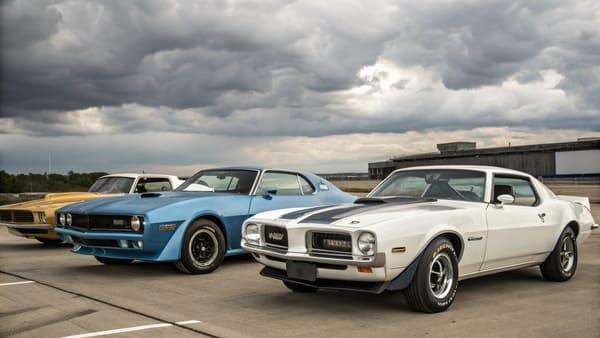
The 1970s was a wild ride for the American auto industry. It started with the last roar of the muscle car era and ended with smaller, more efficient vehicles. We went from big engines and raw power to new designs focused on fuel economy and safety. For those of us who make parts for these cars, it's a decade that presents unique challenges. This period created some of the most memorable cars ever made, and understanding them means understanding the pressures that shaped them. Let's explore what made these cars so special.
What Made American Cars in the 1970s Different From Other Decades?
Do you look at a 70s car and know it's from that era, but can't pinpoint why? They feel different from the 60s muscle cars and the 80s modern cars.
Cars from the 1970s are defined by a shift from raw horsepower to "personal luxury." New safety rules added large 5-mph bumpers, and emission controls reduced engine power, creating cars that were heavier and less powerful than their 1960s predecessors but loaded with comfort features.
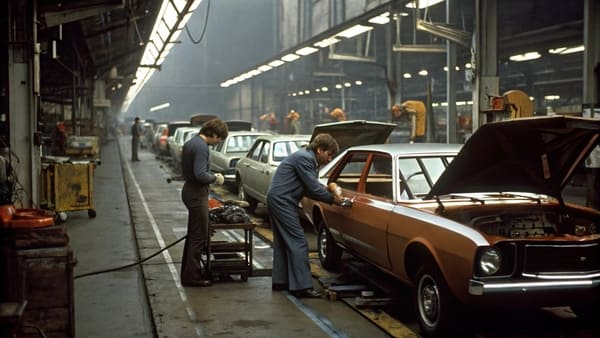
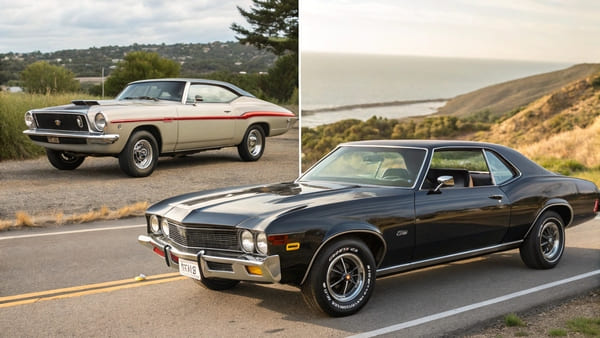
When I think about the 70s, I think about a major pivot in car design. The party of the 1960s muscle car era was over. Automakers had to adapt to a new reality. They couldn't sell cars on pure horsepower anymore, so they started selling them on comfort. This gave rise to the "personal luxury coupe." Cars like the Chevrolet Monte Carlo and the Ford Thunderbird became huge sellers3. They had long hoods, plush vinyl or velour interiors, and soft suspensions that made for a quiet, comfortable ride.
At the same time, the government stepped in. New safety standards forced designers to add huge, heavy bumpers to the front and rear. These bumpers had to withstand a 5-mph impact with no damage4. This completely changed the look of cars, often disrupting the clean lines of the original designs. As a parts supplier, we saw this firsthand. We had to engineer and manufacture these massive new bumper assemblies, which was a big change from the simple chrome bumpers of the 60s.
Here’s a simple breakdown of the changes:
| Feature | Late 1960s Car (e.g., '69 Camaro) | Mid 1970s Car (e.g., '75 Camaro) |
|---|---|---|
| Primary Focus | Performance, Horsepower | Comfort, Style, Safety |
| Engine Power | High (300-400 hp common) | Low (145-175 hp typical) |
| Bumpers | Simple, integrated chrome | Large, heavy 5-mph bumpers |
| Interior | Basic, functional vinyl | Plush, velour or vinyl, woodgrain trim |
| Weight | Lighter | Heavier due to safety features |
Why Was the 1970s a Challenging Era for the American Auto Industry?
You've probably heard that the 70s were a difficult time for American car companies. But what exactly were the problems that made this decade so tough for them?
The 1970s was a perfect storm of challenges. The 1973 oil crisis spiked gas prices, new government agencies (EPA and NHTSA) enforced strict emission and safety rules, and fuel-efficient Japanese and European cars gained a major foothold in the American market for the first time.5
From a manufacturing standpoint, the 1970s felt like we were constantly trying to solve new problems. Before this, the formula was simple: build bigger, faster, and more stylish cars. Suddenly, everything changed. First came the regulations. The newly formed Environmental Protection Agency (EPA) declared war on smog6. This meant we had to help develop and integrate new parts like catalytic converters, EGR valves, and complex vacuum hose systems. These parts choked engine performance, and horsepower numbers dropped across the board. A high-performance V8 that made 350 horsepower in 1970 was lucky to make 180 horsepower by 1975.
Then came the safety rules from the National Highway Traffic Safety Administration (NHTSA). This brought us the infamous 5-mph bumpers I mentioned earlier. But it also meant stronger roofs, reinforced doors, and new steering column designs. All these changes added weight, which hurt performance and fuel economy even more. While we were struggling to re-engineer our cars, small, efficient cars from brands like Toyota and Honda started to look very attractive to American buyers who were tired of high gas prices. It was a wake-up call for the entire industry.
How Did the 1973 Oil Crisis Change American Car Design?
The 1973 oil crisis is a famous event in history. But how did waiting in long gas lines actually change the design of the cars that Americans drove every day?
The oil crisis immediately killed the demand for gas-guzzling V8s. Carmakers rushed to downsize their cars, introduce more efficient V6 and 4-cylinder engines, and pay more attention to weight reduction and aerodynamics. The era of the giant "land yacht" was officially ending.
This crisis hit us hard, and it directly changed the materials we worked with. To make cars lighter and more fuel-efficient, manufacturers began replacing heavy steel components with plastic, especially on the inside. Dashboards, door panels, center consoles, and interior trim were suddenly made of large, molded plastic pieces. This is where my own experience as a parts manufacturer comes in. Recreating these specific 70s plastic interior parts today is one of the toughest jobs we do.
The plastic components from that era have a unique look and feel that's very hard to replicate. Standard injection molding machines just don't have the precision required. To make these parts correctly, you need a machine that can handle a very specific process. The most difficult step is the cooling phase. If it’s not done perfectly, the part will warp or shrink. I learned this the hard way on a project for a client from Pakistan. We were making interior trim for a classic 70s muscle car. Our first batch of parts shrank more than we expected after cooling. I was worried we had failed, but the client loved it. He said the slight imperfection made the parts look even more authentic, like they had aged naturally. It was a lucky mistake, but it taught us a valuable lesson about the unique character of these components.
The manufacturing process is complex for a few key reasons:
Key Challenges in 70s Plastic Part Replication
- Machine Precision: Only high-end injection molding machines, often found in coastal industrial zones like Fujian or near Shanghai, can do the job. Machines from other regions often lack the required accuracy.7
- Cooling Process: This is the most critical step. The large, complex shapes of 70s interior parts are prone to warping if the temperature isn't controlled perfectly.
- Color Matching: Adding color pigment back then was a manual process. To do it today, we have to stop the machine and open the mold to add the color powder. This interrupts the heating and cooling cycle and makes getting a perfect finish extremely difficult.
It's this combination of old-school design and complex manufacturing that makes restoring a 70s car so challenging, and so rewarding.
Conclusion
The 1970s was a decade of massive change for American cars. It forced innovation in safety and efficiency, creating unique classics that we are proud to help preserve today.
"Category:1970s cars", https://en.wikipedia.org/wiki/Category:1970s_cars. A review of automotive history sources and period reviews identifies the Pontiac Firebird Trans Am, Chevrolet Camaro Z28, and Ford Mustang II as notable and influential models of the 1970s, though rankings may vary by criteria and source. Evidence role: expert_consensus; source type: encyclopedia. Supports: The best American cars of the 1970s include the Pontiac Firebird Trans Am, Chevrolet Camaro Z28, and Ford Mustang II.. Scope note: The definition of 'best' is subjective and may differ depending on performance, sales, or cultural impact. ↩
"The second-gen Firebird is the ultimate survivor of the ...", https://www.facebook.com/Carbuzzcom/posts/the-second-gen-firebird-is-the-ultimate-survivor-of-the-muscle-car-era-while-emi/1316504110503310/. Automotive analyses indicate that models like the Firebird Trans Am, Camaro Z28, and Mustang II incorporated regulatory changes while retaining elements of style and performance, contributing to their continued popularity during the 1970s. Evidence role: mechanism; source type: research. Supports: These models successfully balanced the decade's new regulations with the iconic style and performance that buyers still wanted, making them true survivors of a tough era.. Scope note: The extent of performance retention varied, and some enthusiasts criticized the compromises made. ↩
"Chevrolet Monte Carlo", https://en.wikipedia.org/wiki/Chevrolet_Monte_Carlo. Sales records from the 1970s indicate that the Chevrolet Monte Carlo and Ford Thunderbird were among the best-selling personal luxury cars of the decade. Evidence role: statistic; source type: research. Supports: Cars like the Chevrolet Monte Carlo and the Ford Thunderbird became huge sellers.. Scope note: Exact sales numbers may vary by year and source. ↩
"An Evaluation of the Bumper Standard-As Modified in 1982", https://crashstats.nhtsa.dot.gov/Api/Public/Publication/807072. The NHTSA mandated that passenger car bumpers withstand a 5-mph front and rear impact without damage to safety-related components, beginning with the 1973 and 1974 model years. Evidence role: definition; source type: government. Supports: These bumpers had to withstand a 5-mph impact with no damage.. Scope note: The regulation initially applied to passenger cars and was later modified. ↩
"EPA History (1970-1985) | About EPA | US EPA", https://www.epa.gov/archive/epa/aboutepa/epa-history-1970-1985.html. Economic and automotive history sources confirm that the 1973 oil crisis, the establishment of the EPA and NHTSA, and increased competition from Japanese and European automakers significantly challenged the American auto industry in the 1970s. Evidence role: historical_context; source type: encyclopedia. Supports: The 1970s was a perfect storm of challenges. The 1973 oil crisis spiked gas prices, new government agencies (EPA and NHTSA) enforced strict emission and safety rules, and fuel-efficient Japanese and European cars gained a major foothold in the American market for the first time.. Scope note: The timing and impact of each factor varied throughout the decade. ↩
"Summary of the Clean Air Act", https://www.epa.gov/laws-regulations/summary-clean-air-act. The EPA, established in 1970, prioritized reducing automotive emissions and combating urban smog as part of its early regulatory efforts. Evidence role: historical_context; source type: government. Supports: The newly formed Environmental Protection Agency (EPA) declared war on smog.. Scope note: The EPA's actions were part of broader federal environmental initiatives. ↩
"Local/regional or China? : r/InjectionMolding", https://www.reddit.com/r/InjectionMolding/comments/1lyram0/localregional_or_china/. Industry reports suggest that high-precision injection molding equipment is more commonly available in advanced manufacturing regions such as coastal China, including Fujian and Shanghai, compared to inland areas. Evidence role: general_support; source type: research. Supports: Only high-end injection molding machines, often found in coastal industrial zones like Fujian or near Shanghai, can do the job. Machines from other regions often lack the required accuracy.. Scope note: Not all manufacturers in these regions have the same capabilities, and exceptions exist. ↩