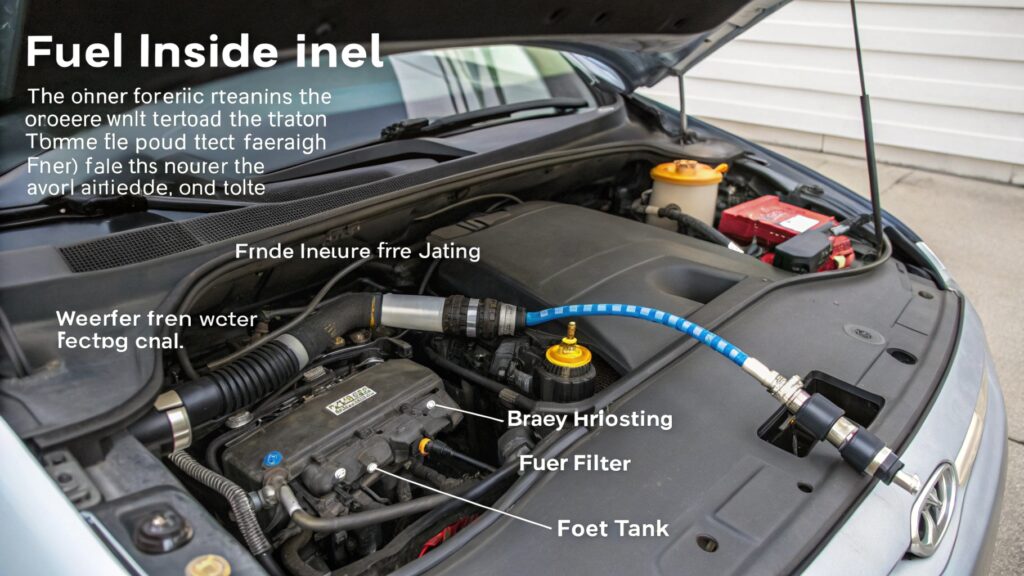
-Your car’s fuel tank seems simple, but it’s a critical starting point. Problems here can stop your whole vehicle. Let's see how it works and why it matters.
A car fuel tank safely stores fuel and is the first part of the fuel system.1 It houses the fuel pump, which draws gasoline or diesel and sends it through fuel lines to the engine.2 It also includes a sensor to measure the fuel level for your dashboard gauge.3
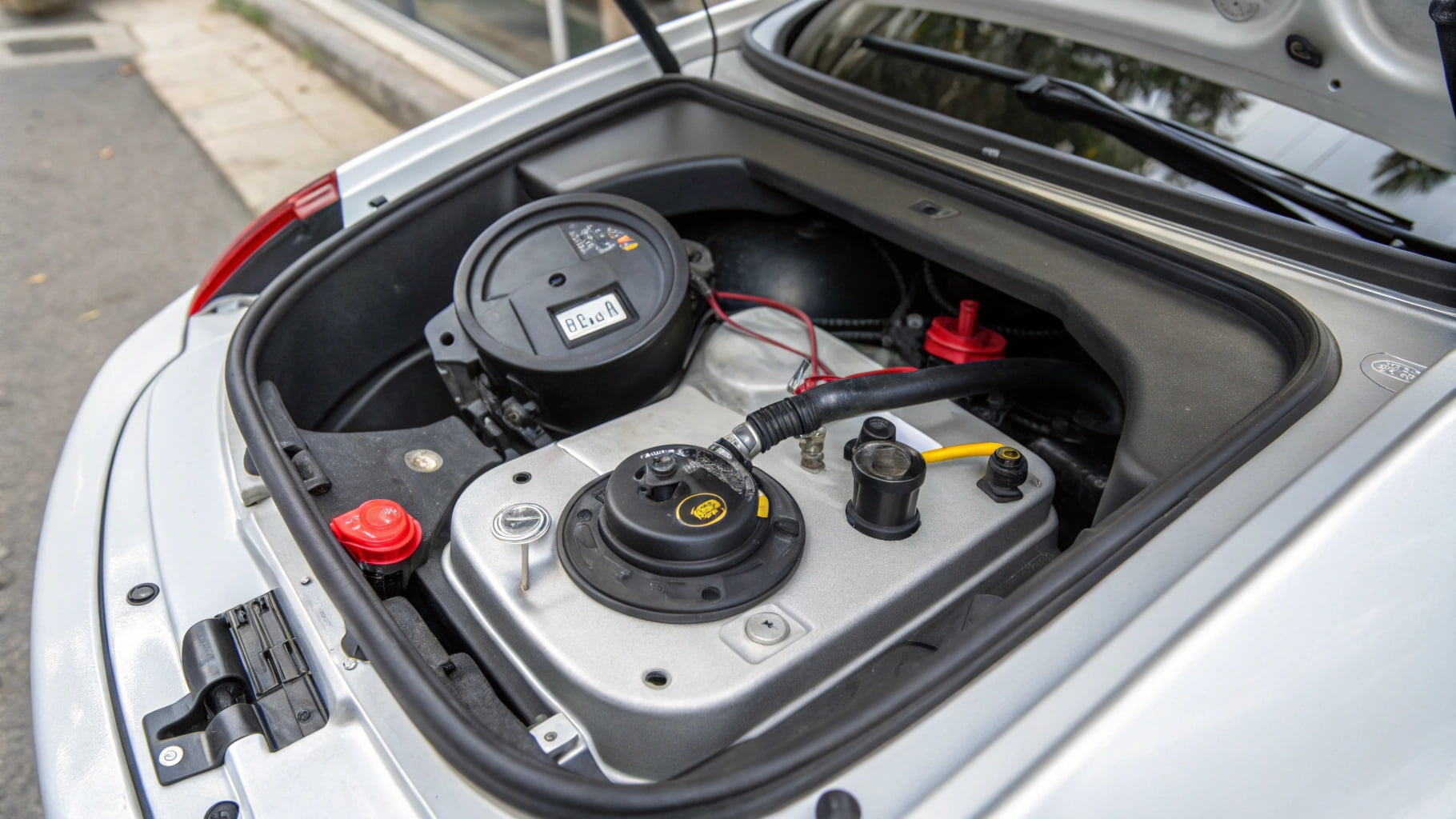
You now know the basic job of a fuel tank. It holds fuel and starts the delivery process. But the tank itself is more complex than just a simple box. To really understand your car, we need to look closer at the tank itself and see why its design is so important for keeping your vehicle running safely and efficiently. Let's dive into the details.
What Is a Car Fuel Tank and Why Is It Essential in Modern Vehicles?
You might think a fuel tank is just a plastic or metal box. But its design is crucial for your car's safety and performance, making it much more than that.
A car fuel tank is a specially designed container that holds volatile fuel securely.4 It is essential because it prevents dangerous leaks, stops fuel from evaporating, and ensures a steady supply of fuel to the engine, even when the car is moving or on a slope.5
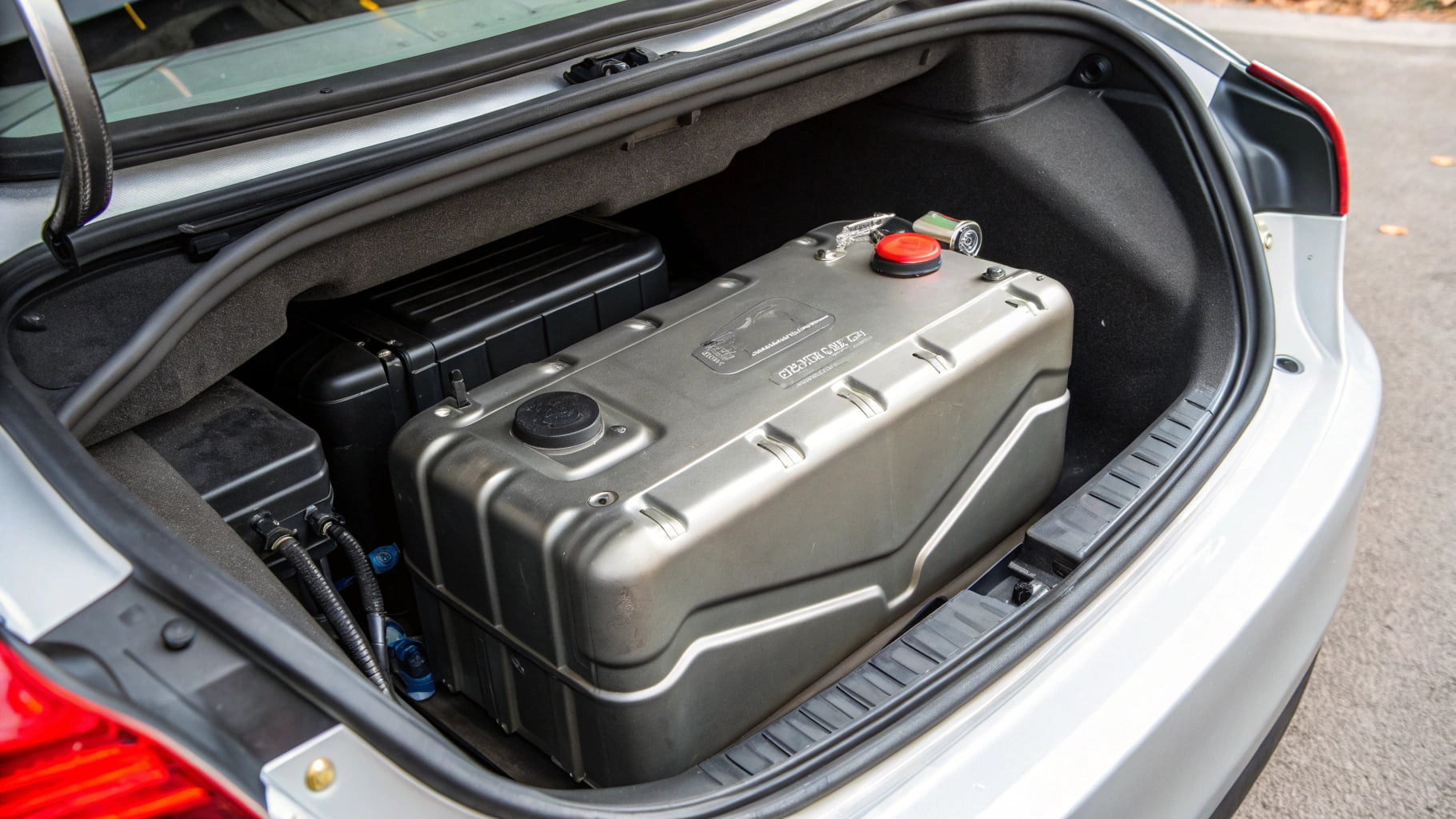
A fuel tank is a highly engineered component, not just a simple container. The materials and manufacturing process are incredibly important for safety and function. I learned this firsthand when working on a project for a client from Pakistan. We were producing plastic parts for a fuel tank system, and the precision required is extremely high. The injection molding machines needed for this job have to be top-of-the-line. Standard machines just can't meet the accuracy standards.
The Anatomy of a Modern Fuel Tank
The most difficult stage in the process is cooling the plastic parts after they are molded. During that first project, we had some issues where the parts "shrunk" a little more than expected during cooling. I was worried, but it turned out the client actually preferred the slightly different dimensions! It was a lucky break, but it taught me a valuable lesson about controlling every step. Today, we know that the best machines for this kind of precision work are typically found in the coastal areas of Fujian or near Shanghai, while machines from other regions often don't make the cut.
| Component | Function |
|---|---|
| Tank Body | Usually made of High-Density Polyethylene (HDPE) or steel.6 Shaped to fit the car's chassis. |
| Filler Neck | The tube where you insert the fuel nozzle to fill the tank. |
| Fuel Cap | Seals the system to prevent fuel spills and vapor from escaping. |
| Baffles | Internal walls that stop fuel from sloshing around loudly and affecting the fuel gauge reading. |
| Fuel Pump Housing | A mounting point inside the tank for the fuel pump and sending unit. |
How Does a Car Fuel Tank Store and Deliver Fuel to the Engine?
You know the tank stores fuel, but how does that fuel get to the engine? This process is key to your car starting and running smoothly, and it all begins inside the tank.
The fuel tank uses an in-tank electric fuel pump to draw fuel through a strainer.7 The pump pressurizes the fuel and pushes it into the fuel lines.8 Meanwhile, a sending unit with a float measures the fuel level and tells your dashboard gauge how full the tank is.
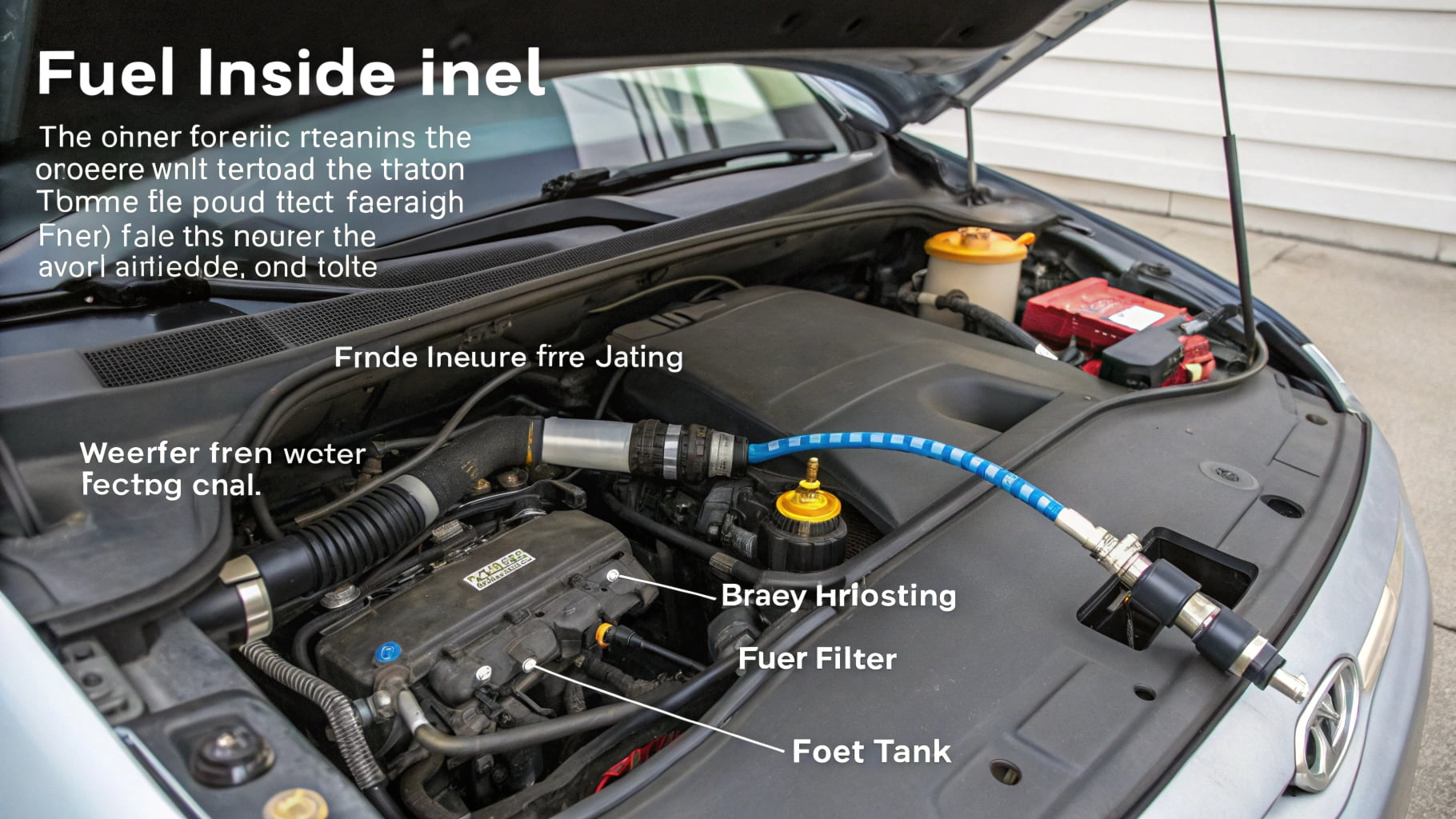
The process of getting fuel out of the tank is a great example of smart engineering. It’s not just gravity at work; it's an active system designed to be reliable and efficient. The main player here is the fuel pump assembly, which is a collection of parts working together. This assembly is usually mounted through the top of the tank and hangs down into the fuel. The housing for this assembly is one of those high-precision plastic parts I mentioned earlier. If the mold isn't perfect, it can cause sealing problems, leading to dangerous fuel vapor leaks or incorrect readings from the fuel gauge.
The Journey from Tank to Line
Let's break down the components that make this happen. They all sit inside the tank, working together to start the fuel’s journey to the engine. The quality of these components is critical for the long-term health of your vehicle.
| Component | Function |
|---|---|
| Fuel Pump | An electric motor that creates pressure to push fuel out of the tank. It's the heart of the system. |
| Fuel Strainer | A mesh filter attached to the pump's inlet. It's the first defense against dirt and debris in the tank. |
| Fuel Sending Unit | A float on an arm connected to a variable resistor. As the fuel level changes, the float moves, changing the electrical signal sent to your fuel gauge. |
| Check Valve | A one-way valve that keeps the fuel lines pressurized even when the engine is off, helping the car start faster. |
What Happens Inside the Fuel System After Fuel Leaves the Tank?
Fuel leaving the tank is only the beginning. From there, it travels to the engine in a carefully controlled journey. This is where the magic of creating power really begins.
After leaving the tank, pressurized fuel travels through fuel lines to the engine bay.9 It passes through a second, finer fuel filter before reaching the fuel rail. The fuel rail distributes fuel to the injectors, which spray it directly into the engine's cylinders for combustion.10
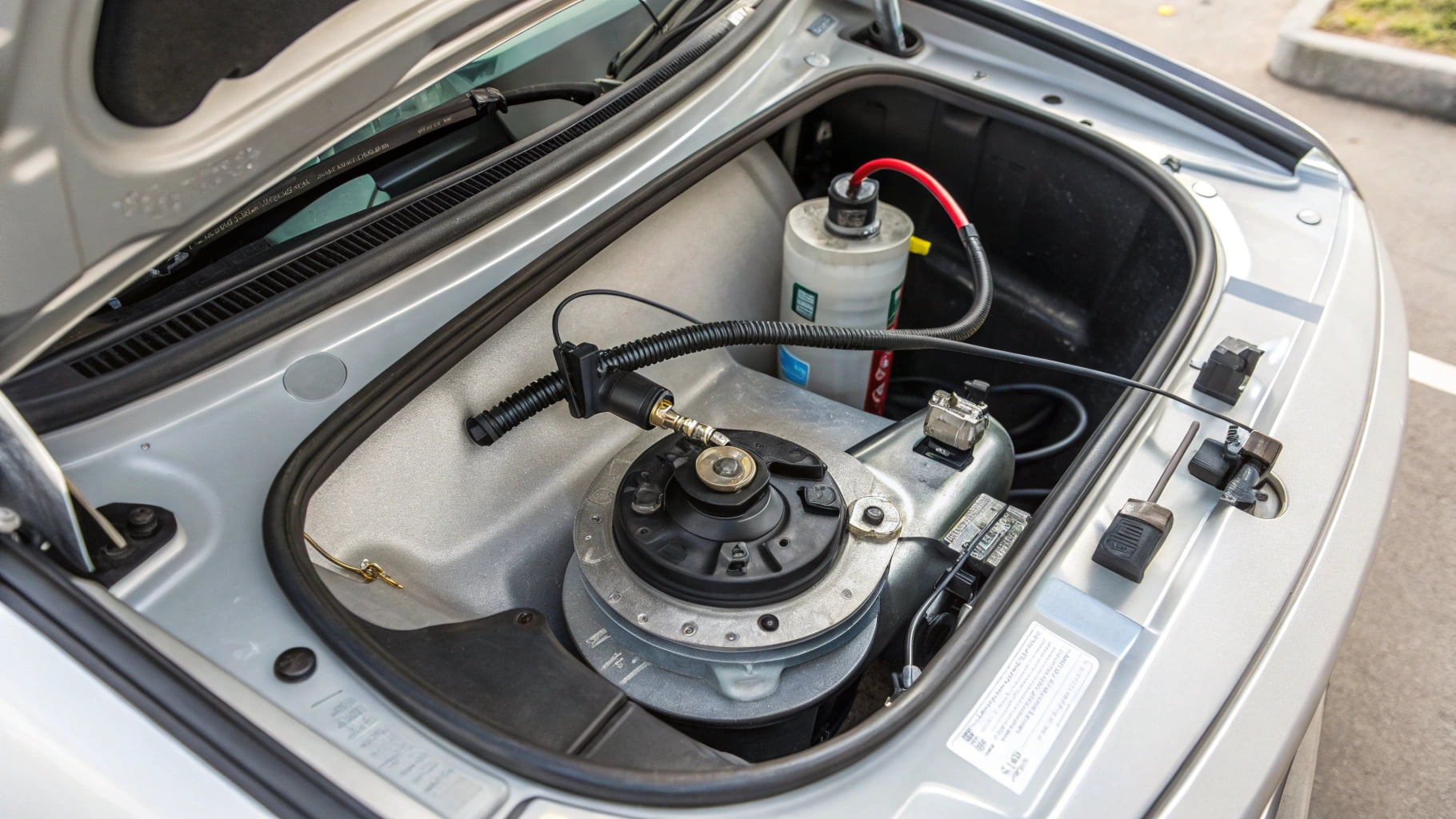
Once the fuel is on its way, the system's job is to ensure it arrives at the engine in the perfect condition—at the right pressure and free of contaminants. This part of the journey involves several more key components, each with a specific job. Think of it as a relay race. The fuel pump in the tank passes the baton to the fuel lines, which carry it forward to the next set of components waiting near the engine. Everything has to work perfectly in sequence. For example, a weak fuel pump will fail to deliver enough pressure, which means the fuel injectors won't be able to spray the right amount of fuel. This shows how every part, from the tank to the injector, is linked. Even the custom wiring harnesses that connect all these electronic parts are critical, and that’s another area where we provide complete OEM solutions.
From Fuel Line to Fire
This final stage is all about precision. The car’s computer, or ECU, makes split-second decisions to deliver the exact amount of fuel needed for clean and efficient power.
| Component | Function |
|---|---|
| Fuel Lines | Metal or reinforced rubber tubes that safely transport high-pressure fuel from the tank to the engine. |
| Fuel Filter | A secondary filter located outside the tank to catch any smaller particles the strainer might have missed. |
| Fuel Rail | A pipe that acts as a reservoir, holding pressurized fuel ready for the injectors. |
| Fuel Pressure Regulator | Manages pressure in the fuel rail. It sends any excess fuel back to the tank to maintain a constant pressure. |
| Fuel Injectors | Electronically controlled valves that spray a fine mist of fuel into the engine's intake ports or cylinders. |
Conclusion
The fuel tank is much more than a simple container. It's an engineered system that safely stores fuel and begins the critical process of delivering it to your engine.
"Fuel tank - Wikipedia", https://en.wikipedia.org/wiki/Fuel_tank. According to automotive engineering references, the fuel tank is the initial component in a vehicle's fuel system, designed to safely store fuel until it is needed by the engine. Evidence role: definition; source type: encyclopedia. Supports: A car fuel tank safely stores fuel and is the first part of the fuel system.. ↩
"Fuel pump - Wikipedia", https://en.wikipedia.org/wiki/Fuel_pump. Technical manuals and automotive guides state that modern fuel tanks often contain an in-tank fuel pump responsible for drawing fuel and sending it to the engine via fuel lines. Evidence role: mechanism; source type: encyclopedia. Supports: It houses the fuel pump, which draws gasoline or diesel and sends it through fuel lines to the engine.. Scope note: Some older vehicles may use external or mechanical pumps instead. ↩
"Fuel gauge - Wikipedia", https://en.wikipedia.org/wiki/Fuel_gauge. Automotive engineering sources confirm that fuel tanks are equipped with a sending unit or sensor to measure fuel level and relay this information to the dashboard gauge. Evidence role: mechanism; source type: encyclopedia. Supports: It also includes a sensor to measure the fuel level for your dashboard gauge.. ↩
"Fuel tank - Wikipedia", https://en.wikipedia.org/wiki/Fuel_tank. Engineering references describe the car fuel tank as a specially designed container intended to safely store volatile fuels such as gasoline or diesel. Evidence role: definition; source type: encyclopedia. Supports: A car fuel tank is a specially designed container that holds volatile fuel securely.. ↩
"Fuel Cell Venting 101: Prevent Leaks & EVAP Woes 🛢️ - YouTube", https://www.youtube.com/watch?v=wAIgV15owTw. Automotive safety and engineering literature note that fuel tanks are designed to prevent leaks, minimize evaporation, and maintain fuel delivery under various driving conditions. Evidence role: mechanism; source type: education. Supports: It is essential because it prevents dangerous leaks, stops fuel from evaporating, and ensures a steady supply of fuel to the engine, even when the car is moving or on a slope.. Scope note: Design effectiveness may vary by vehicle and regulatory standards. ↩
"Fuel tank - Wikipedia", https://en.wikipedia.org/wiki/Fuel_tank. Materials science and automotive sources report that modern car fuel tanks are commonly constructed from high-density polyethylene (HDPE) or steel for durability and safety. Evidence role: general_support; source type: encyclopedia. Supports: Usually made of High-Density Polyethylene (HDPE) or steel.. Scope note: Material choice may depend on vehicle type and manufacturer. ↩
"Fuel pump - Wikipedia", https://en.wikipedia.org/wiki/Fuel_pump. Automotive engineering sources indicate that most modern vehicles use an in-tank electric fuel pump that draws fuel through a strainer to supply the engine. Evidence role: mechanism; source type: encyclopedia. Supports: The fuel tank uses an in-tank electric fuel pump to draw fuel through a strainer.. Scope note: Some older or specialty vehicles may use different pump configurations. ↩
"Fuel pump - Wikipedia", https://en.wikipedia.org/wiki/Fuel_pump. Technical manuals confirm that the fuel pump's role is to pressurize fuel and deliver it to the engine via fuel lines. Evidence role: mechanism; source type: education. Supports: The pump pressurizes the fuel and pushes it into the fuel lines.. ↩
"Fuel line - Wikipedia", https://en.wikipedia.org/wiki/Fuel_line. Automotive engineering literature explains that after leaving the tank, pressurized fuel is transported through fuel lines to the engine bay for combustion. Evidence role: mechanism; source type: encyclopedia. Supports: After leaving the tank, pressurized fuel travels through fuel lines to the engine bay.. ↩
"Fuel injection - Wikipedia", https://en.wikipedia.org/wiki/Fuel_injection. Automotive engineering sources state that the fuel rail serves as a distribution channel for fuel to the injectors, which then atomize and deliver it to the engine's cylinders. Evidence role: mechanism; source type: encyclopedia. Supports: The fuel rail distributes fuel to the injectors, which spray it directly into the engine's cylinders for combustion.. Scope note: Some engines may use port injection rather than direct injection. ↩