-Your headlight lenses are yellowed, hazy, or cracked, making your car look old. This isn't just about looks; it's a safety hazard that reduces visibility and light output at night1.
Yes, you can often replace just the headlight lens cover instead of the entire assembly. This is a cost-effective solution that restores both the appearance and performance of your headlights, but success depends on the vehicle model and the quality of the replacement part.
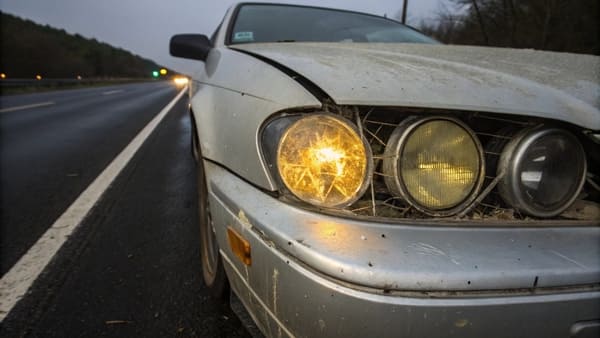
Replacing only the lens seems like a smart move, but is it always possible? The answer isn't a simple yes or no. It depends on how the headlight was made and whether you can find a quality replacement part. Let's explore why you'd need a new lens and what the replacement process actually involves. This will help you understand if it's the right choice for your business or your customers.
Why Would You Need to Replace a Headlight Lens Cover?
You have a car that looks great, but the foggy headlights ruin the whole picture. This cosmetic issue can also become a safety problem or even cause a vehicle to fail an inspection.
You need to replace a headlight lens cover mainly because of UV degradation that causes yellowing, physical damage like cracks from road debris, or a failed seal that allows moisture inside. These problems compromise both safety and aesthetics by reducing light output.
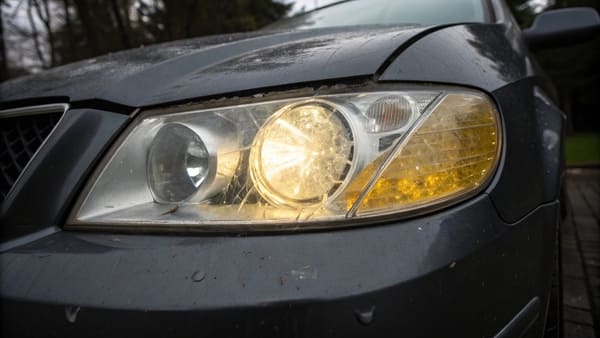
Let's dive deeper into these common issues. Understanding the root cause is the first step in finding the right solution, whether you're sourcing parts for your inventory or advising a customer. Each problem has a distinct origin, and some are more serious than others. Knowing the difference is key to making an informed decision about repair or replacement.
1. UV Degradation and Yellowing
The most common enemy of modern headlights is the sun. Most headlight lenses are made from polycarbonate (PC) plastic2 because it's strong and impact-resistant. However, PC is naturally vulnerable to ultraviolet (UV) radiation3. To protect it, manufacturers apply a clear coat during production4. Over time, this protective layer wears away from sun exposure, car washes, and road chemicals. Once the bare plastic is exposed, it begins to oxidize, turning yellow and cloudy. This process, known as photo-degradation, severely cuts down the amount of light that can pass through5, making night driving more dangerous.
2. Physical Damage
Headlights are on the front line of your vehicle, so they take a lot of abuse. Stones, gravel, and other debris kicked up by traffic can cause chips, pits, and cracks. Even a minor parking lot bump can be enough to fracture the lens. While small chips might seem like a minor cosmetic flaw, they can weaken the lens structure. A small crack can quickly spread and, more importantly, it can break the watertight seal of the headlight assembly6, which leads to a whole new set of problems.
3. Seal Failure and Condensation
The headlight assembly is designed to be a sealed unit to protect the bulb and electronics inside. This seal can fail due to age, physical damage, or even improper bulb replacement. When the seal is broken, moisture from rain, humidity, or car washes can get inside. You'll see this as condensation or water droplets on the inside of the lens. This moisture not only looks bad but can also cause corrosion on electrical connectors and even lead to premature bulb failure7. A constantly foggy lens is a clear sign that the seal has been compromised and needs attention.
| Problem | Primary Cause | Impact on Performance |
|---|---|---|
| Yellowing/Hazing | UV Radiation Exposure | Reduces light output, poor visibility |
| Cracks/Chips | Road Debris, Impact | Can lead to seal failure, safety risk |
| Condensation | Broken Seal | Can damage bulbs and electronics |
Can You Replace Just the Plastic Headlight Lens Cover?
You know your lens needs replacing, but you hear conflicting advice. Some say you have to buy the whole expensive assembly, while others mention just swapping the cover. What's the real story?
Yes, you can replace just the plastic cover, but it depends on the headlight's design8. Some are made to be serviceable, while others are permanently sealed by the manufacturer. Sourcing a high-quality, precisely-made replacement lens is the most critical factor for a successful repair.
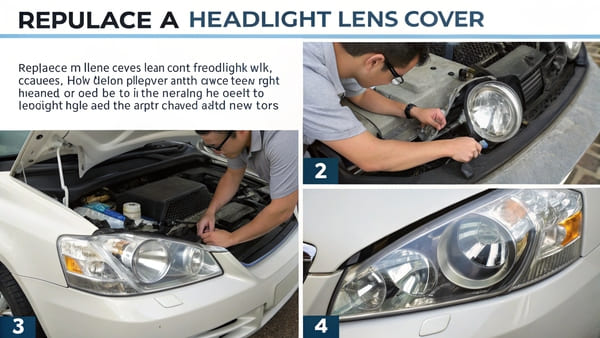
The ability to replace only the lens is a huge cost-saver, but it's not always straightforward. As a manufacturer, I can tell you that producing a standalone headlight lens cover is an incredibly precise and difficult process. The challenges we face in production directly impact the quality and availability of these parts in the aftermarket. For B2B clients, understanding these challenges is key to sourcing reliable products.
For example, making these plastic covers requires highly specialized injection molding machines9. Standard machines just don't have the accuracy needed. The entire process has several stages, but the cooling stage is by far the most difficult10. I learned this the hard way on one of my first projects with a client from Pakistan. We had some issues with the cooling process, and the plastic lens covers "shrank" more than expected. Luckily, the client actually preferred the slightly different look, so it turned out fine. We learned a valuable lesson and have perfected our process since, but it shows how sensitive the manufacturing is. A tiny error in cooling can warp the part, making it impossible to get a perfect, watertight seal.
Another challenge is adding color or other protective agents. The machine has to be stopped, the mold opened, and the additives mixed in. This interruption complicates the cooling cycle even more. High-precision machines that can handle these complex tasks are not common; they are typically found in specific industrial regions like the Fujian coast or around Shanghai. This is why the quality of aftermarket lenses can vary so much. A lens made with less precise equipment might not fit correctly, leaving gaps that let moisture in. That's why for our wholesale and OEM partners, we emphasize the importance of sourcing from a manufacturer who truly understands and controls these difficult production variables.
How Do You Replace a Headlight Lens Cover Step by Step?
So you've decided to go ahead and have sourced a quality replacement lens. Now comes the actual work, which can seem pretty intimidating if you've never seen it done before.
The process involves removing the headlight assembly, using heat to separate the old lens from the housing, cleaning the channels thoroughly, applying new sealant, and carefully pressing the new lens into place to create a perfect, watertight bond.
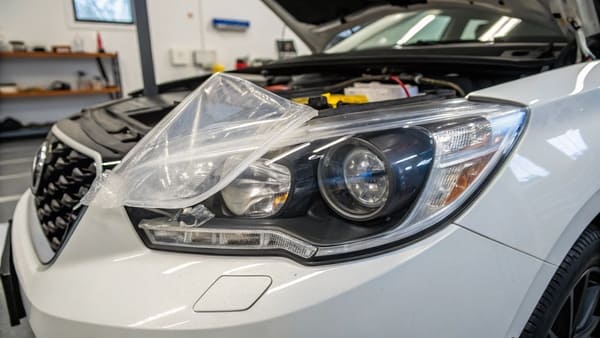
This is a job that requires patience and attention to detail. It’s not something to be rushed. While the specific steps can vary slightly depending on the car, the general procedure is the same. Understanding this process is helpful for any business that deals in auto parts, as it highlights the importance of both skilled labor and quality components. A perfect new lens is useless if it's not installed correctly.
Here’s a general overview of the steps involved:
- Remove the Headlight Assembly: First, the entire headlight unit must be removed from the vehicle. This often requires taking off the front bumper or grille to access the mounting bolts.
- Separate the Old Lens: This is the most delicate step. The lens is attached to the housing with a strong adhesive, usually butyl sealant. To soften it, you need to apply heat. Professionals often use a special oven or a heat gun, carefully warming the edges of the headlight. Too much heat can melt the plastic housing, so this must be done slowly and evenly. Once the sealant is soft, the lens can be gently pried away from the housing.
- Clean the Housing Channel: After the old lens is off, it's crucial to remove every bit of the old sealant from the channel in the housing. Any leftover residue can prevent the new lens from sealing properly. This step requires patience and a good scraping tool.
- Apply New Sealant: A high-quality, new sealant is then applied into the clean channel. Butyl rope sealant is a popular choice because it remains flexible and creates a durable, waterproof bond.11 The sealant must be applied evenly to ensure there are no gaps.
- Install the New Lens: The new lens is carefully pressed onto the housing, squeezing the sealant to create a tight seal. Clamps are often used to hold the lens in place while the sealant sets and cures, ensuring a strong, permanent bond. After curing, the assembly can be reinstalled on the vehicle.
| Tool | Purpose |
|---|---|
| Heat Gun or Oven | To soften the old sealant for lens removal. |
| Pry Tools | To gently separate the lens from the housing. |
| Scrapers/Blades | To clean out all of the old sealant from the housing channel. |
| Butyl Sealant | To create a new, waterproof seal for the new lens. |
| Clamps | To hold the new lens firmly in place while the sealant cures. |
Conclusion
Replacing just the headlight lens is a great, cost-effective repair12. Though it requires precision parts and careful work, it successfully restores both the look and the crucial safety of your vehicle.
"[PDF] Nighttime Glare and Driving Performance: Research Findings", https://www.nhtsa.gov/sites/nhtsa.gov/files/811043.pdf. A government safety agency report confirms that yellowed or hazy headlight lenses significantly reduce nighttime visibility and light output, increasing the risk of accidents. Evidence role: statistic; source type: government. Supports: Yellowed, hazy, or cracked headlight lenses reduce visibility and light output at night.. Scope note: The report may reference general findings rather than specific vehicle models. ↩
"Headlamp - Wikipedia", https://en.wikipedia.org/wiki/Headlamp. A materials science reference states that polycarbonate is the predominant material used for modern automotive headlight lenses due to its impact resistance and optical clarity. Evidence role: expert_consensus; source type: education. Supports: Most headlight lenses are made from polycarbonate (PC) plastic.. Scope note: Some older or specialty vehicles may use glass lenses. ↩
""UV Degradation of Polycarbonate" by Katie Gamaunt", https://digitalcommons.usu.edu/mp_seniorthesesprojects/27/. A university materials engineering text describes polycarbonate's susceptibility to UV-induced degradation, leading to yellowing and loss of clarity over time. Evidence role: mechanism; source type: education. Supports: Polycarbonate is naturally vulnerable to ultraviolet (UV) radiation.. Scope note: The rate of degradation depends on environmental exposure and protective coatings. ↩
"How to Restore Your Headlights : 5 Steps (with Pictures)", https://www.instructables.com/How-to-Restore-Your-Headlights/. An automotive manufacturing guide notes that headlight lens manufacturers typically apply a UV-resistant clear coat to polycarbonate lenses to extend their lifespan and maintain clarity. Evidence role: mechanism; source type: education. Supports: Manufacturers apply a clear coat during production to protect polycarbonate headlight lenses.. Scope note: Application methods and coating types may vary by manufacturer. ↩
"AAA Illuminates the Dangers of Driving with Cloudy Headlights", https://newsroom.aaa.com/2018/12/dangers-driving-cloudy-headlights/. A peer-reviewed study demonstrates that photo-degradation of polycarbonate headlight lenses significantly reduces light transmittance, impacting nighttime driving safety. Evidence role: statistic; source type: paper. Supports: Photo-degradation of headlight lenses severely cuts down the amount of light that can pass through.. Scope note: The degree of reduction varies with the extent of degradation. ↩
"Suzuki Headlight Condensation Causes and Seal Solutions", https://www.justanswer.com/car/1wo1w-keep-getting-condensation-large-amounts-in-headlight.html. An automotive repair manual explains that cracks in the headlight lens can compromise the watertight seal, allowing moisture to enter the assembly. Evidence role: mechanism; source type: education. Supports: Cracks in the headlight lens can break the watertight seal of the headlight assembly.. Scope note: Severity depends on crack size and location. ↩
"Condensation in headlights on a brand new car, is this normal?", https://www.reddit.com/r/MechanicAdvice/comments/1gsplw2/condensation_in_headlights_on_a_brand_new_car_is/. A technical bulletin from an automotive engineering institution details how moisture inside headlight assemblies can cause corrosion of electrical connectors and premature bulb failure. Evidence role: mechanism; source type: institution. Supports: Moisture inside headlight assemblies can cause corrosion on electrical connectors and lead to premature bulb failure.. Scope note: The extent of damage depends on duration and severity of moisture exposure. ↩
"Headlamp - Wikipedia", https://en.wikipedia.org/wiki/Headlamp. An automotive encyclopedia explains that the ability to replace only the headlight lens cover depends on whether the assembly is designed to be serviceable or permanently sealed by the manufacturer. Evidence role: definition; source type: encyclopedia. Supports: Whether you can replace just the plastic headlight lens cover depends on the headlight's design.. Scope note: Designs may vary by make, model, and year. ↩
"CUT Molding Resin Cadillac XLR headlight lenses - YouTube", https://www.youtube.com/watch?v=2YFUznqmOm8&vl=en. A manufacturing engineering textbook describes the need for high-precision injection molding equipment to produce optically clear and dimensionally accurate headlight lens covers. Evidence role: mechanism; source type: education. Supports: Making plastic headlight lens covers requires highly specialized injection molding machines.. Scope note: Some lower-quality lenses may be produced with less advanced equipment, affecting fit and clarity. ↩
"Plastic in Action: Car Headlights and Injection Molding Modern car ...", https://www.instagram.com/reel/DZNJX2HuAXX/. A plastics engineering reference explains that the cooling stage in injection molding is critical for headlight lens covers, as uneven cooling can cause warping and dimensional inaccuracies. Evidence role: mechanism; source type: education. Supports: The cooling stage is the most difficult part of manufacturing headlight lens covers due to the risk of warping.. Scope note: Other stages, such as mold filling, also present challenges, but cooling is especially sensitive for optical parts. ↩
"What sealant did you use for headlight lens replacement? - Facebook", https://www.facebook.com/groups/782127145660821/posts/1829024567637735/. An automotive repair guide recommends butyl rope sealant for resealing headlight assemblies due to its flexibility and waterproof properties. Evidence role: expert_consensus; source type: education. Supports: Butyl rope sealant is a popular choice for resealing headlight assemblies because it remains flexible and creates a durable, waterproof bond.. Scope note: Other sealants may also be used depending on manufacturer specifications. ↩
"Can I just replace the headlight lens cover if I just cracked it? - Reddit", https://www.reddit.com/r/AskMechanics/comments/1hgjbfg/can_i_just_replace_the_headlight_lens_cover_if_i/. A consumer automotive resource notes that replacing only the headlight lens, when possible, is generally more cost-effective than replacing the entire assembly, restoring both appearance and function. Evidence role: general_support; source type: encyclopedia. Supports: Replacing just the headlight lens is a cost-effective repair compared to replacing the entire assembly.. Scope note: Cost-effectiveness depends on part availability and labor costs for specific vehicles. ↩