-Your car's inner fender liner is broken or missing. You wonder if it's really necessary. Ignoring it could lead to much bigger, more expensive problems down the road.
Yes, you can physically drive a car without an inner fender liner, but it is a very bad idea. Doing so exposes your engine bay, wiring, and structural components to water, dirt, rocks, and road salt, which can cause serious damage and costly repairs over time.1
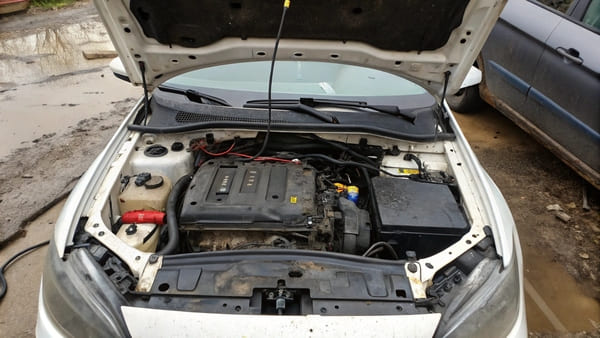
You might see that plastic shield inside your wheel well and think it's just a minor part. But it plays a huge role in protecting some of your car's most important systems. I've been manufacturing these parts for years, and I've seen firsthand what happens when they are ignored. Let's talk about why this simple piece of plastic is so critical for your vehicle's health and longevity.
What Is an Inner Fender Liner?
Confused about that black plastic piece in your wheel well? You're not alone. Many people don't know what it is or what it does until it's broken.
An inner fender liner is a plastic or composite shield installed inside the wheel arch of your vehicle.%%%FOOTNOTE_REF2%%% [Its main job is to protect the engine bay and other under-the-hood components from all the dirt, water, and debris that your tires kick up from the road.](https://en.wikipedia.org/wiki/Fender(vehicle))3
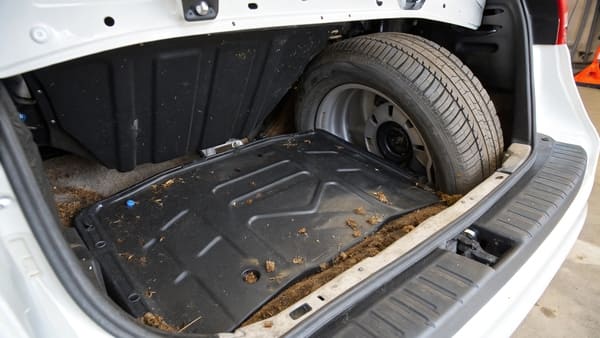
As a manufacturer, I know these liners are designed for more than just keeping things clean. They are a crucial protective barrier.4 Without them, your car's engine compartment is wide open to the harsh environment of the road. This part serves several key functions that are vital for the health and performance of your vehicle. It's the first line of defense against things that can cause real, expensive damage. Thinking of it as just a "splash guard" is a big understatement.5 It's an essential piece of your car's armor.
Here is a breakdown of its main jobs:
| Function | Description | Why It Matters |
|---|---|---|
| Debris Protection | Blocks rocks, sand, and other road debris from hitting engine parts. | Prevents damage to belts, pulleys, and sensitive sensors. |
| Water & Salt Shield | Prevents water, mud, and corrosive road salt from splashing into the engine bay. | Protects electrical wiring and metal components from rust and short circuits. |
| Aerodynamics | Smooths the airflow around the wheels.6 | Can help improve fuel efficiency and high-speed stability slightly.7 |
| Noise Reduction | Dampens the sound of tires on the road and debris hitting the undercarriage.8 | Contributes to a quieter and more comfortable ride inside the cabin. |
Is an Inner Fender the Same as a Fender Liner or Wheel Well Liner?
You hear different names for the same part and it gets confusing. Are you looking for a fender liner, an inner fender, or a wheel well liner? It's frustrating.
Yes, for the most part, these terms all refer to the same thing. "Inner fender," "fender liner," and "wheel well liner" are used interchangeably to describe the plastic shield that lines the inside of your car's wheel arches.9 Different brands or regions might prefer one term over another.
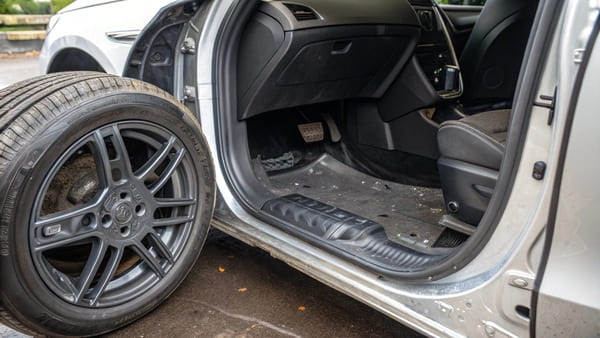
The terminology can be tricky, but mechanics and parts suppliers will usually know what you mean regardless of which name you use. In our factory, we just call them fender liners, but we get orders for "wheel well shields" and "inner fenders" all the time. The important thing is its function. Making these parts is actually a very precise job. Standard injection molding machines often can't meet the required accuracy.10 The process has several steps, and the cooling stage is the most difficult. We had a tough time with this on an early project with a client from Pakistan. The plastic parts would shrink too much after cooling. Luckily, the client ended up preferring the slightly smaller, tighter fit. We learned a lot and haven't made that mistake since. Even adding color is complex, as the machine must be stopped and the mold opened, which messes with the cooling process.
| Common Term | Is It the Same Part? | Notes |
|---|---|---|
| Inner Fender Liner | Yes | A very common and descriptive term. |
| Fender Liner | Yes | A shortened, popular version of the term. |
| Wheel Well Liner | Yes | Describes the location of the part perfectly. |
| Splash Shield | Yes | Focuses on its function of blocking water and mud. |
Can You Drive Without an Inner Fender Liner?
Your liner is gone, and replacing it costs money. You might think you can save a few bucks by just driving without it. But this choice could lead to much costlier repairs.
Driving without an inner fender liner is a significant risk.11 It leaves critical components completely exposed. Every puddle you drive through, every gravel road, every winter storm becomes a direct threat to your engine, electrical system, and the vehicle's frame. It’s not worth the risk.
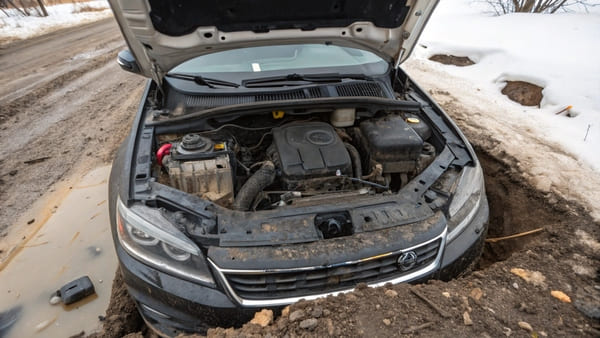
When you drive without this protective shield, you are inviting trouble. The tires are constantly kicking up rocks, water, salt, and grime directly into areas that were never designed to be exposed. I've seen the results, and it's not pretty. A small rock can shred a serpentine belt, leaving you stranded. Water and salt can corrode electrical connectors, causing systems to fail one by one. Over time, the moisture will cause the metal in the unibody and frame to rust from the inside out, causing structural damage that is incredibly expensive to fix.12 The cost of replacing a fender liner, which is a relatively cheap part, is nothing compared to the cost of replacing an engine computer, a full wiring harness, or repairing major rust damage. It's a simple calculation: spend a little now to replace the liner, or risk spending a lot more later.
Here’s a look at the specific components at risk:
| Exposed Component | Potential Damage | Consequence |
|---|---|---|
| Engine Belts & Pulleys | Rocks and debris can cause nicks, cuts, or cause the belt to slip off. | Loss of power steering, alternator function, or engine cooling. Can leave you stranded. |
| Electrical Wiring & Sensors | Water and salt cause corrosion on connectors and wires. Debris can cut wires. | Check engine lights, malfunctioning electronics, short circuits, or complete system failure. |
| Chassis & Frame | Constant exposure to moisture and salt accelerates rust and corrosion. | Weakens the vehicle's structure, fails safety inspections, and is very costly to repair. |
| Paint & Body Panels | Debris can chip away paint from the inside, leading to rust on the fender itself. | Cosmetic damage that lowers the vehicle's value and can spread. |
Conclusion
Driving without an inner fender liner is not worth the risk. Replace it as soon as possible to protect your vehicle from serious, long-term damage and expensive future repairs.
"How bad is it to drive around without a fender liner? : r/Cartalk - Reddit", https://www.reddit.com/r/Cartalk/comments/17tljoj/how_bad_is_it_to_drive_around_without_a_fender/. Automotive engineering sources describe that the absence of an inner fender liner allows water, debris, and road salt to reach sensitive engine bay and structural components, increasing the risk of corrosion and mechanical failure over time. Evidence role: mechanism; source type: education. Supports: Driving without an inner fender liner exposes engine bay, wiring, and structural components to water, dirt, rocks, and road salt, causing serious damage and costly repairs over time.. Scope note: While general risk is established, the extent of damage may vary by vehicle design and driving conditions. ↩
"Fender (vehicle) - Wikipedia", https://en.wikipedia.org/wiki/Fender_(vehicle). Automotive encyclopedias and repair manuals define an inner fender liner as a plastic or composite shield installed inside the wheel arch to protect vehicle components from debris and moisture. Evidence role: definition; source type: encyclopedia. Supports: An inner fender liner is a plastic or composite shield installed inside the wheel arch of a vehicle.. ↩
"Fender (vehicle) - Wikipedia", https://en.wikipedia.org/wiki/Fender_(vehicle). Automotive repair guides and manufacturer documentation state that the primary function of an inner fender liner is to shield the engine bay and under-hood components from road debris, water, and dirt. Evidence role: mechanism; source type: education. Supports: The main job of an inner fender liner is to protect the engine bay and under-hood components from dirt, water, and debris kicked up by the tires.. Scope note: Some vehicles may have additional protective features, but the liner is a primary barrier. ↩
"How bad is it to drive around without a fender liner? : r/Cartalk - Reddit", https://www.reddit.com/r/Cartalk/comments/17tljoj/how_bad_is_it_to_drive_around_without_a_fender/. Automotive engineering literature emphasizes that fender liners serve as a crucial barrier against environmental hazards, reducing the risk of damage to critical vehicle systems. Evidence role: expert_consensus; source type: education. Supports: Fender liners are a crucial protective barrier for vehicle components.. Scope note: The degree of protection may depend on vehicle design and usage conditions. ↩
"Parts N Go: Fender Liners & Splash Guards - Amazon.com", https://www.amazon.com/stores/PartsNGo/page/7699B2A1-C1D8-44DF-9280-18EFA05F88AE. Automotive repair sources note that while fender liners are sometimes called splash guards, they serve broader protective and aerodynamic functions beyond merely blocking water. Evidence role: definition; source type: education. Supports: Calling a fender liner just a 'splash guard' understates its broader protective functions.. Scope note: Some sources may use the terms interchangeably, but technical literature distinguishes their roles. ↩
"Front fender well and liner affect on lift?| Aerodynamics forum |", https://grassrootsmotorsports.com/forum/aerodynamics-presented-nine-lives-racing/front-fender-well-and-liner-affect-on-lift/260880/page1/. Automotive engineering research indicates that fender liners can contribute to improved aerodynamics by smoothing airflow around the wheel wells, which may have minor effects on drag and efficiency. Evidence role: mechanism; source type: research. Supports: Fender liners help smooth airflow around the wheels, contributing to vehicle aerodynamics.. Scope note: The aerodynamic benefit is typically modest and varies by vehicle design. ↩
"How bad is it to drive around without a fender liner? : r/Cartalk - Reddit", https://www.reddit.com/r/Cartalk/comments/17tljoj/how_bad_is_it_to_drive_around_without_a_fender/. Some automotive research suggests that wheel well liners may provide slight improvements in fuel efficiency and high-speed stability by reducing aerodynamic drag, though the effect is generally small. Evidence role: mechanism; source type: research. Supports: Fender liners can help improve fuel efficiency and high-speed stability slightly by affecting aerodynamics.. Scope note: Improvements are typically minor and may not be noticeable in all vehicles. ↩
"Reduce Tire & Road Noise With Wheel Well Sound Deadening", https://resonixsoundsolutions.com/blogs/resources/reduce-road-tire-noise-with-wheel-well-sound-deadening-treatments?srsltid=AfmBOoov0AB-wP5hROfKG-bMpLkhH5CU6cRFuuinTChE_oJ-YQG28-ct. Automotive noise control literature notes that fender liners can reduce road and debris noise transmitted into the cabin by acting as a sound barrier. Evidence role: mechanism; source type: research. Supports: Fender liners dampen the sound of tires on the road and debris hitting the undercarriage.. Scope note: Noise reduction effectiveness depends on liner material and vehicle design. ↩
"Fender (vehicle) - Wikipedia", https://en.wikipedia.org/wiki/Fender_(vehicle). Automotive encyclopedias and parts catalogs confirm that 'inner fender,' 'fender liner,' and 'wheel well liner' are commonly used interchangeably to refer to the same protective component inside the wheel arch. Evidence role: definition; source type: encyclopedia. Supports: 'Inner fender,' 'fender liner,' and 'wheel well liner' are interchangeable terms for the same part.. Scope note: Regional and manufacturer terminology may vary slightly. ↩
"Advanced Injection Molding Methods: Review - PMC", https://pmc.ncbi.nlm.nih.gov/articles/PMC10489002/. Manufacturing engineering sources explain that producing automotive fender liners may require specialized injection molding equipment to achieve the necessary dimensional accuracy and fit. Evidence role: mechanism; source type: education. Supports: Standard injection molding machines often cannot meet the accuracy required for fender liner production.. Scope note: Some modern machines can meet requirements, but challenges remain for complex shapes. ↩
"How bad is it to drive around without a fender liner? : r/Cartalk - Reddit", https://www.reddit.com/r/Cartalk/comments/17tljoj/how_bad_is_it_to_drive_around_without_a_fender/. Automotive maintenance guides and repair experts warn that operating a vehicle without an inner fender liner increases the risk of damage to engine, electrical, and structural components due to exposure to debris and moisture. Evidence role: expert_consensus; source type: education. Supports: Driving without an inner fender liner is a significant risk to vehicle components.. Scope note: The level of risk depends on driving environment and vehicle design. ↩
"How bad is it to drive around without a fender liner? : r/Cartalk - Reddit", https://www.reddit.com/r/Cartalk/comments/17tljoj/how_bad_is_it_to_drive_around_without_a_fender/. Automotive corrosion research and repair manuals indicate that prolonged exposure to moisture and road salt can accelerate rust formation in the unibody and frame, potentially leading to costly structural damage. Evidence role: mechanism; source type: research. Supports: Moisture exposure from missing fender liners can cause rust in the unibody and frame, leading to expensive structural damage.. Scope note: The rate and severity of rust depend on climate, road conditions, and vehicle maintenance. ↩