Your car's AC is blowing warm air, and you're dreading the repair bill. But how long should a compressor even last? Let's find out what you should expect.
An automotive air conditioning compressor typically lasts between 8 to 12 years, or roughly 100,000 to 150,000 miles. However, this is just an average. The actual lifespan depends heavily on usage, climate, maintenance, and the manufacturing quality of the compressor and its components.
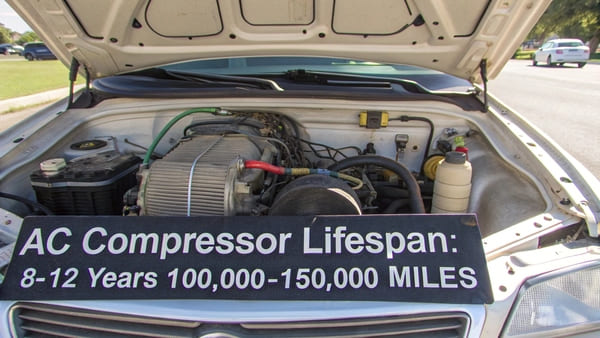
The AC compressor is the heart of your car's cooling system. It works hard, and when it fails, your comfortable ride comes to an end. Understanding its lifespan helps you know whether a replacement is reasonable or if something caused it to fail prematurely. We'll break down the average lifespan, what "normal use" really means, and the specific factors that can send a compressor to an early grave. As a parts manufacturer, I've seen exactly what makes them fail and what makes them last.
What Is the Average Lifespan of an Aircon Compressor?
You hear conflicting numbers about compressor lifespan, making it hard to know if a mechanic is being honest. Here's the straight answer on its average life expectancy.
The average lifespan of a car aircon compressor is generally cited as 8 to 12 years. This timeframe assumes regular vehicle use and that the AC system receives periodic maintenance. Many owners unfortunately overlook this, leading to a much shorter service life for the compressor.
Think of the 8-12 year figure as a benchmark, not a guarantee. The two biggest variables are time and mileage. A car that sits in a garage most of its life might have its compressor seals dry out and fail from lack of use. On the other hand, a high-mileage vehicle used for ridesharing in a hot climate puts constant strain on the compressor, wearing it out faster. The quality of the part itself is also a huge factor. Original Equipment Manufacturer (OEM) parts are built to last, while the quality of aftermarket parts can vary wildly. A cheap, budget compressor might only last a few years before failing, while a high-quality aftermarket unit can perform just as well as an OEM part.
Here’s a simple breakdown of what to expect based on part quality:
| Compressor Type | Average Lifespan | Key Considerations |
|---|---|---|
| OEM (Original) | 10-15 years | Designed specifically for your vehicle with high-quality materials. |
| High-Quality Aftermarket | 8-12 years | A reliable alternative, but quality varies by brand. Do your research. |
| Budget Aftermarket | 3-7 years | Often uses lower-grade materials and has looser manufacturing tolerances. |
How Many Years Should an Aircon Compressor Last Under Normal Use?
"Normal use" is a vague term, and what's normal for one driver is extreme for another. Let's define what normal use means for your compressor's health and longevity.
Under what most mechanics consider "normal use," a well-made aircon compressor should reliably last for at least 8-10 years. This includes running the AC system regularly throughout the year, performing system checks every couple of years, and addressing minor issues like strange noises promptly.
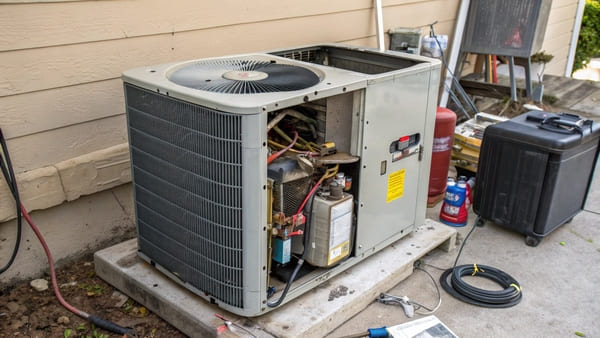
"Normal use" really means proactive use. Many people think they are saving their AC by only using it on the hottest days. This is actually harmful. The refrigerant in your AC system contains oil that lubricates the compressor's internal parts and keeps its seals from drying out and cracking. Not running the system allows the seals to dry, which can cause refrigerant leaks. A good rule of thumb is to run your AC (or the defroster, which also engages the compressor) for about 10-15 minutes every few weeks, even in the winter.
The quality of every single component also defines how it holds up under normal use. I learned this lesson early in my career. We were manufacturing plastic housings for AC compressors for a client in Pakistan. The precision required for these plastic parts is incredibly high. After injection molding, the cooling process is the most difficult stage. On our first run, the parts "shrank" a little more than expected after cooling. I was worried we had failed, but the client ended up loving the result! He said the slightly tighter fit was perfect. We got lucky, but it taught me that even the plastic shell is a critical, high-precision component that affects durability and performance.
What Factors Affect an Aircon Compressor's Lifespan?
Your last compressor may have died way too early, and you want to avoid making the same mistakes again. Here are the key factors that can destroy a compressor prematurely.
The most common factors that shorten a compressor's life are refrigerant leaks, internal system contamination, and poor component quality. A loss of refrigerant also means a loss of lubricating oil, which causes the compressor to overheat and seize from friction. The quality of individual parts is also crucial.
As a manufacturer, I can tell you that quality goes much deeper than most people think. For example, making the plastic outer housings for compressors is extremely difficult. You need high-precision injection molding machines, and even then, there's a complex three-step process. The cooling stage is the hardest part. If it's not done perfectly, the part can warp or shrink incorrectly, compromising the whole unit. We've found that factories in coastal areas like Fujian and near Shanghai have the machinery and expertise to get this right. It's a level of precision that's hard to find elsewhere. Even something as simple as adding color to the plastic can cause issues. To add color powder, you have to open the mold, which disrupts the delicate cooling process. These small manufacturing details have a huge impact on whether a part lasts 3 years or 15 years.
Here are the main culprits behind early compressor failure:
| Factor | Impact on Lifespan | How to Prevent It |
|---|---|---|
| Low Refrigerant/Oil | Severe. The #1 killer. Leads to no lubrication and overheating. | Have your AC system checked for leaks every 2-3 years. |
| System Contamination | Catastrophic. Debris from an old failure will kill a new compressor. | Always insist on a full system flush and replacement of the receiver/drier when installing a new compressor. |
| Lack of Use | Moderate. Seals can dry out, causing leaks. | Run the AC or defroster for 10-15 minutes every few weeks, year-round. |
| Poor Component Quality | High. From internal bearings to the outer housing, cheap parts fail. | Choose OEM or reputable, certified aftermarket suppliers for all AC components. Don't just focus on the compressor itself. |
| Bad Installation | High. An improper vacuum or incorrect charge can cause immediate failure. | Use a certified and experienced mechanic who specializes in AC work. |
Conclusion
An AC compressor can last over a decade with proper care. Pay attention to regular maintenance, correct refrigerant levels, and part quality to ensure a long and cool service life.