-Your inner fender is cracked or missing, but your car still runs. You wonder if it's a big deal, but ignoring it could lead to expensive, hidden damage to your engine and electrical systems.
Yes, you can technically drive without an inner fender, but it is not recommended for any length of time. Driving without it exposes your engine bay, wiring, and other critical components to water, dirt, rocks, and road salt, which can lead to costly damage and safety hazards.1
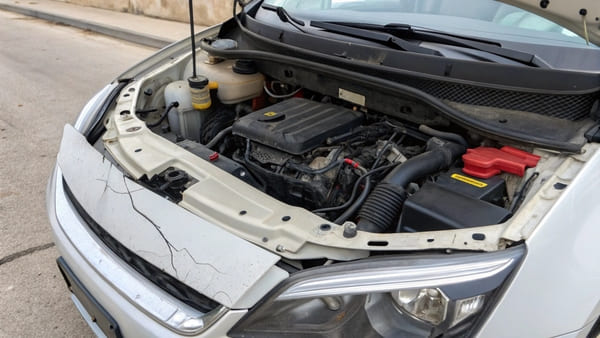
You might look at that plastic shield in your wheel well and think it's just a minor part. I've had customers ask me if it's really necessary, especially after a small accident breaks it. But that simple piece of plastic does a very important job. To really understand the risks, we need to look at what happens when it's not there to protect your car. Let's break down exactly what could go wrong.
Can You Drive Without an Inner Fender?
Your inner fender liner is gone, and now you hear every little rock hitting the underside of your car. You hope it's not hitting anything important, but you can't be sure what's happening in there.
While the car will still move, it's a bad idea. Driving without the liner is like walking in a storm without a raincoat. You might be okay for a minute, but soon, you'll be soaked and miserable. It exposes critical parts to damage that can be expensive to fix.
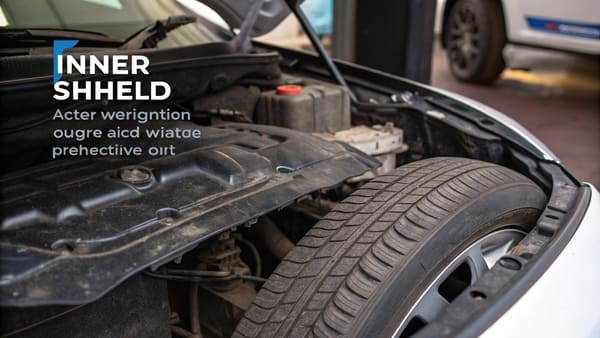
Let's dive deeper into what happens in different situations. The risk isn't the same every day. If you're driving on a perfectly dry, clean highway, the immediate danger is lower. But how often is that the case? The moment you hit a puddle, a patch of gravel, or a road treated with salt in the winter, you're rolling the dice. Water can splash onto sensitive electronics, causing short circuits.2 Rocks can get kicked up by the tires and hit belts, pulleys, or even brake lines.3 Over time, the constant exposure to moisture and dirt will cause rust and corrosion on the chassis and engine components4, which is a much bigger problem than just replacing a plastic liner. I always tell people it's a cheap part that protects very expensive ones.
| Driving Condition | Risk Level Without Inner Fender | Potential Damage |
|---|---|---|
| Dry, Clean Road | Low | Minimal immediate risk, but dust and small debris still enter the engine bay. |
| Wet/Rainy Road | High | Water splashes on electrical wiring, sensors, and the engine block, risking shorts and corrosion. |
| Gravel/Dirty Road | High | Rocks and debris can hit and damage belts, pulleys, and other moving parts. |
| Winter/Salted Road | Very High | Salt and corrosive slush spray directly onto the chassis and components, accelerating rust severely. |
What Does an Inner Fender Actually Do?
You see that thin piece of plastic in the wheel well and think it's useless. You might even be tempted to remove a broken one and not replace it, thinking you're saving a few bucks.
That "useless" plastic is your engine bay's first line of defense. It's a carefully designed shield that protects thousands of dollars worth of components from constant attack by water, rocks, and dirt. Its job is far more important than its simple appearance suggests.
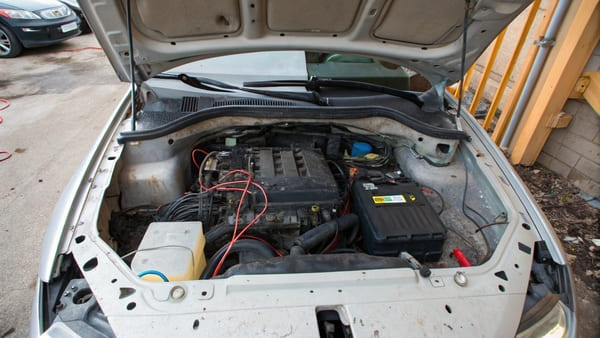
From my experience in manufacturing auto parts, I can tell you that a lot of engineering goes into these liners. They aren't just flat pieces of plastic. Their primary job is to act as a barrier. Think about everything your tires kick up from the road: water, mud, salt, gravel, and other debris. Without the liner, all of that gets blasted directly into your engine bay.5 This can cause a whole host of problems. It also plays a role in aerodynamics. The smooth surface helps guide air around the wheel well, which can slightly improve fuel economy and reduce wind noise.6 Speaking of noise, it also dampens the sound of your tires on the road and small rocks hitting the underside of your car, making for a quieter ride.7 It's a multi-purpose part that does a lot of work behind the scenes.
Key Functions of an Inner Fender Liner
- Protection: Shields critical components from debris.
- Aerodynamics: Helps manage airflow for better efficiency.
- Noise Reduction: Dampens road and tire noise.
Is It Safe to Drive Without an Inner Fender Liner?
Your car seems to drive fine without the liner, so you put off replacing it. But you're worried that a sudden puddle or a stretch of bad road could cause a serious, and dangerous, failure.
Driving without an inner fender liner is not safe in the long run. It creates a direct risk to your car's electrical systems, engine components, and even the structural frame.8 A simple splash of water in the wrong place could stall your engine or cause a short circuit.9
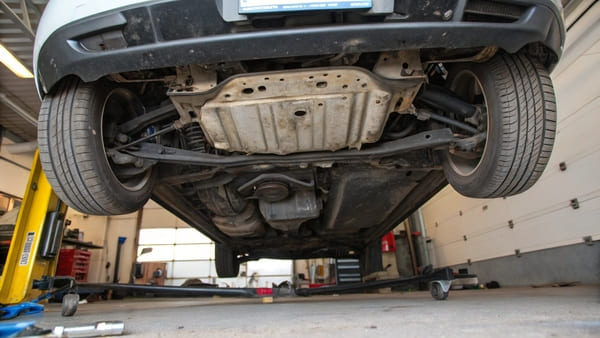
This topic reminds me of one of my first big OEM projects. A client from Pakistan needed a large batch of inner fender liners. Honestly, making these parts is incredibly difficult. You need very precise injection molding machines, the kind you usually only find in specialized factories. The hardest part is the cooling process. If you don't cool the plastic perfectly, it can warp or shrink. On that first project, we were still learning. After we made the parts, they "shrank" a little more than the spec sheet called for. I was so worried we had failed. But when the client saw them, he was actually happier! The slightly smaller size ended up being a perfect fit for his specific car model. It was a lucky break, but it taught me a valuable lesson: the shape and fit of that liner are critical. If it's not there, or if it's a poor fit, it can't do its job.10 That job includes protecting brake lines from debris and preventing water from hitting the alternator or ECU.11 A failure in any of those systems isn't just an expensive repair; it's a serious safety risk.
Conclusion
In short, replacing a missing or damaged inner fender is a small investment that protects you from major repair bills and keeps your car running safely for years to come.12
"Fender (vehicle) - Wikipedia", https://en.wikipedia.org/wiki/Fender_(vehicle). Automotive engineering sources confirm that inner fender liners are designed to shield the engine bay and electrical components from environmental hazards such as water, dirt, rocks, and road salt, which can cause damage and safety issues. Evidence role: mechanism; source type: education. Supports: Driving without it exposes your engine bay, wiring, and other critical components to water, dirt, rocks, and road salt, which can lead to costly damage and safety hazards.. Scope note: Most sources discuss general risks rather than specific case studies. ↩
"What are the risks associated with water damage to a car's ... - Quora", https://www.quora.com/What-are-the-risks-associated-with-water-damage-to-a-cars-electronics. Automotive repair manuals and technical guides note that water intrusion into the engine bay can cause short circuits in electronic components, especially when protective barriers like fender liners are missing. Evidence role: mechanism; source type: education. Supports: Water can splash onto sensitive electronics, causing short circuits.. Scope note: Evidence is based on general automotive design principles, not specific incident reports. ↩
"How bad is it to drive around without a fender liner? - Reddit", https://www.reddit.com/r/Cartalk/comments/17tljoj/how_bad_is_it_to_drive_around_without_a_fender/. Automotive safety literature explains that fender liners prevent rocks and debris from striking belts, pulleys, and brake lines, reducing the risk of mechanical damage. Evidence role: mechanism; source type: education. Supports: Rocks can get kicked up by the tires and hit belts, pulleys, or even brake lines.. Scope note: Most sources discuss the general protective function rather than specific damage statistics. ↩
"How to protect a vehicle from moisture and rust? - Facebook", https://www.facebook.com/groups/447855715738778/posts/1815450218979314/. Corrosion engineering sources confirm that exposure to moisture and dirt accelerates rust formation on automotive chassis and engine components, especially when protective barriers are absent. Evidence role: mechanism; source type: education. Supports: constant exposure to moisture and dirt will cause rust and corrosion on the chassis and engine components. Scope note: Corrosion rates depend on environmental conditions and material types. ↩
"What Is a Fender Liner and What To Do if Damaged - Caliber Collision", https://www.caliber.com/services/collision/collision-repair/what-is-a-fender-liner-and-what-to-do-if-damaged. Automotive engineering sources describe inner fender liners as specially shaped barriers designed to prevent road debris, water, mud, salt, and gravel from entering the engine bay. Evidence role: definition; source type: education. Supports: They aren't just flat pieces of plastic. Their primary job is to act as a barrier. Think about everything your tires kick up from the road: water, mud, salt, gravel, and other debris. Without the liner, all of that gets blasted directly into your engine bay.. Scope note: Descriptions may vary by vehicle type and liner design. ↩
"Front fender well and liner affect on lift?| Aerodynamics forum |", https://grassrootsmotorsports.com/forum/aerodynamics-presented-nine-lives-racing/front-fender-well-and-liner-affect-on-lift/260880/page1/. Automotive design textbooks state that inner fender liners contribute to vehicle aerodynamics by smoothing airflow around the wheel well, which can marginally improve fuel efficiency and reduce wind noise. Evidence role: mechanism; source type: education. Supports: It also plays a role in aerodynamics. The smooth surface helps guide air around the wheel well, which can slightly improve fuel economy and reduce wind noise.. Scope note: Improvements in fuel economy and noise reduction are typically minor and vary by vehicle model. ↩
"Sound Proofing the Wheel Wells/Fender Liners with ResoNix CLD ...", https://www.reddit.com/r/CarAV/comments/yn3her/todays_project_sound_proofing_the_wheel/. Automotive engineering references indicate that fender liners help reduce road and impact noise by acting as a sound barrier between the wheel well and the cabin. Evidence role: mechanism; source type: education. Supports: it also dampens the sound of your tires on the road and small rocks hitting the underside of your car, making for a quieter ride.. Scope note: Noise reduction effectiveness varies by liner material and vehicle design. ↩
"How bad is it to drive around without a fender liner? - Reddit", https://www.reddit.com/r/Cartalk/comments/17tljoj/how_bad_is_it_to_drive_around_without_a_fender/. Automotive maintenance guides and safety advisories warn that prolonged operation without an inner fender liner increases the risk of damage to electrical systems, engine components, and structural elements due to exposure to environmental hazards. Evidence role: expert_consensus; source type: education. Supports: Driving without an inner fender liner is not safe in the long run. It creates a direct risk to your car's electrical systems, engine components, and even the structural frame.. Scope note: Most advisories are based on general risk assessment rather than statistical accident data. ↩
"Car stalls after driving through flooded area - Facebook", https://www.facebook.com/groups/mechanicadvice/posts/2063698931224884/. Automotive electrical system guides explain that water intrusion can cause engine stalling or electrical short circuits, particularly when protective barriers are missing. Evidence role: mechanism; source type: education. Supports: A simple splash of water in the wrong place could stall your engine or cause a short circuit.. Scope note: Actual occurrence depends on vehicle design and water exposure severity. ↩
"Custom fender liner and injection mold", https://boyanmfg.com/shop/custom-fender-liner-and-injection-mold/. Automotive manufacturing standards emphasize that the precise shape and fit of fender liners are essential for effective protection and performance. Evidence role: expert_consensus; source type: education. Supports: the shape and fit of that liner are critical. If it's not there, or if it's a poor fit, it can't do its job.. Scope note: Standards may vary by manufacturer and vehicle model. ↩
"How bad is it to drive around without a fender liner? - Reddit", https://www.reddit.com/r/Cartalk/comments/17tljoj/how_bad_is_it_to_drive_around_without_a_fender/. Automotive repair guides confirm that fender liners help shield brake lines, alternators, and ECUs from debris and water, reducing the risk of damage. Evidence role: mechanism; source type: education. Supports: That job includes protecting brake lines from debris and preventing water from hitting the alternator or ECU.. Scope note: Protection effectiveness depends on liner design and vehicle layout. ↩
"Should I Repair or Replace My Inner Fender Liners? - Hooke Road", https://www.hookeroad.com/blogs/news/repair-or-replace-my-fender-liner?srsltid=AfmBOopuC2ltdCPA_Rx5b7uX8YJdtD5iZrpiPoTs4PMv0HvAbY7o_zdc. Automotive maintenance advisories suggest that timely replacement of damaged fender liners can prevent costly repairs and contribute to long-term vehicle safety. Evidence role: expert_consensus; source type: education. Supports: replacing a missing or damaged inner fender is a small investment that protects you from major repair bills and keeps your car running safely for years to come.. Scope note: Cost savings depend on the extent of potential damage avoided. ↩