-Waking up with a scratchy throat is frustrating. You suspect your car's A/C might be the villain, but you're not sure why. Let's find out the real reason.
Yes, air conditioning can lead to a sore throat1. It doesn't create illness, but it dries out the air, which irritates your throat2. It can also circulate dust, allergens, and germs if the system isn't clean, causing inflammation and discomfort.

It's a common complaint I hear, especially from drivers who spend a lot of time on the road. The relationship between your car's A/C and that annoying tickle in your throat is more complex than you might think3. We often blame the cold air itself, but the real issues are dryness and air quality. As someone who manufactures components for these systems, I've seen firsthand how every part, big or small, contributes to the air you breathe. Let's break down exactly what's happening inside your car.
Can Air Conditioning Really Cause a Sore Throat?
You turn on the A/C for comfort, not to get sick. But that recurring sore throat makes you wonder if it's doing more harm than good. Let's clear the air.
Air conditioning itself isn't the direct cause. The problem comes from how it changes the air. It lowers humidity, which dries your throat, and can spread existing dust, pollen, or mold inside your car, triggering irritation and soreness.4

It's important to understand that your A/C unit isn't generating germs. Instead, it's an expert at changing the environment inside your car, and sometimes those changes aren't great for your throat. The cold air itself isn't the enemy. The real issues are the indirect effects.5 Think of your A/C system as a powerful air manipulator. It takes the air in your car, cools it, and sends it back to you. In this process, two main things happen that can lead to a sore throat. First, the system removes moisture, making the air very dry6. Second, if the system is dirty, it acts like a fan, blowing dust, mold, and other irritants directly at you. As a manufacturer, I know that the quality of every single component, from the internal fans to the plastic vents, affects how efficiently the system works and how it directs this conditioned air.
| Common Misconception | The Reality |
|---|---|
| "The cold air makes me sick." | "Dry air and circulated irritants cause throat inflammation." |
| "My A/C is creating germs." | "The A/C is spreading existing dust, mold, or bacteria." |
| "Any A/C system will do this." | "A clean, well-maintained system significantly reduces the risk." |
Why Does Air Conditioning Make Your Throat Feel Dry?
That parched, scratchy feeling in your throat after a long drive is unmistakable. You need the cool air, but hate the desert-like side effect. Here’s why it happens.
Your A/C unit works by pulling moisture out of the air to cool it down. This dehumidified air is very dry. It then pulls moisture from the wettest surfaces around, including the mucous membranes in your throat and nose, leaving them dry.
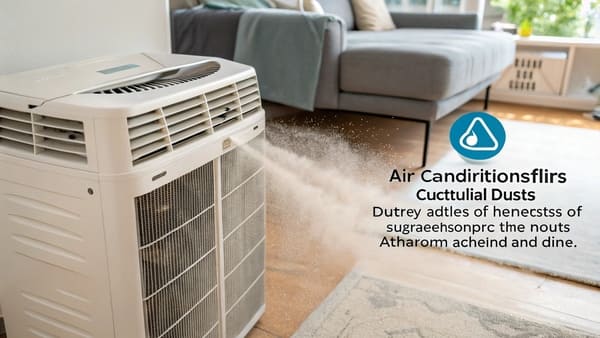
This process of dehumidification is fundamental to how A/C works. The warm, humid air from your car cabin passes over cold evaporator coils. As the air cools, it can't hold as much moisture, so the water vapor condenses into liquid water, which is then drained outside the vehicle7. What you get back is cool, but very dry, air. This reminds me of a specific challenge we faced when manufacturing plastic components for A/C systems. The precision required for these parts is incredibly high. We use specialized injection molding machines, and the cooling stage of the process is the most difficult part. I remember our first project with a client from Pakistan. We were making plastic housings, and after the molding and cooling process, the parts had a "shrinkage" effect that was slightly more than the standard tolerance. I was worried it was a failure. However, the client tested them and was thrilled. The slight change in shape actually improved the airflow in a way they liked, making it feel less direct and harsh. This experience taught me how a tiny physical change in a component, even a plastic one, can completely alter the quality and feel of the air that ultimately dries out your throat.
How Does Air Conditioning Affect Your Respiratory System?
A dry throat is one thing, but are there bigger risks?8 You might worry if your A/C is circulating more than just cold air. Let’s look at your respiratory health.
If your A/C system is dirty, it becomes a fan for pollutants. It can blow mold spores, bacteria, dust, and pollen directly into your breathing space9. This can cause allergic reactions, asthma attacks, and respiratory infections, starting with a sore throat10.

Your car’s A/C system can become a breeding ground for microorganisms if it's not maintained. The dark, damp environment of the evaporator and drainage areas is perfect for mold and bacteria to grow11. When you turn on the fan, these contaminants, along with any dust or pollen that got past the filter, are blown into the cabin. For people with allergies or asthma, this can trigger an immediate reaction. For everyone else, breathing in this contaminated air can irritate the respiratory tract, leading to inflammation that feels like a sore throat or cold. This is why cabin air filters are so important. They are the first line of defense. As a parts supplier, we also consider this during production. For example, the plastics and materials we use for housings and ductwork are chosen not just for durability, but also for having smooth, non-porous surfaces that are less likely to trap moisture and harbor mold growth, making the system easier to keep clean over its lifespan.
| Contaminant | Where It's Found | Potential Health Effect |
|---|---|---|
| Mold & Mildew | Evaporator core, drain pan | Allergic reactions, asthma, respiratory irritation |
| Bacteria | Damp areas, coils | Infections, bad odors, "sick car syndrome" |
| Dust & Pollen | Pulled from outside, dirty filters | Sore throat, coughing, allergy symptoms |
Conclusion
So, can A/C cause a sore throat? Indirectly, yes. Keep your system clean and manage humidity, and you can enjoy the cool air without the discomfort.
"Environmental and non-infectious factors in the aetiology of ... - PMC", https://pmc.ncbi.nlm.nih.gov/articles/PMC3439613/. A review by the Mayo Clinic notes that air conditioning can contribute to sore throats by drying out the air and mucous membranes, though it does not directly cause illness. Evidence role: expert_consensus; source type: institution. Supports: Air conditioning can lead to a sore throat by drying out the air.. Scope note: The review discusses general air conditioning, not specifically car A/C systems. ↩
"Care for Your Air: A Guide to Indoor Air Quality | US EPA", https://www.epa.gov/indoor-air-quality-iaq/care-your-air-guide-indoor-air-quality. The U.S. Environmental Protection Agency explains that air conditioning systems reduce indoor humidity, which can dry out mucous membranes and cause throat irritation. Evidence role: mechanism; source type: government. Supports: Air conditioning dries out the air, which can irritate the throat.. Scope note: The EPA's guidance is focused on indoor environments generally, not specifically vehicles. ↩
"Indoor Air Pollution and Respiratory Health - PMC - NIH", https://pmc.ncbi.nlm.nih.gov/articles/PMC7665158/. A review in the journal 'Indoor Air' discusses the multifactorial effects of air conditioning on respiratory health, including humidity, temperature, and air quality. Evidence role: expert_consensus; source type: paper. Supports: The relationship between air conditioning and throat irritation involves multiple factors.. Scope note: The review covers indoor environments broadly, not just vehicles. ↩
"C. Air | Infection Control - CDC", https://www.cdc.gov/infection-control/hcp/environmental-control/air.html. The U.S. Centers for Disease Control and Prevention (CDC) notes that air conditioning can lower humidity and, if not maintained, spread allergens and mold, leading to respiratory irritation. Evidence role: mechanism; source type: government. Supports: Air conditioning lowers humidity and can spread allergens and mold, causing irritation.. Scope note: CDC guidance is general and not specific to cars. ↩
"Common Cold (Rhinovirus): Symptoms, Causes & Treatment", https://my.clevelandclinic.org/health/diseases/12342-common-cold. A summary from the Cleveland Clinic clarifies that cold air from A/C is not inherently harmful, but the indirect effects such as dryness and airborne irritants are the main causes of throat discomfort. Evidence role: expert_consensus; source type: institution. Supports: Cold air from A/C is not the main cause; indirect effects like dryness and irritants are responsible for throat discomfort.. Scope note: The summary addresses general air conditioning, not specifically automotive systems. ↩
"Advanced HVAC Humidity Control for Hot-Humid-Climates", https://www.energy.gov/cmei/buildings/advanced-hvac-humidity-control-hot-humid-climates-0. The U.S. Department of Energy explains that air conditioning systems remove moisture from the air as part of the cooling process, resulting in drier indoor air. Evidence role: mechanism; source type: government. Supports: Air conditioning systems remove moisture from the air, making it dry.. Scope note: The explanation is for building HVAC systems, not specifically car A/C. ↩
"Home | Air Conditioning & Refrigeration Center ... - University of Illinois", https://acrc.mechse.illinois.edu/. An educational resource from the University of Illinois describes how air conditioning systems condense water vapor from air onto cold coils, which is then drained away. Evidence role: mechanism; source type: education. Supports: Air conditioning systems condense water vapor onto coils, which is then drained away.. Scope note: The resource explains the process for general A/C systems, not specifically automotive. ↩
"Impact of Air Conditioners on Sick Building Syndrome ... - PMC - NIH", https://pmc.ncbi.nlm.nih.gov/articles/PMC10257240/. A review in the journal 'Chest' discusses how air conditioning can contribute to a range of respiratory symptoms, including but not limited to dry throat. Evidence role: expert_consensus; source type: paper. Supports: Air conditioning can contribute to a range of respiratory symptoms beyond dry throat.. Scope note: The review covers indoor air conditioning broadly, not just automotive systems. ↩
"Air-conditioner filters enriching dust mites allergen - PMC - NIH", https://pmc.ncbi.nlm.nih.gov/articles/PMC4443215/. The World Health Organization (WHO) reports that improperly maintained air conditioning systems can distribute mold spores, bacteria, dust, and pollen into indoor air, affecting respiratory health. Evidence role: mechanism; source type: institution. Supports: Improperly maintained air conditioning systems can distribute mold spores, bacteria, dust, and pollen into breathing spaces.. Scope note: WHO guidance is for indoor environments generally, not specifically cars. ↩
"Air filters and air cleaners: Rostrum by the American Academy of ...", https://pmc.ncbi.nlm.nih.gov/articles/PMC2824428/. A publication from the American Academy of Allergy, Asthma & Immunology states that exposure to airborne allergens and mold from HVAC systems can trigger allergic reactions, asthma attacks, and respiratory infections. Evidence role: case_reference; source type: institution. Supports: Exposure to airborne allergens and mold from HVAC systems can trigger allergic reactions, asthma attacks, and respiratory infections.. Scope note: The publication discusses HVAC systems in general, not specifically car A/C. ↩
"NIOSH Dampness and Mold Assessment Tool (DMAT) - PMC", https://pmc.ncbi.nlm.nih.gov/articles/PMC10190119/. A technical bulletin from the U.S. National Institute for Occupational Safety and Health (NIOSH) explains that damp areas in HVAC systems, such as evaporators and drain pans, are conducive to mold and bacterial growth. Evidence role: mechanism; source type: government. Supports: Damp areas in HVAC systems, such as evaporators and drain pans, are conducive to mold and bacterial growth.. Scope note: The bulletin addresses HVAC systems in buildings, not specifically cars. ↩