Are you drawn to the bold, unique look of 1970s cars? It’s a decade of automotive design that people either love or hate, but its influence is undeniable.
The popularity of 1970s cars comes from their unique designs, a direct result of a turbulent decade. They represent a major turning point in automotive history, marking the end of the muscle car era and the beginning of new safety, emissions, and fuel economy standards.
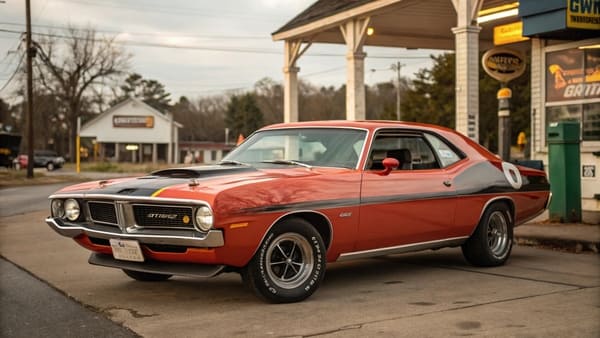
The 70s were a wild ride. On one hand, you had the last of the big-block muscle cars. On the other, you saw the rise of smaller, more efficient imports and quirky "personal luxury" coupes with vinyl roofs and plush interiors. This mix of old and new, of raw power and emerging technology, creates a fascinating category for collectors. These cars tell a story of change, and for enthusiasts, owning one is like owning a piece of that history. Let's dive into what made this decade so special.
Why Did the 1970s Become One of the Most Influential Decades in Automotive History?
Do you ever look at a 70s car and wonder how designs changed so drastically from the 60s? It wasn't by choice; it was a reaction to massive global events.
The 1970s became a pivotal decade because it was a perfect storm of change. The oil crisis, new government safety laws, and strict emissions regulations forced automakers to completely rethink how they designed and built cars, setting the stage for the modern automobile.
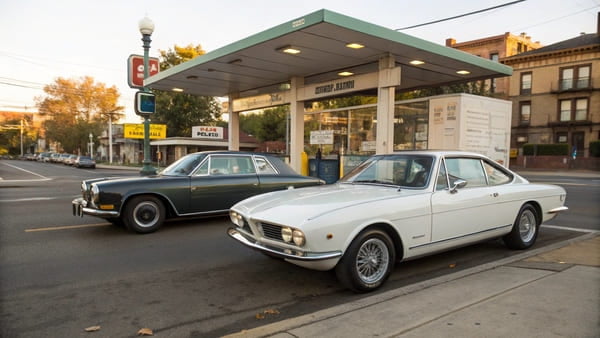
Before the 70s, the formula was simple: bigger engines, more power, and yearly styling changes. But that all stopped. Suddenly, car companies had to deal with things they'd never prioritized before. They had to invent new safety features, like the infamous 5-mph bumpers that changed the look of cars forever. They had to figure out how to make engines cleaner to meet the new Clean Air Act. And most importantly, they had to make cars that didn't guzzle gasoline. This forced innovation in materials, engineering, and design. The challenges of the 70s directly led to the lighter, safer, and more efficient cars we all drive today. It was a tough, awkward transition, but it was absolutely necessary.
| Factor | Pre-1970s Focus | Post-1970s Focus |
|---|---|---|
| Engine | Maximum Horsepower (Big V8s) | Fuel Efficiency (Smaller V8s, V6s) |
| Safety | Minimal; focus on style | Mandated Bumpers, Airbags (later) |
| Emissions | Unregulated | Catalytic Converters, Unleaded Fuel |
| Design | Style and Performance | Aerodynamics, Weight Reduction |
| Market | Domestic Dominance | Rise of Japanese Imports |
How Did the 1973 Oil Crisis Completely Change American Cars?
Have you seen photos of the gas lines in 1973? That event didn't just frustrate drivers; it sent a shockwave through Detroit that permanently altered American car culture.
The 1973 oil crisis made fuel economy the number one priority overnight. It killed the demand for large, gas-guzzling "land yachts" and V8 muscle cars, forcing American automakers to quickly downsize their vehicles and engines to compete with small, efficient foreign cars.
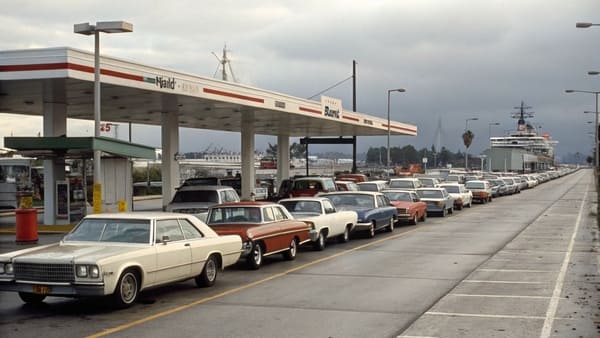
The party was over. For years, American car buyers assumed gas would be cheap and plentiful forever. The oil embargo changed that in an instant. Suddenly, the giant sedans and station wagons that defined American roads became expensive liabilities. People flocked to Toyota and Datsun dealerships because they were selling exactly what the market now demanded: small, reliable, fuel-sipping cars. American manufacturers were caught completely off guard. Their response was rushed and often clumsy. They put smaller engines in heavy cars, resulting in vehicles that were slow and still not very efficient. This era, often called the "Malaise Era," was a direct result of this sudden pivot. It was a painful adjustment, but it forced a necessary shift toward smaller cars and more efficient engineering.
Why Did Muscle Cars Lose Horsepower During the 1970s?
Ever heard someone call a 1976 Corvette "slow"? It’s a common knock against 70s performance cars, but they were fighting a battle on multiple fronts that choked their power.
Muscle cars lost horsepower in the 70s due to three main factors: strict new emissions laws that required power-robbing catalytic converters, the oil crisis which made fuel efficiency a priority, and high insurance costs for powerful cars that killed buyer demand.
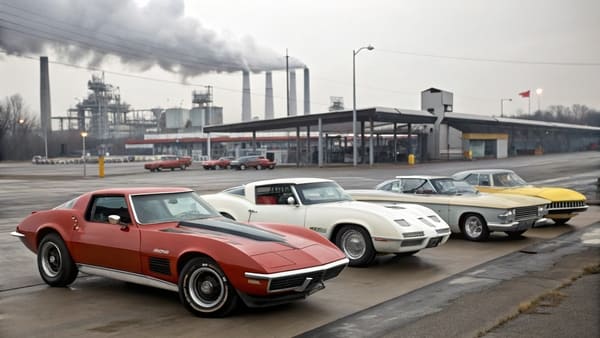
It was a triple threat. First, the government's Clean Air Act forced automakers to use new equipment like catalytic converters, which required unleaded gas and lower engine compression. This alone killed a huge amount of horsepower. Second, the oil crisis made big, thirsty engines deeply unpopular. Automakers started advertising fuel economy, not 0-60 times. Finally, insurance companies began adding massive surcharges for high-performance models, making them too expensive for the young buyers who traditionally bought them. The result was cars that looked muscular but had very little bite.
This is also why restoring them is so complex. I learned this firsthand when I took on a project to manufacture plastic interior parts for a client in Pakistan. The precision required for these classic car parts is incredibly high. Standard injection molding machines just can't do it. The machines we use, mostly found near Shanghai or in the Fujian coastal region, need a multi-step process. The hardest part is cooling. Another huge challenge is adding color. To add pigment, you have to stop the machine and open the mold, which makes the cooling process very tricky. On that first project, we had some issues, and the parts "shrank" more than expected after cooling. I thought it was a disaster, but the client loved the result! It gave the parts an even more authentic, aged feel. We learned from that happy accident and haven't made a mistake since.
Conclusion
The 1970s, born from crisis and regulation, produced some of the most unique and historically significant cars ever made, securing their special place in the hearts of collectors today.