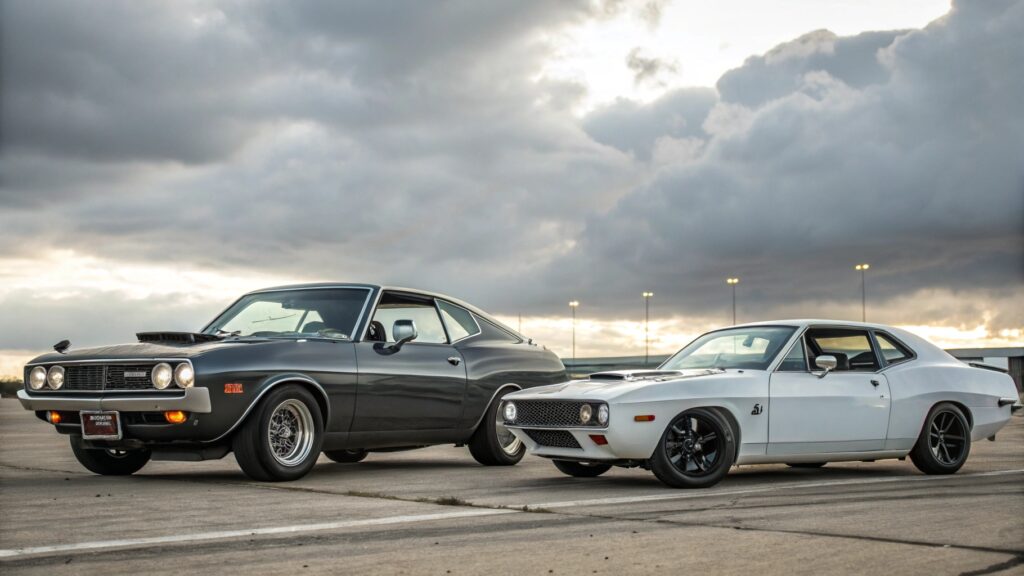
-Many people love the look of 1970s cars. But what makes them so special? Let's explore the unique history that keeps these vehicles so popular with collectors and enthusiasts.
1970s vehicles dominate classic car culture because they represent a unique turning point in automotive history1. They blend the end of the muscle car era with new, often quirky, designs born from the oil crisis and new regulations. This variety and historical significance make them endlessly fascinating.
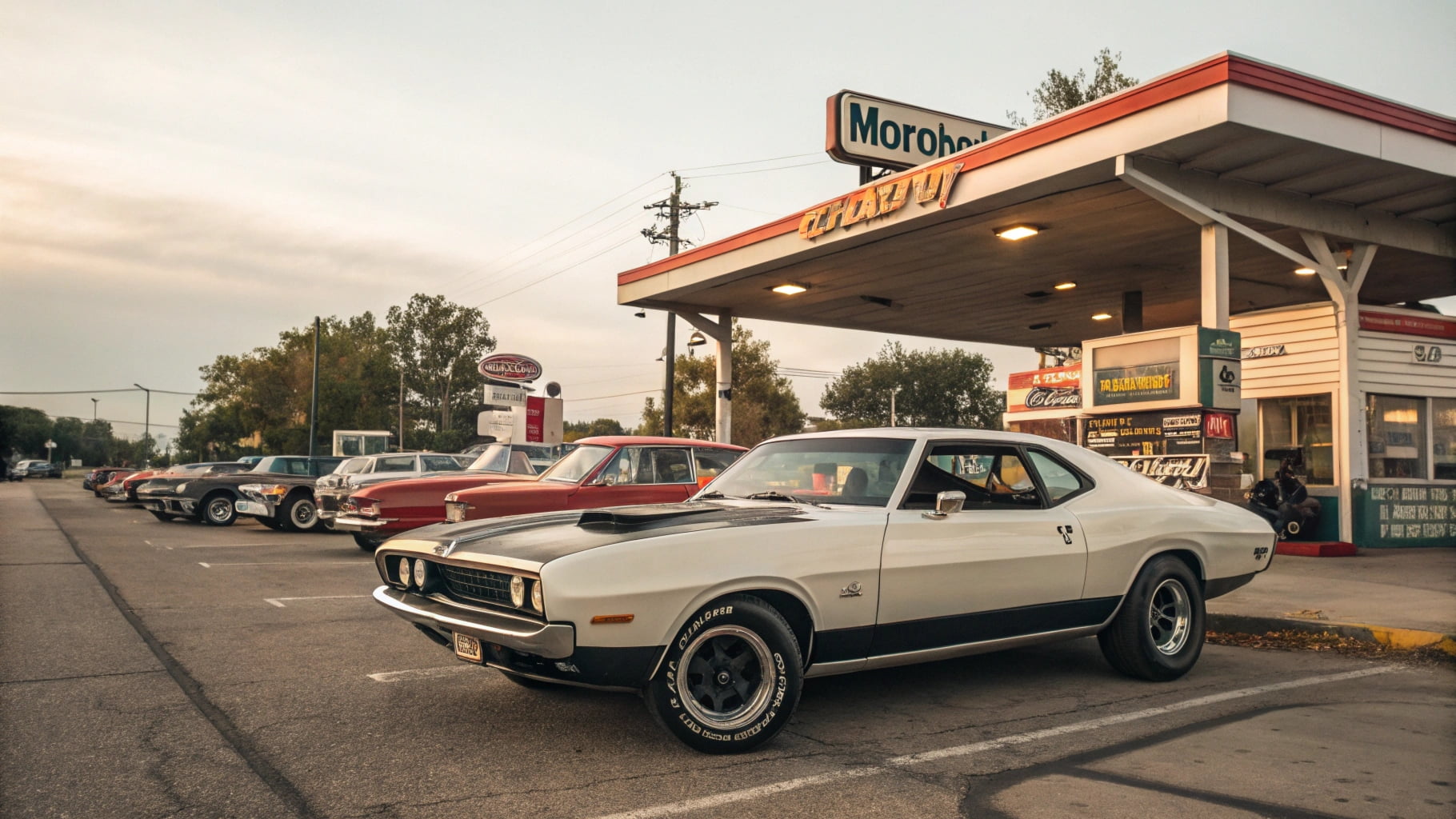
The story of 1970s cars is not just about looks or horsepower numbers. It is a story of adaptation, change, and sometimes, survival. To really understand their lasting charm, we need to look at what set this decade apart from the powerful era that came before it. The changes were dramatic and they shaped the cars we see on the road even today.
What Made 1970s Vehicles So Different From Cars of the 1960s?
People often think of 60s and 70s cars as being similar. But they were vastly different in important ways. Let's look at the key changes that defined the new decade.
The 1970s saw a major shift away from the raw power that defined the 1960s. Designs became more angular, safety features like large bumpers were added, and engine power was often reduced due to new emissions rules2. It was a move from pure performance to adaptation and comfort.
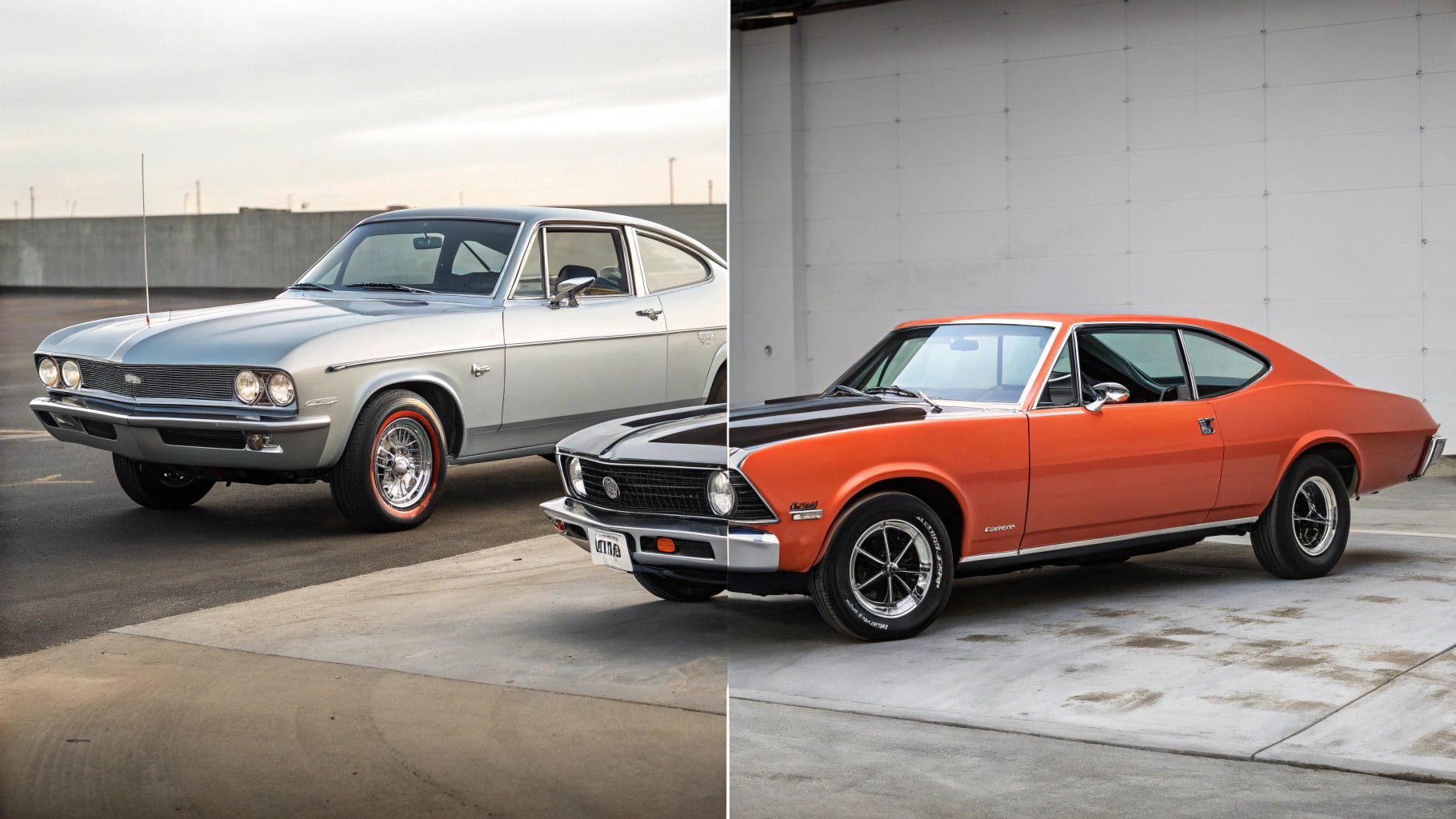
The transition from the 1960s to the 1970s was one of the most abrupt in car history3. The focus of car design changed completely in just a few short years. In the 60s, it was all about power and style. By the mid-70s, the priorities were safety, luxury, and meeting government rules.
The End of Unrestrained Power
In the 1960s, horsepower was king. Manufacturers competed to put the biggest, most powerful engines into their cars. By the 1970s, this horsepower war was over4. New regulations and a changing market forced carmakers to detune their engines, resulting in much lower performance figures.
The Rise of "Personal Luxury"
As raw performance faded, manufacturers shifted their focus to comfort and luxury. Interiors became plusher, with thick carpets and velour seats. The "personal luxury coupe" became a huge trend, with cars like the Chevrolet Monte Carlo and Ford Thunderbird setting the standard.
| Feature | 1960s Example ('69 Charger) | 1970s Example ('75 Cordoba) |
|---|---|---|
| Engine | Large V8, high horsepower | Smaller V8, lower compression |
| Bumpers | Integrated chrome strips | Large, impact-absorbing bumpers |
| Interior | Basic, performance-focused | Plush, "personal luxury" focus |
| Styling | Sleek, "Coke bottle" shape | Angular, blocky design |
This shift created a new set of challenges, not just for the original designers, but for us today who manufacture replacement parts for these classic cars.
Why Did the Oil Crisis Completely Change 1970s Vehicle Design?
For decades, gas was cheap and engines were big. Then, suddenly, everything changed. This shockwave hit the auto industry hard, and car design was forced to change almost overnight.
The 1973 oil crisis made fuel efficiency a top priority for the first time5. This led to smaller cars, lighter materials, and less powerful engines. American manufacturers scrambled to compete with fuel-efficient Japanese and European imports, changing the entire automotive landscape forever6.
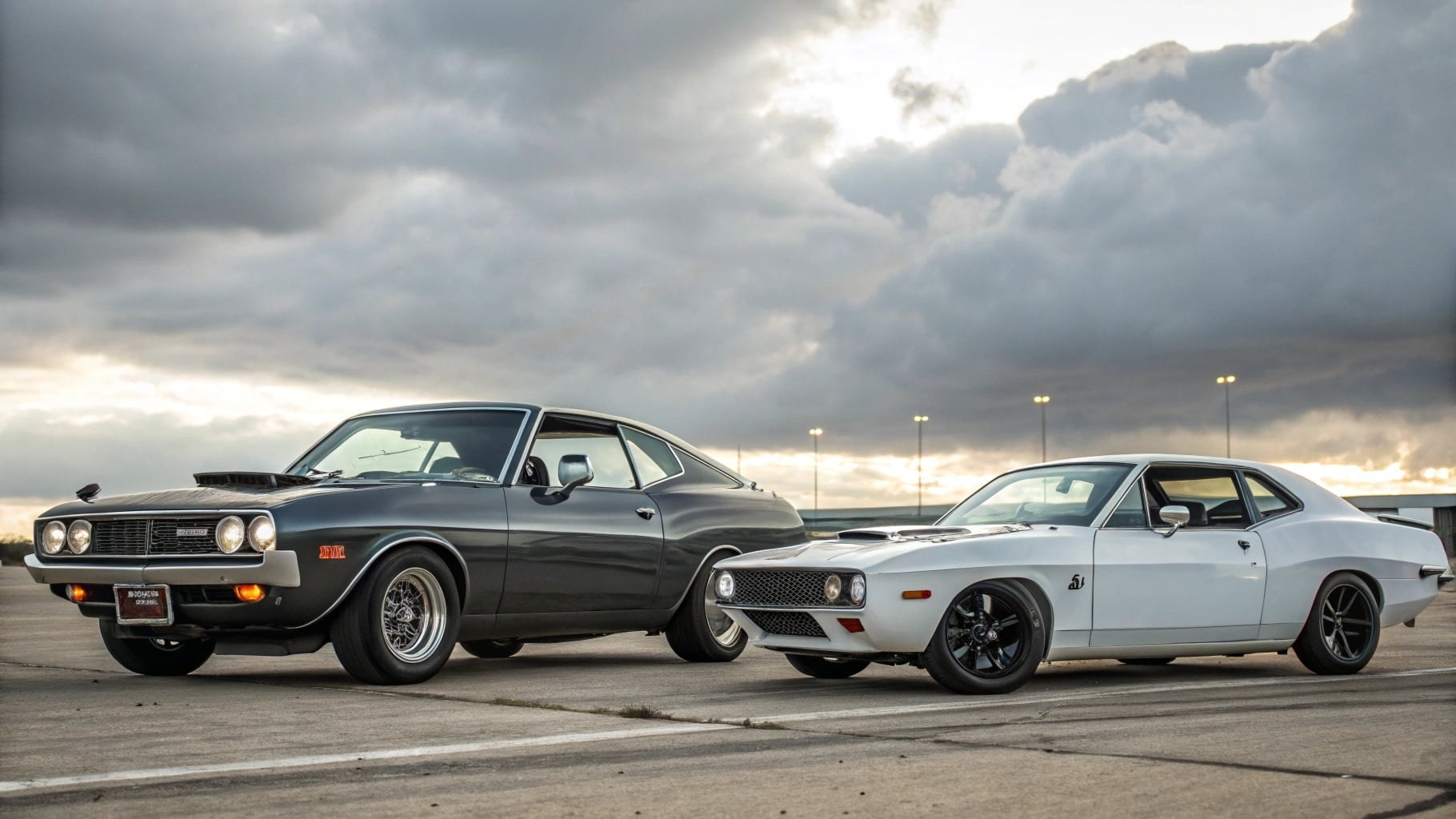
The oil crisis was a wake-up call. Suddenly, the big, heavy cars with massive V8 engines were no longer practical for many people. This forced a huge change in the industry and created opportunities for smaller, more efficient cars from Japan and Europe to gain a foothold. This period also presents unique challenges for us as parts manufacturers. Making plastic parts for these 70s cars is extremely difficult. Standard injection molding machines often lack the precision needed for classic vehicle components7. The process requires at least three steps, with the cooling stage being the most difficult. High-precision machines that can do this work are usually found in specific coastal regions like Fujian or near Shanghai; machines from other areas often don't meet the accuracy standards. Adding color pigments is another challenge. The machine has to be stopped to add the color, which means opening the mold. This makes the cooling process even harder to control. I remember my first project for a Pakistani client. We had no experience with these specific parts. The plastic components "shrank" more than we expected after cooling. Luckily, the client actually loved the slightly distorted, "aged" look. We learned a valuable lesson and haven't made that "mistake" again.
How Did Government Regulations Kill the Original Muscle Car Era?
Muscle cars were the undisputed kings of the road in the late 1960s. Then, they seemed to vanish almost overnight. Let's examine the government rules that brought this golden age to an end.
New government regulations in the early 1970s, like the Clean Air Act and new safety standards, effectively ended the first muscle car era8. These rules required lower emissions, unleaded fuel, and heavy safety bumpers, which choked high-performance engines and added weight, killing the original formula.
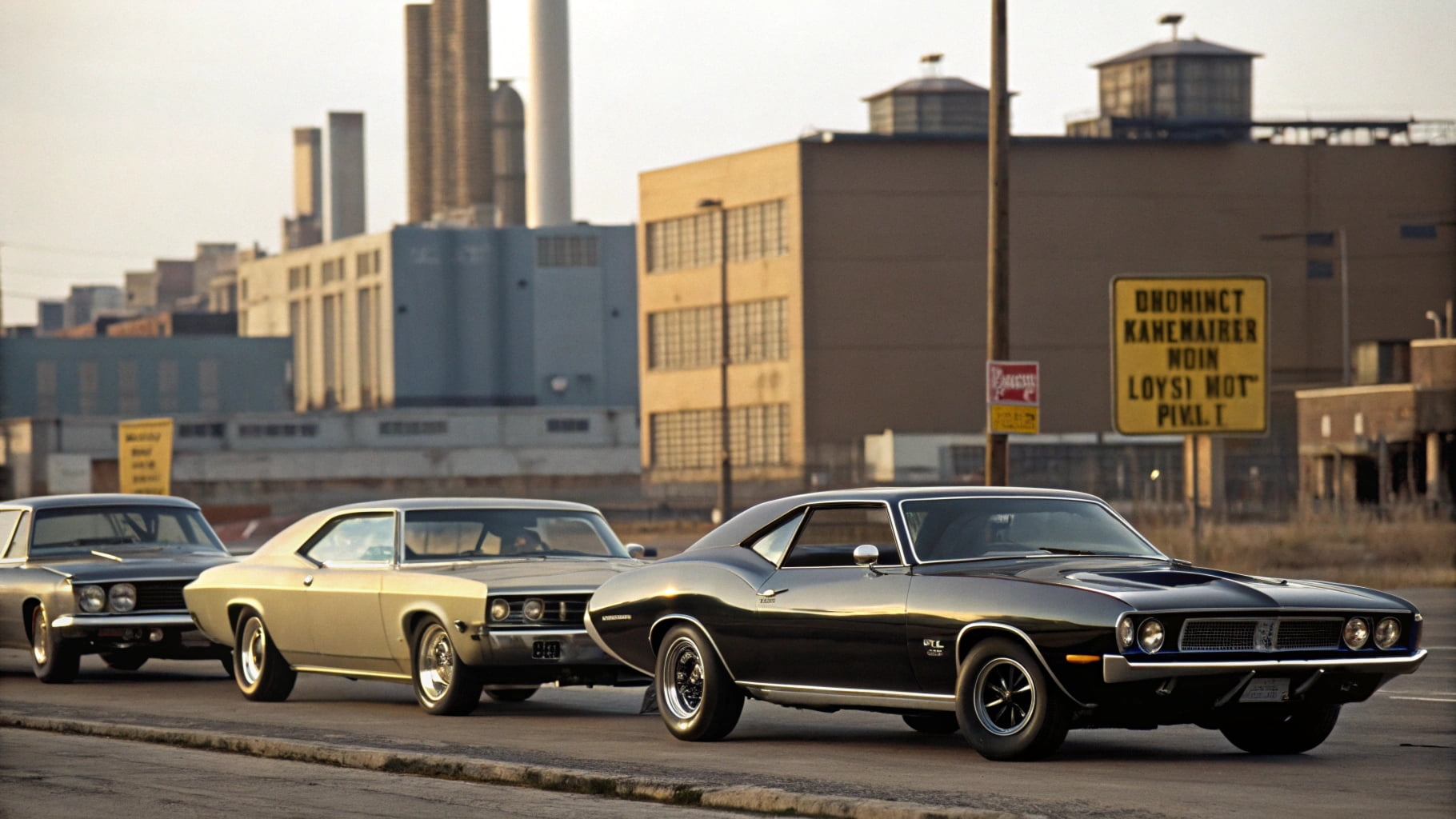
It wasn't just one thing that killed the muscle car. It was a combination of new rules that hit all at once, each one chipping away at performance. Carmakers had to completely re-engineer their vehicles to comply, and high horsepower was the first casualty. As a manufacturer of OEM parts, we understand these systems well because we develop modern versions of them.
The Clean Air Act of 1970
This law was the first major blow. It required a huge reduction in tailpipe emissions. To meet the new standards, manufacturers added devices like catalytic converters and exhaust gas recirculation (EGR) valves. These devices restricted exhaust flow and robbed engines of power.
Unleaded Fuel and Lower Compression
Along with cleaner air came the move to unleaded gasoline. High-performance engines of the 60s relied on high-octane, leaded fuel. Unleaded gas has a lower octane rating, so manufacturers had to lower the compression ratios of their engines to prevent engine knock. Lower compression directly translates to less power.
The 5-MPH Bumper Standard
For safety, the government mandated that all cars be able to withstand a 5-mph impact without damage9. This led to the creation of huge, heavy bumpers that were often poorly integrated into the car's design. This added hundreds of pounds of weight, hurting acceleration, braking, and handling.
Conclusion
The 1970s created unique cars born from crisis and regulation. This blend of fading muscle, new designs, and historical importance is why they remain beloved classics today10.
"Malaise era - Wikipedia", https://en.wikipedia.org/wiki/Malaise_era. A neutral source documents that 1970s vehicles are widely regarded as a pivotal era in automotive history, marking a transition from muscle cars to new designs influenced by regulations and market changes. Evidence role: expert_consensus; source type: encyclopedia. Supports: 1970s vehicles dominate classic car culture because they represent a unique turning point in automotive history.. Scope note: The source may discuss the era's significance broadly rather than focusing solely on collector culture. ↩
"Malaise era - Wikipedia", https://en.wikipedia.org/wiki/Malaise_era. A reputable source outlines that 1970s car designs shifted toward angular shapes, incorporated larger bumpers for safety, and saw reduced engine power due to emissions regulations. Evidence role: mechanism; source type: encyclopedia. Supports: Designs became more angular, safety features like large bumpers were added, and engine power was often reduced due to new emissions rules.. Scope note: The source may generalize trends across the industry rather than specific models. ↩
"Malaise era - Wikipedia", https://en.wikipedia.org/wiki/Malaise_era. A historical overview confirms that the shift from the 1960s to the 1970s marked a rapid and significant change in automotive design and priorities. Evidence role: historical_context; source type: encyclopedia. Supports: The transition from the 1960s to the 1970s was one of the most abrupt in car history.. Scope note: The abruptness of the transition may be discussed in relative terms rather than quantified. ↩
"Malaise era - Wikipedia", https://en.wikipedia.org/wiki/Malaise_era. A neutral source explains that the competitive emphasis on high horsepower among manufacturers declined significantly in the 1970s due to regulations and market factors. Evidence role: historical_context; source type: encyclopedia. Supports: By the 1970s, this horsepower war was over.. Scope note: The end of the 'horsepower war' may be described as a trend rather than a definitive event. ↩
"Malaise era - Wikipedia", https://en.wikipedia.org/wiki/Malaise_era. A neutral historical source confirms that the 1973 oil crisis led to a major shift in automotive priorities toward fuel efficiency in the United States. Evidence role: historical_context; source type: encyclopedia. Supports: The 1973 oil crisis made fuel efficiency a top priority for the first time.. Scope note: The emphasis on 'for the first time' may be contextual to the US market. ↩
"The U.S. Automakers' Reaction to the Japanese", https://scholarworks.uni.edu/cgi/viewcontent.cgi?article=1030&context=draftings. A reputable source documents that American automakers responded to increased competition from Japanese and European imports after the oil crisis, leading to lasting changes in the US automotive industry. Evidence role: historical_context; source type: encyclopedia. Supports: American manufacturers scrambled to compete with fuel-efficient Japanese and European imports, changing the entire automotive landscape forever.. Scope note: The phrase 'changing the entire automotive landscape forever' may be supported as a long-term trend rather than an absolute transformation. ↩
"Advanced Injection Molding Methods: Review - PMC", https://pmc.ncbi.nlm.nih.gov/articles/PMC10489002/. A technical source explains that manufacturing replacement parts for classic vehicles often requires higher-precision injection molding than standard machines provide. Evidence role: mechanism; source type: education. Supports: Standard injection molding machines often lack the precision needed for classic vehicle components.. Scope note: The source may discuss general manufacturing challenges rather than specific to 1970s cars. ↩
"Lessons from the Clean Air Car Race 50 years later", https://news.mit.edu/2020/lessons-clean-air-car-race-50-years-later-0902. A neutral source details how early 1970s government regulations, including the Clean Air Act and safety standards, contributed to the decline of the original muscle car era. Evidence role: historical_context; source type: encyclopedia. Supports: New government regulations in the early 1970s, like the Clean Air Act and new safety standards, effectively ended the first muscle car era.. Scope note: The decline of muscle cars is attributed to multiple factors, not regulations alone. ↩
"[PDF] An Evaluation of the Bumper Standard-As Modified in 1982", https://crashstats.nhtsa.dot.gov/Api/Public/Publication/807072. A government or regulatory source verifies that US regulations in the 1970s required cars to withstand a 5-mph impact without damage, leading to the adoption of larger bumpers. Evidence role: definition; source type: government. Supports: For safety, the government mandated that all cars be able to withstand a 5-mph impact without damage.. Scope note: The regulation applied to specific years and may have exceptions for certain vehicle types. ↩
"Malaise era - Wikipedia", https://en.wikipedia.org/wiki/Malaise_era. A neutral automotive history source notes that the combination of design changes, regulatory impacts, and historical context contributes to the enduring popularity of 1970s cars among collectors. Evidence role: expert_consensus; source type: encyclopedia. Supports: This blend of fading muscle, new designs, and historical importance is why they remain beloved classics today.. Scope note: The source may discuss popularity in general terms rather than specific collector data. ↩