-Choosing the right brake calipers can be confusing and risky. A bad decision impacts safety and your bottom line. Understanding what makes a quality caliper is the first step to success.
A good brake caliper is defined by its manufacturing precision1, material integrity2, and perfect sealing3. These elements ensure consistent, reliable stopping power4, a long service life, and ultimate safety for any vehicle. As a manufacturer, we focus on these core qualities for every B2B project.
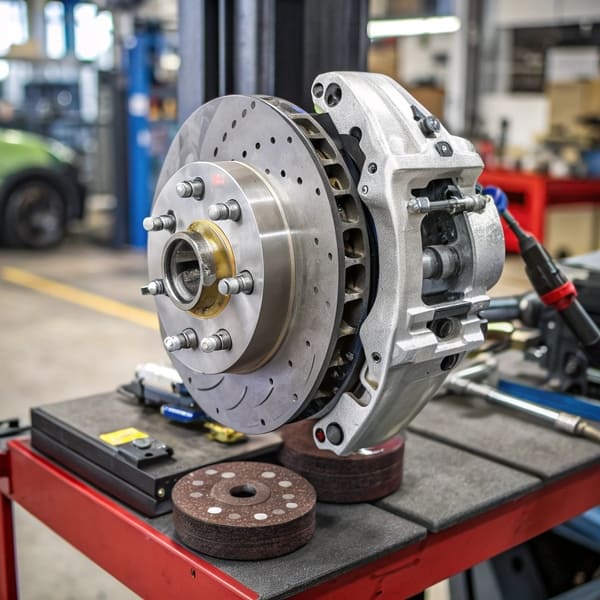
I've learned over the years that not all auto parts are created equal, and this is especially true for brake calipers. It's a component where the smallest error in manufacturing can lead to huge problems down the road. For anyone in the business of selling or distributing auto parts, getting this part right is not just about performance, it's about reputation and trust. Let's dive into what you really need to know to make an informed choice for your business or product line.
What Makes a Brake Caliper “Good” in Terms of Performance and Safety?
Are you unsure what separates a premium caliper from a cheap, unreliable one? This uncertainty can lead to sourcing parts that fail, hurting your brand and creating safety risks for customers.
A "good" brake caliper excels in three areas: the strength of its materials, the precision of its engineering for a perfect seal, and its ability to handle heat. These factors directly create reliable stopping power, a longer lifespan, and overall vehicle safety.
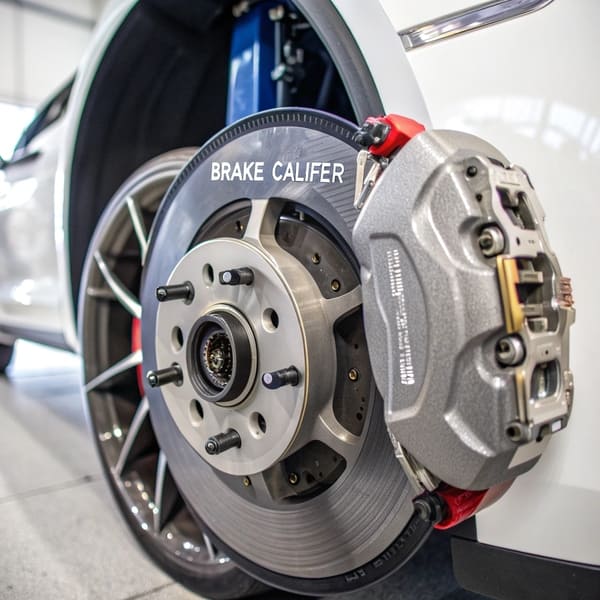
Making a top-quality brake caliper is incredibly difficult. Anyone who tells you otherwise probably doesn't understand the process. The precision and sealing performance required simply cannot be achieved with standard equipment. In our factory, we know that a proper production process involves at least three critical stages. The most challenging stage by far is the cooling and shaping phase5, where we lock in the caliper's final dimensions and strength. The machinery needed for this level of accuracy is highly specialized. From my experience sourcing equipment, you typically find these advanced machines in the coastal areas of Fujian or around Shanghai. Machines from other regions, like Hebei, often just can't meet the tight tolerances required. Another huge challenge is matching the raw material to the machine's precision settings. Every time we need to adjust parameters for a new batch, the machine has to be stopped and the mold opened for calibration. This pause can mess with the cooling process, making it very hard to maintain consistent precision. It's a constant balancing act.
| Feature | High-Quality Caliper | Standard/Low-Quality Caliper |
|---|---|---|
| Material | High-grade cast iron or aluminum alloy | Cheaper, less durable metal alloys |
| Manufacturing | Multi-stage, high-precision machining | Simplified, less precise process |
| Sealing | High-temperature resistant, perfect-fit seals | Prone to leaks under pressure or heat |
| Heat Dissipation | Designed for efficient cooling6 | Overheats easily, causing brake fade |
| Lifespan | Long and reliable service life | Prone to seizing, corrosion, and early failure |
How Do Brake Calipers Work and Why Do They Matter in Braking Systems?
Do you know the exact role a caliper plays in stopping a multi-ton vehicle? Not understanding its function can make you overlook its critical importance in the overall braking system.
Brake calipers act like a powerful clamp. When you press the brake pedal, hydraulic fluid pushes pistons inside the caliper. These pistons squeeze the brake pads against the spinning brake rotor, creating the friction needed to stop the car safely.
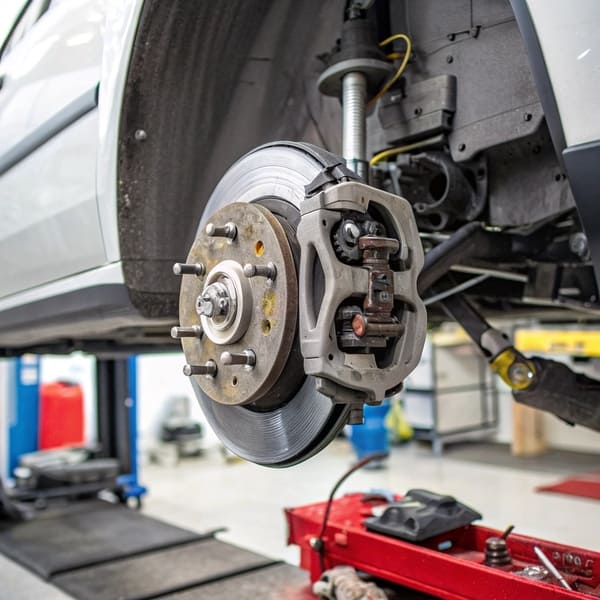
The brake caliper is the muscle of your braking system. Think of it as a chain of command. You press the pedal, which pushes fluid from the master cylinder through the brake lines. This pressurized fluid arrives at the caliper and its job is to turn that hydraulic pressure7 into physical clamping force. It does this using one or more pistons. The pistons push the brake pads, which are high-friction surfaces, against the brake disc, or rotor. This friction converts the car's motion into heat, slowing the vehicle down. Without a properly functioning caliper, that entire chain is broken. No clamping force means no friction, which means no stopping. This is why the caliper's internal seals8 are so important. They have to hold back immense hydraulic pressure7 without leaking. I learned this lesson the hard way on one of my first big OEM projects with a client from Pakistan. We produced a batch of calipers, but after assembly, we found a very minor "imperfect sealing3" issue. I was worried, but it turned out the client actually preferred the feel it gave the brake pedal. It was a lucky break, and a huge learning experience. Since then, we've perfected our sealing process to meet any client specification, because we know that perfect hydraulic integrity is the foundation of safe braking.
What Are the Key Types of Brake Calipers and Which One Is Better?
Floating or fixed caliper9s, which one is right for your target market? Choosing the wrong type can mean offering a product that is too expensive, or one that doesn't meet performance expectations.
The two main types are floating (or sliding) calipers and fixed caliper9s. Floating calipers are cost-effective and used on most passenger cars. Fixed calipers offer superior, more consistent performance and are found on high-end and heavy-duty vehicles.
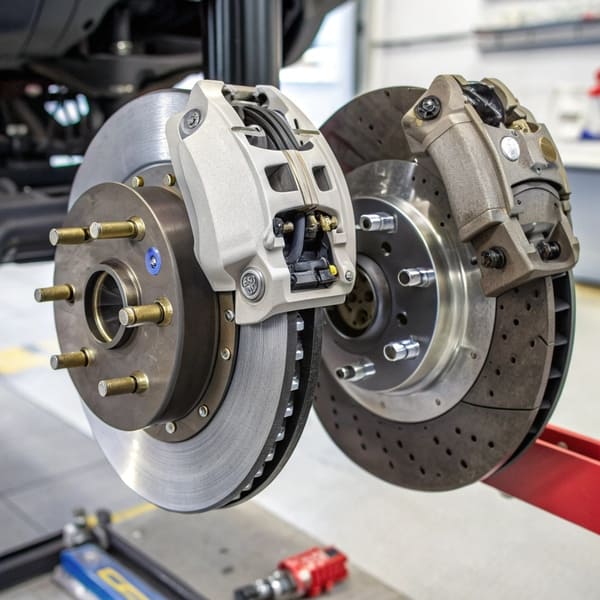
Let's break down the two main designs you'll encounter as a parts distributor or developer. The first is the floating caliper10, also called a sliding caliper. This is the most common type found on everyday cars. It has pistons on only the inboard side of the rotor. When you brake, the pistons push the inner pad against the rotor. At the same time, this action causes the entire caliper body to slide or "float" on guide pins11, pulling the outer pad against the other side of the rotor. They are simple and cheap to manufacture, making them a great choice for mass-market vehicles where cost is a major factor. The second type is the fixed caliper9. This design does not move. Instead, it has pistons on both the inner and outer sides of the rotor. When you brake, pistons on both sides push the pads simultaneously against the rotor. This results in more even pressure and better braking feel. Because they are more rigid and often larger, they also handle heat better. This makes them the standard for performance cars, trucks, and commercial vehicles. So, which is "better"? It completely depends on the application. For a business developing a product line for standard passenger cars, the floating caliper10 is the smart, economical choice. For a brand focused on the performance aftermarket or heavy-duty applications, the superior power and durability of a fixed caliper9 are essential.
| Feature | Floating (Sliding) Caliper | Fixed Caliper |
|---|---|---|
| Design | Pistons on one side; caliper body moves | Pistons on both sides; caliper body is stationary |
| Performance | Good for daily driving | Excellent, consistent braking feel |
| Cost | Lower manufacturing and purchase cost | Higher manufacturing and purchase cost |
| Complexity | Simpler design, fewer parts | More complex, multiple pistons12 |
| Best Application | Standard passenger cars, budget vehicles | Performance cars, trucks, heavy-duty vehicles |
Conclusion
A great brake caliper comes from precision manufacturing. The best type depends on the vehicle's purpose. Partnering with an experienced OEM/ODM supplier13 is key to getting the right product.
Understanding manufacturing precision helps you evaluate caliper quality and avoid safety risks due to poor tolerances. ↩
Material integrity ensures calipers withstand stress and heat, directly impacting longevity and reliability. ↩
Perfect sealing prevents hydraulic leaks, ensuring consistent braking and protecting your reputation for safety. ↩
Consistent stopping power is crucial for vehicle safety and customer satisfaction in the auto parts business. ↩
This phase determines the final strength and precision of the caliper, impacting its durability. ↩
Efficient cooling prevents brake fade, maintaining performance during demanding driving conditions. ↩
Understanding hydraulic pressure helps you appreciate the engineering behind effective braking systems. ↩
Internal seals are vital for maintaining hydraulic integrity and preventing dangerous leaks. ↩
Fixed calipers offer superior performance, making them ideal for high-end or heavy-duty applications. ↩
Knowing about floating calipers helps you choose the right product for mass-market vehicles. ↩
Guide pins enable the sliding action in floating calipers, affecting their function and maintenance. ↩
Multiple pistons provide even pressure and better braking, important for performance vehicles. ↩
An experienced supplier ensures you get reliable, high-quality calipers tailored to your market needs. ↩