-Sourcing the right parts for a niche market1 is a huge challenge. Using the wrong components can lead to costly downtime, especially for the hard-working trucking fleets in Chicago.
Yes, a large and active community of Russian and Eastern European-owned trucking companies2 operates in Chicago. They typically use reliable American and European truck brands like Freightliner, Volvo, and Peterbilt3, which require high-durability aftermarket parts4 for critical systems like brakes, suspension, and engines5 to handle demanding workloads.
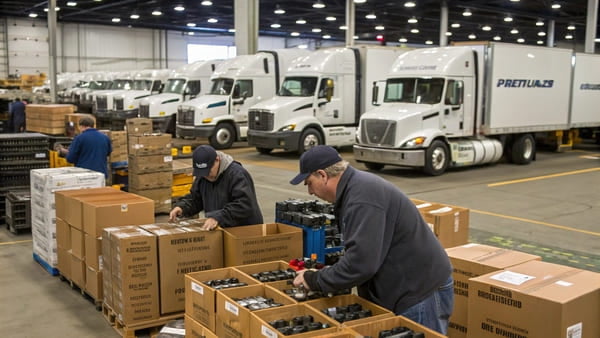
Understanding this specific market is not just about knowing who they are; it's about understanding what they drive and why they choose certain equipment. This knowledge is the key to becoming a valuable partner for them, supplying parts that don't just fit but perform reliably under pressure. If you're looking to supply this community, you need to go deeper than just a part number. Let's break down exactly what that means.
Are There Russian Trucking Companies Operating in Chicago?
You might hear about a strong Russian-speaking community in Chicago's logistics scene. But it can be hard to grasp just how significant they are for the automotive parts market.
Yes, there is a very significant number of Russian and Eastern European-owned trucking companies2 in and around Chicago. This community has established a major foothold in the logistics industry, running everything from single owner-operator trucks6 to large, sophisticated fleets, making them a crucial part of the region's supply chain.
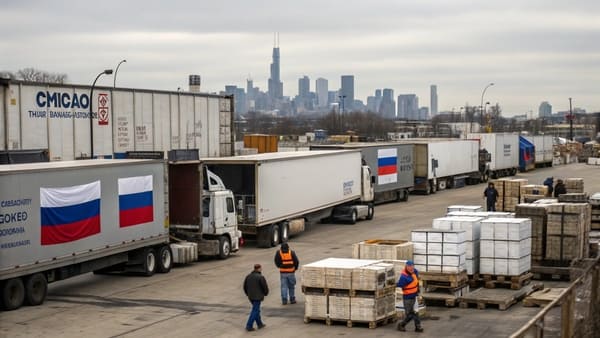
Diving Deeper into the Community's Presence
The presence of this community isn't just a coincidence; it's a core feature of Chicago's logistics landscape. Chicago is America's freight hub, and for decades, immigrant communities have found opportunities here. The Russian and Eastern European community, in particular, has shown a strong entrepreneurial drive, and trucking is an industry that directly rewards hard work and sharp business skills. Many started as drivers and worked their way up to become owner-operators. From there, some expanded into small fleets, while others launched dispatching services, repair shops, and parts distribution businesses7. You'll find a high concentration of these businesses in the suburbs surrounding O'Hare airport8, like Wheeling, Buffalo Grove, and Arlington Heights. This creates a tight-knit ecosystem where business owners support each other, share information, and create a powerful network. They are not just a small niche; they are a major economic force in Midwest trucking9.
Why Are Russian-Owned or Russian-Focused Trucking Businesses Active in Chicago?
It might seem strange for a specific community to concentrate so heavily in one city's trucking industry. Without understanding why, it's impossible to grasp their business priorities and needs.
Chicago's role as the nation's number one logistics hub10 is the main driver. Its central location connects major highways, railways, and air cargo. This creates endless demand for trucking services, a field that offers a direct path to business ownership for many immigrant communities, including the Russian-speaking population.
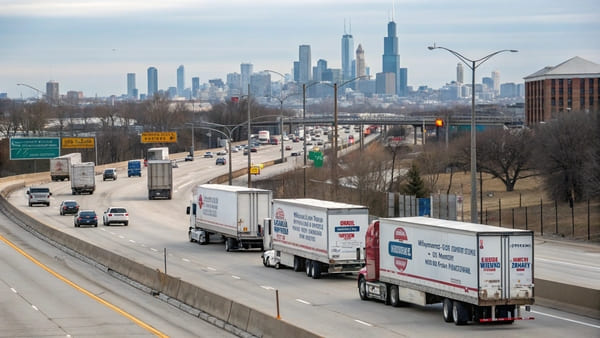
Diving Deeper into the Reasons for Concentration
Chicago is often called the "Crossroads of America" for a reason. Major interstate highways like I-90, I-80, I-94, and I-55 all converge here, making it the most logical point for freight moving east-west and north-south. For any trucking business, being close to the source of freight is everything. This geographic advantage is the foundation, but the community's growth is also fueled by other factors. The trucking industry has a relatively low barrier to entry for determined entrepreneurs11. With a commercial driver's license and a down payment on a truck, you can start your own business. This opportunity is very attractive. Over time, a powerful network effect12 has taken hold.
| Factor | How It Attracts Russian Trucking Entrepreneurs |
|---|---|
| Geographic Hub | Constant flow of freight means consistent work opportunities. |
| Economic Opportunity | A direct path to entrepreneurship and financial independence. |
| Community Network | Established business owners mentor and support newcomers. |
| Support Services | A local ecosystem of dispatchers, mechanics, and lenders who understand the business. |
This ecosystem is self-reinforcing. New drivers and owners can find support, advice, and even loads from within their own community. It reduces the risk and uncertainty of starting a business in a new country. This strong community fabric, combined with Chicago's unbeatable location, explains why this group has not only survived but thrived.
Which Truck Brands Are Commonly Used by Russian Trucking Companies?
To supply parts effectively, you must know what vehicles your customers are driving. Guessing which truck models are popular means you risk stocking useless inventory and missing out on sales.
These companies strongly prefer truck brands known for durability and a good service network. The most common choices are Freightliner, Volvo, and Peterbilt3. You will also see a good number of Kenworth trucks13. This reflects a practical focus on reliable machines that can handle long hauls and have readily available parts.
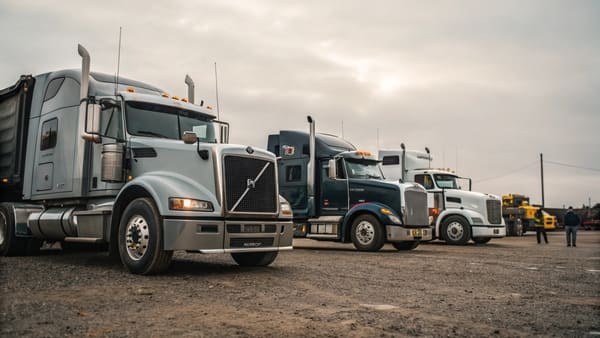
Diving Deeper into Truck Parts and Manufacturing Challenges
These businesses choose Freightliner, Volvo, and Peterbilt3 because they are workhorses. They can run for hundreds of thousands of miles, but only if they are maintained with high-quality parts. Because these trucks are pushed so hard, components like brake systems, suspension, and engine parts wear out. This is where the real challenge begins for a parts manufacturer. Sourcing top-tier replacement parts for these heavy-duty trucks is incredibly difficult. The manufacturing precision required14 is far beyond what standard equipment can produce.
For example, making a quality heavy-duty brake pad involves at least three critical stages. The hardest step by far is the cooling, shaping, and density control process15. The machines needed for this level of precision are rare. In my experience, you can typically only find them in factories in the Fujian coastal region or around Shanghai. Many machines from other areas simply can't meet the required tolerances.
Another huge challenge is getting the friction material formula16 just right. During production, the machine has to stop so new materials can be added to the mix. To do this, the mold has to be opened, which makes the cooling process very difficult to control. I learned this the hard way. I remember my first project for these parts was with a client from Pakistan. We were inexperienced, and the first batch of brake pads had a pretty serious "uneven wear" problem after use. I was worried, but the client actually preferred them for some reason! We got lucky. After that, we perfected our process, and I've never made that mistake again. It taught me just how critical every single step is. This is why we are so focused on the technical details—the stakes are too high to get it wrong.
Conclusion
Chicago's Russian trucking community is a key market segment. Success comes from understanding their preferred trucks and the complex manufacturing precision their replacement parts demand to ensure reliability and safety.
Learn proven strategies for sourcing specialized parts to avoid costly downtime and maximize fleet reliability in demanding trucking sectors. ↩
Explore the impact and scale of Russian and Eastern European-owned trucking companies in Chicago's logistics industry. ↩
Discover the reasons behind the popularity of these truck brands among professional fleets and their reliability. ↩
Discover which aftermarket parts offer superior durability for Freightliner, Volvo, and Peterbilt trucks, ensuring long-term performance. ↩
Find out which parts are essential for maintaining safety and reliability in heavy-duty truck fleets operating under tough conditions. ↩
Understand how owner-operators contribute to the trucking ecosystem and what makes their business model unique. ↩
Learn how these support businesses create a thriving ecosystem for trucking companies and improve operational efficiency. ↩
Discover the strategic advantages of locating trucking businesses near O'Hare airport and its transportation hubs. ↩
See why this community is a driving force in the Midwest trucking industry and how it shapes regional logistics. ↩
Uncover the factors that make Chicago the top logistics hub in the US and how it benefits trucking companies. ↩
Find out why trucking is an attractive industry for new entrepreneurs and how they can start their own business. ↩
Learn how community networks help new trucking businesses thrive and reduce risks in the Chicago market. ↩
Explore the features and benefits of Kenworth trucks and why they are chosen by many trucking businesses. ↩
Understand the technical challenges and standards required to produce reliable parts for heavy-duty trucks. ↩
Learn why these manufacturing steps are critical for producing high-quality, durable brake pads for trucks. ↩
Discover how the right friction material formula impacts brake pad performance and safety in heavy-duty vehicles. ↩