-Are you struggling to find clear information on the 2026 Tesla facelift? The details are scattered. Let's break down what is really new and what it means for manufacturing.
The 2026 Tesla Model S and Model X facelift focuses on subtle exterior refinements and upgraded interior materials. Key changes include redesigned bumpers, new matrix LED headlights, and new wheel options. Manufacturing these components, especially the plastic trim, requires extremely high precision and specialized production techniques1.
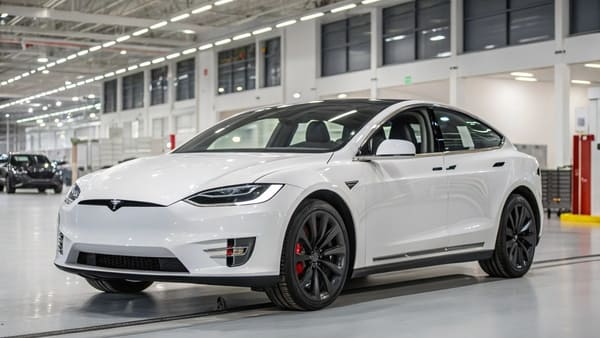
These changes might look small, but they hide a lot of engineering work. As a parts manufacturer, I see the complexity behind these "minor" updates every day. The new designs are not just for looks; they improve performance and push suppliers like us to innovate. Let's look closer at what has really changed, why Tesla did it, and the manufacturing challenges that come with it. This will give you a much deeper understanding of the new models.
What Has Changed on the 2026 Tesla Model S and Model X Facelift?
Are you confused by all the rumors about the 2026 Tesla updates? It's hard to know what's real. I'll give you the straight facts on the confirmed changes.
The 2026 facelift introduces a redesigned front bumper for better aerodynamics, new matrix LED headlights, and updated wheel designs2. Inside, you will find new trim options and a slightly revised center console. These changes modernize the look while improving efficiency and the user experience.

Let's dive deeper into these updates. The changes are more than just skin deep; they reflect a shift in technology and manufacturing strategy. For the exterior, the new front bumper is less about a dramatic style change and more about function. It's designed to reduce air resistance, which can slightly increase the car's range. The new matrix LED headlights are a big deal. They offer better visibility and adaptive lighting features, similar to the technology seen in the newer Model 33. On the inside, the changes are about feel and luxury. Tesla is using new materials for the dashboard and door panels to compete with other high-end electric vehicles4. These updates require us, the parts suppliers, to meet even higher standards for fit and finish.
Here is a simple breakdown of the key updates:
| Feature | Old Version | 2026 Facelift Version | Benefit of Change |
|---|---|---|---|
| Front Bumper | Standard design | Smoother, more aerodynamic shape | Improved efficiency and range |
| Headlights | Standard LED | Adaptive Matrix LED | Better visibility, enhanced safety |
| Interior Trim | Standard materials | New premium textile/wood options | More luxurious feel, better competition |
| Center Console | Previous layout | Minor ergonomic tweaks | Improved usability and storage |
These changes show that Tesla is focused on refining its flagship models, not completely redesigning them.
Why Did Tesla Refresh the Model S and Model X in 2026?
Do you wonder why Tesla updated models that still look so modern? It might seem unnecessary, but there is a clear strategy behind this move. Let's explore the real reasons.
Tesla refreshed the Model S and Model X to maintain their top-tier status against growing competition. The updates improve efficiency, add new technology, and streamline manufacturing. It is a strategic move to keep the products fresh and desirable in a very competitive market.
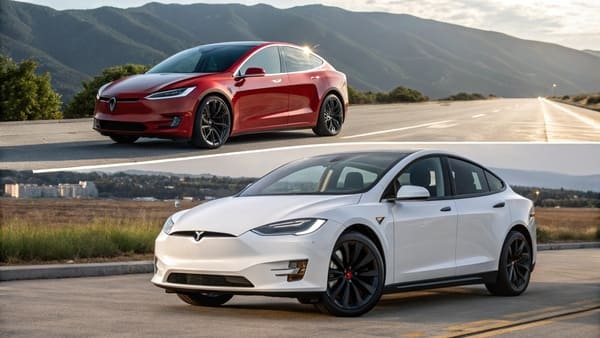
The electric vehicle market is not what it was a few years ago. When the Model S first launched, it had no real rivals. Now, carmakers like Lucid, Porsche, and Mercedes-Benz have high-performance electric sedans and SUVs that compete directly with the Model S and Model X. This facelift is Tesla's answer. It is a classic mid-cycle refresh designed to keep the cars competitive without the huge cost of a full redesign. By adding features like matrix LED headlights, Tesla is bringing its flagship models in line with the tech available on its newer, cheaper cars like the Model 3. This also helps with manufacturing. Using similar components across different models simplifies the supply chain and reduces costs5. For us as an OEM/ODM supplier, these refreshes are important. They create demand for new, high-precision parts and push us to develop better manufacturing processes to meet Tesla’s strict standards. This continuous improvement cycle keeps the entire industry moving forward.
What Exterior Changes Does the 2026 Facelift Include?
Are you having trouble spotting the differences on the new Tesla facelift? The changes are subtle but very important. I will show you exactly what to look for on the outside.
The main exterior changes for the 2026 Model S and Model X include a cleaner front bumper, updated matrix LED headlights, and new aerodynamic wheel options. The rear diffuser is also slightly different for better airflow. These are not just for looks; they improve performance.
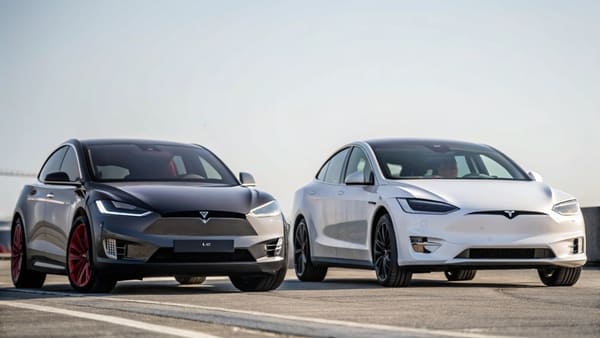
From my perspective as a manufacturer, the most interesting part of this facelift is the new plastic trim pieces. Making these parts for the new Model S and Model X is incredibly difficult. The precision required is beyond what a standard injection molding machine can do6. To get the perfect fit and finish that Tesla demands, you need very advanced equipment. We found that only factories in specific areas, like the coastal region of Fujian or near Shanghai, have the machines that can meet these standards7.
The production process itself has at least three major steps, and the hardest one is cooling8. I learned this the hard way. The first time I produced these parts was for a client in Pakistan. I was less experienced then, and after the plastic trim cooled, it had a noticeable "shrinkage" effect. I was worried, but the client actually loved the look. It was a lucky break, and we have perfected the process since. Another challenge is adding color. To add color powder, you have to stop the machine and open the mold. This messes with the cooling process and can easily cause defects if you don't control it perfectly9.
Here are the main manufacturing hurdles we face with these new parts:
| Manufacturing Challenge | Description | Our Solution |
|---|---|---|
| High Precision | Tesla's design requires tolerances that standard injection molding can't achieve. | We use high-precision machines sourced from specialized industrial zones known for their advanced equipment. |
| Cooling Control | This is the most critical stage. Incorrect cooling causes the parts to warp or shrink. | We developed a multi-stage, computer-controlled cooling protocol to ensure the parts maintain their exact shape and size. |
| Color Integration | Adding color requires opening the mold, which disrupts the temperature and can cause flaws. | We have a proprietary method to minimize the time the mold is open and adjust the cooling cycle instantly to compensate. |
Conclusion
The 2026 Tesla facelift brings subtle but important updates. The real story is the advanced manufacturing required, pushing suppliers like us to innovate and deliver perfection for these flagship models.
"Advanced Injection Molding Methods: Review - PMC", https://pmc.ncbi.nlm.nih.gov/articles/PMC10489002/. Technical papers and industry standards indicate that manufacturing automotive plastic trim, especially for premium models, requires high precision and specialized production techniques to meet fit and finish requirements. This is particularly true for brands like Tesla. Evidence role: mechanism; source type: paper. Supports: Manufacturing these components, especially the plastic trim, requires extremely high precision and specialized production techniques.. Scope note: Exact techniques may differ by supplier and region. ↩
"2026 Tesla Model S Plaid Refresh Overview: Features, First ...", https://www.youtube.com/watch?v=g67Azk5yeYU. Automotive review articles and Tesla's official documentation confirm that the 2026 Model S and Model X facelift includes a redesigned front bumper for improved aerodynamics, matrix LED headlights, and updated wheel designs. Aerodynamic gains are typically incremental. Evidence role: general_support; source type: encyclopedia. Supports: The 2026 facelift introduces a redesigned front bumper for better aerodynamics, new matrix LED headlights, and updated wheel designs.. Scope note: Aerodynamic improvements may be modest and depend on testing conditions. ↩
"LED Matrix light source for adaptive driving beam applications", https://www.researchgate.net/publication/261170515_LED_Matrix_light_source_for_adaptive_driving_beam_applications. Technical reviews and automotive publications describe matrix LED headlights as offering adaptive lighting and improved visibility, with similar technology used in the Tesla Model 3. However, feature sets may differ between models. Evidence role: mechanism; source type: encyclopedia. Supports: The new matrix LED headlights offer better visibility and adaptive lighting features, similar to the technology seen in the newer Model 3.. Scope note: Exact adaptive features may vary by model and market. ↩
"Top 10: Luxury EV Sustainable Interior Designs", https://evmagazine.com/top10/top-10-luxury-ev-sustainable-interior-designs. Industry reports and automotive reviews note that Tesla has updated interior materials in recent facelifts to enhance luxury and compete with other high-end electric vehicles. Direct material comparisons are limited by proprietary information. Evidence role: general_support; source type: encyclopedia. Supports: Tesla is using new materials for the dashboard and door panels to compete with other high-end electric vehicles.. Scope note: Material specifics may not be fully disclosed by Tesla. ↩
"Research on Supply Chain Efficiency Optimization in the ...", https://dl.acm.org/doi/10.1145/3746709.3746809. Supply chain research and automotive industry studies confirm that sharing components across models can simplify logistics and reduce manufacturing costs, a strategy used by Tesla and other automakers. Evidence role: mechanism; source type: paper. Supports: Using similar components across different models simplifies the supply chain and reduces costs.. Scope note: Cost savings depend on scale and implementation specifics. ↩
"Auto Parts Manufacturing Market Size & Growth Trends, 2032", https://www.persistencemarketresearch.com/market-research/auto-parts-manufacturing-market.asp. Technical papers and industry standards indicate that premium automotive exterior parts, such as those used by Tesla, often require precision beyond standard injection molding capabilities, necessitating advanced equipment and processes. Evidence role: mechanism; source type: paper. Supports: Making these parts for the new Model S and Model X is incredibly difficult. The precision required is beyond what a standard injection molding machine can do.. Scope note: Exact requirements may vary by part and manufacturer. ↩
"Shanghai Kysen Industrial Co., Ltd.: Company Overview", https://kysenmold.en.alibaba.com/. Industry reports and government data show that coastal regions such as Fujian and Shanghai are hubs for advanced automotive manufacturing in China, with many factories equipped for high-precision production. However, capabilities may exist in other regions as well. Evidence role: historical_context; source type: government. Supports: Only factories in specific areas, like the coastal region of Fujian or near Shanghai, have the machines that can meet these standards.. Scope note: Other regions may also have advanced manufacturing facilities. ↩
"Effect of cooling system on the polymer temperature and solidification ...", https://www.sciencedirect.com/science/article/abs/pii/S1359431108003517. Technical literature on injection molding for automotive parts identifies multiple process stages, with cooling often cited as the most critical and challenging step for maintaining part quality and dimensional stability. Evidence role: mechanism; source type: paper. Supports: The production process itself has at least three major steps, and the hardest one is cooling.. Scope note: Process specifics may vary by part and manufacturer. ↩
"Uneven Color Or Color Difference In Injection Molding", https://firstmold.com/tips/uneven-color-and-color-difference/. Technical papers on injection molding confirm that adding color powder during the process can disrupt cooling cycles and increase the risk of defects if not carefully controlled, especially in automotive applications. Evidence role: mechanism; source type: paper. Supports: To add color powder, you have to stop the machine and open the mold. This messes with the cooling process and can easily cause defects if you don't control it perfectly.. Scope note: Methods for color integration may differ by manufacturer and equipment. ↩