-That ugly dent on your car hood is a constant eyesore. It ruins your car's look and hurts its value. You need a clear, affordable fix without getting overcharged.
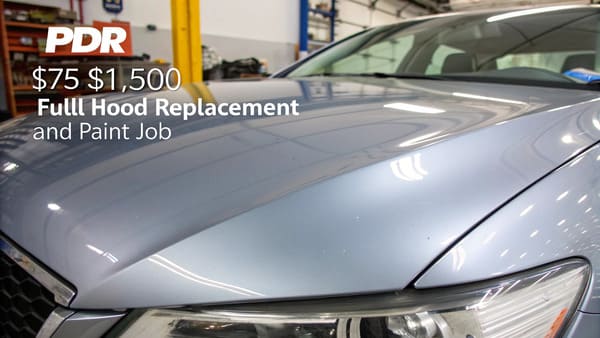
The cost to fix a car hood dent can range from $75 for a small, simple PDR (Paintless Dent Repair) fix to over $1,500 for a full hood replacement and paint job. The final price depends on the dent's size, location, and the repair method used.
A dented hood is more than just a cosmetic problem; it can affect your car's resale value and even its structural integrity. Understanding your repair options is the first step toward getting your car back to looking its best. Let's break down the costs and methods involved.
How Much Does It Cost to Fix a Dent in a Car Hood?
You see the dent and worry about a huge repair bill. Shops can give you wildly different quotes, leaving you confused. Getting a straight answer on pricing helps you budget properly.
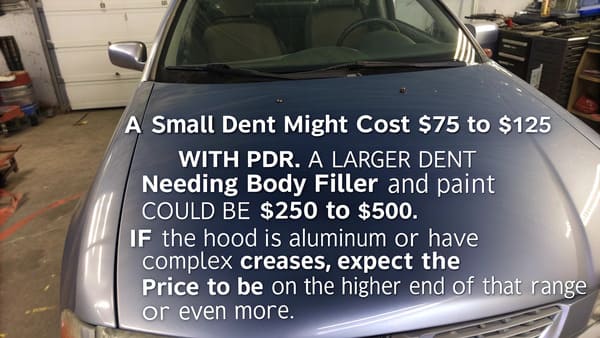
A small dent might cost $75 to $125 with PDR. A larger dent needing body filler and paint could be $250 to $500. If the hood is aluminum or has complex creases, expect the price to be on the higher end of that range or even more.
The price you pay is a direct result of the labor and materials needed. A technician will first assess the dent. Can it be popped out from behind without damaging the paint? If so, Paintless Dent Repair (PDR) is your cheapest option. But if the paint is cracked or the metal is stretched, the process becomes more complex. This involves sanding the area, applying body filler, shaping it to match the hood's contour, and then priming, painting, and clear-coating it. Each of these steps adds time and material costs. For a luxury car with a special three-stage pearl paint, the paint-matching process alone can be very expensive, driving the total cost up significantly. So, a simple-looking dent can sometimes hide a much more complicated and costly repair job underneath.
What Factors Determine the Cost of Car Hood Dent Repair?
Two dents of the same size can have very different repair costs. This makes it hard to know if you're getting a fair price. Understanding the key factors helps you see why.
The main factors are dent size and depth, its location (is it on a body line?), whether the paint is broken, and the hood's material (steel vs. aluminum). Aluminum is harder to work with and costs more to repair than traditional steel, significantly impacting the final bill.
Let's look closer at these factors. A small, shallow dent in the middle of the hood is the easiest and cheapest to fix. But if that same dent is on a sharp body line or near the edge, it requires much more skill to restore the original shape. The technician needs special tools to recreate that crisp line. The material is also huge. Steel has a "memory" and can be pushed back into place relatively easily. Aluminum, on the other hand, is lighter and stronger but stretches when dented. It doesn't want to go back to its original form, so it takes more time and expertise to repair without causing more damage.
| Factor | Impact on Cost | Why It Matters |
|---|---|---|
| Size & Depth | Low to High | Deeper, larger dents require more labor and materials (filler, paint). |
| Location | Medium to High | Dents on body lines or edges are harder to access and reshape. |
| Paint Damage | High | If paint is cracked, it requires sanding, filling, priming, and painting. |
| Hood Material | High | Aluminum is much more difficult and expensive to repair than steel. |
What Are the Best Ways to Repair a Dented Car Hood?
You want the dent gone, but which repair method is best? Choosing the wrong one could lead to a bad finish or cost you too much. Knowing the pros and cons is key.
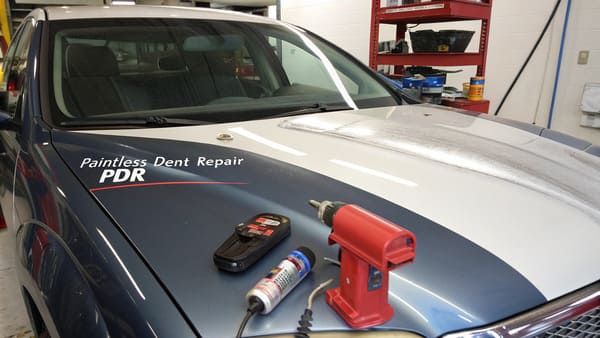
For small dents with intact paint, Paintless Dent Repair (PDR) is the best and cheapest method. For larger dents with paint damage, traditional bodywork (filling, sanding, and painting) is necessary. In severe cases, replacing the entire hood might be the most cost-effective solution.
Choosing the right repair method is critical. PDR is fantastic, but it's not always an option. When traditional bodywork is needed, the process is incredibly precise. From my experience as a parts manufacturer, I can tell you that processing a hood dent requires equipment with very high accuracy. The process has at least three stages, and the most difficult is the cooling and shaping phase. The machines that can do this properly are usually found in specific manufacturing hubs, like coastal areas in Fujian or near Shanghai. Many other machines just don't have the precision. I learned this the hard way on a project with a client from Pakistan. My lack of experience led to the sheet metal "shrinking" more than expected after cooling. Luckily, the client actually liked the unique result, but it taught me a valuable lesson. Another challenge is paint matching. The machine has to be stopped to add color powders, which means opening the mold. This complicates the cooling process and can affect the final shape and finish. It’s a delicate balance of heat, pressure, and timing.
Conclusion
In short, fixing a car hood dent can cost anywhere from under a hundred to over a thousand dollars. The best choice depends on the damage, your budget, and desired quality.