Long, hot hauls are exhausting and uncomfortable. Idling the engine all night just to stay cool burns fuel and wears out your engine, costing you money and time.
The best semi air conditioner is a battery-powered or auxiliary power unit (APU) system. It provides reliable cooling when the engine is off, saving fuel, reducing engine wear, and complying with anti-idling laws. This ensures a driver gets comfortable rest for a safer journey.
Choosing the right system is crucial for any fleet manager or owner-operator. The benefits go far beyond just comfort; they impact your bottom line and the longevity of your equipment. But to make the best choice, you first need to understand what these systems are and why they are so different from a standard car's AC. Let's break down the details to help you find the perfect solution for your long-haul needs.
What Is a Semi Air Conditioner?
Are you confused by terms like APU and no-idle AC? This confusion can make it hard to choose the right system and understand what you are actually buying.
A semi air conditioner is a climate control system made for a truck's sleeper cab. It often works without the main engine. It uses an auxiliary power unit (APU) or a special battery bank. This provides cooling during mandatory rest stops, so the driver stays comfortable.
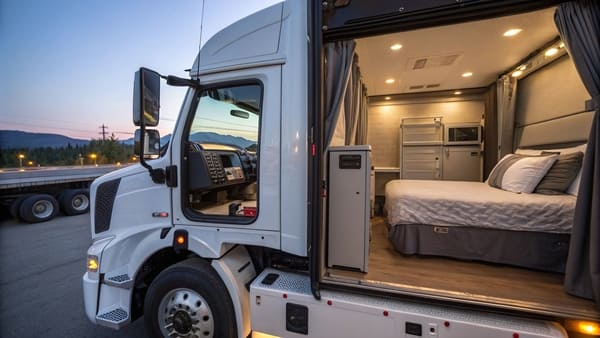
A dedicated semi-truck air conditioner is a much more robust piece of equipment than what you find in a passenger car. Its main purpose is to create a comfortable living space inside the sleeper cab when the truck is parked and the main engine is off. This is essential for the 10-hour rest periods mandated for drivers. There are two primary types of these systems that dominate the market.
APU-Driven vs. Battery-Powered Systems
The choice between these two systems often comes down to upfront cost, maintenance needs, and operating preference.
-
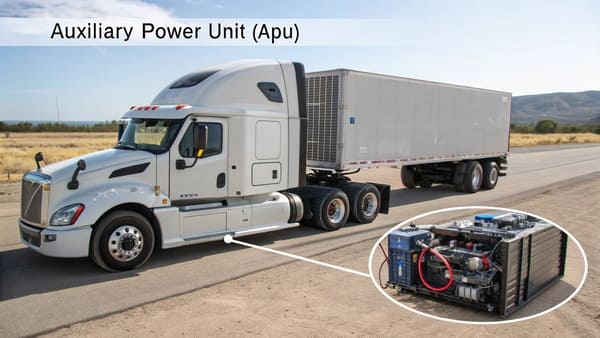
APU-Driven Systems: An Auxiliary Power Unit (APU) is basically a small, separate diesel engine that is mounted on the truck's frame rail. This small engine runs a generator that produces electricity. This electricity powers the air conditioning compressor, and it can also power other hotel loads like a microwave, TV, or laptop chargers. They are very powerful and can run for as long as there is fuel in their dedicated tank.
-
Battery-Powered Systems: These are also called "no-idle" or "electric APU" systems. They use a bank of deep-cycle batteries to power an electric air conditioning compressor. These batteries are charged by the truck's main alternator while the engine is running. They are much quieter than diesel APUs and have zero emissions. However, their runtime is limited by the battery capacity, typically lasting between 8 to 12 hours before needing a recharge.
Here is a simple table to compare them:
| Feature | APU-Driven System | Battery-Powered System |
|---|---|---|
| Power Source | Small diesel engine | Deep-cycle batteries |
| Runtime | Nearly unlimited (with fuel) | Limited (8-12 hours) |
| Noise Level | Moderate | Very quiet |
| Maintenance | Regular (oil changes, filters) | Minimal (battery health checks) |
| Upfront Cost | Higher | Lower to moderate |
| Emissions | Low | Zero |
Both systems are a huge upgrade over idling the main engine, but they serve slightly different needs.
Why Do Semi Trucks Need a Dedicated Air Conditioning System?
Idling the engine all night to run the AC seems easy. But it wastes a huge amount of fuel and causes expensive wear and tear on your main engine.
Semi trucks need a dedicated air conditioning system to provide climate control during rest periods without idling. This saves a lot of fuel, reduces engine wear, complies with anti-idling laws, and ensures the driver gets proper rest for safer driving on the road.
The reasons for investing in a dedicated AC system go far beyond simple comfort. It's a strategic business decision that pays for itself over time. The four main benefits are fuel savings, reduced engine wear, regulatory compliance, and driver wellness. Each of these directly impacts your operational efficiency and profitability. A happy, well-rested driver is a safe and productive driver, and the equipment that supports them is just as important as the main engine itself.
The Financial and Operational Benefits
Let's look at why idling is such a bad alternative. A large truck engine was not designed to run for hours at low RPMs just to power accessories. This practice, known as idling, is incredibly inefficient and damaging.
-
Massive Fuel Savings: A Class 8 truck can burn nearly one gallon of diesel for every hour it idles. During a 10-hour rest period, that's 10 gallons of fuel wasted. If a driver is on the road 250 nights a year, that adds up to 2,500 gallons of diesel. A dedicated APU or battery system uses a small fraction of that, leading to thousands of dollars in savings per truck, per year.
-
Reduced Engine Wear: Idling causes incomplete combustion in the engine's cylinders. This leads to a buildup of soot and carbon deposits on pistons, rings, and valves. It also accelerates wear on all engine components. Using a no-idle AC system can significantly extend the life of the main engine and reduce the frequency of costly overhauls.
-
Regulatory Compliance: Many states and local municipalities have strict anti-idling laws to reduce noise and air pollution. Fines for violating these laws can be hundreds of dollars per incident. A dedicated AC system ensures your fleet is always compliant, avoiding unnecessary tickets and legal issues.
-
Driver Comfort and Safety: This is perhaps the most important benefit. A well-rested driver is an alert and safe driver. Providing a quiet, cool, and comfortable environment for them to sleep in is not a luxury; it's a necessity for road safety. It also improves driver retention, as drivers are more likely to stay with a company that invests in their well-being.
How Does a Semi Air Conditioner Work When the Engine Is Off?
How can a powerful AC run for hours without the engine on? It seems like it would drain the main truck batteries in no time, leaving you stranded.
A semi air conditioner works with the engine off by using an independent power source. This is usually a small diesel engine in an APU, or a large bank of deep-cycle batteries that get charged when the truck is driving. This keeps the cab cool without touching the engine's starting power.
The magic behind these systems lies in their self-contained design. They are engineered to be completely separate from the truck's primary functions. But the reliability of the system doesn't just come from the power source. It comes from the quality of every single component, especially the parts you don't see, like the plastic housings and vents. The manufacturing of these parts is surprisingly complex.
The Power Source and Manufacturing Challenges
First, let's be clear on the power. An APU has its own small engine and generator. A battery system has its own set of high-capacity batteries. In both cases, they power a standard vapor-compression air conditioning cycle, just like in a car, but with components designed for heavy-duty use. However, making the parts that hold everything together is where true manufacturing expertise comes in.
The Hidden Difficulty: Precision Plastic Components
Making the plastic parts for these AC units, like the main housing or the interior vents, is incredibly difficult. A standard injection molding machine just doesn't have the precision needed for these components. The process requires at least three critical stages, and the hardest one is cooling. High-precision machines that can handle this are usually found in specific industrial areas, like the Fujian coast or around Shanghai. Machines from other regions often can't meet the strict tolerance requirements.
I remember my first time working on a project for these AC parts. We were making them for a new client from Pakistan. At the time, we were still perfecting our process. After the injection molding, the plastic housings experienced some minor "shrinkage" during the cooling phase. We were very worried about the final product. To our surprise, the client actually preferred the slightly smaller, tighter fit. It was a lucky break for us, but it taught us a valuable lesson about the absolute need to control every single variable in the cooling process. We have since mastered it, but that experience showed us how a tiny change can affect the final outcome.
Another challenge is adding color. When you need to change the color of the plastic, you have to stop the machine and open the mold to add the color powder or masterbatch. This interruption can cause temperature fluctuations and ruin the delicate cooling cycle, leading to defects or inconsistencies in the parts. It requires careful planning and expert operators to manage this without creating waste. This is why a reliable, high-performance semi AC depends on a supplier who understands these deep manufacturing challenges.
Conclusion
The best semi AC is a dedicated no-idle system. It saves fuel, protects your engine, and keeps drivers safe. The quality of these systems depends on expert manufacturing of every part.