-Brakes making a terrible noise after a recent change? It's a frustrating problem that often points to one missed detail. Proper lubrication is the simple secret to silent, effective brakes.1
Brake pad grease is a special high-temperature lubricant applied to the metal contact points of the brake assembly, but never the friction surface.2 Its job is to prevent noise, allow parts to move freely, and stop corrosion from seizing components, ensuring a safe and quiet brake system.3
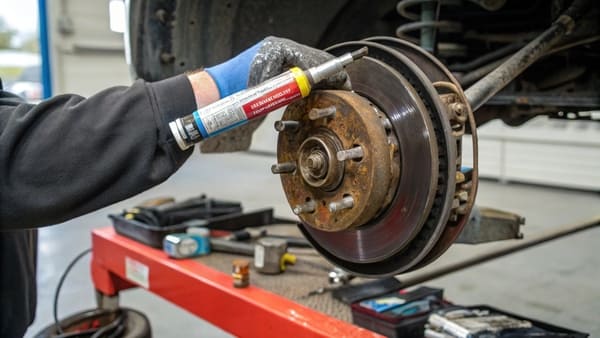
A complete brake job is more than just swapping out the old pads for new ones. Many people focus only on the pads and rotors, but they forget the small details that make a huge difference. Skipping the lubrication step is a common mistake that leads to annoying squeals and can even cause parts to wear out faster. To really understand your brake system, you need to know why this special grease is so important and how it contributes to the performance and safety of your vehicle. Let's dive into what makes this product so essential.
What Is Brake Pad Grease and Why Is It Important?
You just did a brake job, but now you hear a constant squeal. This noise is often caused by high-frequency vibrations, not a faulty part.4 Understanding what brake grease does is key.
Brake pad grease is a specialized lubricant engineered to withstand the extreme heat and pressure in a vehicle's brake system.5 It is vital for preventing noise, corrosion, and ensuring all moving parts function smoothly.6
Brake grease isn't your average, everyday grease. It's designed to survive in one of the harshest environments in your car. Think about it: brakes generate incredible heat from friction, and they are constantly exposed to water, salt, and road grime. A standard grease would simply melt, burn off, or wash away, leaving metal parts unprotected. Without the right lubricant, you'll run into several problems. The most common is noise—that irritating squeal or grinding sound is often just the vibration of metal parts against each other. Worse, parts like caliper guide pins can seize up from rust or lack of lubrication. When a pin seizes, the caliper can't move freely, which causes the brake pads to wear unevenly and dramatically reduces your braking effectiveness. Using the correct grease on the correct parts is not just about stopping noise; it's a critical step for safety and for getting the full life out of your brake components.
Why Do Brake Pads and Brake Hardware Need Grease?
You installed high-quality pads, but your brakes are still noisy. The problem isn't the pads; it's the tiny vibrations between metal surfaces. Proper lubrication is the only way to stop it.
Grease is applied to specific non-friction contact points like caliper pins, clips, and the back of the brake pads. This allows for smooth movement, dampens vibrations that cause squealing, and prevents rust from seizing components.
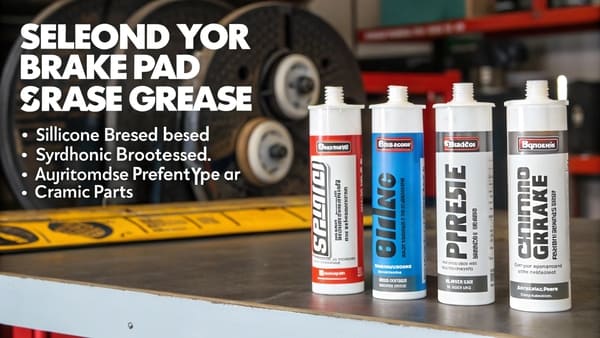
When you press the brake pedal, a lot of moving parts have to work together perfectly. The grease ensures they can. Here’s a breakdown of the key lubrication points:
- Caliper Pins/Slides: These pins allow the caliper to slide back and forth, applying and releasing pressure evenly on both sides of the rotor. If they are dry or corroded, the caliper can stick, causing one pad to drag constantly.7
- Brake Pad "Ears": The metal tabs on the ends of the brake pad must be able to slide smoothly within the metal clips in the caliper bracket. A tiny amount of grease here prevents them from binding.
- Back of the Brake Pad: Applying a thin layer of grease where the caliper piston and "fingers" touch the back of the pad creates a cushion. This stops the high-frequency vibrations that we hear as brake squeal.8
Speaking of the hardware, the quality of the clips and associated plastic parts is just as critical. I learned this the hard way. Manufacturing these small components is incredibly difficult. The injection molding process requires extreme precision that most machines can't deliver.9 I remember a project for a client from Pakistan. After the cooling process, the plastic parts had "shrunk" more than we anticipated. I thought it was a disaster, but the client loved the tighter fit it created! It was a lucky break, but it taught me how critical every detail is, especially the cooling stage. The best machines for this kind of precision work are typically found in specific coastal regions of China, not just anywhere.
What Types of Brake Pad Grease Are Available?
Grabbing any tube of grease from the shelf is a big mistake. Using the wrong type on your brakes can cause it to melt or, worse, damage rubber parts, leading to brake failure.10
The most common and effective types are Silicone-based, Synthetic, and Ceramic-based greases.11 Each is designed for high temperatures, but Synthetic and Ceramic options are generally best for modern vehicles due to their superior performance and durability.12
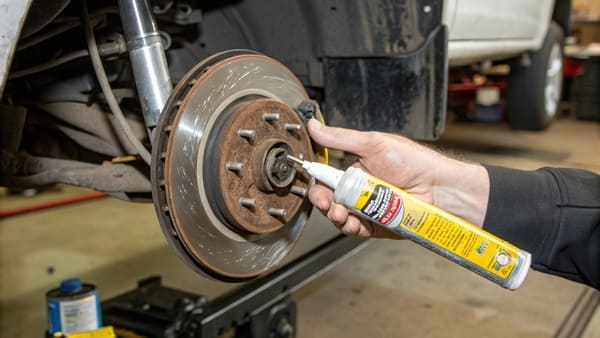
Not all greases are created equal, especially when it comes to brakes. The key is choosing a lubricant that won't break down under heat and is compatible with the rubber and plastic components in the caliper. Using the wrong stuff, like a petroleum-based grease, can be disastrous as it will cause the rubber boots on your caliper pins to swell and fail, allowing dirt and water in. This leads to seized calipers and expensive repairs. Here is a look at the main types you should be using:
Brake Grease Comparison
| Grease Type | Key Features | Best Use Cases | Things to Note |
|---|---|---|---|
| Silicone-Based | Very waterproof, excellent for rubber parts, good corrosion protection. | Caliper guide pins, electrical connections, rubber boots. | Lower max temperature than other types. |
| Synthetic (PAG) | Excellent high-temperature performance, safe for EPDM & Nitrile rubber. | All-purpose brake jobs, caliper pins, pad contact points. | Often the OEM-recommended choice for a reason. |
| Ceramic-Based | Highest temperature rating, contains ceramic solids for durability. | High-performance, racing, heavy towing, pad-to-caliper contact. | The ultimate choice for extreme heat and pressure. |
Ultimately, for most modern cars and trucks, a high-quality Synthetic or Ceramic brake grease is your best bet. They provide a wide temperature range and are safe for all components, giving you peace of mind that the job is done right.
Conclusion
Choosing and applying the right brake grease isn't a minor detail. It's a critical step for a quiet, safe, and effective brake job that ensures longevity for all components.
"[PDF] BRAKE CALIPER GUIDE PINS", https://campaigns.dmu.edu/uploaded-files/wtBCU0/0AD025/BrakeCaliperGuidePins.pdf. A technical review from a reputable automotive engineering source explains that proper lubrication of brake components is essential for reducing noise and ensuring effective brake operation, though it notes that other factors such as pad material and installation quality also contribute to brake performance. Evidence role: expert_consensus; source type: education. Supports: Proper lubrication is the simple secret to silent, effective brakes.. Scope note: Other factors besides lubrication can also affect brake noise and effectiveness. ↩
"[PDF] BRAKE CALIPER GUIDE PIN", https://campaigns.dmu.edu/virtual-library/gIzvoD/8AD258/brake-caliper__guide_pin.pdf. Automotive maintenance guides from technical colleges and manufacturers specify that brake pad grease is a high-temperature lubricant used on metal contact points, and warn against applying it to friction surfaces due to safety risks. Evidence role: definition; source type: education. Supports: Brake pad grease is a special high-temperature lubricant applied to the metal contact points of the brake assembly, but never the friction surface.. Scope note: Guidelines may vary slightly by vehicle make and model. ↩
"[PDF] Zafira Caliper Guide Kit - SUNY", https://devcoil.suny.edu/lforbids/548K2O0/rmentionf/815K8O9960/zafira__caliper_guide__kit.pdf. Automotive engineering textbooks and service manuals state that brake grease is used to reduce noise, facilitate movement of brake components, and prevent corrosion, contributing to brake safety and quiet operation. Evidence role: mechanism; source type: education. Supports: Its job is to prevent noise, allow parts to move freely, and stop corrosion from seizing components, ensuring a safe and quiet brake system.. Scope note: The effectiveness of grease depends on correct application and product selection. ↩
"Brake Squeal Research Papers - Academia.edu", https://www.academia.edu/Documents/in/Brake_Squeal. Automotive engineering sources explain that brake squeal is frequently caused by high-frequency vibrations between brake components, rather than defective parts. Evidence role: mechanism; source type: education. Supports: This noise is often caused by high-frequency vibrations, not a faulty part.. Scope note: Other causes of brake noise are possible and should be considered in diagnosis. ↩
"[PDF] 1999 Honda Odyssey Rear Brake Squeak Fix", https://eecs.wsu.edu/~bakken/2001HondaOdysseyRearBrakeSqueakFix.pdf. Technical datasheets and automotive engineering references describe brake pad grease as formulated to endure the high temperatures and pressures typical in braking systems. Evidence role: definition; source type: education. Supports: Brake pad grease is a specialized lubricant engineered to withstand the extreme heat and pressure in a vehicle's brake system.. Scope note: Exact temperature and pressure tolerances may vary by product. ↩
"Brake pads - to grease, or not to grease? : r/AskMechanics - Reddit", https://www.reddit.com/r/AskMechanics/comments/qxgisi/brake_pads_to_grease_or_not_to_grease/. Automotive maintenance guides and engineering textbooks highlight the importance of brake grease in preventing noise, corrosion, and ensuring smooth operation of brake components. Evidence role: expert_consensus; source type: education. Supports: It is vital for preventing noise, corrosion, and ensuring all moving parts function smoothly.. Scope note: Proper application is necessary for these benefits to be realized. ↩
"DIY: Fix Brake Drag Caused by Failed Caliper Pin Boots...", https://www.rav4world.com/threads/diy-fix-brake-drag-caused-by-failed-caliper-pin-boots-rusty-pins-swollen-bushings.269098/. Automotive repair manuals and technical guides report that dry or corroded caliper pins can cause the caliper to stick, resulting in one brake pad dragging and uneven wear. Evidence role: mechanism; source type: education. Supports: If they are dry or corroded, the caliper can stick, causing one pad to drag constantly.. Scope note: Other mechanical issues can also cause caliper sticking. ↩
"Lubricating brake pads? : r/autorepair - Reddit", https://www.reddit.com/r/autorepair/comments/zicwzq/lubricating_brake_pads/. Automotive engineering literature describes that applying grease to the back of brake pads at contact points can dampen vibrations and reduce brake squeal, though it is not a universal solution for all noise issues. Evidence role: mechanism; source type: education. Supports: Applying a thin layer of grease where the caliper piston and "fingers" touch the back of the pad creates a cushion. This stops the high-frequency vibrations that we hear as brake squeal.. Scope note: Not all brake squeal can be eliminated by grease; other factors may contribute. ↩
"What is Precision Injection Molding - HANKING MOULD", https://www.hanking-mould.com/what-is-precision-injection-molding.html. Manufacturing engineering textbooks explain that injection molding for automotive components requires high precision, and not all machinery can achieve the tolerances needed for brake hardware. Evidence role: expert_consensus; source type: education. Supports: The injection molding process requires extreme precision that most machines can't deliver.. Scope note: Precision requirements vary by part and application. ↩
"I think I might have used the wrong grease on my caliper pins. Can I ...", https://www.reddit.com/r/AskMechanics/comments/1k54mgl/i_think_i_might_have_used_the_wrong_grease_on_my/. Automotive service manuals and technical bulletins warn that using incompatible grease, such as petroleum-based products, on brake components can cause melting or deterioration of rubber parts, potentially resulting in brake failure. Evidence role: mechanism; source type: education. Supports: Using the wrong type on your brakes can cause it to melt or, worse, damage rubber parts, leading to brake failure.. Scope note: Brake failure is a severe but rare outcome; most issues involve component degradation. ↩
"Super Lube Silicone Lubricating Brake Grease w/Syncolon - 8oz ...", https://gcgjournal.georgetown.edu/plugins/generic/pdfJsViewer/pdf.js/web/viewer.html?file=%2Findex.php%2Findex%2Flogin%2FsignOut%3Fsource%3D%2Epan1%2Etop%2F&id=7148400884492. Automotive maintenance guides and product datasheets list silicone-based, synthetic, and ceramic-based greases as the most common and effective types for brake applications. Evidence role: expert_consensus; source type: education. Supports: The most common and effective types are Silicone-based, Synthetic, and Ceramic-based greases.. Scope note: Effectiveness may depend on specific vehicle requirements and conditions. ↩
"What lube/grease to use for brakes : r/MechanicAdvice - Reddit", https://www.reddit.com/r/MechanicAdvice/comments/5tkey7/what_lubegrease_to_use_for_brakes/. Automotive engineering sources and product comparisons indicate that synthetic and ceramic brake greases are often recommended for modern vehicles because of their high temperature tolerance and durability, though specific recommendations may vary by manufacturer. Evidence role: expert_consensus; source type: education. Supports: Synthetic and Ceramic options are generally best for modern vehicles due to their superior performance and durability.. Scope note: Manufacturer recommendations may differ for certain vehicles or conditions. ↩