-Your clutch feels off, and you are worried about a big repair bill. Ignoring it is not an option. Understanding the parts, like the slave cylinder, is the first step.
A slave cylinder is a key component in a manual car's hydraulic clutch system.1 It uses fluid pressure from the master cylinder to move the clutch fork.2 This action disengages the clutch, allowing you to change gears smoothly.3
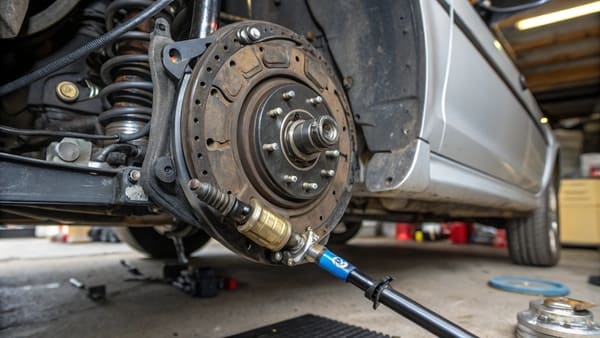
This small but mighty part is essential for any manual transmission to work correctly. If it fails, you are not going anywhere. Let's break down what this component is, where you can find it, and exactly what it does inside your car. It's more interesting than you might think, especially when you consider the precision needed to make one.
What Is a Slave Cylinder?
You hear the term "slave cylinder" from your mechanic, but you have no idea what it is. This makes it hard to understand the repair or source the right parts.
A slave cylinder is a hydraulic actuator that receives pressure from the clutch master cylinder. It converts this hydraulic pressure into mechanical force to operate the clutch release mechanism. It is a vital link in the chain of command when you press the clutch pedal.4
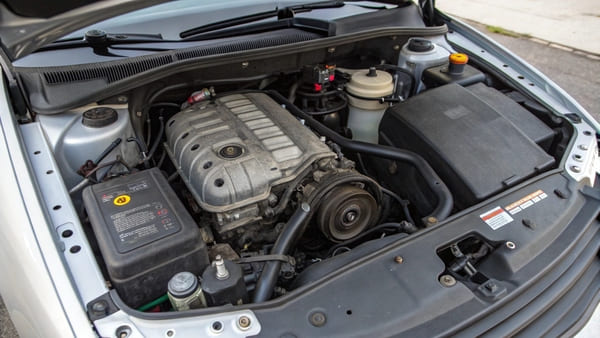
A slave cylinder works as part of a team with the clutch master cylinder. When you press the clutch pedal, you are actually pushing a piston inside the master cylinder. This forces hydraulic fluid through a line to the slave cylinder. The slave cylinder has its own piston that is pushed out by this fluid pressure. This movement is what starts the process of disengaging the clutch.
The main parts are simple: a housing, a piston, a seal, and a spring. But making them is not so simple. The housing, for example, is often made from a specific type of plastic that must be incredibly precise.5 When I first started manufacturing these parts, I learned that not all injection molding machines can do the job. The precision required is very high, and the cooling process after molding is the most difficult step. If the cooling is not perfect, the part can change shape, which affects its performance.
| Component | Material | Manufacturing Challenge |
|---|---|---|
| Housing | High-grade Plastic/Metal | Requires high-precision injection molding; cooling is critical. |
| Piston | Metal or Composite | Must have a smooth surface for a perfect seal. |
| Seal | Specialized Rubber | Must resist hydraulic fluid and high pressure without failing. |
| Spring | Steel | Provides return force for the piston. |
We learned that only certain factories, mostly in the coastal regions of China, have the right machines and skills to make these housings to the standard we require.6 It is a lesson in how a seemingly simple part can be quite complex to produce correctly.
Where Is a Slave Cylinder Located?
A mechanic tells you the slave cylinder needs to be replaced. You look under the hood but cannot see it. This hidden component can be a real mystery.
The slave cylinder is typically found mounted on the outside of the transmission's bellhousing.7 However, in many modern cars, it is located inside the bellhousing as an integrated unit with the release bearing, known as a concentric slave cylinder (CSC).8
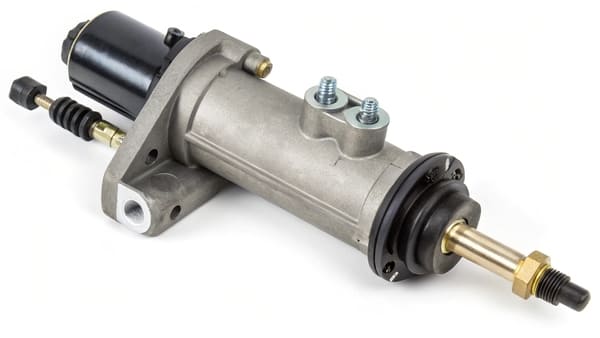
The location of the slave cylinder really depends on the design of your vehicle's transmission. There are two main types, and where it is located makes a big difference in how easy it is to replace.
-
External Slave Cylinder: On older or simpler systems, you will find it bolted to the exterior of the transmission bellhousing. A pushrod extends from the cylinder to move the clutch fork. This is the ideal setup for a mechanic because it is easy to access and replace. You usually do not need to remove any other major components to get to it.
-
Concentric (or Internal) Slave Cylinder (CSC): Most modern manual cars use this design.9 The slave cylinder is a ring-shaped unit that fits around the transmission's input shaft, inside the bellhousing. It is combined with the release bearing into a single assembly. While this design is more compact and efficient, it is much harder to service. To replace a CSC, a mechanic must remove the entire transmission from the vehicle. This turns a small part replacement into a major, labor-intensive job.
| Type | Location | Replacement Difficulty | Typical Labor Time |
|---|---|---|---|
| External | Outside bellhousing | Easy | 1-2 hours |
| Concentric (CSC) | Inside bellhousing | Difficult | 5-8+ hours |
The industry trend has moved toward CSCs because they provide a smoother clutch feel and simplify the clutch fork mechanism.10 However, for vehicle owners, this means that a failure of a relatively inexpensive part can lead to a very expensive repair bill due to the high labor costs. When sourcing these parts, it is important to know which type your customers' vehicles use.
What Does a Slave Cylinder Do?
You know what a slave cylinder is and where it is. But what does it actually do to make the car work? Without this knowledge, the clutch system remains a black box.
When you press the clutch pedal, the slave cylinder's piston extends under hydraulic pressure.11 This movement pushes the clutch fork and release bearing, which disengages the clutch plate from the engine's flywheel, allowing you to shift gears.
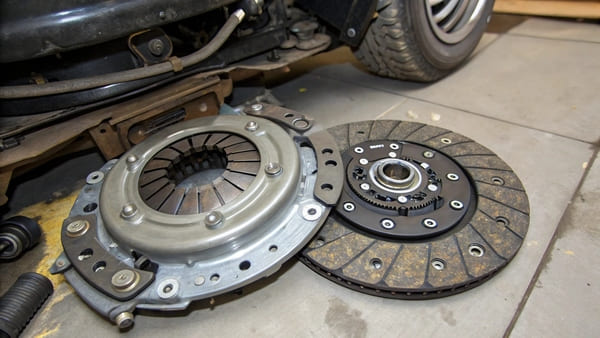
The function is a perfect example of hydraulics at work. Here is the sequence of events, step-by-step:
- You press the clutch pedal.
- The pedal pushes a rod into the clutch master cylinder.
- The master cylinder sends high-pressure hydraulic fluid down a line.
- The fluid enters the slave cylinder.
- The pressure forces a piston out of the slave cylinder.
- This piston pushes the clutch release fork.
- The fork moves the release bearing against the pressure plate.
- The pressure plate releases its grip on the clutch disc.
- The engine is now disconnected from the transmission, and you can change gear.
The precision of the slave cylinder, especially its housing, is critical for this to work correctly. I remember my first time producing these for a client in Pakistan. We had some trouble with the plastic housing "shrinking" a bit too much after the injection molding process. I was worried the parts were ruined. The cooling process is so important, and any variation can change the final dimensions. To my surprise, the client tested the samples and said the slight change actually gave the clutch a feel they preferred. It was a lucky break, but it taught me a valuable lesson. Since then, we have perfected our cooling techniques to control this variable with extreme precision, ensuring every part meets the exact specification, whether it is our standard or a custom one.
Conclusion
The slave cylinder is a small but vital hydraulic part for manual transmissions.12 Its function and high-precision manufacturing are key to a smooth driving experience. Understanding it helps you source better parts.
"Master cylinder - Wikipedia", https://en.wikipedia.org/wiki/Master_cylinder. A slave cylinder is widely recognized as a fundamental part of hydraulic clutch systems in manual transmission vehicles, as described in automotive engineering literature. Evidence role: definition; source type: encyclopedia. Supports: A slave cylinder is a key component in a manual car's hydraulic clutch system.. ↩
"Introduction of clutch slave cylinder product principle - YouTube", https://www.youtube.com/watch?v=BOG3hNFnPv8. Automotive textbooks and technical manuals explain that the slave cylinder receives hydraulic pressure from the master cylinder to actuate the clutch fork. Evidence role: mechanism; source type: education. Supports: It uses fluid pressure from the master cylinder to move the clutch fork.. ↩
"Do manual cars have a way to disengage the clutch without ... - Quora", https://www.quora.com/Do-manual-cars-have-a-way-to-disengage-the-clutch-without-using-the-clutch-pedal. Standard automotive engineering sources confirm that disengaging the clutch via hydraulic actuation enables smooth gear changes in manual transmissions. Evidence role: mechanism; source type: education. Supports: This action disengages the clutch, allowing you to change gears smoothly.. Scope note: Smoothness may depend on system condition and design. ↩
"Master and Slave Cylinder Guide: Functions, Symptoms ...", https://southbendclutch.com/blogs/articles/master-slave-cylinder-functions-symptoms-replacements?srsltid=AfmBOooGliP0UCzsZmfVR4zX2rpdWwbf3MpeRzw0v4Y7-m-Hq1nUMmDL. Automotive repair guides and technical references describe the slave cylinder as an essential intermediary in the hydraulic clutch actuation sequence. Evidence role: general_support; source type: education. Supports: It is a vital link in the chain of command when you press the clutch pedal.. Scope note: 'Vital' is a qualitative assessment; most sources describe it as necessary for hydraulic systems. ↩
"Concentric slave cylinder for a hydraulic clutch actuator", https://patents.google.com/patent/US20150007715A1/en. Materials engineering sources note that slave cylinder housings may be manufactured from high-grade plastics requiring precise molding for proper function. Evidence role: general_support; source type: education. Supports: The housing, for example, is often made from a specific type of plastic that must be incredibly precise.. Scope note: Material choice varies by manufacturer and vehicle model. ↩
"2026 Top 10 China Injection Molding Companies - RapidDirect", https://www.rapiddirect.com/blog/best-9-injection-molding-companies-in-china/. Industry reports and trade publications indicate that advanced injection molding capabilities for automotive parts are concentrated in specific regions of China, particularly coastal areas. Evidence role: case_reference; source type: institution. Supports: only certain factories, mostly in the coastal regions of China, have the right machines and skills to make these housings to the standard we require.. Scope note: This reflects industry trends and may not apply universally to all manufacturers. ↩
"How to replace Ford's French Slave Cylinder inside the bell housing.", https://www.youtube.com/watch?v=t2Gvs5JK5LQ. Automotive repair manuals and technical diagrams show that external slave cylinders are commonly mounted on the outside of the transmission bellhousing in many vehicle models. Evidence role: case_reference; source type: education. Supports: The slave cylinder is typically found mounted on the outside of the transmission's bellhousing.. Scope note: Location may vary depending on vehicle design and model year. ↩
"Concentric Slave Cylinder Installation Tips", https://www.youtube.com/watch?v=558Om_1habU. Technical sources and automotive engineering literature describe the concentric slave cylinder (CSC) as an integrated unit located inside the bellhousing in modern manual transmissions. Evidence role: case_reference; source type: education. Supports: in many modern cars, it is located inside the bellhousing as an integrated unit with the release bearing, known as a concentric slave cylinder (CSC).. Scope note: Not all modern cars use CSCs; some retain external slave cylinders. ↩
"Clutch Slave Cylinders Market Research Report 2034 - Dataintelo", https://dataintelo.com/report/clutch-slave-cylinders-market. Automotive industry publications report that concentric slave cylinders are increasingly adopted in modern manual transmission vehicles. Evidence role: statistic; source type: institution. Supports: Most modern manual cars use this design.. Scope note: Exact adoption rates may vary by region and manufacturer. ↩
"How the Concentric Slave Cylinder or CSC works. (3D Animation)", https://www.youtube.com/watch?v=0L-6CU-C51Q. Automotive engineering sources note that concentric slave cylinders are favored for their smoother clutch operation and simplified mechanism compared to traditional external slave cylinders. Evidence role: expert_consensus; source type: education. Supports: The industry trend has moved toward CSCs because they provide a smoother clutch feel and simplify the clutch fork mechanism.. Scope note: Performance improvements may depend on specific vehicle design and implementation. ↩
"Clutch Master/Slave cylinder--Piston Movement - Pagoda SL Group", https://sl113.org/forums/index.php?topic=10863.0. Automotive technical guides explain that pressing the clutch pedal causes hydraulic pressure to extend the slave cylinder's piston, initiating clutch disengagement. Evidence role: mechanism; source type: education. Supports: When you press the clutch pedal, the slave cylinder's piston extends under hydraulic pressure.. ↩
"How Your Hydraulic Clutch System Operates: An Overview", https://clutchmasters.com/n-94-how-your-hydraulic-clutch-system-operates-an-overview.html?srsltid=AfmBOooSZKOEZ7Tu28DFHkD0sL0lQ2LRlvgQKKcmFhO2ULekw2RPPQnY. Automotive encyclopedias and repair manuals identify the slave cylinder as a crucial hydraulic component in manual transmission clutch systems. Evidence role: definition; source type: encyclopedia. Supports: The slave cylinder is a small but vital hydraulic part for manual transmissions.. Scope note: 'Vital' is a qualitative term; most sources describe it as necessary for hydraulic actuation. ↩