-Is your clutch pedal acting strange, feeling spongy or dropping to the floor? A faulty slave cylinder might be the cause, preventing you from shifting gears and leaving you stranded.1
A slave cylinder is a key hydraulic part in a manual transmission.2 It receives pressurized fluid from the master cylinder when you press the clutch pedal.3 This pressure moves a rod that disengages the clutch, which is what allows you to change gears smoothly and efficiently.4
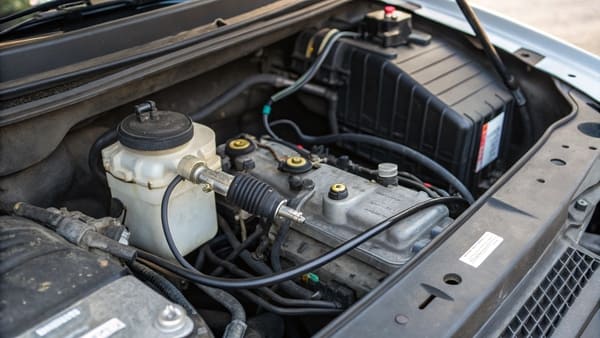
The clutch system in a manual car seems complex, but it relies on a few core components working together. The slave cylinder is one of the most important players in this system. If it fails, the entire process breaks down. In my years of manufacturing automotive parts, I've seen how a tiny seal or a small crack in this component can lead to major vehicle problems. Let's dive deeper into what this part is, what it does, and where you can find it. Understanding this will help you diagnose issues and appreciate the engineering behind every gear shift.
What Is a Slave Cylinder?
You hear mechanics talk about the "slave cylinder," but what exactly is it? The term sounds technical, but its role is straightforward and vital for your car's operation.
A slave cylinder is a small hydraulic actuator found in a manual car's clutch system.5 Think of it as a small hydraulic ram. It uses fluid pressure to create movement, pushing the clutch fork to disengage the clutch plate from the engine's flywheel.6
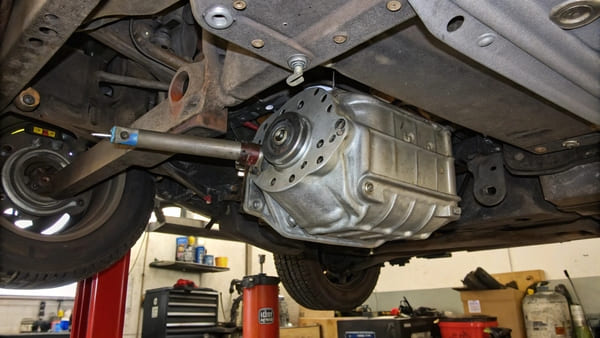
When we manufacture these parts, precision is everything. Even the smallest component, like the plastic dust cover, demands incredible attention to detail. I remember one of our first projects for a Pakistani client involved producing these dust covers. The manufacturing process is tricky. The cooling stage is especially difficult, as any inconsistency can cause the part to deform. We had to use highly specialized injection molding machines, the kind you typically only find in factories around Shanghai or the Fujian coast. In our first run, the dust covers experienced more shrinkage than expected after cooling. I was worried, but the client actually preferred the tighter fit. It was a lesson in how manufacturing "mistakes" can sometimes lead to unexpected improvements. Since then, we perfected the process, ensuring every component meets exact specifications.
Key Components of a Slave Cylinder
A slave cylinder is made up of several parts that must work together perfectly.
| Component | Function |
|---|---|
| Housing | The main body that contains the piston and hydraulic fluid. |
| Piston | A plunger that moves back and forth inside the housing when fluid pressure changes. |
| Seal | A rubber seal that prevents hydraulic fluid from leaking past the piston. |
| Pushrod | The rod that extends from the piston to push against the clutch release fork. |
| Bleeder Valve | A small valve used to purge air from the hydraulic system. |
| Dust Cover/Boot | A flexible rubber or plastic cover that protects the piston and seal from dirt and moisture. |
What Does a Slave Cylinder Do?
Knowing what it is helps, but what is its actual job in the car? Its function is the bridge between your foot on the pedal and the transmission changing gears.
The slave cylinder’s main job is to convert hydraulic pressure from the master cylinder into physical force.7 This force moves the clutch fork, which presses on the release bearing, disengaging the clutch so you can shift gears without grinding them.8
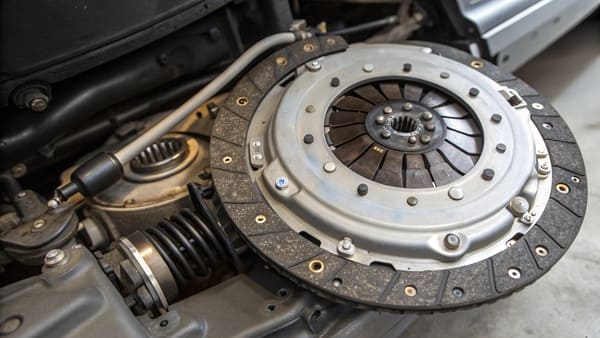
Let's trace the action from start to finish. When you decide to change gears, you press the clutch pedal. This simple action starts a chain reaction. The pedal pushes a rod into the clutch master cylinder, creating pressure in the hydraulic fluid. This pressurized fluid has nowhere to go but through a line leading directly to the slave cylinder. Once the fluid reaches the slave cylinder, it forces a small piston and pushrod to move outward with significant force. This pushrod is positioned against the clutch release fork. The movement of the pushrod pivots the fork, which in turn pushes the release bearing against the pressure plate. This action releases the clamping force on the clutch disc, separating it from the engine's flywheel. Power is now cut off from the transmission, and you can select a new gear. As a manufacturer, we pay close attention to the seals and housing materials to ensure they can withstand this constant pressure without leaking, as a leak is the most common point of failure.
Where Is a Slave Cylinder Located?
So, you think you have a slave cylinder problem, but where do you even look for it? Finding it is the first step to any inspection or replacement.
The slave cylinder is mounted on the transmission's bell housing.9 On many vehicles, it's an external part that you can see on the outside of the transmission case. However, some modern cars use an internal, or concentric, slave cylinder located inside the bell housing.10
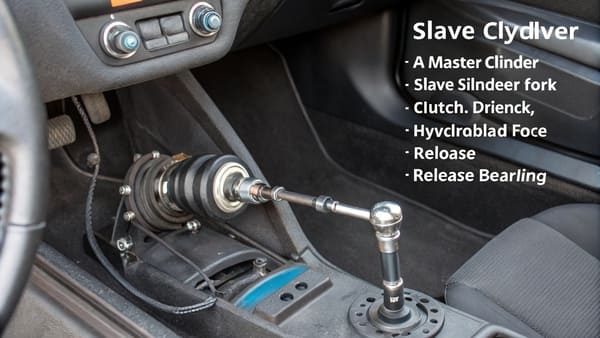
The location of the slave cylinder depends on the vehicle's design, which leads to two main types: external and internal. As an OEM supplier, we produce both designs based on our clients' specific vehicle platforms. The traditional external slave cylinder is bolted to the outside of the transmission. Its pushrod passes through an opening in the bell housing to act on the clutch fork. This design is great for serviceability because you can access and replace it without removing the entire transmission. The internal, or concentric, slave cylinder is a more modern design. It combines the slave cylinder and the release bearing into a single unit that fits around the transmission's input shaft.11 This setup is more compact and efficient but has a major drawback: if it fails, the entire transmission must be removed to replace it. This makes the repair much more labor-intensive and expensive.12
External vs. Internal Slave Cylinders
Understanding the difference is key for maintenance and repair planning.
| Feature | External Slave Cylinder | Internal (Concentric) Slave Cylinder |
|---|---|---|
| Location | Outside the transmission bell housing. | Inside the bell housing, around the input shaft. |
| Accessibility | Easy to access and replace. | Difficult to access; requires transmission removal. |
| Design | Separate from the release bearing. | Integrated with the release bearing. |
| Labor for Replacement | Low. Typically a quick job. | High. A major, time-consuming repair. |
Conclusion
In short, the slave cylinder is a small but essential hydraulic part for a manual transmission. Knowing its function, location, and types helps diagnose clutch problems and keep your car running smoothly.
"Signs That Your Clutch Slave Cylinder Might Be Failing", https://clutchmasters.com/n-139-signs-that-your-clutch-slave-cylinder-might-be-failing.html?srsltid=AfmBOopv3BUNwpxzU0YKKZ-qut-kURgEg5FCi7aJDuOfjs-TAkzRt3F3. Automotive repair manuals and technical guides confirm that a failed slave cylinder can prevent gear shifting and may immobilize a vehicle, though other clutch system faults can produce similar symptoms. Evidence role: general_support; source type: education. Supports: A faulty slave cylinder might be the cause, preventing you from shifting gears and leaving you stranded.. Scope note: Other clutch system failures can cause similar issues; not all gear shifting problems are due to the slave cylinder. ↩
"Master cylinder - Wikipedia", https://en.wikipedia.org/wiki/Master_cylinder. Automotive engineering textbooks and encyclopedias describe the slave cylinder as a fundamental hydraulic component in manual transmission clutch systems. Evidence role: definition; source type: encyclopedia. Supports: A slave cylinder is a key hydraulic part in a manual transmission.. Scope note: Descriptions may vary for vehicles with non-hydraulic clutch systems. ↩
"Master and Slave Cylinder Guide: Functions, Symptoms ...", https://southbendclutch.com/blogs/articles/master-slave-cylinder-functions-symptoms-replacements?srsltid=AfmBOooUP1hah0j07QEvA_CZ_KDQjnyauWgHlbyomYNHlK3OsQJkJj0L. Automotive repair guides and technical diagrams show that the slave cylinder receives hydraulic fluid from the master cylinder when the clutch pedal is depressed. Evidence role: mechanism; source type: education. Supports: It receives pressurized fluid from the master cylinder when you press the clutch pedal.. Scope note: This mechanism applies to hydraulic clutch systems; cable-operated systems differ. ↩
"Adjusting hydraulic clutch engagement point? - Facebook", https://www.facebook.com/groups/642530021153943/posts/1292232732850332/. Automotive engineering sources explain that hydraulic pressure from the slave cylinder moves a rod or pushrod to disengage the clutch, enabling smooth gear changes. Evidence role: mechanism; source type: education. Supports: This pressure moves a rod that disengages the clutch, which is what allows you to change gears smoothly and efficiently.. Scope note: The exact mechanism may differ in vehicles with cable or mechanical clutch systems. ↩
"Master cylinder - Wikipedia", https://en.wikipedia.org/wiki/Master_cylinder. Automotive encyclopedias and technical manuals define the slave cylinder as a hydraulic actuator used in manual transmission clutch systems. Evidence role: definition; source type: encyclopedia. Supports: A slave cylinder is a small hydraulic actuator found in a manual car's clutch system.. Scope note: Some vehicles use cable-operated clutch systems instead of hydraulic actuators. ↩
"The work of the clutch slave cylinder is to convert hydraulic pressure ...", https://www.facebook.com/groups/automotiveforum/posts/466120506254260/. Automotive engineering textbooks describe how the slave cylinder uses hydraulic pressure to move the clutch fork, disengaging the clutch plate from the flywheel. Evidence role: mechanism; source type: education. Supports: It uses fluid pressure to create movement, pushing the clutch fork to disengage the clutch plate from the engine's flywheel.. Scope note: Mechanism may differ in vehicles with alternative clutch actuation systems. ↩
"Introduction of clutch slave cylinder product principle - YouTube", https://www.youtube.com/watch?v=BOG3hNFnPv8. Automotive repair manuals and technical guides state that the slave cylinder converts hydraulic pressure from the master cylinder into mechanical force to operate the clutch. Evidence role: definition; source type: education. Supports: The slave cylinder’s main job is to convert hydraulic pressure from the master cylinder into physical force.. Scope note: This applies to hydraulic clutch systems; cable systems operate differently. ↩
"Hydraulic Release Bearing - Clutch Masters", https://clutchmasters.com/i-30500982-hydraulic-release-bearing.html?srsltid=AfmBOorVrUCPFFgzNJNWBkejHmLP-xzcGfwvDySCHPb2zSPdl39fobG-. Automotive engineering sources confirm that the slave cylinder's force moves the clutch fork, which acts on the release bearing to disengage the clutch and prevent gear grinding. Evidence role: mechanism; source type: education. Supports: This force moves the clutch fork, which presses on the release bearing, disengaging the clutch so you can shift gears without grinding them.. Scope note: Gear grinding can also result from other transmission faults. ↩
"How to replace Ford's French Slave Cylinder inside the bell housing.", https://www.youtube.com/watch?v=t2Gvs5JK5LQ. Automotive repair guides and technical diagrams show that the slave cylinder is typically mounted on the transmission's bell housing in manual vehicles. Evidence role: general_support; source type: education. Supports: The slave cylinder is mounted on the transmission's bell housing.. Scope note: Some vehicles use internal slave cylinders located inside the bell housing. ↩
"Concentric Slave Cylinder Installation Tips - YouTube", https://www.youtube.com/watch?v=558Om_1habU. Automotive engineering literature describes the use of internal (concentric) slave cylinders in modern vehicles, which are located inside the bell housing. Evidence role: historical_context; source type: education. Supports: some modern cars use an internal, or concentric, slave cylinder located inside the bell housing.. Scope note: Not all modern vehicles use concentric slave cylinders; designs vary by manufacturer. ↩
"Concentric Slave Cylinder Installation Tips - YouTube", https://www.youtube.com/watch?v=558Om_1habU. Automotive engineering sources explain that concentric slave cylinders integrate the slave cylinder and release bearing into a single unit mounted around the transmission input shaft, representing a modern design. Evidence role: historical_context; source type: education. Supports: The internal, or concentric, slave cylinder is a more modern design. It combines the slave cylinder and the release bearing into a single unit that fits around the transmission's input shaft.. Scope note: Not all vehicles use this design; some retain separate components. ↩
"How Much Does It Cost to Replace a Clutch Slave Cylinder?", https://www.cnbrakecylinder.com/how-much-does-it-cost-to-replace-a-clutch-slave-cylinder/. Automotive repair guides note that replacing an internal (concentric) slave cylinder requires transmission removal, making the process more labor-intensive and costly compared to external slave cylinders. Evidence role: case_reference; source type: education. Supports: if it fails, the entire transmission must be removed to replace it. This makes the repair much more labor-intensive and expensive.. Scope note: Labor and cost may vary depending on vehicle model and transmission design. ↩