-Tired of wondering if you should buy an EV now or wait? The 2026 Tesla Model 3 is on the horizon, but today's options are already great. It's a tough call.
Whether you should wait for the 2026 Tesla Model 3 depends on your needs. If you want the latest battery technology and manufacturing improvements, waiting is smart. If you need a reliable EV now, the current market offers mature and excellent options that won't disappoint.
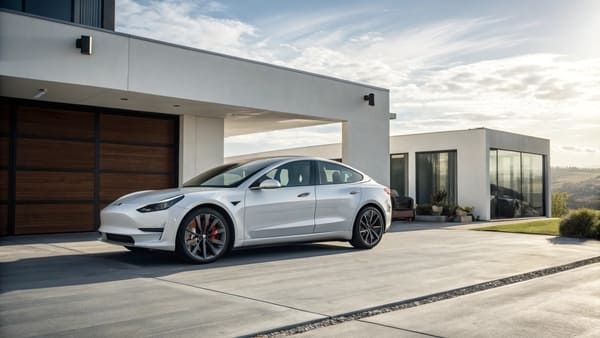
The electric vehicle world moves fast. Every year, we see better batteries1, smarter software2, and new designs. It can feel like the moment you buy a car, a better one is announced. The buzz around the 2026 Tesla Model 3 is a perfect example of this feeling. People are excited, and for good reason, but that doesn't mean today's cars are obsolete. I've been in the auto parts manufacturing business for years, and I see the real changes happening behind the scenes. Let's break down what to expect and see if holding out for the next big thing is the right move for you.
What Changes Are Expected in the 2026 Tesla Model 3?
You hear rumors about the 2026 Model 3. But what's real? It's hard to separate industry whispers from actual planned upgrades, leaving you unsure about what's coming.
The 2026 Tesla Model 3 is expected to feature a completely new vehicle architecture3. Key changes include next-generation battery cells4 for longer range, a more efficient powertrain5, and advanced self-driving hardware6. The manufacturing process itself is also getting a major overhaul for better quality and cost.
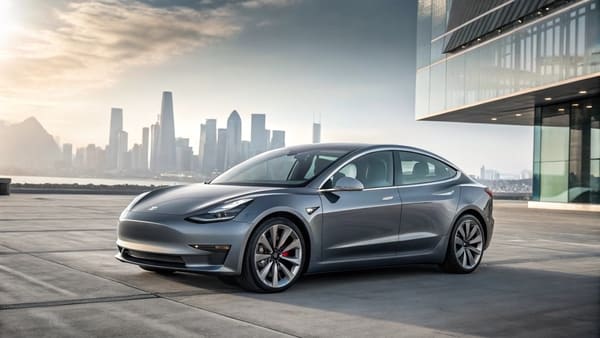
From my perspective as a parts manufacturer, the most significant changes are the ones you can't see. The industry is buzzing about Tesla's shift to a new production method. This isn't just about tweaking the assembly line; it's a fundamental change in how the car's core components are made. This focus on manufacturing efficiency often leads to better, more reliable, and sometimes even cheaper products for the end user.
Deeper Dive into the Upgrades
The expected changes go beyond simple cosmetic updates. They touch the very core of the vehicle's performance and construction. These are not just small improvements but steps toward a new generation of electric vehicles.
- Battery and Powertrain: The move to new battery cells is huge. It could mean faster charging times and a noticeable increase in range, addressing two of the biggest concerns for EV buyers.
- Structural Integrity: A new vehicle architecture3 means a different way of putting the car together. This could lead to a lighter yet stronger frame, improving both safety and efficiency.
Here is a simple breakdown of the rumored upgrades compared to the current model:
| Feature Area | Current Model 3 | Expected 2026 Model 3 |
|---|---|---|
| Battery Tech | Standard Lithium-Ion Cells | Next-Generation High-Density Cells |
| Range (Est.) | ~333 miles (Long Range) | Potentially over 400 miles |
| Manufacturing | Traditional Stamping & Welding | "Unboxed" Process, Large Castings |
| Autonomous HW | Hardware 4.0 (Camera-based) | Hardware 5.0 with new sensor suite7 |
| Interior Design | Minimalist, single screen | Redesigned dash, potentially more tech |
These changes show a clear focus on improving the fundamental technology of the car, which is a very good sign for anyone considering the wait.
Is the 2026 Tesla Model 3 a Major Upgrade or Just a Minor Refresh?
You don't want to wait two years for a car that's only slightly different. It's frustrating to hold off on a purchase for what might just be a simple facelift.
The 2026 Tesla Model 3 is set to be a major upgrade, not a minor refresh. The biggest changes are happening in the manufacturing process, which directly impacts the car's quality, performance, and cost. These are deep, fundamental improvements, not just surface-level tweaks.
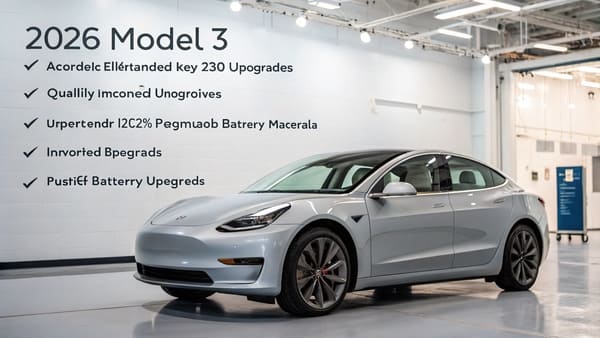
I can tell you from experience, the real revolutions in the auto industry happen on the factory floor. When a company changes how a car is made, everything else follows. The production process for core EV components is incredibly difficult. Standard equipment often lacks the necessary precision. Making these parts involves several steps, with the cooling and setting phase being the hardest. The machinery needed for this level of precision is specialized.
The Manufacturing Challenge
The difficulty in making next-generation EV parts is something we deal with every day. It's not as simple as just pressing a button.
- High-Precision Machinery: The machines that can handle the required tolerances are not common. In my experience, you find them in specific industrial hubs, like the coastal areas of Fujian or around Shanghai. Equipment from other regions often can't meet the standards. This geographical concentration of technology shows how specialized this work is.
- Material Compounding: Another huge challenge is mixing the raw materials. To adjust the material formula, you have to stop the machine and open the mold to add the new ingredients. This interruption makes the critical cooling process much more difficult to control, and any mistake can ruin the part.
This table shows why the manufacturing changes point to a major upgrade:
| Aspect of Change | Minor Refresh (Typical) | Major Upgrade (2026 Model 3) |
|---|---|---|
| Frame & Body | New bumpers, different headlights | Redesigned chassis, using large single-piece castings8 |
| Core Components | Software updates, slight battery efficiency tweaks | New battery chemistry, redesigned motor9, new production methods |
| Factory Impact | Minor re-tooling of the existing assembly line | Requires entirely new production lines and specialized machinery10 |
| End-User Benefit | Looks new, feels slightly better | Better range, improved safety, higher quality, potential cost savings |
This level of change is what defines a new generation for a vehicle. It's a complete rethinking of the car from the ground up.
Why Are So Many Buyers Waiting for the 2026 Tesla Model 3?
You see people online saying they're holding out for the 2026 model. It makes you wonder if you're missing something and if buying now would be a big mistake.
Buyers are waiting for the 2026 Tesla Model 3 because they expect a significant leap in technology that will make their car feel new for longer. They are betting on major improvements in range, charging speed, and self-driving capabilities that will be worth the wait.
This anticipation is built on more than just hype. It's about getting the most value for your money. In the world of manufacturing, we constantly chase small improvements that add up to a big difference. Sometimes, we even learn from our mistakes. I remember my first time working on a complex EV component for a client from Pakistan. We were inexperienced, and after the difficult cooling process, the parts had a noticeable "shrinkage" issue. They were smaller than the spec sheet demanded. I was worried, but the client actually loved the result because the smaller, denser part was stronger. We learned from that mistake and perfected the process.
The Logic Behind the Wait
Customers are smart. They sense when a product is about to take a big step forward. They are waiting because they believe the new manufacturing process will solve old problems and create a better car.
- Future-Proofing: Buyers want a car that won't feel outdated in a year or two. Waiting for a model with next-generation hardware and battery tech is a way to protect their investment.
- Technological Leap: The promise of a major jump in core features like range is a powerful motivator. No one wants to experience "range anxiety11," and a car that can go 100 extra miles is a huge deal.
- Potential for Better Value: New manufacturing methods often lead to cost savings for the company. Many buyers hope that these savings will be passed on to them, making the 2026 model not just better, but also more affordable.
Here are the primary reasons driving buyers to wait:
| Reason for Waiting | The Underlying Hope |
|---|---|
| Improved Battery Range | Less time spent charging and more freedom on long trips. |
| Advanced Self-Driving | The car will be equipped with the latest hardware for future software updates. |
| Higher Resale Value | A technologically advanced car is likely to hold its value better over time. |
| Better Build Quality | New manufacturing techniques could solve past issues with panel gaps and finish12. |
The decision to wait is a strategic one, based on the belief that the upcoming changes are not just incremental but transformative.
Conclusion
The 2026 Model 3 seems to be a major upgrade, driven by deep manufacturing changes. For buyers wanting the latest tech and long-term value, waiting is a logical choice.
Stay updated on battery innovations that can extend range and reduce charging times for EVs. ↩
See how intelligent software can enhance your EV's features, from navigation to energy management. ↩
Find out how a redesigned vehicle architecture can improve safety, efficiency, and driving dynamics. ↩
Learn how next-generation battery cells can improve range and charging speed, making your EV more efficient and future-proof. ↩
Discover how a more efficient powertrain can boost your EV's acceleration, range, and overall driving experience. ↩
Explore the latest self-driving hardware and how it could enhance safety and convenience in your next car. ↩
Explore the capabilities of Tesla's latest autonomous hardware and how it could change self-driving technology. ↩
Learn how this manufacturing technique improves structural integrity and reduces production costs. ↩
Discover how a new motor design can increase efficiency and power in your next EV. ↩
Understand the role of advanced machinery in producing high-quality, reliable electric vehicles. ↩
Find out how improved range in electric vehicles can eliminate worries about running out of power. ↩
Discover how better manufacturing techniques can lead to higher build quality and aesthetics in electric cars. ↩