-Your car is running poorly, and you suspect many parts. What if it's the distributor? Here's how to spot the key signs to know for sure.
A bad distributor often causes your engine to misfire, idle roughly, stall, or even fail to start1. You might also notice a loss of power, strange noises from the engine, or a check engine light on your dashboard. These issues stem from incorrect ignition timing2.
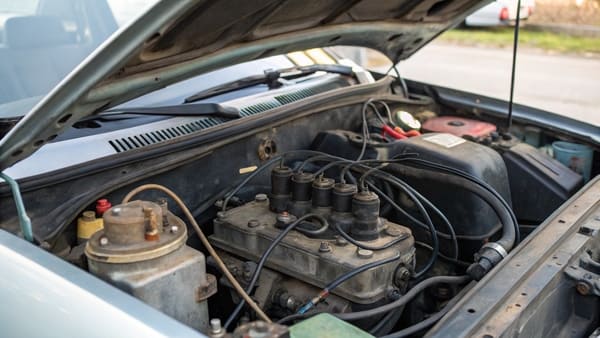
A car's engine is a complex system, and many different parts have to work together perfectly. When one small component starts to fail, it can cause a chain reaction of problems that are frustrating to diagnose. The distributor is one of those critical parts, acting as the traffic cop for your engine's ignition system. If it's not doing its job right, your whole driving experience suffers. Let’s break down the signs so you can pinpoint the problem.
What Are the Most Common Symptoms of a Bad Distributor?
Your engine is acting up, but you're not sure why. Ignoring these signs could lead to bigger problems and leave you stranded. Know the specific symptoms of a failing distributor.
The most common symptoms include a shaky or vibrating engine, especially at idle, frequent stalling, a noticeable loss of power, and a whining noise from the distributor itself3. Your check engine light will also likely turn on, signaling a problem the car's computer has detected4.
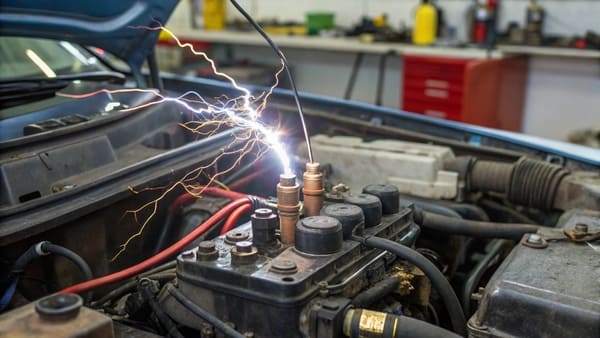
When a distributor starts to go bad, it gives you several clear warnings. These symptoms are your engine’s way of telling you that the spark isn't being delivered correctly. The distributor cap and rotor are wear-and-tear items, and the internal components can also fail over time. Recognizing these signs early can save you from a complete breakdown. It's important to pay attention to how your car feels and sounds during operation. A change in performance or a new noise is often the first clue that something is wrong.
Here is a breakdown of the most common symptoms and what they mean:
| Symptom | What It Feels or Sounds Like | Why It Happens |
|---|---|---|
| Engine Shaking | Your car vibrates or shakes, especially when stopped at a light. | The distributor is sending an inconsistent spark, causing misfires5. |
| Stalling | The engine suddenly shuts off while driving or idling. | The spark is being cut off completely due to a faulty distributor. |
| Loss of Power | The car feels sluggish and doesn't accelerate as quickly as it should. | Inefficient combustion from incorrect ignition timing robs your engine of power6. |
| Strange Noises | A high-pitched squealing or whining sound from the engine bay. | The bearings or shaft inside the distributor are worn out and failing7. |
| Check Engine Light | The light on your dashboard illuminates. | The car's computer has detected a misfire or timing issue8. |
Why Does a Bad Distributor Cause Engine Misfires and Rough Idling?
Your car feels like it's sputtering and shaking while you drive. This rough ride is not only annoying but also damaging to your engine. Let's look at why the distributor causes this.
A bad distributor fails to deliver electricity to the spark plugs at the right time9. This mistiming means some cylinders fire incorrectly or not at all10. This creates the shaking sensation of a misfire and the unsteady engine speed of a rough idle.
The distributor’s job is simple but critical: it directs the high-voltage spark from the ignition coil to the correct spark plug at the perfect moment. For your engine to run smoothly, this timing must be exact. When the distributor wears out, that precision is lost.
The Breakdown of Key Components
A few internal parts are usually the culprits:
- Worn Cap and Rotor: The distributor cap has several metal terminals, and the rotor spins inside to connect with them. Over time, these connection points corrode or wear down. This creates a bigger gap for the electricity to jump, resulting in a weak or inconsistent spark.
- Faulty Internal Modules: Many distributors have an ignition module or pickup coil inside. These are the electronic brains that tell the ignition coil when to fire. When they fail, the timing signal becomes erratic or stops completely.
I learned just how important precision is when working on a project for a client from Pakistan. We were manufacturing plastic distributor housings. This seems simple, but the injection molding process is incredibly difficult. The cooling step is the hardest part. If it’s not done perfectly, the plastic part can shrink. On my first run, the parts shrunk more than expected. Luckily, the client actually preferred the tighter fit, but it taught me a valuable lesson. Even a tiny imperfection in the housing can affect how the cap and rotor align, throwing off the entire ignition timing.
Can a Bad Distributor Prevent Your Car From Starting?
You turn the key, but your engine just cranks without starting. Being stranded is frustrating and can easily ruin your day. It's time to find out if a bad distributor is the culprit.
Yes, a completely failed distributor can absolutely prevent your car from starting11. If the distributor cap, rotor, or internal sensors are too damaged, no spark will be sent to the plugs12. Without a spark, the engine cannot ignite the fuel to start.
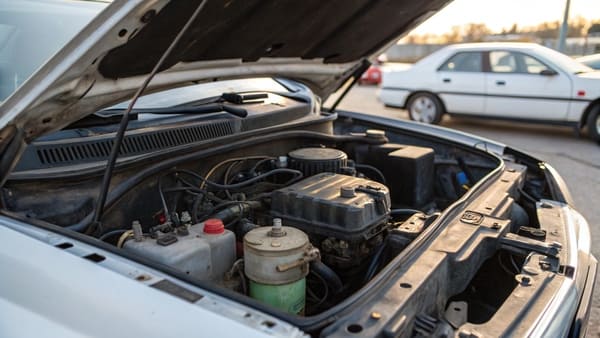
A no-start situation is one of the most definite signs of a major distributor failure. While a worn distributor might cause rough running, a completely dead one stops everything. It fails to create or deliver the spark needed for combustion, leaving your engine lifeless. However, other issues can also cause a no-start condition, so it's helpful to understand the differences. For example, a dead battery will usually result in a clicking sound or no sound at all, while a bad starter might make a single click or a grinding noise. A bad distributor usually allows the engine to crank over normally; it just won't catch and run.
Pinpointing the Cause of a No-Start
If your engine is cranking but not starting, the problem is likely related to spark or fuel. Here’s how a bad distributor fits in:
- Total Spark Failure: The primary job of the distributor is to route the spark. If the internal ignition module has failed, no spark is created in the first place.
- Cracked Cap or Rotor: If the distributor cap is cracked or the rotor is broken, the high-voltage electricity has no path to the spark plugs. It may ground out against the engine block instead.
- Severe Corrosion: If the metal contacts on the cap and rotor are completely corroded, the electrical current cannot pass through them.
Here’s a simple table to compare potential no-start causes:
| Symptom | Possible Cause | What to Check |
|---|---|---|
| Engine cranks, no start | Bad Distributor | Check for spark at the plugs. Inspect the distributor cap and rotor. |
| Engine cranks, no start | Bad Fuel Pump | Listen for the fuel pump to prime when you turn the key on. |
| Single click, no crank | Bad Starter / Weak Battery | Test the battery voltage. Check starter connections. |
| No sound, no crank | Dead Battery / Bad Ignition Switch | Check battery terminals and voltage. Test the ignition switch. |
Conclusion
A failing distributor causes misfires, rough idling, and can stop your car from starting. Recognizing these symptoms early helps you get a timely repair and avoid being stranded.
"Distributor - Wikipedia", https://en.wikipedia.org/wiki/Distributor. Automotive engineering sources describe that a malfunctioning distributor can lead to engine misfires, rough idling, stalling, and no-start conditions due to improper spark timing. Evidence role: expert_consensus; source type: education. Supports: A bad distributor often causes your engine to misfire, idle roughly, stall, or even fail to start.. Scope note: While these symptoms are commonly associated with distributor failure, similar symptoms can result from other ignition or fuel system issues. ↩
"Ignition Timing Explained: Engine Performance | UTI", https://www.uti.edu/blog/automotive/ignition-timing. Technical manuals and educational resources explain that a faulty distributor can cause incorrect ignition timing, leading to engine misfires, rough idling, and stalling. Evidence role: mechanism; source type: education. Supports: These issues stem from incorrect ignition timing.. Scope note: Other components can also affect ignition timing, so distributor failure is not the sole cause. ↩
"Bad Distributor Symptoms and How To Fix Bad ... - YouTube", https://www.youtube.com/watch?v=vxoJHjVGXkI. Automotive repair guides and technical references list engine vibration, stalling, loss of power, and unusual noises as common symptoms of distributor problems. Evidence role: expert_consensus; source type: education. Supports: The most common symptoms include a shaky or vibrating engine, especially at idle, frequent stalling, a noticeable loss of power, and a whining noise from the distributor itself.. Scope note: Some symptoms, such as whining noises, may be less common and can also result from other engine issues. ↩
"Could a bad distributor cap cause engine skipping and check ...", https://www.facebook.com/groups/AstroSafariVans/posts/7590242024330957/. Automotive diagnostic resources indicate that ignition system faults, including distributor problems, can trigger the check engine light due to detected misfires or timing issues. Evidence role: mechanism; source type: education. Supports: Your check engine light will also likely turn on, signaling a problem the car's computer has detected.. Scope note: The check engine light can be triggered by many unrelated issues, so its presence is not specific to distributor failure. ↩
"Can a distributor cause a misfiring in a car and how can I diagnose it?", https://www.quora.com/Can-a-distributor-cause-a-misfiring-in-a-car-and-how-can-I-diagnose-it. Technical automotive sources confirm that a malfunctioning distributor can send inconsistent spark to the spark plugs, resulting in engine misfires. Evidence role: mechanism; source type: education. Supports: The distributor is sending an inconsistent spark, causing misfires.. Scope note: Other ignition components can also cause inconsistent spark and misfires. ↩
"Ignition Timing Explained: Engine Performance | UTI", https://www.uti.edu/blog/automotive/ignition-timing. Engineering textbooks and automotive research show that incorrect ignition timing leads to inefficient combustion, which reduces engine power output. Evidence role: mechanism; source type: education. Supports: Inefficient combustion from incorrect ignition timing robs your engine of power.. Scope note: Power loss can also result from other engine or fuel system faults. ↩
"Could this be my distributor bearing going bad?", https://www.jeepforum.com/threads/could-this-be-my-distributor-bearing-going-bad.1360318/. Automotive repair manuals note that worn distributor bearings or shaft can produce abnormal noises such as whining or squealing from the distributor area. Evidence role: mechanism; source type: education. Supports: The bearings or shaft inside the distributor are worn out and failing.. Scope note: Such noises can also originate from other rotating engine components. ↩
"Ignition Timing Explained: Engine Performance | UTI", https://www.uti.edu/blog/automotive/ignition-timing. Automotive diagnostic standards explain that engine control units monitor for misfires and timing issues, which can trigger the check engine light. Evidence role: mechanism; source type: education. Supports: The car's computer has detected a misfire or timing issue.. Scope note: The computer may not always pinpoint the distributor as the source of the problem. ↩
"Distributor - Wikipedia", https://en.wikipedia.org/wiki/Distributor. Educational resources on automotive ignition systems describe the distributor's role in delivering spark to the correct plug at the correct time. Evidence role: definition; source type: education. Supports: A bad distributor fails to deliver electricity to the spark plugs at the right time.. ↩
"Ignition Timing Explained: Engine Performance | UTI", https://www.uti.edu/blog/automotive/ignition-timing. Automotive engineering literature explains that incorrect ignition timing can cause cylinders to fire at the wrong moment or not at all, resulting in misfires. Evidence role: mechanism; source type: education. Supports: This mistiming means some cylinders fire incorrectly or not at all.. Scope note: Other factors can also cause cylinders to misfire. ↩
"Symptoms and Signs of Bad Distributor and How to Fix It - YouTube", https://www.youtube.com/watch?v=UKB9iX2SQtM. Automotive repair manuals confirm that a failed distributor can prevent the engine from starting due to lack of spark delivery. Evidence role: expert_consensus; source type: education. Supports: Yes, a completely failed distributor can absolutely prevent your car from starting.. Scope note: Other ignition or fuel system failures can also cause a no-start condition. ↩
"no spark, replaced coil & ignition module, what next? - Turbobricks", https://turbobricks.com/index.php?threads/no-spark-replaced-coil-ignition-module-what-next.280144/. Automotive technical guides explain that severe damage to the distributor cap, rotor, or internal sensors can interrupt spark delivery to the plugs, resulting in a no-start condition. Evidence role: mechanism; source type: education. Supports: If the distributor cap, rotor, or internal sensors are too damaged, no spark will be sent to the plugs.. Scope note: Other ignition system faults can also cause no spark. ↩