-Tired of your car's factory look? A standard bumper makes your vehicle blend in with the crowd. A custom bumper is a powerful way to express your style and make it stand out.
A custom car bumper involves replacing the factory-installed bumper with an aftermarket one to improve looks, aerodynamics, or toughness. Owners do this to personalize their car's appearance, boost performance for racing, or add protection for off-roading, making their vehicle uniquely their own.
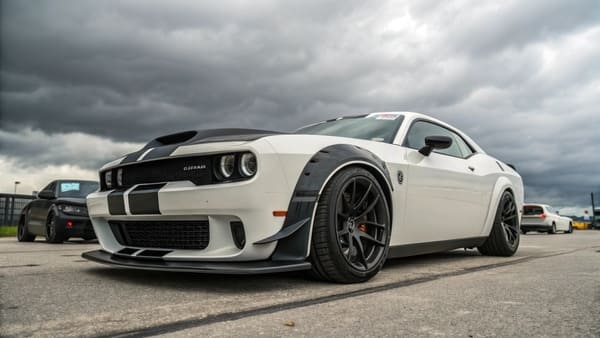
Upgrading your bumper seems straightforward, but it's a big decision that can completely change your car. There are many styles, materials, and quality levels to think about. This guide will walk you through everything you need to know, from why people do it to how to find a reliable supplier for your business. Let's dive deeper into the world of car bumper tuning.
What Is Car Bumper Tuning and Why Do Car Owners Upgrade Their Bumpers?
Your car looks just like every other model on the road. This lack of personality can be frustrating. Upgrading your bumper is a powerful and popular way to express your individual style.
Car bumper tuning is the act of modifying or replacing your vehicle's stock bumpers. Owners typically upgrade them for three main reasons: to get a unique and aggressive look, to improve aerodynamic performance by reducing drag, or to add ruggedness and protection for off-road use.
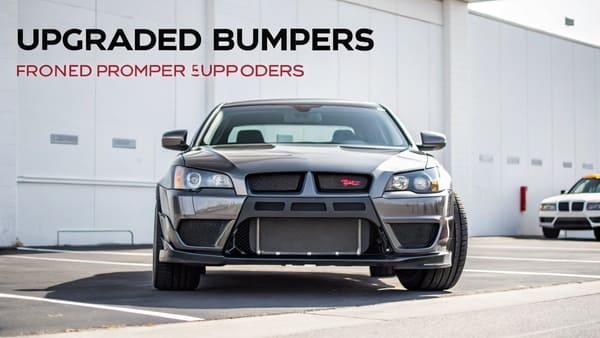
The motivation behind a bumper upgrade defines the type of product you'll need. A driver focused on aesthetics will look for different features than a track enthusiast or an off-road adventurer. For my customers, who are often brands or distributors, understanding these different needs is key to building a successful product line. A bumper isn't just a piece of plastic; it's a statement. It communicates the driver's personality and how they use their vehicle. We've helped brands develop bumpers for all three purposes, and the design process for each is completely different. The materials, the shape, and the mounting points all change based on the final goal.
Here is a simple breakdown of the core reasons for bumper tuning:
| Reason for Upgrade | Primary Goal | Common Materials | Target Vehicle |
|---|---|---|---|
| Aesthetics | Achieve a unique, stylish, or aggressive look. | Polyurethane (PU), Fiberglass (FRP)1 | Sedans, sports cars, hatchbacks |
| Performance | Improve aerodynamics, downforce, and cooling. | Carbon Fiber, PU, FRP | Track cars, performance vehicles |
| Protection | Increase durability and add utility features. | Steel, Aluminum2 | Trucks, SUVs, off-road vehicles |
What Are the Different Types of Car Tuning Bumpers?
You want to offer new bumpers, but the options seem endless. Choosing the wrong type can lead to a product that doesn't sell. Understanding the main styles helps you make the right choice for your market.
Tuning bumpers come in various types, including subtle lip kits, full replacement bumpers that change the whole look, and widebody bumpers for extensive modifications. Each type serves a different purpose, from small style upgrades to complete visual transformations for a show car or race car.

When I work with clients, the first question is always about the target look. Are they aiming for a subtle enhancement or a radical change? A front lip is an easy entry point for many customers. It's affordable and simple to install. Full replacement bumpers are for those who want a serious transformation. These are the core of our custom bumper business. We design them from scratch to create a completely new identity for the vehicle. Widebody bumpers are a more niche market, usually for car builders creating a show car. Finally, off-road bumpers are a category of their own, focused on function over form. They are built for strength and utility, often with mounts for winches and extra lights.
Here is a comparison of the most common bumper types:
| Bumper Type | Description | Visual Impact | Installation Difficulty |
|---|---|---|---|
| Lip Kit / Splitter | An add-on piece that attaches to the bottom of the stock bumper. | Low / Subtle | Easy |
| Full Replacement | Replaces the entire factory bumper cover with a new design. | High / Transformative | Moderate |
| Widebody Bumper | Designed to integrate with fender flares for a wider stance. | Very High / Extreme | Hard (requires bodywork) |
| Off-Road Bumper | A heavy-duty bumper, usually made of steel, for trucks and SUVs. | High / Utilitarian | Moderate to Hard |
What Is a Front Tuning Bumper and How Does It Improve Vehicle Appearance?
Your car's front end is its face, but the stock design is often plain. It fails to make a strong first impression. A custom front bumper gives your car a bold, aggressive identity that turns heads.
A front tuning bumper is a full replacement for the factory front bumper, designed with a focus on style and aerodynamics.3 It improves appearance by introducing aggressive lines, larger air dams, and integrated features like fog lights or splitters, completely changing the vehicle's character from bland to bold.

Getting that perfect look is much harder than it seems. It requires extremely high-precision manufacturing. The molds used for injection molding must be perfect down to the millimeter.4 If the precision is off, the bumper won't align with the headlights and fenders, leaving ugly gaps. Many general-purpose factories simply can't meet this automotive-grade standard.
The most difficult part of the whole process is cooling. A large plastic part like a bumper is very sensitive. It can warp or shrink if the cooling stage isn't controlled perfectly. I learned this the hard way on my first big bumper project for a client from Pakistan. Our first prototype showed some minor, unexpected "shrinkage" around the air vents after cooling. I was very worried we had failed. But the client actually loved it. He said the slight inward curve made the bumper look even more aggressive. We got lucky that time, but it taught me a valuable lesson about how critical the cooling process is. Since then, we've perfected our techniques to ensure complete control and consistency. This level of precision is why it's important to choose a supplier from the right industrial regions in China, like those near Shanghai or along the coast, that specialize in high-precision automotive parts.
Conclusion
Custom bumpers transform your car's style and function, but choosing a quality product from a capable supplier is absolutely key to achieving a perfect result for your brand.
"Bumper (car)", https://en.wikipedia.org/wiki/Bumper_(car). Automotive materials references list polyurethane and fiberglass as common materials for aftermarket bumpers due to their moldability and cost-effectiveness. Evidence role: general_support; source type: encyclopedia. Supports: Polyurethane and fiberglass are common materials for aftermarket bumpers.. Scope note: Material choice may vary by manufacturer and application. ↩
"Aluminum vs Steel Bumpers, Pros Cons? : r/overlanding", https://www.reddit.com/r/overlanding/comments/hcdqsq/aluminum_vs_steel_bumpers_pros_cons/. Automotive engineering sources state that steel and aluminum are commonly used for off-road and heavy-duty bumpers due to their strength and durability. Evidence role: general_support; source type: encyclopedia. Supports: Steel and aluminum are common materials for off-road and heavy-duty bumpers.. Scope note: Material selection may depend on vehicle type and intended use. ↩
"Bumper (car)", https://en.wikipedia.org/wiki/Bumper_(car). Automotive customization references define a front tuning bumper as an aftermarket replacement emphasizing visual impact and aerodynamic features. Evidence role: definition; source type: encyclopedia. Supports: A front tuning bumper is a full replacement for the factory front bumper, designed with a focus on style and aerodynamics.. Scope note: Design focus may vary by manufacturer or market segment. ↩
"Car Bumper Production Line| Injection Molding| Ingenious Car ...", https://www.youtube.com/watch?v=iug8PvnuPbY. Manufacturing engineering sources emphasize that high-precision molds are essential in automotive injection molding to ensure proper fit and finish of large plastic parts like bumpers. Evidence role: mechanism; source type: education. Supports: Injection molding for automotive bumpers requires highly precise molds to ensure proper fit.. Scope note: Precision requirements may vary by manufacturer and vehicle model. ↩