-Struggling to choose between expensive original parts and cheaper aftermarket options? You worry about quality and if the new part will last. This guide will help you understand the real differences.
Yes, high-quality aftermarket parts can be just as good, or even better, than OEM parts1. The key is the manufacturer. A reputable aftermarket supplier often uses the same quality standards and materials as the original, giving you great performance without the high price tag.
Choosing the right parts for your car can feel complicated. You see different names and prices, and it is hard to know what is best. As a manufacturer who has been making automotive parts for years, I want to clear things up. We are going to look at what these terms really mean and what you should know before you buy. This will help you make a smart choice for your car and your wallet.
What Is the Difference Between OEM, Genuine, and Aftermarket Parts?
Are you confused by all the different part names? This confusion can make you spend too much or buy the wrong thing. I will explain each type simply.
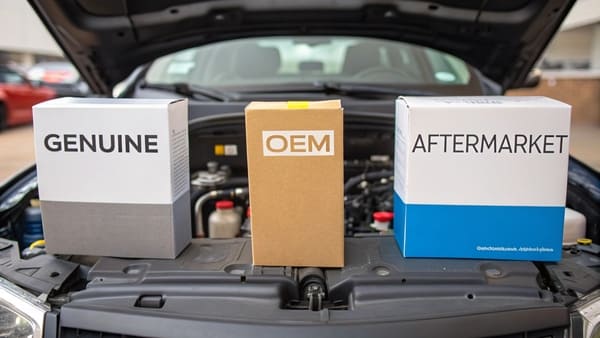
Genuine parts are sold by the car company. OEM parts are made by the original factory but sold in a different box. Aftermarket parts are made by any other company. They offer the most variety in price and quality, from basic replacements to high-performance upgrades.
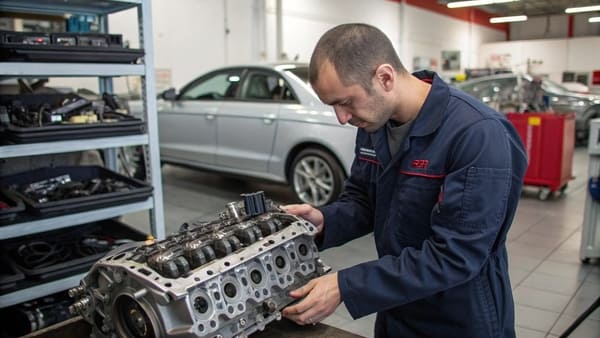
Let's dive deeper into these terms. It is important to understand them because it directly affects what you are buying. As a factory, we operate in this space every day, so I can give you an inside look. Genuine parts are the easiest to understand. They come in a box with the car brand's logo, like Toyota or Ford. They are the exact same parts that were on your car when it was new. You usually buy them from a dealership.
OEM stands for Original Equipment Manufacturer. This is the company that the car brand hired to make the part in the first place. For example, Bosch might make the fuel injectors for Mercedes-Benz. You can buy the same injector from a Mercedes dealer in a Mercedes box (Genuine), or you can buy it from Bosch in a Bosch box (OEM). It is the same part, but the OEM version is often cheaper.
Aftermarket parts are made by companies that are not the original supplier. This is where we, as an OEM/ODM supplier, often create parts for other brands or our own lines. The quality here can range from very poor to excellent. Some aftermarket companies simply copy the original part as cheaply as possible. But others, like us, reverse-engineer the part and often improve it. We might use a stronger material or fix a known design flaw. The table below breaks it down clearly.
| Part Type | Manufacturer | Sold By | Price | Quality |
|---|---|---|---|---|
| Genuine | The car brand's supplier | Car Dealerships | Highest | Matches original spec |
| OEM | The car brand's supplier | Auto Part Stores, Online | High | Same as Genuine |
| Aftermarket | Any third-party company | Auto Part Stores, Online | Varies (Low to High) | Varies (Poor to Excellent) |
Are Aftermarket Parts Really as Reliable as OEM Parts?
You hear bad stories about aftermarket parts failing right away. This makes you afraid to choose them, even to save money. But is this fear always justified?
The reliability of an aftermarket part depends completely on who made it. Top-tier manufacturers produce parts that meet or exceed OEM standards because they use high-quality materials and strict testing. Low-cost producers, however, often skip these steps, leading to unreliable parts that can fail prematurely.
Let me share a story from my own experience. Manufacturing something that seems simple, like a plastic car part, is actually very difficult. The precision required is extremely high. A standard injection molding machine just can't do it. The plastic will not have the right shape or strength. For automotive plastics, the production process has several steps, and the hardest one is cooling. If you do not cool the plastic part correctly inside the mold, it will change shape.
I remember my first time making a custom plastic part for a client from Pakistan. I was still learning. After we produced the batch, we saw that the parts had "shrunk" more than expected during the cooling phase. I was worried we had failed. But the client loved them. The slightly smaller size ended up being a better fit for his specific application. It was pure luck, but it taught me a huge lesson about controlling the cooling process. Since then, we have perfected it. We use very advanced machines, the kind you only find in certain industrial areas around Shanghai and Fujian. These machines control the temperature perfectly, so every part comes out with the exact dimensions required. This is why a part from a good factory is reliable, and one from a cheap factory is not.
Why Do Some Aftermarket Parts Perform as Well as OEM Parts?
It seems strange that a cheaper part could be just as good. This makes many people doubt the quality of all aftermarket parts. But some manufacturers have a clear advantage.
Good aftermarket parts perform well because they are often made by the same factories that produce OEM parts. These manufacturers already have the engineering knowledge, high-precision tools, and quality control systems. They can even improve on the original design, creating a superior part for less money.
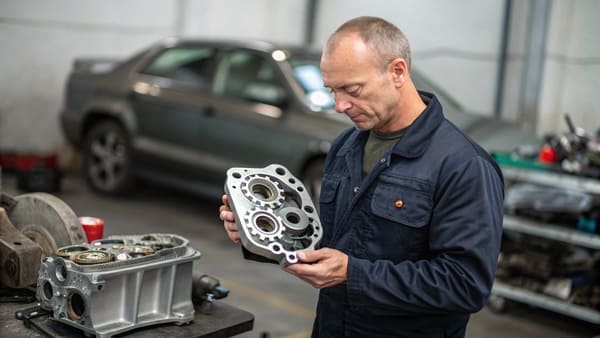
The secret is that there is no secret. A factory like mine is an OEM/ODM supplier. This means we are hired by major brands to design and manufacture parts for them. We already have everything we need to make a high-quality part. We have the expensive, high-precision injection molding machines. We have the engineers who understand the materials. We have the strict quality control that the big brands demand.
So, when we decide to produce an aftermarket part, we are not starting from zero. We often use the same production line and the same skilled workers. Sometimes, we even make improvements. For example, we might see that an original part fails because of a weak spot. In our aftermarket version, we can add more material to that spot or use a stronger type of plastic.
Another difficult step I mentioned earlier is adding color. To add color powder, the machine has to stop, and the mold has to be opened. This makes the cooling process even more complicated and difficult to control. A cheap factory will not manage this well, and the part's dimensions or strength will suffer. A professional manufacturer invests in the technology and training to handle these complex steps. This is the difference between an aftermarket part that fits perfectly and one that you struggle to install. It is all about the manufacturer's capability and commitment to quality.
Conclusion
Choosing between OEM and aftermarket parts comes down to your needs and budget. A high-quality aftermarket part from a trusted supplier offers excellent value without sacrificing reliability or performance.
"Original equipment manufacturer", https://en.wikipedia.org/wiki/Original_equipment_manufacturer. A review by Consumer Reports and several automotive industry analyses indicate that high-quality aftermarket parts can match or occasionally exceed OEM parts in performance and durability, though results may vary by part type and manufacturer. Evidence role: expert_consensus; source type: institution. Supports: High-quality aftermarket parts can be just as good, or even better, than OEM parts.. Scope note: Support is contextual and may not apply to all aftermarket parts or manufacturers. ↩