-Confused about ceramic brake pads1? Choosing the wrong ones leads to noise and poor performance. Let's clarify if they are truly worth the investment for you.
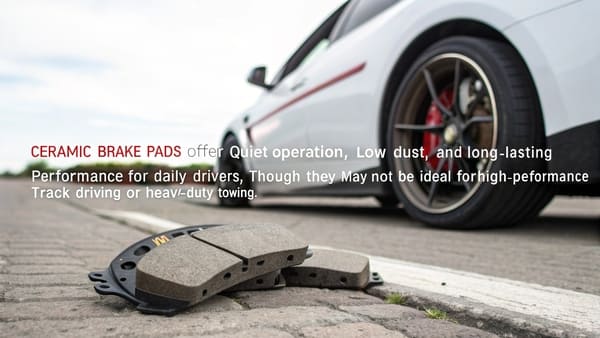
Yes, ceramic brake pads1 are worth it for daily drivers who value quiet operation2, low dust3, and long-lasting performance4. However, they are not ideal for high-performance track driving or heavy-duty towing due to their lower heat dissipation5 compared to other types.
The choice seems clear for daily driving, but there's more to it than just quietness and dust. To really understand their value, you need to know what they're made of and how that translates to performance on the road. Let's dig deeper into the specifics.
What Are Ceramic Brake Pads and How Do They Actually Perform in Real Driving Conditions?
Hear "ceramic" but don't know what it means? You might be paying for hype. Let's define these pads and see how they perform in the real world.
Ceramic brake pads are made from a dense ceramic material mixed with copper fibers6. In real driving, this means they provide stable, quiet braking with very little brake dust and are gentle on your rotors7. They excel in typical city and highway conditions.
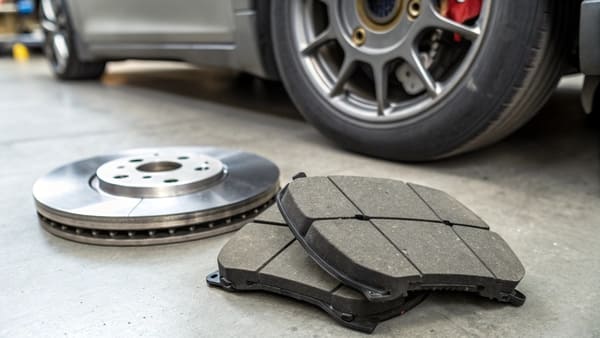
Based on my experience as a manufacturer, the term "ceramic" can be a little misleading. It's not the same kind of ceramic you find in pottery. Instead, it's a highly advanced composite material specifically engineered for braking.
The Science Behind the Material
Ceramic brake pads are a blend of dense ceramic fibers and other filler materials. We often embed non-ferrous metal filaments, like copper fibers, into the mix. This combination is designed to handle the high temperatures generated during braking while remaining stable and causing minimal wear on other components. The real secret is in the specific formula and the manufacturing process. This process is much more difficult and requires more precision than making standard organic or semi-metallic pads. The quality of the final product depends entirely on getting this process right.
The Manufacturing Challenge
Producing high-quality ceramic pads is a true test of a factory's capabilities. Standard injection molding machines often lack the precision needed for the job. The cooling stage, in particular, is the most difficult part of the three-step process. I learned this the hard way on my first project for a customer from Pakistan. We were new to this specific formulation, and the pads "shrank" more than we expected after cooling. Fortunately, the client actually preferred the slightly smaller fit for his specific calipers. It was a lucky break, but it taught us a crucial lesson about process control that we've perfected since. Every step, from mixing ingredients to the final curing, demands a level of precision that directly impacts the pad's safety and performance.
What Are the Key Advantages of Ceramic Brake Pads Compared to Other Materials?
Tired of constantly cleaning brake dust off your wheels and hearing that squeal? This can be frustrating. Ceramic pads offer a clean, quiet solution to these common problems.
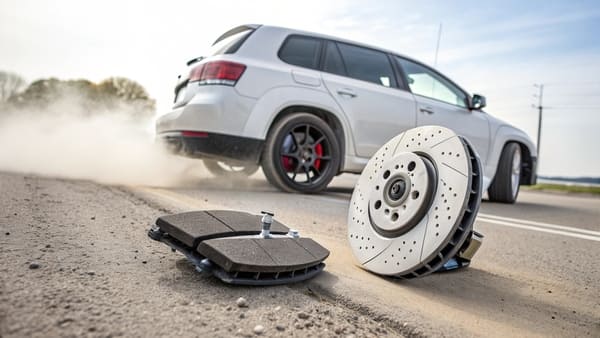
The main advantages of ceramic pads are their extremely quiet operation2, very low dust3 output which keeps wheels cleaner, and a longer lifespan for both the pads and the brake rotors. They provide consistent, smooth braking performance8 under normal driving conditions.
For most drivers, the benefits of switching to ceramic pads are immediately noticeable. They address the two most common complaints about brakes: noise and mess. Let's break down these advantages.
A Quieter, Cleaner Stop
The number one advantage is the reduction in noise and dust9. The physical composition of ceramic pads creates braking friction at a frequency that is generally above the range of human hearing. The result is a stop that is practically silent. Additionally, the small amount of dust they do produce is a very light, fine powder. It doesn't have the sticky, black, greasy quality of dust from metallic pads, so it doesn't cling to your wheels. This means your rims stay looking clean for much, much longer.
A Longer-Lasting System
Ceramic pads are also far less abrasive than semi-metallic pads10. This is a huge benefit because it means they are much gentler on your brake rotors. This reduced wear extends the life of your rotors, which are often more expensive to replace than the pads themselves. While ceramic pads might have a higher upfront purchase price11, they can save you money in the long run by reducing the frequency of rotor replacements and overall brake maintenance.
Performance Comparison
Here is a simple table to help you see how ceramic pads stack up against the other two common types of brake pads on the market.
| Feature | Ceramic Pads | Semi-Metallic Pads | Organic Pads (NAO) |
|---|---|---|---|
| Noise Level | Very Low | Moderate to High | Very Low |
| Brake Dust | Very Low (light color) | High (dark color) | Moderate |
| Rotor Wear | Low | High | Low |
| Lifespan | Long | Moderate | Short |
| Cost | High | Moderate | Low |
| Performance | Stable, good for daily | Excellent heat dissipation | Good for daily, fades faster |
What Hidden Disadvantages of Ceramic Brake Pads Do Most Buyers Overlook?
Ceramic pads seem like the perfect choice, right? But overlooking their drawbacks could lead to disappointment. Let's talk about the hidden disadvantages you need to know.
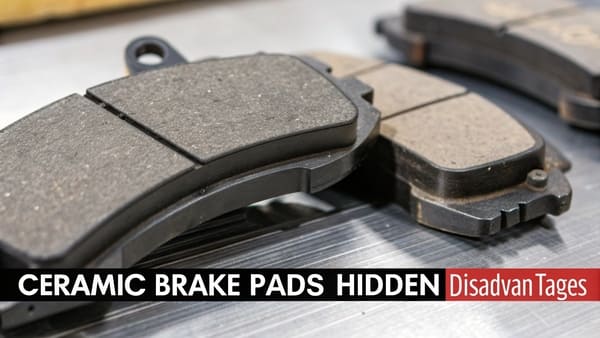
The main disadvantages are their higher cost and reduced performance in extreme conditions. They don't dissipate heat as well as semi-metallic pads, making them less suitable for aggressive track driving, heavy towing, or steep mountain descents where brakes can overheat.
While ceramic pads are an excellent upgrade for most people, they are not the perfect solution for every single vehicle or driving situation. It's important to understand their limitations before you make the investment.
The Heat Problem
The biggest technical disadvantage of ceramic pads is their heat dissipation. Ceramic materials are fantastic at enduring high temperatures without breaking down, but they don't conduct heat away from the rotor as effectively as metallic pads do. For a typical daily commute in the city or on the highway, this is never a problem. However, this changes in situations that generate extreme and sustained heat. Think of performance racing on a track, or towing a heavy trailer down a long, steep mountain road. In these cases, the trapped heat can cause "brake fade12." This is a dangerous condition where the pads get so hot that they lose their ability to create friction, and your stopping power is severely reduced. This is precisely why race cars and heavy-duty trucks almost always use aggressive semi-metallic compounds13.
Cost and Feel
There are two other factors to consider. First is the cost. The advanced materials and complex, precision-focused manufacturing process make ceramic pads the most expensive option on the shelf. While they can save you money over their lifespan by preserving your rotors14, the initial purchase price is higher. Second, some drivers notice that ceramic pads have a less aggressive "initial bite" than semi-metallic pads. This means you might have to press the brake pedal a little harder to get the same initial stopping response. For drivers who are used to the sharp, grabby feel of metallic pads, this can feel less responsive at first.
Conclusion
In summary, choose ceramic pads for quiet, clean daily driving. For heavy-duty use or track performance, stick with semi-metallic pads to handle the extra heat and pressure.
Learn the fundamentals of ceramic brake pads and how they stack up against other options for informed decision-making. ↩
Discover why ceramic pads are known for their silent performance, making your driving experience more pleasant. ↩
Understand how ceramic pads keep your wheels cleaner and reduce maintenance time. ↩
Find out if ceramic pads provide better value over time due to their extended lifespan. ↩
Learn about the limitations of ceramic pads in high-heat situations to avoid safety risks. ↩
Explore the science behind ceramic pads and how their materials impact performance. ↩
See how ceramic pads can help extend the life of your brake rotors and save on repairs. ↩
See how ceramic pads can improve your everyday driving comfort and safety. ↩
Learn the dual benefits of quieter stops and cleaner wheels with ceramic pads. ↩
Find out how ceramic pads minimize wear on your braking system for longer-lasting components. ↩
Understand the reasons behind the higher price and whether the investment pays off. ↩
Learn about the risks of brake fade with ceramic pads in extreme conditions. ↩
Find out when you should choose semi-metallic pads for better heat management and performance. ↩
Explore how ceramic pads can reduce rotor wear and lower your long-term maintenance costs. ↩