-Are you tired of sitting in a hot truck cab for hours? This discomfort makes long hauls exhausting and unproductive. The right air conditioner can completely change your driving experience.
A truck air conditioner is a system that cools the cab, often working independently from the vehicle's main engine.1 The best type for you depends on your truck's power system, available space, and how long you need cooling, with battery-powered and APU models being the most common choices.

Choosing an air conditioner for your truck is a big decision. It affects your comfort, your fuel budget, and even the lifespan of your engine. There are many options out there, and it can be hard to know where to start. We will look at how these systems work, why they are so important for modern trucking, and what types are available. This will help you find the perfect solution for your needs.
What Is a Truck Air Conditioner and How Does It Work?
You hear about truck AC units, but what's happening inside the box? Not knowing the basics can make you feel unsure about what you're buying. Let's look at how they work.
A truck air conditioner is a climate control system made just for a truck's cab. It works by using a refrigeration cycle to move heat from inside the cab to the outside, leaving the inside cool.2 It's very similar to the air conditioner you might have at home.
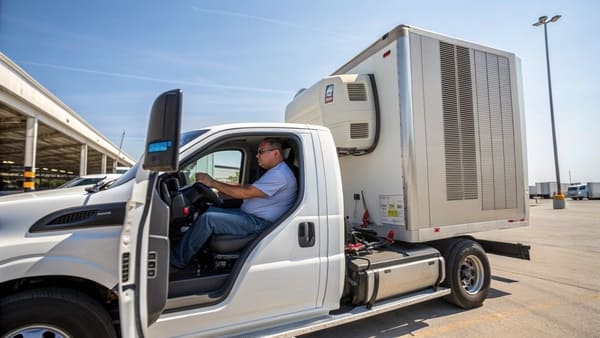
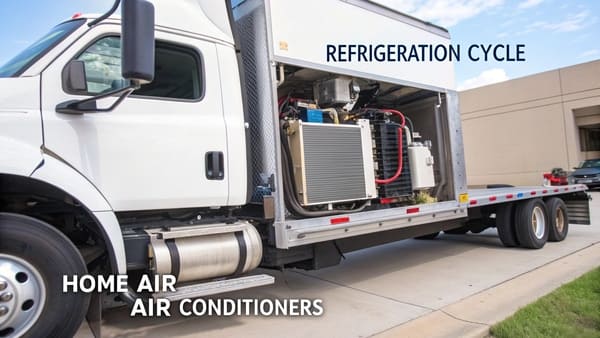
The process of cooling your truck's cab might seem complex, but it's based on a simple, repeating cycle. This is called the refrigeration cycle.3 It uses a special fluid called a refrigerant to absorb heat from inside your cab and release it outside. To really understand it, let's break down the main parts and what they do. Each component has a specific job, and they all work together to keep you cool on the road. It's a clever system that has become essential for professional drivers everywhere.
The Refrigeration Cycle Explained
The system relies on four key components working in a continuous loop.
| Component | Function |
|---|---|
| Compressor | This is the heart of the system. It pressurizes the refrigerant gas, causing it to get very hot. |
| Condenser | The hot, high-pressure gas flows to the condenser. Here, outside air blows over coils, removing the heat and turning the gas into a liquid. |
| Expansion Valve | The high-pressure liquid then passes through this valve, which causes a sudden drop in pressure. This makes the liquid very cold. |
| Evaporator | The cold, low-pressure liquid enters the evaporator inside the cab. A fan blows cab air over the evaporator coils. The refrigerant absorbs the heat from the air, turning back into a gas, and the cooled air is blown into the cab. |
This cycle repeats over and over, continuously pulling heat out of your cab.
Why Do Modern Trucks Need an Independent Air Conditioning System?
Your truck's built-in AC works great while driving. But when you stop to rest, you have to idle the engine, burning fuel and causing wear. An independent AC system solves this problem completely.
Modern trucks need an independent air conditioner to provide cooling without running the main engine. This saves a lot of fuel, reduces engine wear, and lowers emissions. It also helps you comply with anti-idling laws, making your rest periods comfortable, legal, and much more cost-effective.
The reasons for getting an independent AC go beyond just comfort. It's a smart business decision. When you're an owner-operator or a fleet manager, every dollar counts. Idling a massive diesel engine just to stay cool is one of the biggest hidden costs in trucking. It wastes fuel, puts unnecessary strain on your engine, and pollutes the air. An independent, or "no-idle," AC unit directly addresses these issues. Let's dive deeper into the specific advantages that make these systems a must-have for any serious trucking operation today.
Key Benefits of No-Idle AC
- Massive Fuel Savings: A typical Class 8 truck engine burns about one gallon of diesel per hour while idling.4 If you rest for 8 hours a day, that's 8 gallons of fuel gone. An independent AC uses a tiny fraction of that, saving you thousands of dollars per year.
- Reduced Engine Wear: Idling is hard on a diesel engine. It doesn't run at its optimal temperature, which can lead to incomplete combustion and buildup inside the engine.5 This causes premature wear on expensive components and leads to more frequent, costly maintenance.
- Driver Comfort and Safety: A well-rested driver is a safe driver. Trying to sleep in a hot, stuffy cab is nearly impossible. An independent AC ensures you get quality rest, so you are more alert and focused when you get back on the road.
- Compliance with Regulations: More and more states and cities have strict anti-idling laws.6 Running an engine for more than a few minutes can result in heavy fines. An independent AC system keeps you compliant with these rules, avoiding tickets and legal trouble.7
What Are the Main Types of Truck Air Conditioners Available Today?
There are so many different AC units on the market. Choosing the wrong one is an expensive mistake that won't solve your problem. Let's look at the main options to find the right fit.
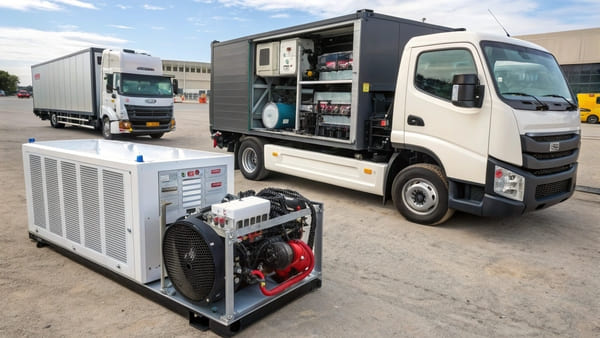
The main types are battery-powered (DC electric) systems and diesel-powered Auxiliary Power Units (APUs) that have a small engine. Battery-powered units are quiet and emission-free, while APUs offer more power and longer run times.8 The best choice really depends on your specific needs and budget.
When you choose an AC unit, you're not just picking a type; you're investing in quality. The internal components are important, but so is the exterior. For example, the plastic housing and vents might seem simple, but making them is extremely difficult. They must be precise to fit correctly and strong enough to handle vibrations and weather.9 I learned this the hard way.
I remember my first project making these plastic parts for a client from Pakistan. We had an issue where the parts "shrank" more than we expected after the cooling stage of injection molding. I was very worried we had failed. But the client actually preferred the slightly smaller, tighter fit! It was a lucky break, but it taught me a huge lesson about the science of plastics and the importance of precision manufacturing. The cooling process, and even adding color, requires special machines that you only find in certain expert manufacturing regions. It's a detail that makes a huge difference in the final product's quality.
Comparing the Top AC System Types
| Feature | Battery-Powered (DC Electric) AC | Diesel-Powered APU |
|---|---|---|
| Power Source | Truck's main batteries (often requires extra batteries) | Small, independent diesel engine |
| Runtime | Limited by battery capacity (typically 8-12 hours) | As long as it has fuel |
| Noise Level | Very quiet, almost silent | Some noise from the small engine |
| Maintenance | Low maintenance (no engine to service) | Regular maintenance (oil changes, filters) |
| Emissions | Zero emissions during operation | Low emissions, but still present |
| Best For | Shorter rest periods, quiet environments, compliance with all anti-idling laws | Long-haul routes, extreme heat, powering other devices (like microwaves) |
Conclusion
Choosing the right truck AC improves comfort and saves money.10 Understand how the different types work and always consider the manufacturing quality of the parts to make the best investment for your truck.11
"Air conditioning - Wikipedia", https://en.wikipedia.org/wiki/Air_conditioning. Industry and technical sources confirm that truck air conditioners are designed to cool the cab and often operate independently from the vehicle's main engine, especially in modern long-haul trucks. This definition is generally accepted, though specific configurations may vary by manufacturer and region. Evidence role: definition; source type: encyclopedia. Supports: A truck air conditioner is a system that cools the cab, often working independently from the vehicle's main engine.. Scope note: Some older or specialized trucks may have integrated systems rather than independent units. ↩
"Air conditioning - Wikipedia", https://en.wikipedia.org/wiki/Air_conditioning. The refrigeration cycle is the standard mechanism used in vehicle air conditioning systems, including truck cabs, to transfer heat from inside to outside, as documented in engineering and HVAC literature. Evidence role: mechanism; source type: education. Supports: It works by using a refrigeration cycle to move heat from inside the cab to the outside, leaving the inside cool.. Scope note: The specific refrigerant and cycle details may differ between models and regions. ↩
"Refrigeration - Wikipedia", https://en.wikipedia.org/wiki/Refrigeration. The refrigeration cycle is a well-established term in HVAC engineering, describing the process by which air conditioners transfer heat using a refrigerant. Evidence role: definition; source type: education. Supports: This is called the refrigeration cycle.. Scope note: The term applies broadly to all air conditioning systems, not just trucks. ↩
"Heavy-Duty Truck Idle Reduction Technologies", https://afdc.energy.gov/conserve/idle-reduction-heavy. Government and industry sources report that Class 8 trucks typically consume about one gallon of diesel per hour when idling, though actual rates may vary depending on engine model and conditions. Evidence role: statistic; source type: government. Supports: A typical Class 8 truck engine burns about one gallon of diesel per hour while idling.. Scope note: Fuel consumption can differ based on engine age, load, and environmental factors. ↩
"Idle Reduction Research and Development", https://afdc.energy.gov/conserve/idle-reduction-research. Mechanical engineering research indicates that prolonged idling can cause diesel engines to operate below optimal temperature, leading to incomplete combustion and internal buildup, which accelerates wear. Evidence role: mechanism; source type: paper. Supports: Idling is hard on a diesel engine. It doesn't run at its optimal temperature, which can lead to incomplete combustion and buildup inside the engine.. Scope note: Severity of effects depends on engine design and idling duration. ↩
"Idle Reduction Laws and Incentives in Federal", https://afdc.energy.gov/fuels/laws/IR?state=US. Government and environmental agencies document a growing number of states and cities implementing strict anti-idling laws for trucks to reduce emissions and fuel waste. Evidence role: historical_context; source type: government. Supports: More and more states and cities have strict anti-idling laws.. Scope note: Regulations vary widely by jurisdiction and enforcement. ↩
"[XLS] IdleBase: A Database of Idling Regulations", https://cleancities.energy.gov/files/docs/idlebox_idlebase_database.xlsx. Regulatory and industry guidance confirms that independent, no-idle AC systems are recognized as compliant solutions for anti-idling laws, helping drivers avoid penalties. Evidence role: expert_consensus; source type: government. Supports: An independent AC system keeps you compliant with these rules, avoiding tickets and legal trouble.. Scope note: Compliance depends on proper installation and use; some jurisdictions may have additional requirements. ↩
"Auxiliary power unit - Wikipedia", https://en.wikipedia.org/wiki/Auxiliary_power_unit. Technical reviews and industry comparisons confirm that battery-powered truck AC units are generally quieter and emission-free, while APUs provide greater power and longer operational duration, though APUs produce some noise and emissions. Evidence role: general_support; source type: research. Supports: Battery-powered units are quiet and emission-free, while APUs offer more power and longer run times.. Scope note: Performance varies by model and installation; some APUs are designed for reduced noise and emissions. ↩
"[PDF] Factory Complete Heating and Cooling Solutions for Manufactured ...", https://www.huduser.gov/portal/periodicals/cityscape/vol25num1/ch6.pdf. Engineering and manufacturing literature highlights the need for precision and durability in plastic housings and vents for truck air conditioners, as these components must withstand vibration and environmental stress. Evidence role: mechanism; source type: education. Supports: The internal components are important, but so is the exterior. For example, the plastic housing and vents might seem simple, but making them is extremely difficult. They must be precise to fit correctly and strong enough to handle vibrations and weather.. Scope note: Specific manufacturing challenges may differ by material and production method. ↩
"Air Conditioning - Department of Energy", https://www.energy.gov/energysaver/air-conditioning. Industry reports and research studies indicate that selecting the appropriate truck air conditioning system can significantly improve driver comfort and reduce operational costs, though savings depend on usage and system efficiency. Evidence role: general_support; source type: research. Supports: Choosing the right truck AC improves comfort and saves money.. Scope note: Actual benefits vary based on system type, installation, and driving conditions. ↩
"[PDF] Impact of Vehicle Air-Conditioning on Fuel Economy, Tailpipe ...", https://docs.nlr.gov/docs/fy00osti/28960.pdf. Industry guidance and expert consensus recommend evaluating both system type and manufacturing quality when selecting a truck air conditioner, as these factors influence performance, durability, and return on investment. Evidence role: expert_consensus; source type: institution. Supports: Understand how the different types work and always consider the manufacturing quality of the parts to make the best investment for your truck.. Scope note: Recommendations may differ based on fleet size and operational needs. ↩