-Struggling to find the right auto parts? The wrong choice costs you time, money, and can even lead to more repairs. Understanding your options is the first step to success.
Choosing the right auto parts supplier1 depends on your needs. For retail, chains offer convenience. For business, OEM/ODM manufacturers2 provide custom solutions, quality control, and bulk pricing3. Assess your volume, customization needs, and quality standards4 to find the best fit for your business.
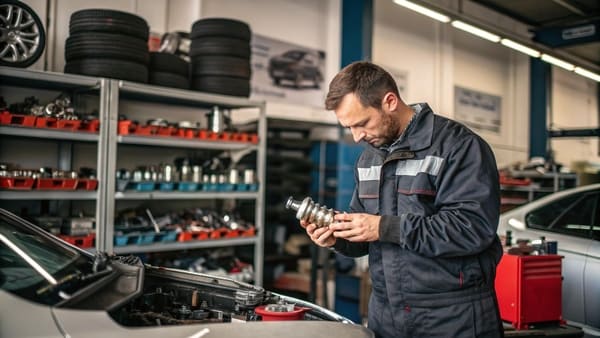
The world of auto parts is much bigger than just the store down the street. For a simple fix, that local shop might be perfect. But if you are a business, a distributor, or an importer, your needs are completely different. You need a partner, not just a parts counter. Understanding the difference between a retail shop and a manufacturing supplier is the key to building a successful product line and a reliable business. Let's explore these options so you can make the best choice.
What Types of Auto Parts Shops Exist in Today’s Market?
Are you feeling overwhelmed by all the different places to buy parts? You might be overpaying for parts or getting items that won't last. Let's break down the main types of suppliers.
The market includes big-box retail chains5, local independent shops, online retailers6, and specialized OEM/ODM manufacturers7s](https://shuipet.com/)%%%FOOTNOTE_REF_2%%%. Each serves a different purpose, from simple DIY repairs to large-scale custom production for businesses and brands looking to build their product lines.
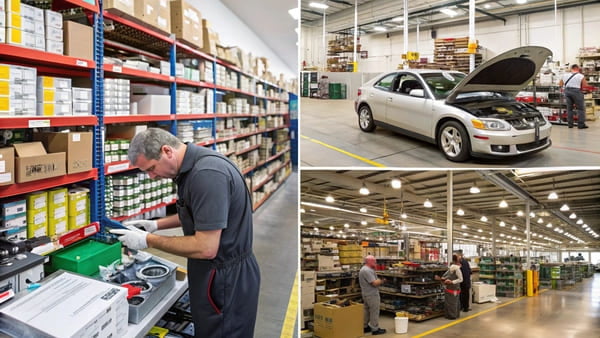
When you need a part, knowing where to look is half the battle. The supplier you choose directly impacts the quality, price, and availability of what you get. For businesses like distributors or brands, this choice is even more critical because it affects your reputation and bottom line. Each type of supplier has its own role in the automotive ecosystem.
Breaking Down the Supplier Landscape
Let's look at the main categories you will encounter. Each one is designed for a different type of customer with different needs.
| Supplier Type | Best For | Key Advantage | Key Disadvantage |
|---|---|---|---|
| Retail Chains | DIYers, quick fixes | Convenience, standard warranty | Limited expertise, generic parts |
| Local Shops | Enthusiasts, repair shops | Expert advice, rare parts | Higher prices, limited stock |
| Online Retailers | Price-conscious buyers | Wide selection, competitive pricing | Risk of counterfeit8, no advice |
| OEM/ODM Manufacturers | Businesses, Brands, Importers | Full customization, quality control | Requires high volume (B2B only) |
As a manufacturer, we operate in that last category. We don't sell single parts to individuals. Instead, we partner with businesses to create entire product lines from the ground up, ensuring every piece meets strict quality standards4.
Which Is Better: Chain Stores or Local Auto Parts Shops?
Are you trying to decide between a huge chain and a small local shop? One might have a better price, but the other might have the expertise you need. Let's compare them directly.
Chain stores are better for common parts, convenience, and standardized pricing. Local shops often provide specialized knowledge, hard-to-find parts, and personalized service9. The "better" choice depends on whether you value convenience and price or expertise and unique inventory.
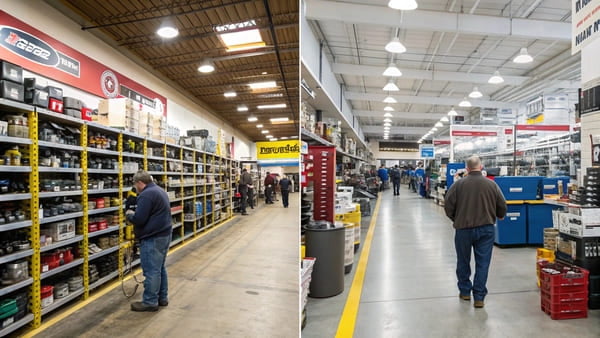
For the average car owner, this is a common question. Both options have clear benefits. Chain stores offer a predictable experience with easy returns and consistent stock of popular items like oil filters and brake pads. Local shops, on the other hand, are often run by true enthusiasts or experienced mechanics who can help diagnose a tricky problem or find a rare part for a classic car.
A Head-to-Head Comparison
| Feature | Chain Stores | Local Shops |
|---|---|---|
| Expertise | General knowledge staff | Specialized, deep expertise |
| Selection | High volume of common parts | Curated, hard-to-find items |
| Price | Often lower due to bulk buying | Can be higher, but may have deals |
| Service | Standardized, transactional | Personal, relationship-based |
The Business Perspective: Looking Beyond Retail
But what if you're not just fixing one car? What if you're a distributor who needs to supply hundreds of stores, or a brand developing a new performance product? In that case, neither a chain store nor a local shop is the right answer. You need to go directly to the source: a manufacturer. Retailers are our customers, not our competitors. They buy finished products to sell. We are the ones who design, engineer, and produce those parts in large volumes. For any serious business, a manufacturing partner10 is the only way to get the control, quality, and scale you need to succeed.
How Do Major Auto Parts Chains Compare in Price, Quality, and Availability?
Do all the big auto parts stores seem the same to you? The truth is, their quality, pricing, and what they have in stock can be very different. Here is how to tell them apart.
Major chains compete on price, brand selection11, and warranty policies. Some focus on budget-friendly house brands, while others carry premium aftermarket names12. For true quality control and consistency, businesses must look beyond retail chains to the manufacturers who make the products.
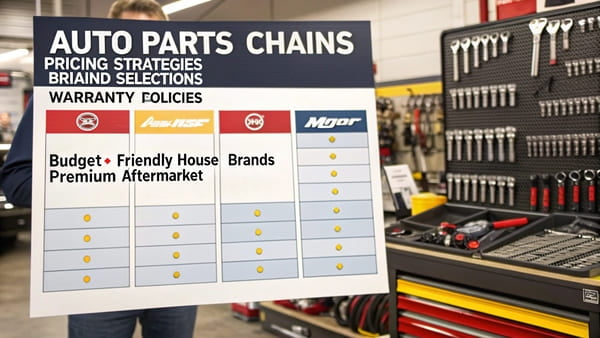
When you walk into a retail chain, the parts on the shelf look simple. But the process to make them is incredibly complex. The difference in quality between a cheap part and a reliable one often comes down to the manufacturing process, something you can't see in the store. The precision required for automotive components is extremely high.
The Manufacturing Reality Behind the Shelves
I learned this lesson the hard way. I remember the first time I worked with a client from Pakistan on a custom injection-molded part. The manufacturing process for something like that is intense. It takes at least three major steps, and the hardest one is cooling. You need special, high-precision injection molding13 machines. You can usually find these machines in the factory clusters near the Fujian coast or around Shanghai. Machines from other areas often just can't meet the required precision.
Another tricky part is adding color. To add color powder, you have to stop the machine and open the mold. This makes the cooling process14 very difficult to control. On that first project, we had a serious "shrinkage" issue after the parts cooled. They were smaller than the design specifications. Luckily, the client actually preferred the slightly smaller size, so it worked out. But it taught me a valuable lesson about how many things can go wrong. A retail employee will never know this level of detail. That is why businesses need to partner directly with a manufacturer who understands these challenges.
| Manufacturing Step | Key Challenge | Impact on Quality |
|---|---|---|
| Injection Molding | High Precision Required | Incorrect fit, poor performance |
| Cooling Process | Uniformity & Shrinkage | Warping, structural weakness |
| Adding Colorants | Mold Re-opening | Inconsistent cooling, defects |
Conclusion
Choosing the right supplier means matching their strengths to your needs. For businesses, partnering directly with a manufacturer ensures the quality, customization, and control needed for your final product.
Understanding how to select the right supplier can save you money and ensure you get quality parts for your needs. ↩
Learning about OEM/ODM manufacturers helps businesses find custom solutions and maintain quality control for their product lines. ↩
Bulk pricing can significantly reduce costs for businesses buying large volumes of auto parts, improving profitability. ↩
Knowing quality standards ensures you source reliable parts that meet industry requirements and customer expectations. ↩
Comparing big-box chains helps you decide if their convenience and pricing suit your needs or if you should look elsewhere. ↩
Exploring online retailers can reveal wide selections and competitive pricing, but also potential risks like counterfeit parts. ↩
Specialized manufacturers offer tailored solutions for businesses needing unique, high-quality auto parts. ↩
Learning to spot counterfeit parts protects your vehicle and investment from unreliable or unsafe products. ↩
Personalized service can help you get expert advice and solutions tailored to your specific automotive needs. ↩
Partnering with a manufacturer gives businesses control over quality, customization, and supply chain reliability. ↩
Understanding brand selection helps you choose parts that balance quality, price, and warranty for your customers. ↩
Premium aftermarket brands offer higher quality and reliability, which can enhance your product offerings and reputation. ↩
Injection molding is a critical manufacturing process that determines the precision and performance of auto parts. ↩
Proper cooling prevents warping and shrinkage, ensuring parts meet design specifications and perform reliably. ↩