Your truck’s stock bumper feels weak, and you worry about costly damage from a minor mistake. A rear steel bumper offers the serious protection and peace of mind you need.
A rear steel bumper is a heavy-duty upgrade that replaces your vehicle's standard, often plastic, bumper. It provides superior protection against impacts, offers better towing capabilities, and allows for mounting accessories like spare tires or jerry cans. It is a key upgrade for off-road and work vehicles.
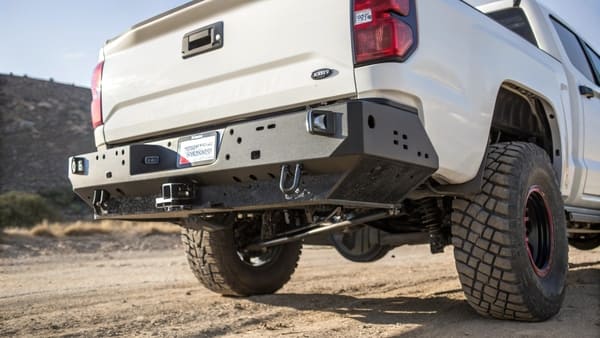
There is much more to a quality steel bumper than just a solid piece of metal. The details in its construction and the components it comes with are what separate a great product from a bad one. To make the right choice for your business or brand, you need to understand these details. Let’s break down what they are and why they are so popular.
What Is a Rear Steel Bumper?
You see them on capable-looking trucks but might not know all the details. Not understanding the components makes it hard to judge quality and find a reliable manufacturing partner.
A rear steel bumper is an aftermarket part made from heavy-gauge steel. It is designed for durability and functionality, often including features like integrated tow hitches, recovery points, and mounts for accessories. It replaces the factory-installed plastic or light metal bumper for enhanced protection and utility.
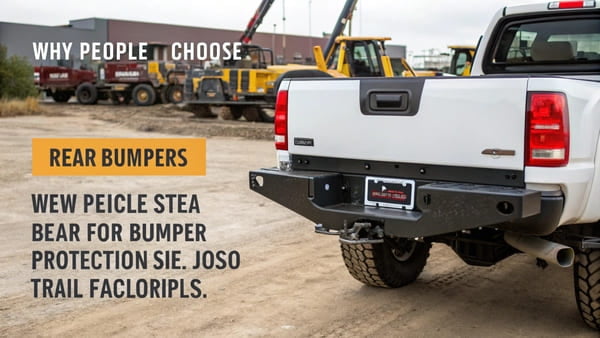
When we develop a steel bumper, we look at it as a complete system, not just a single part. It has two main elements: the steel body itself and the integrated plastic accessories. The steel part is straightforward for us. The real challenge, surprisingly, comes from the small plastic pieces that fit into it.
The Steel Body
The main structure is cut from thick steel plates, usually between 3/16 inch to 1/4 inch thick. These pieces are then welded together to form the bumper's shape. The quality of the welds is critical for strength. After welding, the bumper is usually sandblasted and then powder-coated. This coating protects the steel from rust and gives it a finished look. We pay close attention to the coating thickness to ensure it can handle harsh weather and minor scrapes without chipping.
The Integrated Plastic Accessories
Making the plastic inserts and step pads for a steel bumper is incredibly difficult. You need very high-precision injection molding machines. Standard machines just can't produce parts that fit perfectly. The process has at least three stages, and the hardest part is cooling. I learned this the hard way on my first project with a client from Pakistan. We made the plastic parts, but after they cooled, they had "shrunk" more than expected. Luckily, the client actually preferred the tighter look, so it worked out. But it was a valuable lesson. Since then, we have perfected our process. We learned that the best machines for this job are typically found in factories in the Fujian coastal area or around Shanghai. Machines from other regions, like Hebei, often lack the required precision.
Another challenge is adding color. If a client wants the plastic parts in a specific color, we have to add color powder to the raw material. This means stopping the machine and opening the mold to mix it in. This interruption makes the cooling process even more complex and difficult to control. It's a technical detail, but it's what separates a professional, high-quality product from a cheap one.
Why Do People Choose a Rear Steel Bumper?
Your factory bumper feels flimsy and inadequate for real work or off-road adventures. You constantly worry about damage on the trail or at a busy job site.
People choose rear steel bumpers for three main reasons: superior protection, increased functionality, and rugged aesthetics. They guard against off-road obstacles and parking lot bumps. Plus, they offer mounting points for gear and give a vehicle a more capable, aggressive look.
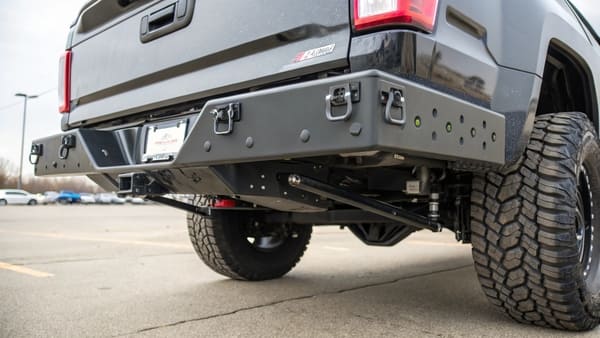
For many vehicle owners, especially those who use their trucks for work or recreation, the standard bumper is the first thing they want to replace. It's often seen as a weak point. Let's dive deeper into the specific reasons why a steel bumper is such a popular and practical upgrade for distributors and brands to carry.
Superior Protection
This is the number one reason. A factory bumper is designed to crumple in a minor collision. A steel bumper, on the other hand, is built to withstand it. For someone who drives on rough terrain, a steel bumper protects the vehicle's body, tailgate, and lights from rocks, trees, and other obstacles. It also provides a huge advantage in low-speed impacts, like a fender bender in a parking lot. The steel can take the hit without deforming, saving the vehicle owner from expensive bodywork.
Increased Functionality
A rear steel bumper turns the back of a truck into a versatile tool. Most designs include features that the stock bumper lacks.
- Integrated Tow Hitches: Many come with a built-in 2-inch receiver hitch that is welded directly to the bumper's structure, providing a very strong and reliable towing point.
- Recovery Points: Solid D-ring shackle mounts are often welded directly to the frame mounts. These are essential for safely recovering a vehicle that is stuck.
- Accessory Mounts: They can be designed with mounts for swing-out tire carriers, jerry can holders, and hi-lift jacks. This frees up space in the truck bed and makes essential gear easily accessible.
Rugged Aesthetics
Let's be honest, steel bumpers also look tough. They give any truck or SUV an aggressive, purpose-built appearance. For many owners, this look is a key part of customizing their vehicle. It signals that the vehicle is not just for commuting but is ready for serious adventure or hard work. This visual appeal is a strong selling point and complements other modifications like lift kits and larger tires.
What Are the Pros and Cons of a Rear Steel Bumper?
Steel bumpers seem like the perfect upgrade for any truck. But you must be aware of the hidden downsides before investing in a large inventory for your business.
The main pros are unmatched durability, added utility, and improved vehicle safety. The cons include significant extra weight, which can affect fuel economy and suspension, a higher initial cost, and potential for rust if the coating is damaged. It is a trade-off.
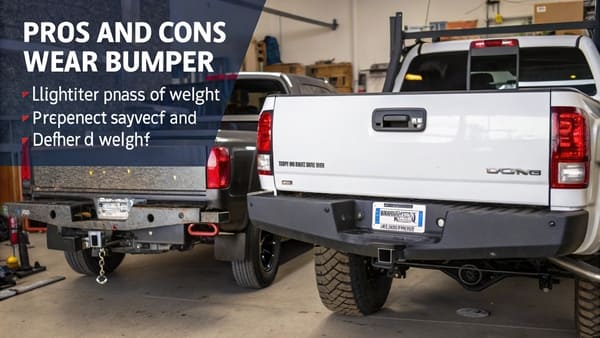
Making the right decision for your product line means looking at both sides of the coin. A steel bumper is a significant investment, and it changes how a vehicle performs. As a manufacturer, we help our clients find the right balance for their target market. Here is a clear breakdown of the advantages and disadvantages you need to consider.
| Pros | Cons |
|---|---|
| Exceptional Durability | Significant Weight |
| Superior Protection | Higher Initial Cost |
| Increased Functionality | Reduced Fuel Economy |
| Accessory Mounting Options | Increased Suspension Wear |
| Enhanced Towing & Recovery | Potential for Rust |
The most important trade-off to understand is weight versus protection. A heavy steel bumper offers incredible strength, but that weight has consequences. It can cause the rear suspension to sag, especially on lighter vehicles. This might require upgrading the suspension to compensate. The extra weight also means the engine has to work harder, which can lead to a noticeable drop in fuel economy. For a daily driver, this can add up over time. The higher cost is also a factor, not just for the bumper itself but also for potential shipping and installation expenses.
As an OEM/ODM partner, this is where we can add value. We can engineer bumpers that balance these factors. For example, we can use high-strength steel to reduce weight without sacrificing too much strength, or we can design bumpers specifically for certain vehicle models and their suspension capacities. Understanding your customer's needs—whether they are hardcore off-roaders or weekend adventurers—is key to developing the perfect product.
Conclusion
A rear steel bumper is a major upgrade in durability and function, but its weight and cost are key factors. Understanding these trade-offs helps you make the best choice.