-Having trouble with your clutch pedal? It feels spongy or sticks to the floor, making every gear change a struggle. This isn't just annoying; it's a safety risk that could leave you stranded.
A clutch master cylinder is a hydraulic pump connected to your clutch pedal.1 Its job is to convert the force from your foot into hydraulic pressure. This pressure is what allows you to disengage the clutch and shift gears smoothly. Signs of failure include a spongy pedal, difficulty shifting, or low/dirty clutch fluid.2
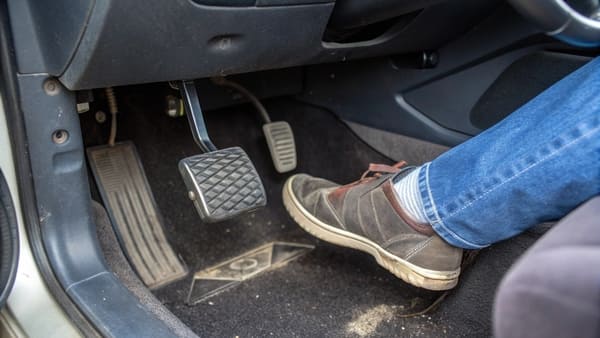
So, you suspect a problem with a part you might not even be familiar with. It's a small component, but it plays a huge role in how your manual transmission vehicle drives. To really understand what’s going on, you need to know what this part is and what it does. Let's break down its function and how it works so you can better diagnose the issue and understand why it fails.
What Is a Clutch Master Cylinder?
You hear the term "master cylinder" and probably think of your brakes, not your clutch. This confusion can make it hard to figure out what's wrong with your car. Let's clear it up and explain exactly what this specific cylinder is.
A clutch master cylinder is the starting point of your hydraulic clutch system.3 It's a small pump, typically mounted on the firewall in the engine bay, that holds hydraulic fluid in a reservoir. When you press the clutch pedal, it begins the process of disengaging the clutch.
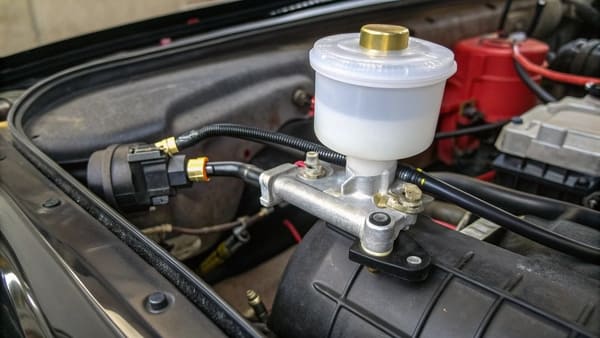
Let's dive deeper into its components. The clutch master cylinder isn't just a single piece; it's an assembly of several critical parts working together. Its main job is to act as a hydraulic pump, converting the physical push from your foot into fluid pressure. The key components include the cylinder body, a piston, a return spring, and a fluid reservoir that holds the hydraulic fluid (which is often the same as your brake fluid).
I remember the first time I worked on a large order of these for a client from Pakistan. We were manufacturing the plastic fluid reservoirs, and the process was surprisingly complex. The precision required for the injection molding is incredibly high; a standard machine just can't meet the tight tolerances. The most difficult step is cooling. On that first project, we had some trouble, and the plastic reservoirs experienced a bit of "shrinkage" after cooling. I was worried, but the client ended up preferring the slightly smaller, denser feel. It was a lucky break, and we perfected the process after that. It just goes to show how much engineering goes into even the simplest-looking parts.
Here’s a breakdown of its core components:
| Component | Function |
|---|---|
| Reservoir | Holds the hydraulic fluid supply. |
| Cylinder Body | The main housing where the piston operates. |
| Piston | A plunger that moves inside the cylinder to push fluid. |
| Return Spring | Pushes the piston back to its original position when the pedal is released. |
| Seals | Prevent fluid from leaking past the piston. |
What Does a Clutch Master Cylinder Do?
Your car suddenly refuses to go into gear, or you hear a horrible grinding sound when you try. This is stressful and can cause serious damage to your transmission. The master cylinder's job is to prevent this by making your shifts possible and smooth.
The clutch master cylinder’s primary function is to convert the mechanical force from your foot on the clutch pedal into hydraulic pressure.4 This pressure is then transmitted through a fluid line to the slave cylinder, which disengages the clutch, allowing you to change gears cleanly.
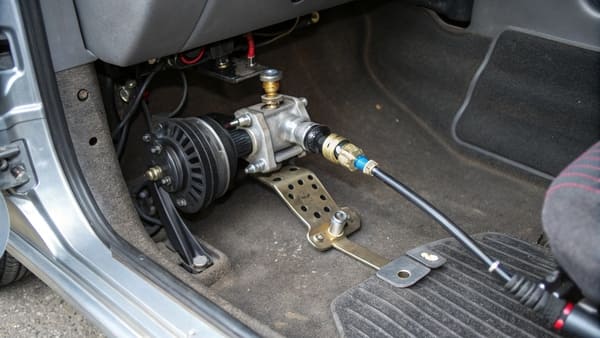
To really get it, think of the master cylinder as the commander of the clutch system. When you press the clutch pedal, you are giving an order. The master cylinder translates that order into a language the rest of the system understands: hydraulic pressure. Without this step, the force from your leg alone would never be enough to disengage the strong clutch plate from the engine's flywheel. It effectively multiplies your effort, making the heavy work of disconnecting the engine from the transmission feel light and manageable at the pedal. This smooth transfer of power is what separates a healthy transmission from one that is on its last legs. A failing master cylinder can't build enough pressure, which is why you experience symptoms like a "soft" pedal or difficulty getting into gear.
Here is a simple cause-and-effect chain of its operation:
| Cause (Your Action) | Effect (System Reaction) |
|---|---|
| 1. You press the clutch pedal. | The master cylinder piston moves forward. |
| 2. Piston pressurizes fluid. | Fluid is forced into the hydraulic line. |
| 3. Fluid travels to the slave cylinder. | The slave cylinder's piston is pushed out. |
| 4. Slave cylinder acts on the clutch fork. | The clutch disengages from the engine. |
| 5. You can now shift gears smoothly. | The transmission is ready for a new gear. |
How Does a Clutch Master Cylinder Work?
For many drivers, what happens between their foot pressing the pedal and the gear shifting is a mystery. But not understanding how it works makes it tough to spot the early warning signs of failure. The good news is that the hydraulic principle behind it is quite simple.
It operates using basic hydraulic principles.5 When you push the clutch pedal, a rod pushes a piston inside the master cylinder. This action forces hydraulic fluid through a line to the slave cylinder, which then moves to disengage the clutch plate from the engine's flywheel.
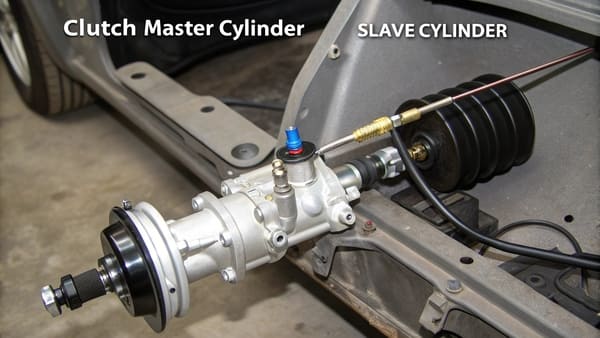
Let's walk through the process step-by-step. It all starts with you. When your foot presses the clutch pedal, a pushrod connected to the pedal moves forward and pushes the piston inside the master cylinder. As the piston travels, it covers a small hole (the compensating port) that connects to the fluid reservoir. This seals the hydraulic system.6 As you continue to press, the piston builds up immense pressure in the fluid trapped in front of it. This high-pressure fluid has nowhere to go but down the clutch line to the slave cylinder. The slave cylinder, mounted on the transmission bell housing, receives this pressure and its own piston moves, pushing a fork that releases the clutch.7 When you lift your foot off the pedal, the return spring pushes the master cylinder piston back, creating a vacuum that draws the fluid back and uncovers the port, allowing the system to stabilize.8
Here’s how a healthy system compares to a failing one:
| System State | Master Cylinder Action | Result at the Pedal |
|---|---|---|
| Healthy | Piston builds full hydraulic pressure efficiently. No leaks. | Firm, responsive pedal feel. Smooth gear changes. |
| Failing (Air in Line) | Piston compresses air before fluid, reducing pressure. | Spongy or soft pedal that may sink to the floor. |
| Failing (Worn Seals) | Fluid leaks past the piston internally or externally. | Pedal loses pressure over time. Visible fluid leaks. |
Conclusion
The clutch master cylinder is a small but mighty part essential for a manual transmission. A spongy pedal, shifting issues, or fluid leaks are telltale signs it's time for a replacement.9
"(PDF) Clutch - Academia.edu", https://www.academia.edu/87934072/Clutch. According to automotive engineering references, the clutch master cylinder is a hydraulic device connected to the clutch pedal that converts mechanical force into hydraulic pressure, enabling clutch disengagement and gear shifting. This definition is widely accepted in technical literature. Evidence role: definition; source type: encyclopedia. Supports: A clutch master cylinder is a hydraulic pump connected to your clutch pedal. Its job is to convert the force from your foot into hydraulic pressure. This pressure is what allows you to disengage the clutch and shift gears smoothly.. ↩
"Truck Clutch Repair Near Me Options and Costs Explained ~ cms ...", https://cms.ncwc.edu/truck-clutch-repair-near-me/. Automotive repair manuals and technical guides list a spongy pedal, difficulty shifting, and low or contaminated clutch fluid as common symptoms of clutch master cylinder failure. These symptoms are also noted in manufacturer service bulletins. Evidence role: general_support; source type: education. Supports: Signs of failure include a spongy pedal, difficulty shifting, or low/dirty clutch fluid.. Scope note: Symptom presentation may overlap with other clutch system faults. ↩
"Replace A Clutch Master Cylinder "How To"", https://www.youtube.com/watch?v=NCm8vYJ9eVk&vl=en. Technical diagrams and automotive textbooks describe the clutch master cylinder as the initial component in the hydraulic clutch system, usually mounted on the firewall and containing a fluid reservoir. Evidence role: definition; source type: education. Supports: A clutch master cylinder is the starting point of your hydraulic clutch system. It's a small pump, typically mounted on the firewall in the engine bay, that holds hydraulic fluid in a reservoir.. Scope note: Mounting location may vary in some vehicle designs. ↩
"Understanding the Hydraulic Clutch-Actuation System - YouTube", https://www.youtube.com/watch?v=QPQqxe78HWw. Automotive engineering texts explain that the clutch master cylinder converts pedal force into hydraulic pressure, which is transmitted to the slave cylinder to disengage the clutch for gear changes. Evidence role: mechanism; source type: education. Supports: The clutch master cylinder’s primary function is to convert the mechanical force from your foot on the clutch pedal into hydraulic pressure. This pressure is then transmitted through a fluid line to the slave cylinder, which disengages the clutch, allowing you to change gears cleanly.. ↩
"Understanding the Hydraulic Clutch-Actuation System - YouTube", https://www.youtube.com/watch?v=QPQqxe78HWw. Educational resources on automotive hydraulics describe the clutch master cylinder as operating on basic hydraulic principles, transmitting force via fluid to the slave cylinder for clutch disengagement. Evidence role: mechanism; source type: education. Supports: It operates using basic hydraulic principles. When you push the clutch pedal, a rod pushes a piston inside the master cylinder. This action forces hydraulic fluid through a line to the slave cylinder, which then moves to disengage the clutch plate from the engine's flywheel.. ↩
"What is pressure compensation in a hydraulic system?", https://www.mobilehydraulictips.com/what-is-pressure-compensation-in-a-hydraulic-system/. Automotive engineering diagrams show that the compensating port in the clutch master cylinder is sealed by the piston during operation, isolating the hydraulic system from the reservoir to allow pressure buildup. Evidence role: mechanism; source type: education. Supports: As the piston travels, it covers a small hole (the compensating port) that connects to the fluid reservoir. This seals the hydraulic system.. Scope note: Designs may vary slightly between manufacturers. ↩
"Introduction of clutch slave cylinder product principle - YouTube", https://www.youtube.com/watch?v=BOG3hNFnPv8. Automotive textbooks describe the clutch slave cylinder as typically mounted on the transmission bell housing, where it receives hydraulic pressure and actuates the clutch fork to disengage the clutch. Evidence role: mechanism; source type: education. Supports: The slave cylinder, mounted on the transmission bell housing, receives this pressure and its own piston moves, pushing a fork that releases the clutch.. Scope note: Some vehicles use a concentric slave cylinder design that acts directly on the clutch. ↩
"Why does my Clutch Pedal work with a Broken Return Spring?", https://forums.jag-lovers.com/t/why-does-my-clutch-pedal-work-with-a-broken-return-spring/449831. Technical manuals explain that the return spring in the clutch master cylinder returns the piston to its original position, reopening the compensating port and allowing fluid to return, thus stabilizing the system. Evidence role: mechanism; source type: education. Supports: When you lift your foot off the pedal, the return spring pushes the master cylinder piston back, creating a vacuum that draws the fluid back and uncovers the port, allowing the system to stabilize.. Scope note: The vacuum effect is minimal; fluid movement is primarily due to pressure equalization. ↩
"What causes slave/master cylinder to fail and oil to leak ... - Reddit", https://www.reddit.com/r/stickshift/comments/15yh55n/what_causes_slavemaster_cylinder_to_fail_and_oil/. Automotive repair guides recommend replacing the clutch master cylinder if symptoms such as a spongy pedal, shifting difficulties, or fluid leaks are present, as these indicate internal or external failure. Evidence role: expert_consensus; source type: education. Supports: A spongy pedal, shifting issues, or fluid leaks are telltale signs it's time for a replacement.. Scope note: Diagnosis should confirm the master cylinder is the source of symptoms before replacement. ↩