-Finding a good supplier for simple parts like visor mirrors can be surprisingly hard. You risk getting low-quality products with defects, which wastes your time and money.
A car visor mirror is a small mirror on the back of a car's sun visor, used for convenience and enhancing the interior's feel. To choose the right supplier, you must find a manufacturer with proven expertise in high-precision injection molding1, especially for the critical cooling and shaping processes2.
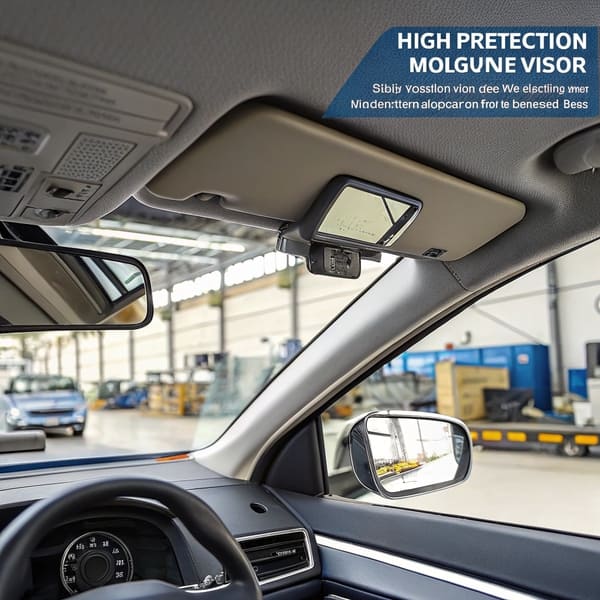
It’s easy to think of a visor mirror as just a minor accessory. However, the manufacturing process behind this small part is full of challenges. For importers, distributors, and brands, understanding these hidden complexities is the key to avoiding quality problems and finding a truly reliable partner. Let's explore what makes this component so important and how you can source it effectively.
What Is a Car Visor Mirror and What Is Its Function in Vehicles?
You might think a visor mirror is just a simple vanity item in a car. But its quality reflects on the entire vehicle's interior feel. A poorly made one can cheapen a car.
A car visor mirror is a small mirror on the back of a sun visor. Its main job is to let passengers, or a parked driver, check their appearance. It also adds to the overall quality and convenience of the car's interior, making it a small but important feature.
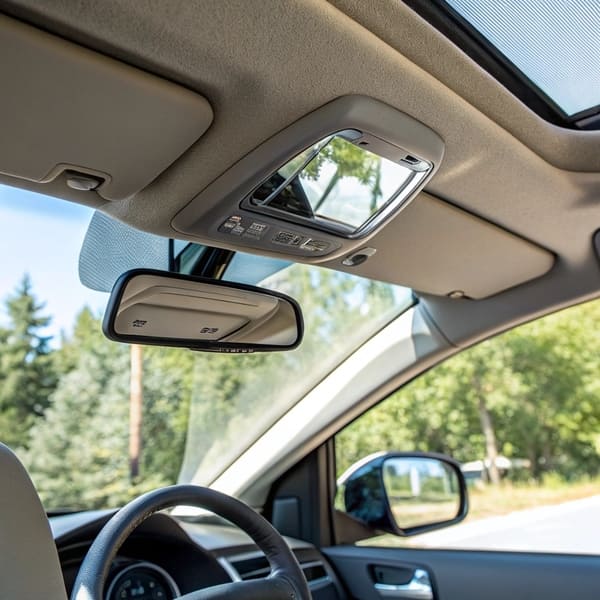
A car visor mirror does more than just show a reflection. It's a key part of the modern driving experience and plays a few important roles that B2B buyers should understand. As a manufacturer, I've seen how this small component impacts the final product.
Convenience and Practicality
The most obvious function is convenience. It allows people in the car to quickly check their hair or makeup without needing a separate mirror. This feature is now standard in almost every new vehicle, from economy models to luxury cars. Customers expect it to be there. For a car brand, leaving it out can make the vehicle feel basic or outdated. It's a small touch that adds a lot of practical value for the end-user.
Perceived Interior Quality
The look and feel of the visor mirror assembly contribute a lot to the perceived quality of the car's interior3. A mirror with a smooth, soft-opening cover4 and clean, bright lighting5 feels premium. On the other hand, a flimsy cover or a distorted mirror can make an otherwise nice interior feel cheap. As an OEM supplier, we focus on these details. We ensure the hinge is durable, the cover moves smoothly, and the mirror itself is high-clarity.
Safety and Design Integration
The visor mirror is part of the larger sun visor assembly. This assembly must meet safety standards. It's designed to be part of the car's passive safety system, and the materials used must not create sharp edges in a crash. Furthermore, it has to integrate perfectly with the headliner and electrical system6 if it's illuminated. This requires precise engineering to ensure everything fits and works together flawlessly.
What Types of Car Visor Mirrors Are Available in the Market?
Are you trying to source visor mirrors but see many different options? Choosing the wrong type can cause compatibility issues or fail to meet your market's needs. Let's look at the common types.
Car visor mirrors come in several types, from basic mirrors with a simple sliding cover7 to advanced versions with integrated LED lighting8. The best choice depends on your target vehicle segment, cost goals, and the specific features your customers want, like illumination or cover style.
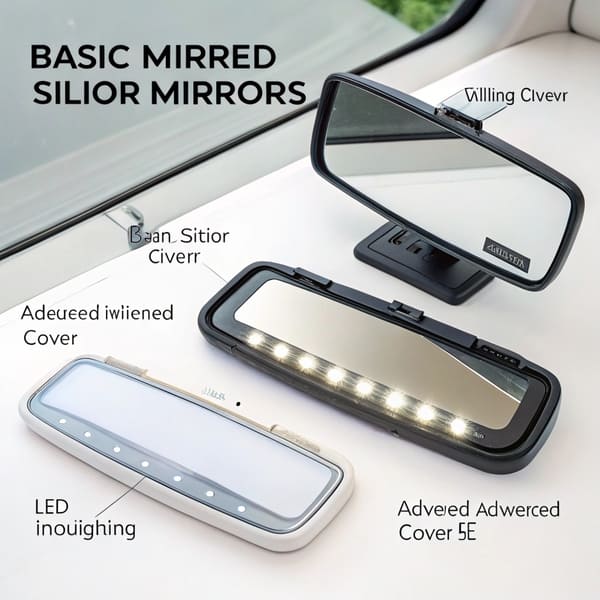
When you're sourcing visor mirrors, you'll find they are not all the same. The technology, materials, and features vary widely, which affects the cost and target market. As a supplier that offers full customization, we can produce any type to fit your product line.
Basic vs. Illuminated Mirrors
The most fundamental difference is whether the mirror has a light. Basic, non-illuminated mirrors are the simplest and most cost-effective. They usually have a plastic cover that either slides or flips open. These are common in entry-level vehicles. Illuminated mirrors are the standard in mid-range to high-end cars. Early versions used small halogen bulbs, but today, LEDs are much more common. LEDs are brighter, use less power, last longer, and produce less heat, making them a safer and more reliable choice.
Cover Mechanisms
The design of the cover also matters. A simple sliding cover is functional and cheap to produce. A hinged or flip-up cover is another popular option. For more premium applications, we can engineer soft-opening mechanisms. These use a small damper to make the cover open slowly and smoothly, adding a touch of luxury. The choice of mechanism affects the user experience and the overall cost of the assembly.
Material and Construction
Here is a breakdown of the common types we manufacture:
| Type | Description | Common Use Case |
|---|---|---|
| Basic (Non-Illuminated) | A simple mirror with a plastic cover that slides or flips open. | Economy cars, base models, commercial vehicles. |
| Illuminated (Halogen) | Has one or two small halogen bulbs that turn on when the cover is opened. | Older mid-range vehicles. Less common now. |
| Illuminated (LED) | Uses bright, energy-efficient LED lights. Often with light diffusers for a soft glow. | Modern mid-range and premium vehicles. |
| Advanced/Smart Mirrors | May include features like dimmable lights, touch controls, or different light temperatures9. | Luxury cars and custom high-end projects. |
As an OEM/ODM partner, we help clients choose the right combination of features for their target market. We can customize the light color, the cover design, and even add branding10 to the assembly.
What Is the Difference Between OEM and Aftermarket Visor Mirrors?
You need to decide between sourcing OEM-spec or aftermarket visor mirrors for your business. Making the wrong choice can affect your product's fit, quality, and market reputation. Let's look at the key differences.
OEM (Original Equipment Manufacturer) visor mirrors11 are made to the exact specifications of a car brand for factory installation. Aftermarket mirrors are made by other companies for replacement or upgrade. They often have differences in quality, fit, and price, which creates opportunities and risks.
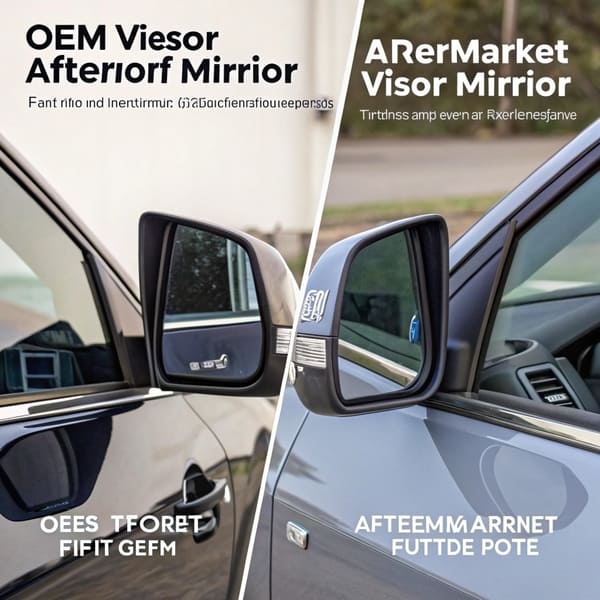
The distinction between OEM and aftermarket is critical, especially for a part that seems as simple as a visor mirror. The real difference lies in the manufacturing precision and quality control12. As a manufacturer who has produced both, I can tell you that the standards are worlds apart.
The Challenge of Precision in Manufacturing
The production of car sun visor mirrors is actually very difficult. A standard injection molding machine usually does not have the precision needed to meet OEM standards. When we produce a visor mirror assembly, the process involves several steps. The most difficult one is cooling and shaping the plastic housing. If the precision is off, the final product can have defects, fit poorly, or have a cover that doesn't close right. The machines capable of this precision are typically found in specialized factories, like those in the Shanghai area or along the Fujian coast13.
The Critical Cooling Process
Another tricky part of production is adding color. To add color powder to the plastic, we have to stop the machine and open the mold. This action can interfere with the cooling process, which needs to be perfectly controlled to prevent the plastic from warping or shrinking unevenly. Mastering this step is essential for producing a high-quality, defect-free part that meets OEM specifications for fit and finish. Aftermarket suppliers sometimes cut corners here, which is why their products can feel cheaper.
A Real-World Sourcing Story
I learned this the hard way. I remember my first time producing this part for a client from Pakistan. We were still new to the specific challenges of visor mirrors. After production, the mirror housings showed a noticeable "shrinkage" effect from the cooling process. I was very worried we had failed. But, the client actually liked the shrunken look and approved the shipment! It was pure luck. That experience taught me a huge lesson about controlling every variable. Since then, we have perfected our process to completely eliminate such defects and ensure every part is identical, which is what OEM clients demand.
Conclusion
Choosing the right car visor mirror and supplier comes down to understanding its hidden manufacturing complexity. Partner with an expert to ensure you get the quality, fit, and reliability your brand deserves.
Understanding high-precision injection molding helps you evaluate a supplier's ability to deliver defect-free, reliable visor mirrors. ↩
Learning about these processes reveals why some visor mirrors are higher quality and more durable than others. ↩
Discover how small details like visor mirrors can impact a car's overall appeal and resale value. ↩
A smooth, soft-opening cover adds a premium feel, enhancing user experience and perceived vehicle quality. ↩
Proper lighting in visor mirrors improves usability and adds a touch of luxury to the car's interior. ↩
Integration ensures visor mirrors function seamlessly and safely, especially when illuminated. ↩
Basic sliding covers are cost-effective and reliable, making them ideal for economy vehicles. ↩
LED lighting offers energy efficiency, longevity, and improved visibility compared to older technologies. ↩
Advanced features cater to luxury markets and offer customization for a superior user experience. ↩
Customization options allow you to differentiate your product and better meet your market's needs. ↩
OEM visor mirrors guarantee precise fit and quality, crucial for maintaining vehicle standards. ↩
Strict quality control ensures every visor mirror meets safety and aesthetic standards, reducing defects. ↩
These regions are known for advanced manufacturing capabilities, ensuring high-quality automotive components. ↩