Brake failure is a driver's worst nightmare. This often starts with a small, failing part. Understanding the brake master cylinder is the first step to ensuring your vehicle stops safely.
A brake master cylinder is the heart of your vehicle's braking system. It's a hydraulic pump that converts the force from your foot on the brake pedal into hydraulic pressure, which activates the brakes at each wheel to slow down or stop your car.
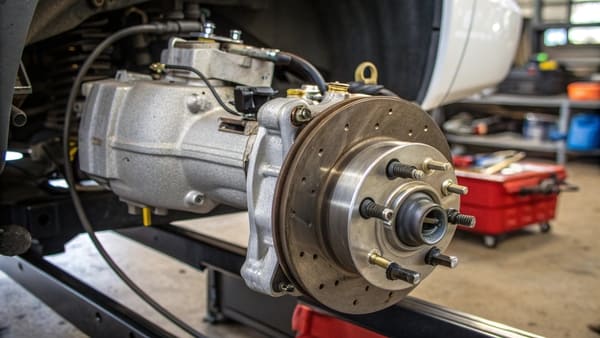
The brake system is one of the most critical safety features in any vehicle, yet many drivers don't think about it until something goes wrong. At the center of this system is the master cylinder, a component that works silently every time you press the brake pedal. It seems simple, but its role is absolutely essential. In this article, we'll explore exactly what it does, how long it lasts, and what you can do to maintain it. Let's dive into the details to keep you safe on the road.
What Does a Brake Master Cylinder Do?
You press the brake pedal, and the car stops. But a complex process happens behind this simple action. Let's break down how the master cylinder makes it all work.
The master cylinder's main job is to multiply force. It takes the light mechanical force from your foot and transforms it into powerful hydraulic pressure, sending brake fluid through the lines to the brake calipers or wheel cylinders, which then stop the wheels from turning.
When you press the brake pedal, you are actually pushing a rod. This rod goes into the back of the master cylinder and pushes against a set of pistons. These pistons move inside a sealed cylinder filled with brake fluid. As the pistons move forward, they compress the fluid, creating immense pressure. This pressure is then distributed evenly through brake lines to the braking mechanism at each wheel. Modern cars use a tandem master cylinder, which has two separate hydraulic circuits. This is a safety feature. If one circuit fails due to a leak, the other can still provide enough braking power to stop the car safely.
The plastic reservoir on top looks simple, but manufacturing it is very difficult. I learned this firsthand. Standard injection molding machines often can't meet the precise tolerances needed. The process is complex and requires specialized equipment to get right.
Key Components of a Master Cylinder
| Component | Function |
|---|---|
| Reservoir | Holds the supply of brake fluid. |
| Pistons (Primary & Secondary) | Create hydraulic pressure when the brake pedal is pushed. |
| Seals (Rubber Cups) | Prevent fluid from leaking past the pistons, maintaining pressure. |
| Return Springs | Push the pistons back to their original position when the brake is released. |
How Long Does a Brake Master Cylinder Typically Last?
Car parts don't last forever, and you can't ignore them. A failing master cylinder can leave you without brakes when you need them most. Knowing its lifespan helps you plan for inspection and replacement.
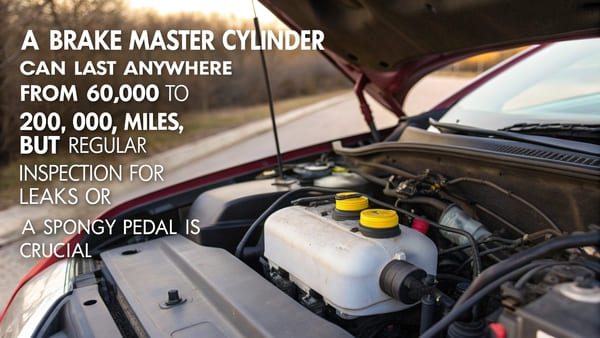
A brake master cylinder can last anywhere from 60,000 to 200,000 miles, but this range is very wide. Regular inspection for leaks or a spongy pedal is more important than relying only on mileage. Its longevity depends heavily on fluid condition and driving habits.
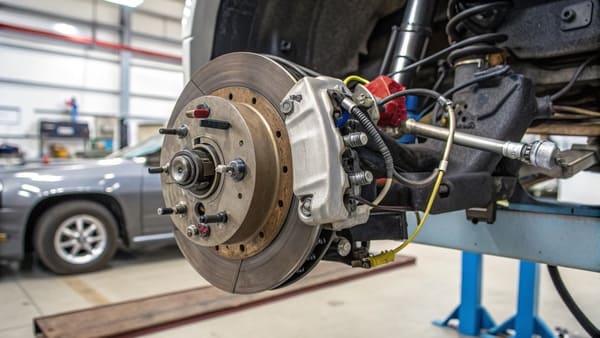
The lifespan of a master cylinder varies so much because of several factors. The most common cause of failure is worn-out internal seals. Over time, these rubber seals can break down, allowing fluid to leak internally. This reduces hydraulic pressure and makes the brake pedal feel soft or "spongy." You might also notice the pedal slowly sinking to the floor while you're holding it down at a stoplight.
As a manufacturer, we see the difference quality makes. We focus on factory-level reliability because the materials and precision directly affect how long a part lasts. I remember our first project making plastic reservoirs for a client from Pakistan. We were less experienced then. After injection molding, the parts "shrunk" more than we expected during the cooling phase. We were worried about failure, but the client actually preferred the slightly smaller, denser feel. It was a lucky break, but it taught us a huge lesson. We learned that controlling every single step, especially the cooling process, is critical for creating a reliable, long-lasting part.
What Factors Affect the Lifespan of a Brake Master Cylinder?
Your master cylinder wore out much faster than you expected. You might be shortening its life without even knowing it. Let's look at the key factors that cause premature wear.
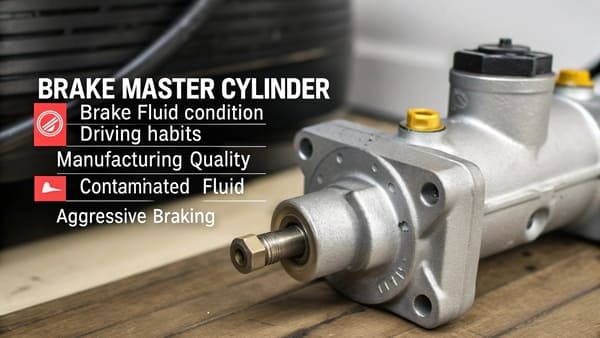
The three biggest factors are brake fluid condition, your driving habits, and the manufacturing quality of the part itself. Contaminated fluid and aggressive braking are the top reasons for a master cylinder to fail early, as they cause internal seals to wear out quickly.
The life of your master cylinder is not just a matter of luck; it's directly tied to maintenance and use. Understanding these factors can help you extend its life significantly.
Factor 1: Brake Fluid Condition
Brake fluid is hygroscopic, which means it absorbs moisture from the air over time. This water lowers the fluid's boiling point and can cause corrosion inside the master cylinder and brake lines. Dirt and debris can also contaminate the system, acting like sandpaper on the delicate rubber seals of the pistons. This is why vehicle manufacturers recommend flushing the brake fluid every two to three years. Clean fluid is essential for a long-lasting master cylinder.
Factor 2: Manufacturing Quality
This is where our expertise as an OEM/ODM supplier comes in. The quality of the materials and the precision of the manufacturing process are everything. For example, when we manufacture the plastic reservoirs, the injection molding requires at least three distinct stages. The most difficult stage is cooling. The high-precision machines that can do this properly are usually found in specific industrial zones, like near the coast in Fujian or around Shanghai. Machines from other regions often lack the accuracy needed. Adding color pigments is also tricky. The machine must stop, and the mold opens to add the powder. This complicates the cooling stage and makes it harder to prevent issues like shrinkage. This level of detail is what determines if a part will fail early or last for 200,000 miles.
Conclusion
The brake master cylinder is a vital safety component. Its lifespan depends on regular maintenance, your driving style, and the quality of the part itself. Always inspect it for issues.