-That high-pitched squeal when you brake is not just annoying; it's a sign something isn't right. You start to worry about your brake system's health and the potential repair costs.
Brake shims are thin, multi-layered components made of metal and rubberized materials that attach to the back of a brake pad. Their primary job is to absorb vibrations and dampen the high-frequency noise that causes brake squeal, ensuring a quiet and smooth stop.1
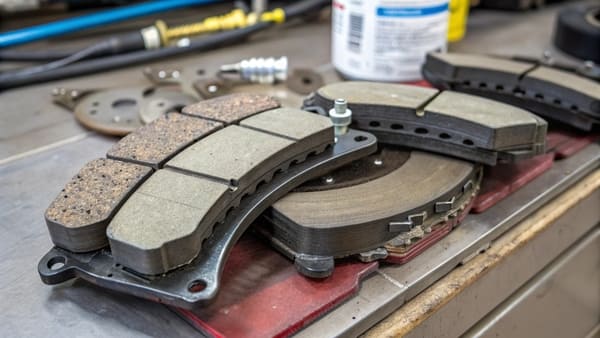
Now, you might think a small piece of metal can't be that important, but there's a lot more to it. The technology and precision behind these little parts are what separate a quiet, confident stop from an embarrassing, noisy one. Let's explore why these components are critical for your vehicle's braking system.
What Exactly Are Brake Shims Made Of?
You hear the term "shim" and probably picture a simple, thin piece of metal. But this thinking can lead you to underestimate their role, as the actual materials are far more complex.
Brake shims are engineered, multi-layered components, not just simple spacers. They typically consist of rubber or elastomeric layers bonded to thin metal plates. This specific construction is designed to effectively absorb vibrations and provide a cushion between the brake pad and the caliper.2
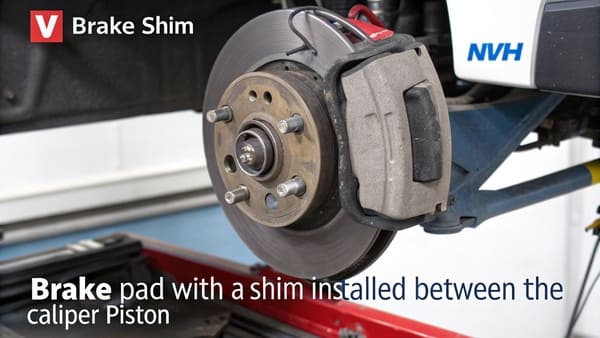
The construction of a quality brake shim is surprisingly advanced. It's not just a single piece of material but a sandwich of different layers, each with a specific job.
- Metal Layers: These are usually made from stainless steel or other coated metals. They provide a rigid structure and a solid base for the shim.
- Elastomeric/Rubber Layers: This is the core of the shim's function. This soft layer is designed to absorb and dissipate the vibrations that cause noise.
- Adhesive Layers: Many shims have a pressure-sensitive or heat-activated adhesive layer to bond them securely to the brake pad's backing plate.
The manufacturing process for these, especially any plastic components involved, is incredibly demanding. I remember my first project involving plastic parts for shims with a client from Pakistan. We learned that standard injection molding machines just don't have the required precision. The cooling stage, one of at least three crucial steps, is the most difficult. On that first run, the plastic components experienced some "shrinkage" after cooling. Fortunately, the client actually preferred the slightly smaller dimension for their specific assembly. It was a lucky break, but it taught me a valuable lesson about the high level of precision required in this business.
| Material Layer | Primary Function | Why It's Important |
|---|---|---|
| Stainless Steel | Provides structural rigidity and support. | Prevents the shim from deforming under pressure. |
| Rubber (Elastomer) | Absorbs and damps high-frequency vibrations. | This is the key layer for noise cancellation. |
| Adhesive | Securely bonds the shim to the brake pad. | Ensures the shim stays in place and works correctly. |
What Is the Main Job of a Brake Shim?
You've just replaced your brake pads, hoping for a quiet ride. But soon after, that frustrating squealing noise returns, making you feel like you wasted your time and money.
The main purpose of a brake shim is to reduce Noise, Vibration, and Harshness (NVH).3 It acts as a damper between the brake pad and the caliper piston, absorbing the high-frequency vibrations that you hear as brake squeal and helping to ensure even pad wear.4
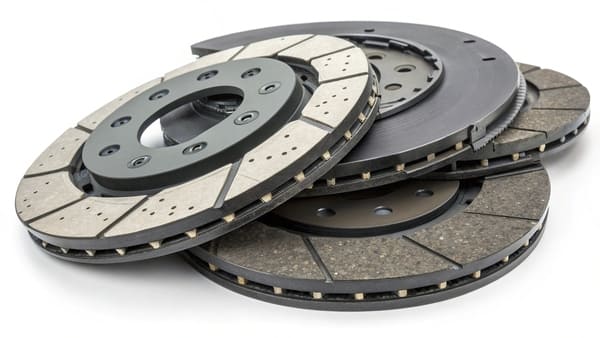
A brake shim does more than just sit there. It plays an active role in the performance and comfort of your braking system. While its primary job is noise control, it contributes to the overall health of your brakes in a few key ways. The level of engineering required is significant. For example, even something as simple as adding color to a plastic shim component is a major challenge. The machine has to stop, and the mold has to be opened to add the color powder. This interruption can disrupt the critical cooling cycle, which is already the most difficult part of achieving the required precision. It's small details like this that show you're dealing with a highly engineered part, not just a simple accessory.
Here’s a breakdown of its functions:
1. Noise Damping
This is its most well-known function. The shim's soft layers absorb the microscopic vibrations that occur when the brake pad presses against the rotor. Without a shim, these vibrations travel through the caliper and suspension, creating an audible squeal.
2. Heat Insulation
The shim provides a small thermal barrier between the hot brake pad and the caliper piston. This helps protect the brake fluid from overheating, which can lead to a spongy brake pedal and reduced braking performance.5
3. Promoting Even Wear
By providing a perfectly flat and consistent surface for the caliper piston to press against, a shim helps distribute pressure evenly across the brake pad. This prevents uneven wear and can extend the life of your brake pads.6
How Do Brake Shims Actually Stop the Noise?
It’s hard to believe that such a thin, simple-looking part can silence the powerful noise of a braking system. It almost seems like a gimmick, making you wonder if it's even necessary.
Brake shims work by creating a damping layer that absorbs and converts vibrational energy. When the brake pad vibrates at a high frequency, the shim’s soft layers absorb this energy and dissipate it as a tiny amount of heat, effectively stopping the noise before you hear it.7
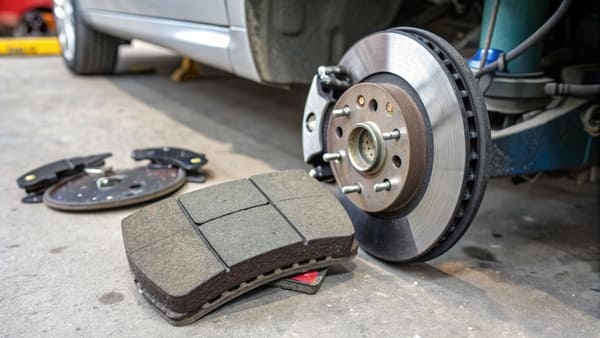
The physics behind how a shim works is straightforward but effective. It's all about interrupting the path of vibration. The precision needed to make these parts work correctly is incredibly high. Standard injection molding machines often can't meet the tolerance standards required for the plastic components. From my experience, the machines that can handle this level of work, with their advanced multi-stage processes and critical cooling controls, are typically found in specialized manufacturing hubs, like those near Shanghai or along the coast in Fujian. A machine from another region, say Hebei, usually won't achieve the accuracy needed. This precision is what allows the shim to create a perfect buffer.
Here is the step-by-step process:
- Vibration Begins: As you press the brake pedal, the caliper piston pushes the brake pad against the spinning brake rotor. This friction creates microscopic, high-frequency vibrations on the steel backing plate of the brake pad.
- Noise Path: Without a shim, these vibrations travel directly from the backing plate to the metal caliper piston. The piston and the rest of the caliper assembly act like a speaker, amplifying this vibration into an audible squeal.
- The Shim Intervenes: The shim sits right between the brake pad backing plate and the caliper piston. Its soft, elastomeric layer acts as a cushion.
- Energy Conversion: Instead of passing to the piston, the vibrational energy is absorbed by the shim. The shim’s material converts this energy into a very small amount of heat, effectively muting the vibration. It works much like a shock absorber on your car's suspension, but on a much smaller scale.8
Conclusion
Brake shims are not just optional accessories; they are precisely engineered components essential for a quiet, smooth braking experience.9 They effectively dampen noise and vibration, making your drive safer and more pleasant.
"Brake pad - Wikipedia", https://en.wikipedia.org/wiki/Brake_pad. A technical review from an automotive engineering source describes brake shims as multi-layered components, often made of metal and elastomeric materials, designed to reduce brake noise by absorbing vibrations. Evidence role: definition; source type: encyclopedia. Supports: Brake shims are thin, multi-layered components made of metal and rubberized materials that attach to the back of a brake pad. Their primary job is to absorb vibrations and dampen the high-frequency noise that causes brake squeal, ensuring a quiet and smooth stop.. ↩
"Brake Shims: Don't Judge A Book By Its Cover", https://www.brakeandfrontend.com/brake-shims-dont-judge-a-book-by-its-cover/. Automotive engineering literature confirms that brake shims are commonly constructed from elastomeric or rubber layers bonded to metal plates to absorb vibrations and reduce noise. Evidence role: mechanism; source type: education. Supports: They typically consist of rubber or elastomeric layers bonded to thin metal plates. This specific construction is designed to effectively absorb vibrations and provide a cushion between the brake pad and the caliper.. ↩
"Brake Shim Adhesives: Engineered to Reduce Noise, Vibration and ...", https://www.youtube.com/watch?v=Wo6K40o-Gc0. Automotive engineering sources state that the primary function of brake shims is to reduce noise, vibration, and harshness (NVH) in braking systems. Evidence role: definition; source type: encyclopedia. Supports: The main purpose of a brake shim is to reduce Noise, Vibration, and Harshness (NVH).. ↩
"How Do Brake Pad Shims Work? - ADVICS", https://www.advicsaftermarket.com/technical-resources/tech-videos/how-do-brake-pad-shims-work/. Technical literature describes brake shims as damping elements placed between the brake pad and caliper piston to absorb high-frequency vibrations and reduce brake squeal. Evidence role: mechanism; source type: education. Supports: It acts as a damper between the brake pad and the caliper piston, absorbing the high-frequency vibrations that you hear as brake squeal and helping to ensure even pad wear.. Scope note: Direct evidence for even pad wear may be less common than for noise reduction. ↩
"OEM Brakes + Track Use Tip - Titanium Shims - YouTube", https://www.youtube.com/watch?v=vwbxQ9tnsu4. Some engineering sources note that brake shims can act as a thermal barrier, reducing heat transfer from the pad to the caliper piston and helping to protect brake fluid from overheating. Evidence role: mechanism; source type: education. Supports: The shim provides a small thermal barrier between the hot brake pad and the caliper piston. This helps protect the brake fluid from overheating, which can lead to a spongy brake pedal and reduced braking performance.. Scope note: The thermal barrier effect may vary depending on shim material and design. ↩
"Bendix explains brake shims and why they're important", https://www.bendix.com.au/news-events/bendix-explains-brake-shims-and-why-theyre-important. Some technical sources suggest that brake shims can help distribute pressure more evenly across the brake pad, potentially reducing uneven wear. Evidence role: mechanism; source type: education. Supports: By providing a perfectly flat and consistent surface for the caliper piston to press against, a shim helps distribute pressure evenly across the brake pad. This prevents uneven wear and can extend the life of your brake pads.. Scope note: Direct evidence for significant pad life extension is limited; effect may depend on brake system design. ↩
"Bendix explains brake shims and why they're important", https://www.bendix.com.au/news-events/bendix-explains-brake-shims-and-why-theyre-important. Engineering analyses explain that brake shims function as damping layers, absorbing vibrational energy and converting it to heat, thereby reducing audible brake noise. Evidence role: mechanism; source type: education. Supports: Brake shims work by creating a damping layer that absorbs and converts vibrational energy. When the brake pad vibrates at a high frequency, the shim’s soft layers absorb this energy and dissipate it as a tiny amount of heat, effectively stopping the noise before you hear it.. ↩
"What is the purpose of the heat reduction pad in brake pads?", https://www.facebook.com/groups/everythingdirt/posts/1103060411012209/. Technical explanations compare the energy dissipation in brake shims to the damping effect of shock absorbers, with shims converting vibrational energy into heat to reduce noise. Evidence role: mechanism; source type: education. Supports: The shim’s material converts this energy into a very small amount of heat, effectively muting the vibration. It works much like a shock absorber on your car's suspension, but on a much smaller scale.. Scope note: The analogy to shock absorbers is illustrative but not a direct technical equivalence. ↩
"Are Brake Shims Necessary? : r/choppers - Reddit", https://www.reddit.com/r/choppers/comments/15bn84t/are_brake_shims_necessary/. Automotive engineering consensus holds that brake shims are important components for reducing brake noise and improving braking comfort, rather than merely optional accessories. Evidence role: expert_consensus; source type: encyclopedia. Supports: Brake shims are not just optional accessories; they are precisely engineered components essential for a quiet, smooth braking experience.. Scope note: Some vehicles may use alternative noise reduction methods or omit shims in certain designs. ↩