-Struggling to source the right truck clutch disc1? The wrong part causes costly downtime and major headaches. The key is to verify OE numbers2 and work with a truly reliable supplier.
To find the right truck clutch disc1, you must start by identifying the vehicle's original equipment (OE) number. Then, use that number to cross-reference with aftermarket options3, and finally, partner with a supplier who understands the critical manufacturing details4 that ensure durability and a perfect fit.
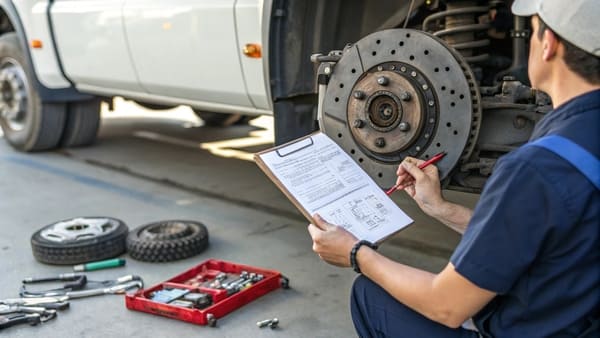
Finding the right part goes beyond just matching a number in a catalog. The quality of the manufacturing process itself plays a huge role in how that part will perform in the real world. I’ve learned over the years that the small details in production make all the difference between a part that lasts and one that fails prematurely. Let’s dive deeper into what you need to know to make the right choice every time.
What Is a Truck Clutch Disc and How Does It Work in Heavy-Duty Vehicles?
You know you need a clutch disc, but do you really understand its crucial role? Misunderstanding its function can lead to poor purchasing decisions and eventual vehicle failure.
A truck clutch disc1 is a critical component located between the engine's flywheel and the transmission's pressure plate. It uses special friction material to engage and disengage engine power to the transmission, which allows the driver to change gears and control the vehicle's movement smoothly.
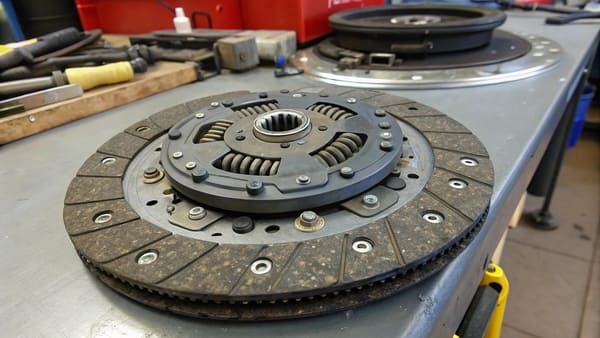
The truck clutch disc1 is the heart of the manual transmission system. Think of it as a bridge for the engine's power. When you press the clutch pedal, the pressure plate releases its clamp on the disc. This allows the disc to spin freely, disconnecting the engine from the transmission. Now, you can shift gears without any grinding. When you release the pedal, springs in the pressure plate clamp down hard on the clutch disc, pressing it against the engine's flywheel. This locks everything together, and power flows from the engine, through the clutch disc, to the transmission, and finally to the wheels.
In heavy-duty trucks, this job is much tougher. These vehicles carry immense weight and have powerful engines that produce huge amounts of torque. The clutch disc has to handle extreme forces and heat. That's why they are built with specific components to manage the stress.
Key Components of a Truck Clutch Disc
| Component | Function |
|---|---|
| Friction Material | These are the pads on both sides of the disc. They create the grip needed to transfer power. The material must be durable enough to withstand high heat and friction. |
| Torsion Springs | These springs are built into the center hub of the disc. They act as shock absorbers, dampening the harsh shock of engagement and engine vibrations to provide a smoother ride. |
| Splined Hub | This is the center part of the disc with teeth (splines) that slide over the transmission's input shaft. This connection ensures the disc and shaft spin together. |
Understanding these parts helps you appreciate why quality matters so much. A failure in any one of these components can bring a massive truck to a complete stop.
How Do You Choose the Correct Truck Clutch Disc for Your Vehicle or Fleet?
Choosing a clutch disc from countless options feels overwhelming. A wrong choice means wasted money, installation problems, and potential damage to the transmission. You just need a clear process.
To choose the correct truck clutch disc1, you must match the vehicle's exact specifications, including make, model, and engine. More importantly, you need a supplier who understands the manufacturing details, like friction material formulas5 and the cooling process, which directly impact performance and durability.
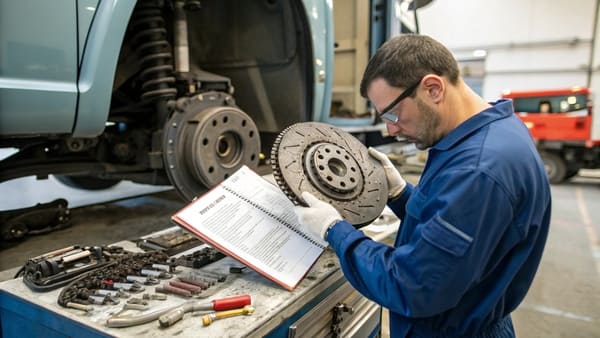
Choosing the right clutch disc is more than just matching numbers. The manufacturing process is incredibly complex, and not all aftermarket parts are created equal. The production of a high-quality clutch disc involves at least three critical stages, and the most difficult one is the cooling and shaping process6. The precision required is immense. I've found that machines capable of this level of accuracy are typically located in specific manufacturing hubs, like the coastal areas of Fujian or near Shanghai. Machines from other regions often just can't meet the standards for heavy-duty applications.
Another huge challenge is getting the friction material formula right. During production, the machine has to be stopped to add ingredients to the mix. This requires opening the mold, which can cause problems during the cooling phase. I learned this the hard way on one of my first projects with a client from Pakistan. We were inexperienced, and the clutch discs showed significant "shrinkage" after they cooled. I was worried, but it turned out the client actually preferred the result. It was a lucky break, and we've perfected the process since, but it taught me a valuable lesson about how sensitive the manufacturing process is.
Key Selection Criteria
| Factor | What to Look For |
|---|---|
| Vehicle Application | Is the truck used for long-haul, city delivery, or heavy construction? Each application puts different demands on the clutch. |
| Material Quality | Ask your supplier about the friction material composition. A good supplier will know the details of their formulas and why they work. |
| Manufacturing Precision | Work with suppliers who can prove their manufacturing capabilities. The cooling and shaping process6 is a good indicator of overall quality. |
| Supplier Experience | An experienced supplier can guide you through the selection and has likely solved problems you haven't even thought of yet. |
These details are why a partnership with a knowledgeable supplier is so important. They don't just sell you a part; they provide a solution that is built to last because they control and understand the entire production process.
Which OE Numbers and Cross References Should You Check Before Buying a Truck Clutch Disc?
You have a part number7, but are you sure it's the right one? Relying on a single number without cross-referencing is a big risk and can lead to ordering an incompatible part.
Always start with the Original Equipment (OE) number from the old part or the vehicle's manual. Use this number to find aftermarket cross-references and then double-check physical dimensions like diameter and spline count8 to confirm a perfect match before you buy.
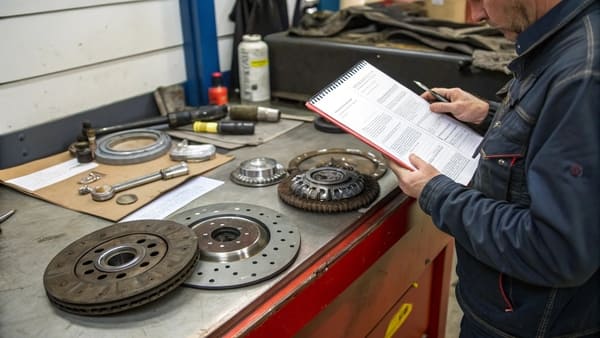
The OE number is your single most reliable starting point. It's the unique identifier assigned by the vehicle manufacturer. However, in the aftermarket world, many different companies produce the same part, each with their own part number7. This is where cross-referencing comes in. It helps you connect the original number to a high-quality aftermarket equivalent. But even then, you should always do a final physical check. A simple mistake in a database can cause a big problem, so verifying the specs yourself is a crucial final step.
Here is a simple process I always follow to make sure we get it right.
Step-by-Step Verification Process
-
Find the OE Number: The first step is to locate the OE number. You can usually find it stamped directly onto the hub or body of the old clutch disc. If it's unreadable, check the vehicle's service manual or contact a dealer with the Vehicle Identification Number (VIN).
-
Use a Cross-Reference Tool: Once you have the OE number, use a reliable cross-reference database9. Your supplier should have one, or you can find them on the websites of major aftermarket parts manufacturers. Enter the OE number to see a list of compatible aftermarket parts.
-
Verify the Physical Specifications: This is the most important step. Don't just trust the number. Compare the key physical dimensions of the new part with the old one.
Critical Specifications to Verify
| Specification | Why It's Important |
|---|---|
| Outer Diameter | The disc must fit perfectly inside the space between the flywheel and the pressure plate. Too large or too small, and it simply won't work. |
| Spline Count | The teeth in the hub must match the number of grooves on the transmission input shaft. An incorrect count means the disc won't slide onto the shaft. |
| Hub Profile | The shape and depth of the hub determine how the disc sits on the shaft. An incorrect profile can cause alignment and engagement issues. |
| Disc Thickness | The thickness of the friction material affects the clutch's lifespan and engagement point. It must be within the manufacturer's specified tolerance. |
Following this process protects you from ordering the wrong part. A good supplier will not only provide cross-reference data but will also be happy to help you verify these physical specifications10 before you commit to an order.
Conclusion
Finding the right truck clutch disc1 comes down to matching OE numbers2, verifying specs, and working with a supplier who truly understands the complex manufacturing process that creates a durable, reliable part.
Understanding the role of a truck clutch disc helps you make informed decisions and avoid costly mistakes when sourcing replacement parts. ↩
Learning how to verify OE numbers ensures you get the exact part your vehicle needs, preventing compatibility issues and downtime. ↩
Exploring aftermarket options lets you find quality parts at competitive prices, improving fleet maintenance efficiency. ↩
Partnering with knowledgeable suppliers guarantees you get durable, high-quality parts that meet your vehicle's needs. ↩
Exploring friction material formulas reveals how they impact performance and durability, helping you choose the best disc for your needs. ↩
Understanding this process helps you identify high-quality parts and avoid premature failures caused by poor manufacturing. ↩
Using the part number streamlines your search and helps you avoid confusion in catalogs and supplier listings. ↩
Verifying spline count prevents mismatches with your transmission shaft, ensuring proper function and reliability. ↩
Using a reliable cross-reference database helps you find compatible aftermarket parts and avoid ordering the wrong clutch disc. ↩
Verifying physical specs prevents ordering mistakes and ensures the part fits and functions as intended. ↩