-Hearing strange noises from your brakes? This rattling can mean bigger problems are coming. It's often caused by small, overlooked parts you need to understand.
Yes, brake pad retaining clips1 are necessary for optimal brake performance. These clips, also called anti-rattle clips2, hold the brake pads securely in the caliper. Without them, you will likely experience annoying rattling noises, uneven brake pad wear3, and potential long-term damage to your brake system.
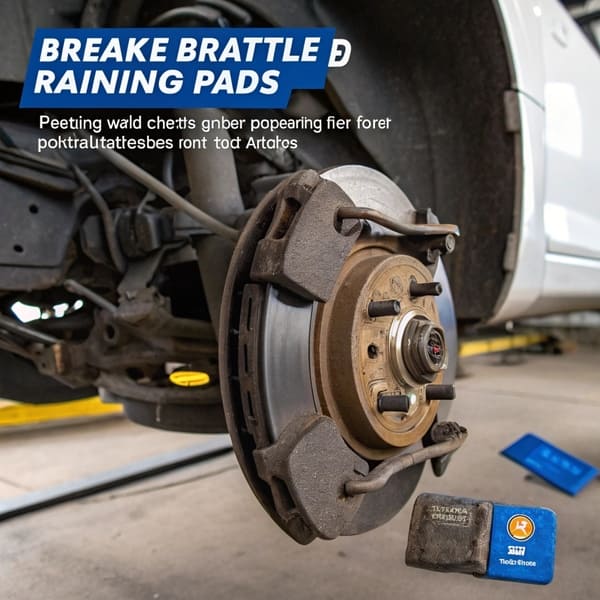
These small metal pieces are a big deal in your car's brake system. Many people wonder if they can just leave them out during a brake job to save a little time or money. The short answer is no, and it's a bad idea. These clips do more than just stop noise. They are a key part of making sure your brakes work correctly and last as long as they should. Let's look closer at what these clips do and why you should never skip them.
What Are Brake Pad Retaining Clips and What Do They Do?
You hear about brake hardware4, but what are these clips? This confusion can make a simple brake job feel complicated. Let's make it clear what these parts are for.
Brake pad retaining clips are small, springy metal parts that fit inside the brake caliper bracket. Their main job is to apply light tension to the brake pads. This stops the pads from vibrating or moving around, which prevents rattling noises and ensures they stay in the correct position.
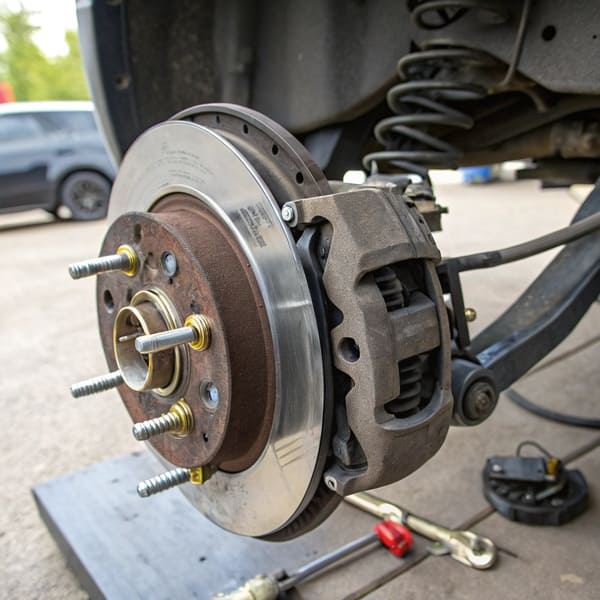
When I first started in the auto parts business, I thought of these clips as just "anti-rattle" hardware. I quickly learned they do much more. These clips are precision-engineered components. They are usually made from high-quality spring steel5 so they can keep their shape and tension even after thousands of heating and cooling cycles. Their job is to create a snug fit for the brake pads6 within the caliper assembly. Without this tension, the pads would have a small gap, allowing them to shift and vibrate every time you go over a bump or apply the brakes. This constant movement is not only noisy but also bad for the entire brake system. The clips guide the pad to move smoothly back and forth, ensuring it contacts the rotor evenly and retracts properly when you release the pedal.
| Feature | With Retaining Clips | Without Retaining Clips |
|---|---|---|
| Noise | Quiet operation | Rattling, clunking, or squealing |
| Pad Position | Secure and aligned | Loose, can shift or tilt |
| Pad Wear | Even and consistent | Uneven, premature wear |
| Brake Feel | Smooth and responsive | Can feel loose or inconsistent |
Are Brake Pad Retaining Clips Really Necessary for Safe Braking?
Some people say these clips are optional. This bad advice can put your brake system at risk. Let's set the record straight on their importance for safety.
While your car will still technically stop without them, retaining clips are necessary for safe and reliable braking performance. They prevent pad movement7 that leads to uneven wear, noise, and component stress8. These issues indirectly impact safety and the lifespan of your brakes, making the clips essential.
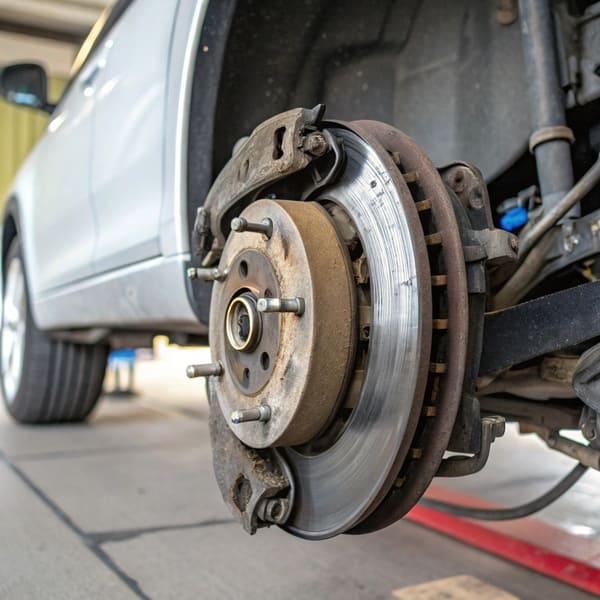
Let's be very direct. If you leave the clips out, will your brake pedal still stop the car in an emergency? Yes. The hydraulic pressure will still force the caliper piston to push the pads against the rotor. However, safety is about more than just stopping. It's about predictable, consistent, and reliable performance every single time. Missing clips introduce variables that compromise this reliability. A loose pad might not sit perfectly flat against the rotor when you first press the pedal. This can create a slight delay or a "spongy" feel before you get full braking power. Over time, the constant vibration from loose pads can cause damage to the caliper piston or the bracket itself. This creates more expensive problems down the road. As a manufacturer, we know these parts are designed for a reason. They are part of a complete system, and removing them makes the system incomplete and less effective.
| Risk of Not Using Clips | Description | Impact on Safety |
|---|---|---|
| Excessive Noise | Constant rattling and clunking. | Distracting for the driver, can mask other serious issues. |
| Uneven Pad Wear | Pads wear at an angle or taper. | Reduced braking efficiency and shorter pad life. |
| Pad Binding | Pads can get stuck in the caliper. | Brakes may drag or not release properly, causing overheating. |
| Component Stress | Vibration wears out the caliper and bracket. | Leads to costly repairs and potential failure of other parts. |
What Happens If Brake Pad Clips Are Missing or Installed Incorrectorrectly?
You just finished a brake job, but now you hear a noise. An incorrectly installed clip9 can be just as bad as a missing one. Let's review the signs of a problem.
If brake pad clips are missing or installed wrong, you will probably hear a distinct rattling or clunking sound from your wheels, especially on bumpy roads. Other signs include brake squeal, a vibrating brake pedal, and pads that wear down unevenly. This can lead to poor performance.
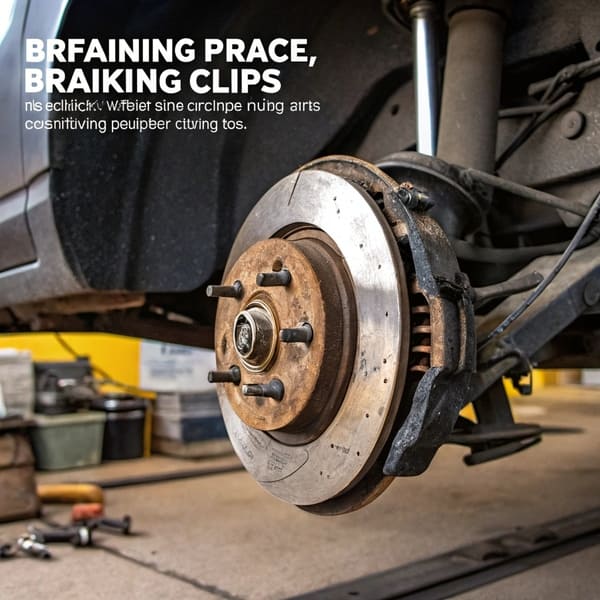
An incorrect installation is a very common mistake. Each clip is designed to fit in a specific orientation. If it’s put in upside down or backward, it won't apply the correct tension. In some cases, it can even interfere with the pad's movement, causing it to bind. This means the pad doesn't pull away from the rotor when you release the brake, leading to constant friction, overheating, and rapid wear.
I learned a lot about the precision of these parts a few years ago. We were working with a new client from Pakistan on an order for brake hardware4 kits. The manufacturing of these clips is surprisingly difficult. You need high-precision injection molding machines10, which are mostly found in certain regions of China, like near the coast or around Shanghai. The cooling process is the hardest part. On that first order, we had some trouble, and the clips "shrank" more than expected after cooling. I was worried, but the client actually preferred the tighter fit. It was a lucky break, and we perfected the process after that. This experience taught me just how important a fraction of a millimeter is for these parts. Even adding color powder to the material is a challenge because you have to open the mold, which affects the cooling. A poorly made or wrongly installed clip just won't work right.
Conclusion
Brake pad retaining clips are not optional. They are essential for quiet, smooth, and reliable braking. Always use new clips when you replace your brake pads for safety.
Learning about retaining clips ensures you maintain optimal brake performance and avoid unnecessary noise or damage. ↩
Discovering the function of anti-rattle clips helps you make informed decisions during brake maintenance or replacement. ↩
Preventing uneven wear extends the life of your brake pads and keeps your braking safe and effective. ↩
Knowing about brake hardware ensures you replace all necessary components for a complete and safe brake job. ↩
Understanding material choice helps you appreciate the durability and reliability of your brake components. ↩
A snug fit prevents movement and noise, ensuring your brakes work smoothly and last longer. ↩
Learning about pad movement helps you recognize symptoms of brake issues before they become serious. ↩
Reducing stress on brake components saves you money and prevents unexpected failures. ↩
Avoiding installation mistakes ensures your brakes function safely and quietly. ↩
Learning about manufacturing processes helps you choose quality parts for your vehicle. ↩