Feeling that modern cars lack personality? You see a classic and feel its unique history, but wonder why they're so captivating. It's a blend of design, nostalgia, and raw mechanics.
Classic cars fascinate us because they represent a unique blend of timeless design, mechanical simplicity, and cultural nostalgia.1 They offer a tangible connection to a different era of driving, where style and driver engagement were paramount, unlike the standardized efficiency of many modern vehicles.
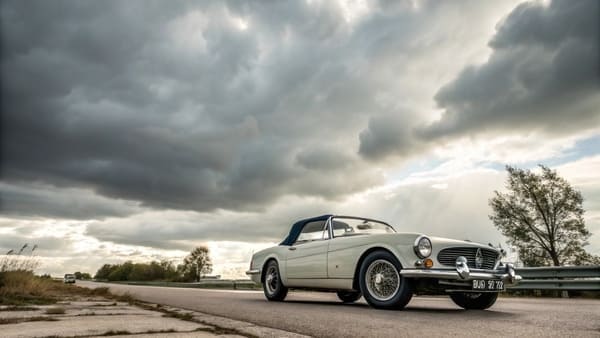
That pull you feel isn't just about looks. It’s about the story each car tells. But before we dive into the legendary brands, it's important to understand what makes a car "classic" in the first place. Let's explore the details that separate a simple old car from a true automotive icon.
What Actually Makes a Car “Classic” Today?
Not every old car is a classic. It can be confusing to know what qualifies. The answer isn't just about age; it involves rarity, design, and historical significance.
A car becomes a "classic" based on more than just age, which is typically 20-40 years old.2 Key factors include historical significance, rarity, aesthetic appeal, and cultural impact3. It must be a model that was desirable or influential when new and has maintained that status.
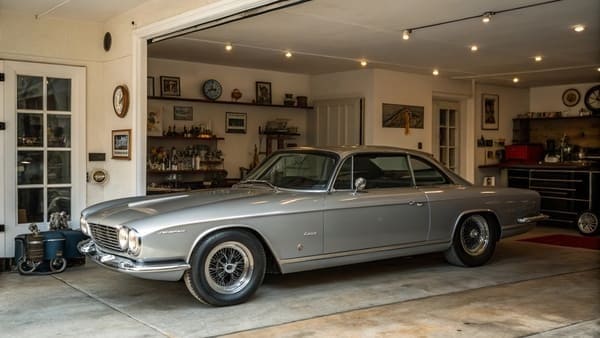
The definition of a "classic" is a mix of official rules and community feeling.4 Different clubs and insurance companies have their own standards, but some common themes always appear. It's a combination of factors that elevate a vehicle from old to iconic.
Age Isn't Everything
Age is the starting point, but it's not the only factor. A car must also be desirable. Think about how many were made. A limited-production model is often more valuable than a mass-produced one.5 The car's condition is also critical; a well-preserved original or a professionally restored car will always be considered more classic6.
The Challenge of Authentic Parts
Restoring these cars is where the real difficulty lies. For example, recreating plastic components is incredibly hard. Standard injection molding machines just don't have the precision for vintage-style plastic accessories.7 The process requires at least three main stages, with the cooling stage being the most difficult. Any mistake can cause the part to shrink or warp. It's a craft that requires deep expertise and specific machinery, which I've found are usually located in the coastal areas of Fujian or near Shanghai. Machines from other regions, like Hebei, often can't meet the precision requirements for these jobs. This expertise separates a good restoration from a great one.
Here’s a simple breakdown of what to look for:
| Factor | Description | Example |
|---|---|---|
| Age | Generally 20-40 years old. Cars over 40 are often "antique." | A 1985 Toyota MR2 is a classic. |
| Rarity | Low production numbers or few survivors. | A limited-edition Ferrari. |
| Design | Aesthetically pleasing and representative of its era. | The iconic shape of a Jaguar E-Type. |
| Impact | Culturally or technologically significant. | The original Volkswagen Beetle. |
Why Do Certain Classic Car Brands Become Legends?
Ever wonder why some car brands become legends while others are forgotten? It’s not just luck. These brands built their legacy through innovation, racing heritage, and timeless design.
Brands become legends by consistently delivering on a core promise, whether it's performance, luxury, or innovation.8 A strong racing history, iconic designs that define an era, and a reputation for quality and engineering excellence all combine to create an enduring legacy that transcends generations.
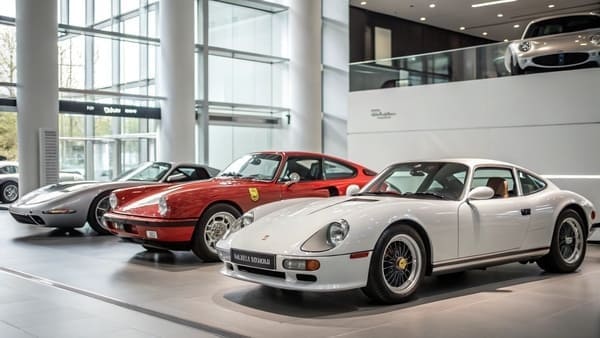
A brand doesn't become a legend by accident. It's a result of deliberate effort and a little bit of magic. These companies didn't just sell cars; they sold a dream, an identity, and a promise of something extraordinary. This is how they did it.
A Legacy Forged in Competition
Racing success is one of the fastest ways to build a legendary reputation. Brands like Ferrari, Porsche, and Ford built their names on the track. Winning prestigious races like Le Mans proved their engineering, speed, and reliability.9 This success created a halo effect, making their road cars more desirable. People wanted to own a piece of that winning DNA. This history is why sourcing or manufacturing performance parts for these brands requires such a deep understanding of their original engineering.
The Power of Iconic Design
Legendary brands create cars that are instantly recognizable. Think of the Porsche 911's silhouette or the Jaguar E-Type's long hood. These designs were not just beautiful; they captured the spirit of their time and became cultural symbols.10 This strong visual identity helps the brand stick in people's minds for decades. It's something we focus on when helping new brands develop their own unique parts—creating a lasting visual signature is key to building a future classic.
Engineering and the Ownership Experience
Finally, these brands backed up their looks and racing wins with solid engineering. They were known for innovation, whether it was a new engine type or a superior handling setup.11 The feeling of driving one of these cars—the sound, the feedback through the steering wheel—created a powerful bond with the owner. It was an experience, not just transportation. This commitment to a unique feel is what makes them timeless.
Which American Classic Car Brands Defined Automotive History?
America's automotive history is vast. With so many iconic names, who were the real game-changers? A few brands stand out for defining muscle, luxury, and the American dream.
Brands like Ford, Chevrolet, Cadillac, and Duesenberg defined American automotive history.12 Ford democratized car ownership, Chevrolet brought style to the masses, Cadillac set the standard for luxury, and Duesenberg represented the peak of pre-war opulence and performance. They shaped the industry and American culture.
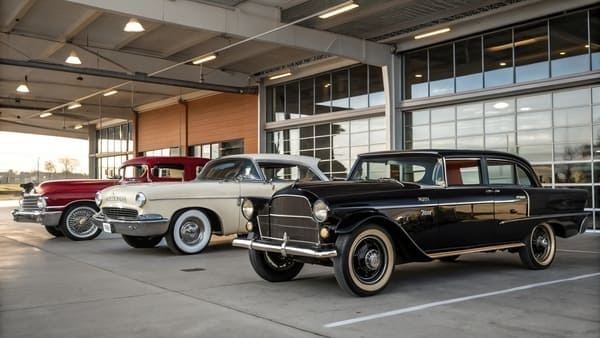
America's love affair with the automobile created some of the most iconic brands in history. These companies weren't just building machines; they were building the American dream. Their influence is still felt today, from the way cars are made to the culture that surrounds them.
The Pioneers and the Power of Muscle
Ford and Chevrolet are the foundation of American car culture. Ford, with the Model T, made cars accessible to everyone. Chevrolet responded with style and performance for the average family. This rivalry pushed both companies to innovate, culminating in the muscle car era of the 60s and 70s. Cars like the Mustang and Camaro became symbols of freedom and power.
Recreating Parts for American Icons
Keeping these legends on the road is a huge challenge, especially with plastic parts like dashboards or interior trim. I remember my first project for these types of cars. A client in Pakistan needed new plastic fittings. At the time, I didn't fully appreciate how difficult the cooling process was for injection molding. We also had to add color powder, which meant stopping the machine and opening the mold, making the cooling even more difficult. The first batch of parts came out with some shrinkage. Fortunately, the client loved the slightly imperfect, "aged" look, but it was a valuable lesson in precision. It taught me that recreating these parts perfectly is a highly specialized task.
Here are a few of the defining brands:
| Brand | Defining Contribution | Iconic Model |
|---|---|---|
| Ford | Mass production and the V8 engine. | Model T, Mustang |
| Chevrolet | Style and performance for the masses. | Corvette, Camaro |
| Cadillac | The American luxury standard. | Eldorado |
| Duesenberg | Ultimate pre-war performance and luxury. | Model J |
Conclusion
In the end, classic cars are more than just old metal. They are rolling art that connects us to a rich history of design, passion, and pure driving fun.
"Classic car", https://en.wikipedia.org/wiki/Classic_car. A scholarly overview of classic car culture notes that enthusiasts are drawn to classic cars for their distinctive design, mechanical engagement, and the nostalgia they evoke for past eras. Evidence role: expert_consensus; source type: encyclopedia. Supports: Classic cars fascinate us because they represent a unique blend of timeless design, mechanical simplicity, and cultural nostalgia.. Scope note: The source may generalize across Western car cultures and not account for all global perspectives. ↩
"Importing classic or antique vehicles / cars for personal use", https://www.help.cbp.gov/s/article/Article-1100?language=en_US. Automotive organizations and insurance companies often define a classic car as being between 20 and 40 years old, though definitions can vary by region and institution. Evidence role: definition; source type: institution. Supports: A car becomes a "classic" based on more than just age, which is typically 20-40 years old.. Scope note: Definitions of 'classic car' may differ internationally and among organizations. ↩
"Classic car - Wikipedia", https://en.wikipedia.org/wiki/Classic_car. Classic car registries and automotive historians identify historical significance, rarity, aesthetic appeal, and cultural impact as key criteria for classic status. Evidence role: expert_consensus; source type: institution. Supports: Key factors include historical significance, rarity, aesthetic appeal, and cultural impact.. Scope note: Criteria may be weighted differently by various organizations and experts. ↩
"Classic car - Wikipedia", https://en.wikipedia.org/wiki/Classic_car. Automotive clubs and insurance bodies often blend formal criteria with enthusiast community sentiment when defining classic cars. Evidence role: expert_consensus; source type: institution. Supports: The definition of a "classic" is a mix of official rules and community feeling.. Scope note: The balance between official and community definitions varies by region and organization. ↩
"Classic Car, Truck and Motorcycle Values | Hagerty Valuation Tool®", https://www.hagerty.com/valuation-tools. Classic car market analyses show that limited-production models generally command higher values than mass-produced vehicles due to their rarity. Evidence role: statistic; source type: research. Supports: A limited-production model is often more valuable than a mass-produced one.. Scope note: Market value can fluctuate based on other factors such as condition and provenance. ↩
"How Much Is Your Classic Car Worth? | American Collectors Insurance", https://americancollectors.com/classic-car-values/. Classic car judging standards and collector guides emphasize that originality and high-quality restoration significantly enhance a vehicle's classic status and value. Evidence role: expert_consensus; source type: institution. Supports: A well-preserved original or a professionally restored car will always be considered more classic.. Scope note: Some collectors may value patina or unrestored condition for certain models. ↩
"Common Injection Molding Challenges and How to Solve Them", https://total-ps.com/common-injection-molding-challenges-and-how-to-solve-them/. Technical reviews of automotive restoration note that modern injection molding equipment may lack the precision required for replicating certain vintage plastic parts, necessitating specialized processes. Evidence role: mechanism; source type: research. Supports: Standard injection molding machines just don't have the precision for vintage-style plastic accessories.. Scope note: Some modern machines can be adapted for higher precision, but challenges remain for specific vintage components. ↩
"Luxury car - Wikipedia", https://en.wikipedia.org/wiki/Luxury_car. Brand studies in the automotive sector highlight that legendary status is often achieved through consistent delivery on core values such as performance, luxury, or innovation. Evidence role: expert_consensus; source type: research. Supports: Brands become legends by consistently delivering on a core promise, whether it's performance, luxury, or innovation.. Scope note: Brand perception can also be influenced by marketing and cultural factors. ↩
"24 Hours of Le Mans - Wikipedia", https://en.wikipedia.org/wiki/24_Hours_of_Le_Mans. Historical accounts of motorsport confirm that victories at events like the 24 Hours of Le Mans have been used by manufacturers to demonstrate engineering prowess and reliability. Evidence role: historical_context; source type: encyclopedia. Supports: Winning prestigious races like Le Mans proved their engineering, speed, and reliability.. Scope note: Not all legendary brands have relied on racing success for their reputation. ↩
"Jaguar E-Type - Wikipedia", https://en.wikipedia.org/wiki/Jaguar_E-Type. Design historians note that models like the Porsche 911 and Jaguar E-Type are considered cultural icons, reflecting the aesthetics and values of their respective eras. Evidence role: historical_context; source type: encyclopedia. Supports: These designs were not just beautiful; they captured the spirit of their time and became cultural symbols.. Scope note: Cultural symbolism may be more pronounced in certain regions or demographics. ↩
"Timeline of Classic Car Innovations: From Past to Present", https://www.mccandlesscollection.com/timeline-of-classic-car-innovations-from-past-to-present/. Automotive histories document that legendary brands often introduced technical innovations, such as new engine configurations or advanced suspension systems, contributing to their reputation. Evidence role: historical_context; source type: encyclopedia. Supports: They were known for innovation, whether it was a new engine type or a superior handling setup.. Scope note: Not every model from these brands was innovative, but key examples set industry standards. ↩
"Duesenberg - Wikipedia", https://en.wikipedia.org/wiki/Duesenberg. Encyclopedic histories of the American automobile industry identify Ford, Chevrolet, Cadillac, and Duesenberg as key brands that shaped the nation's automotive legacy. Evidence role: historical_context; source type: encyclopedia. Supports: Brands like Ford, Chevrolet, Cadillac, and Duesenberg defined American automotive history.. Scope note: Other brands also contributed significantly to American automotive history. ↩