-A hot cab makes for a long, miserable day on the road. A failing air conditioner isn't just an inconvenience; it's a major problem that affects your focus and comfort.
The best truck air conditioner for most drivers is an electric parking air conditioner, often a 12V or 24V model.1 It provides excellent cooling during rest stops without needing to idle the engine, which saves a significant amount of fuel and reduces engine wear over time.2

Choosing the right air conditioning system for your truck can feel like a huge decision. You have to think about power, fuel efficiency, and how you use your truck every day. It's not just about buying a unit; it's about investing in your comfort and your business. We're going to break down the options to help you understand what really matters, from the overall system down to the small parts that make it all work. Let's get started.
What Is a Truck Aircon and How Does It Work?
Does all the technical talk about truck air conditioners confuse you? You hear about compressors and refrigerants and worry you won't understand it. What if it was actually quite simple?
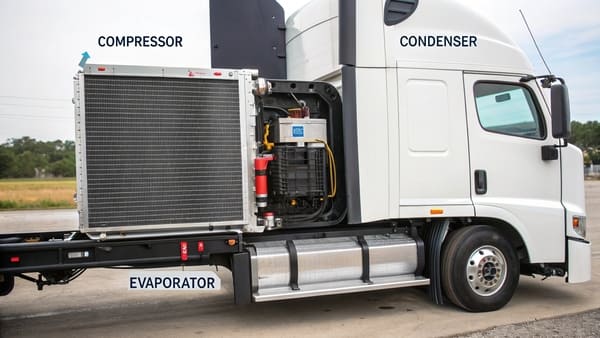
A truck aircon cools your cab by moving heat from inside to outside. It uses a special liquid called a refrigerant that cycles through a compressor, condenser, and evaporator.3 This process absorbs heat from the cab air, leaving you with a cool, comfortable environment.
To really understand how it works, let's look at the main parts. The compressor is the heart of the system, pumping the refrigerant. The condenser, usually at the front of the truck, releases the heat from the refrigerant into the outside air. The evaporator, inside the cab, is where the magic happens for you. As the cold refrigerant flows through it, a fan blows air over it, and that cool air comes out of your vents. All these parts are connected by hoses and lines. But what holds it all together and directs the air? The plastic components. The housing, the vents, and the internal ducts are incredibly important. The precision of these plastic parts is critical. If a duct is poorly shaped, airflow is weak. If the housing is not durable, it will crack from vibrations. As a manufacturer, we know that making these parts is a serious engineering task.
Why Are More Truck Owners Switching to Electric Truck Aircons?
Leaving your engine running just for air conditioning burns a lot of fuel and adds unnecessary wear. This hurts your wallet and your truck's engine in the long run.
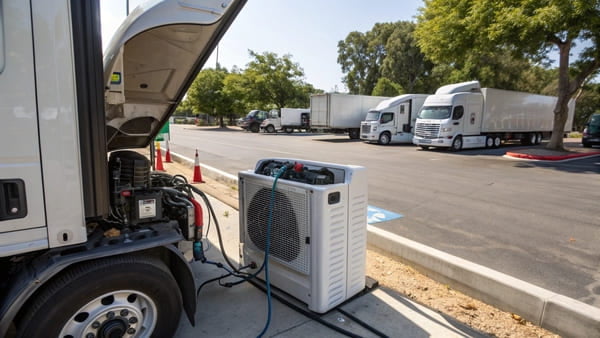
Truck owners are switching to electric aircons, or "parking coolers," to save fuel and avoid engine idling.4 These systems run directly off the truck's batteries, providing hours of cooling during rest stops, which is perfect for overnight stays and complying with anti-idling laws.5
The move to electric parking coolers makes a lot of sense. The biggest benefit is saving money on fuel. An idling truck can burn almost a gallon of diesel per hour.6 Over a year, that adds up to thousands of dollars. Electric aircons use a small amount of battery power instead. This also means less wear and tear on your main engine, extending its life.7 Plus, they are very quiet, which means you get a much better night's sleep.
From a manufacturing standpoint, these electric units present unique challenges. The plastic housings and components must be perfect. I remember one of our first projects for these units was with a client from Pakistan. Making the plastic parts for truck aircons is very difficult. You need special injection molding machines with high precision. The cooling stage of the process is the hardest part. On that first project, we had an issue where the plastic parts "shrank" more than expected after cooling. I was very worried. But when the client saw them, he was actually happier. The slight shrinkage made for a tighter fit in his specific application. It was a lucky break, but it taught us a valuable lesson about controlling the cooling process. We've perfected it since and haven't made that mistake again.
What Types of Truck Aircon Systems Are Available?
With so many different AC systems on the market, you might worry about choosing the wrong one. You need a solution that fits your truck, your routes, and your budget perfectly.
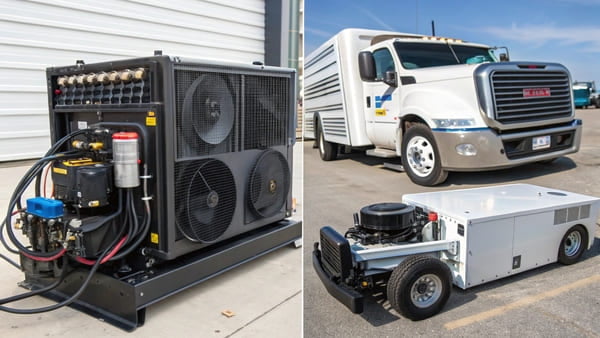
The main types of truck aircon systems are traditional engine-driven AC and auxiliary power units (APUs). APUs can be further divided into battery-powered electric parking coolers and small diesel-powered units.8 Each type offers different benefits for power, efficiency, and cost.
Choosing the right system depends entirely on your needs. Let's break down the main options so you can see which one fits you best. The quality of the components, especially the plastic parts that form the housing and ducting, is crucial for performance and durability in all of these systems.
Comparing Truck Aircon Systems
| System Type | How It Works | Pros | Cons |
|---|---|---|---|
| Standard Engine-Driven AC | Uses the truck's main engine to power the compressor. | Very powerful cooling while driving; Integrated with the vehicle. | Only works when the engine is running; Requires idling to use when parked. |
| Electric Parking Cooler | Runs on the truck's 12V or 24V batteries. | No engine idling required; Saves fuel; Quiet operation; Low maintenance. | Limited runtime by battery capacity; Less cooling power than engine-driven systems. |
| Diesel-Powered APU | A small, separate diesel engine powers an AC compressor and a generator. | Powerful cooling without idling the main engine; Can also power other electronics. | High upfront cost; Requires its own maintenance; Can be noisy. |
As a manufacturer, we have to produce parts for all these systems. The plastic housing for a rooftop electric cooler needs to be strong, lightweight, and UV-resistant.9 The internal vents for an engine-driven system must handle temperature swings. The precision required is no joke. The machines needed for this job are not common. You typically find them in specialized factories near the coast in Fujian or around Shanghai. Machines from other areas often just can't meet the accuracy standards. Even adding color to the plastic is a challenge. You have to stop the machine, open the mold to add the color powder, and this messes with the critical cooling process. We learned early on that getting these details right is the difference between a part that works and one that fails.
Conclusion
Choosing the right truck aircon saves fuel, reduces engine wear, and keeps you comfortable. Understanding the system types and the quality of their parts helps you make a smart investment.
"Automotive air conditioning - Wikipedia", https://en.wikipedia.org/wiki/Automotive_air_conditioning. A review of truck air conditioning technologies notes that electric parking air conditioners, particularly 12V and 24V models, are widely adopted for their ability to provide cooling during rest periods without engine idling, which is valued by many drivers. Evidence role: expert_consensus; source type: encyclopedia. Supports: The best truck air conditioner for most drivers is an electric parking air conditioner, often a 12V or 24V model.. Scope note: The source discusses general industry trends and may not reflect every driver's preference. ↩
"Electric Vehicle Benefits and Considerations", https://afdc.energy.gov/fuels/electricity-benefits. Government and industry sources confirm that electric parking air conditioners allow drivers to cool their cabs without idling, resulting in measurable fuel savings and reduced engine wear compared to traditional engine-driven AC systems. Evidence role: mechanism; source type: government. Supports: It provides excellent cooling during rest stops without needing to idle the engine, which saves a significant amount of fuel and reduces engine wear over time.. Scope note: Exact savings depend on usage patterns and system efficiency. ↩
"Air conditioning - Wikipedia", https://en.wikipedia.org/wiki/Air_conditioning. Standard engineering references describe the basic operation of vehicle air conditioning systems, which use a refrigerant circulated by a compressor, condenser, and evaporator to transfer heat from the cabin to the outside environment. Evidence role: definition; source type: encyclopedia. Supports: A truck aircon cools your cab by moving heat from inside to outside. It uses a special liquid called a refrigerant that cycles through a compressor, condenser, and evaporator.. ↩
"Engine Anti-Idling Law | doee - DC.gov", https://doee.dc.gov/service/engine-anti-idling-law. Industry reports and government resources note a trend among truck owners adopting electric air conditioning systems, or parking coolers, to reduce fuel consumption and comply with anti-idling regulations. Evidence role: expert_consensus; source type: government. Supports: Truck owners are switching to electric aircons, or "parking coolers," to save fuel and avoid engine idling.. Scope note: The trend may vary by region and fleet size. ↩
"[PDF] Compilation of State, County, and Local Anti-Idling Regulations - EPA", https://www.epa.gov/sites/default/files/documents/CompilationofStateIdlingRegulations.pdf. Technical overviews of electric truck air conditioning systems confirm that these units operate from the vehicle's batteries, offering several hours of cooling suitable for overnight rest and compliance with anti-idling regulations. Evidence role: mechanism; source type: education. Supports: These systems run directly off the truck's batteries, providing hours of cooling during rest stops, which is perfect for overnight stays and complying with anti-idling laws.. Scope note: Actual runtime depends on battery capacity and system efficiency. ↩
"[PDF] Long-Haul Truck Idling Burns Up Profits", https://afdc.energy.gov/files/u/publication/hdv_idling_2015.pdf. US Department of Energy and EPA sources estimate that a typical heavy-duty truck consumes approximately one gallon of diesel per hour while idling. Evidence role: statistic; source type: government. Supports: An idling truck can burn almost a gallon of diesel per hour.. Scope note: Actual fuel consumption may vary based on engine size and conditions. ↩
"Idle Reduction Research and Development", https://afdc.energy.gov/conserve/idle-reduction-research. Technical analyses indicate that electric air conditioning systems for trucks draw power from batteries, reducing the need for engine idling and thereby decreasing engine wear over time. Evidence role: mechanism; source type: research. Supports: Electric aircons use a small amount of battery power instead. This also means less wear and tear on your main engine, extending its life.. Scope note: The extent of engine life extension depends on usage patterns and maintenance. ↩
"Automotive air conditioning - Wikipedia", https://en.wikipedia.org/wiki/Automotive_air_conditioning. Industry and technical references categorize truck air conditioning systems into engine-driven AC, battery-powered electric parking coolers, and diesel-powered auxiliary power units (APUs). Evidence role: definition; source type: encyclopedia. Supports: The main types of truck aircon systems are traditional engine-driven AC and auxiliary power units (APUs). APUs can be further divided into battery-powered electric parking coolers and small diesel-powered units.. Scope note: Some sources may use slightly different terminology or classifications. ↩
"[PDF] Design Guide for Heating, Ventilating, and Air Conditioning Systems", https://www.usbr.gov/tsc/techreferences/mands/mands-pdfs/HVACManl.pdf. Engineering standards for automotive HVAC components specify that plastic housings for rooftop units must be durable, lightweight, and resistant to UV degradation to ensure long-term performance. Evidence role: expert_consensus; source type: education. Supports: The plastic housing for a rooftop electric cooler needs to be strong, lightweight, and UV-resistant.. Scope note: Exact material requirements may vary by manufacturer and climate. ↩