Is your clutch pedal feeling spongy or strange? Ignoring this could mean a breakdown, but the fix might just be your clutch master cylinder. Let's find out.
A clutch master cylinder is a vital component in a manual transmission car that converts your foot's pressure on the clutch pedal into hydraulic force. You'll know it's failing if the pedal feels soft, changing gears becomes difficult, or you spot fluid leaks near the pedal or under the hood.
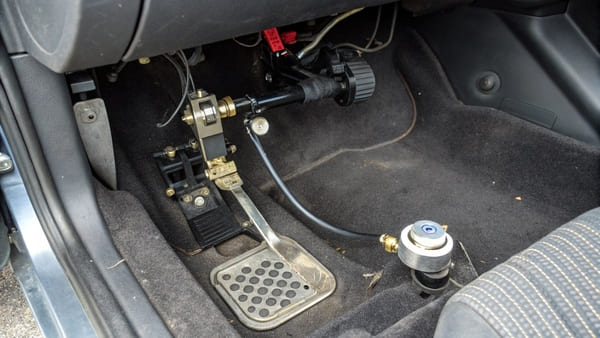
Knowing the warning signs is a great start. But to really understand what's going on with your car, you need to know what this part is and what it does. Let's dig deeper into this essential component so you can feel more confident about what's happening under the hood.
What Is a Clutch Master Cylinder?
You hear "master cylinder" and probably think of brakes. But your clutch has one too, and it's just as important. Let's clarify exactly what a clutch master cylinder is.
A clutch master cylinder is the starting point of your clutch's hydraulic system. It is a small cylinder connected directly to your clutch pedal, and it holds a reservoir of hydraulic fluid. It's the component that begins the process of disengaging the clutch when you press the pedal.
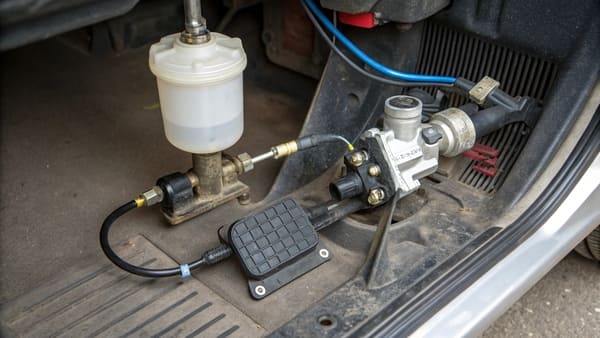
Think of the clutch master cylinder as the command center for your clutch. It's usually made of cast iron or aluminum and has a plastic reservoir sitting on top. This reservoir holds the hydraulic fluid (which is often the same as your brake fluid). Inside the cylinder itself, there's a piston and a spring. When you push the clutch pedal, you're pushing this piston. It seems simple, but manufacturing these parts, especially the plastic reservoir, is surprisingly complex. The precision required for the injection molding is very high. I remember a project I worked on for a client in Pakistan. It was one of our first times producing this specific type of reservoir. The manufacturing process involves several key steps, and the cooling stage is the most difficult to get right. On that first batch, we miscalculated the cooling parameters, and the plastic reservoirs "shrunk" a bit more than the specs called for. Luckily, the client actually preferred the slightly smaller, denser feel, so it worked out. That experience taught me just how critical manufacturing precision is for even the smallest parts of the system.
What Does a Clutch Master Cylinder Do?
Your car has a clutch pedal, but how does it actually work? The magic doesn't happen in the pedal itself. The master cylinder is the real hero here, turning your push into power.
The main job of the clutch master cylinder is to convert the mechanical force from your foot pressing the pedal into hydraulic pressure. This pressure travels through a line to the slave cylinder, which then disengages the clutch, allowing you to change gears smoothly and without grinding.
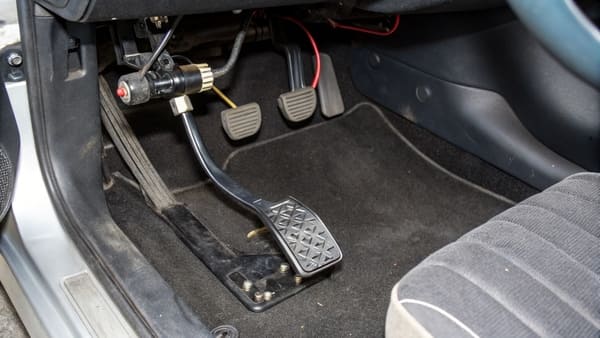
The master cylinder is the first link in a chain of events that lets you shift gears. When it does its job correctly, the whole process is smooth. But if it fails, you're in for a rough ride. Its function is to make your life easier. Old cars used a mechanical cable to connect the pedal to the clutch, which was heavy and would stretch over time. A hydraulic system is much better. It provides a consistent pedal feel and self-adjusts for clutch wear. The master cylinder is responsible for creating the force that makes this happen. It takes the relatively small force from your foot and multiplies it using hydraulic principles, creating enough pressure to move the clutch fork.
Here is a simple breakdown of its role:
| Your Action | Master Cylinder's Reaction | Result |
|---|---|---|
| You press the clutch pedal. | The piston inside moves, pressurizing the hydraulic fluid. | Hydraulic pressure is created. |
| You hold the pedal down. | It maintains this pressure in the hydraulic line. | The clutch remains disengaged. |
| You release the clutch pedal. | The spring pushes the piston back, releasing the pressure. | The clutch re-engages with the engine. |
A well-made master cylinder ensures this process is reliable and leak-free. A poorly made one, especially with a faulty reservoir, can lead to fluid loss and complete system failure, leaving you unable to shift at all.
How Does a Clutch Master Cylinder Work?
So you know it creates pressure when you push the pedal. But what is actually happening inside that small cylinder to make it all work? Let's look at the simple but clever physics behind its operation.
It works using Pascal's principle. When you push the clutch pedal, a rod pushes a piston inside the master cylinder. This action compresses the hydraulic fluid in a sealed chamber. This pressure is then transmitted equally through a fluid line to the slave cylinder, which does the physical work.
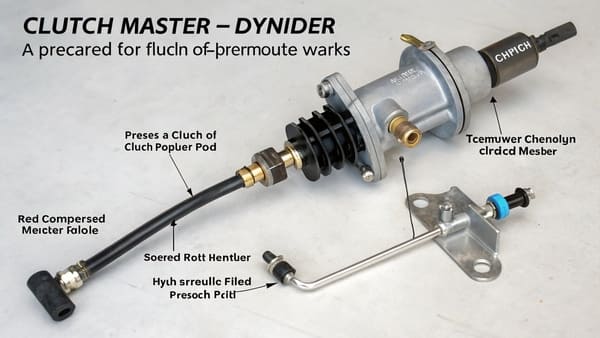
The real magic is in the details. The cylinder bore, piston, and seals have to be perfectly matched to hold the pressure without leaking. When you press the pedal, the piston moves past a tiny port that connects to the fluid reservoir. This seals the system, allowing pressure to build. When you release the pedal, the spring pushes the piston back. It moves past the port again, allowing fluid from the reservoir to top off the system and replace any tiny amount that might have been lost. This also ensures no air gets sucked in, which would make the pedal feel spongy. The plastic reservoir is critical here. It must be made from a material that won't degrade from the hydraulic fluid and must be shaped perfectly to prevent leaks and allow for easy fluid level checks. The manufacturing process for these reservoirs is very sensitive. For example, adding color pigment requires stopping the machine and opening the mold, which can mess up the critical cooling process. High-precision machines, usually found in coastal industrial areas like Fujian or near Shanghai, are needed to handle these challenges. A poorly made reservoir can crack or warp, leading to fluid loss and system failure.
Conclusion
The clutch master cylinder is a small but mighty part that's key to a smooth drive. Knowing what it is, what it does, and how it works helps you diagnose problems early.