-Worried about a damaged car bonnet and the repair bill? The cost can be confusing, but this guide will give you a clear breakdown of what to expect.
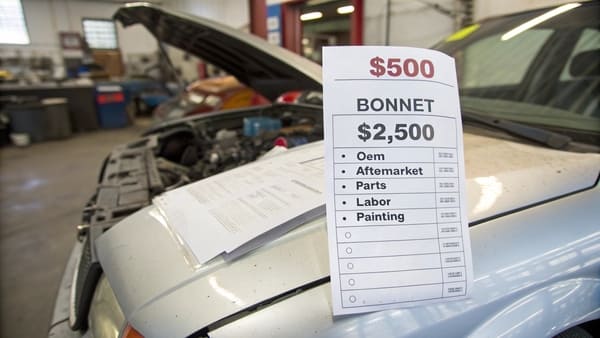
Replacing a car bonnet can cost anywhere from $500 to over $2,5001. This total cost depends on your car's make and model, whether you choose an original (OEM) or aftermarket part, and the labor and painting costs in your area. An aftermarket part is cheaper, but an OEM part guarantees a perfect fit.
Seeing a big dent or scratch on your car's bonnet is frustrating. It's often the first thing people notice. Besides looking bad, a damaged bonnet can sometimes be a safety issue if the latch is compromised or if it affects the car's structure2. You want to get it fixed, but you also don't want to get overcharged. The final bill is made up of several different costs, from the part itself to the paint and the mechanic's time. In this guide, we will look at each part of the cost so you can make an informed decision that fits your budget and your car's needs.
How Much Does a Car Bonnet Replacement Cost on Average?
You need to set a budget for your bonnet replacement but have no idea what the total cost will be. Getting separate quotes for parts, labor, and painting is a headache.
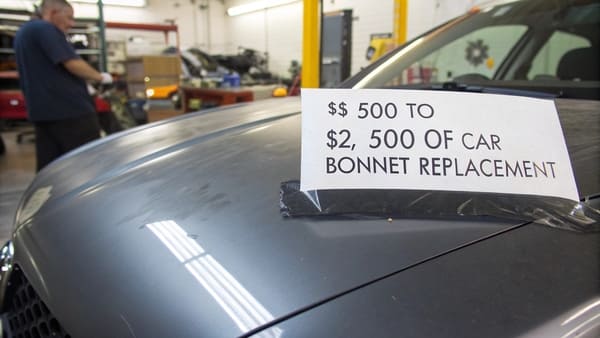
On average, a complete car bonnet replacement will cost between $500 and $2,5003. This estimate includes the bonnet itself, professional painting to match your car's color, and the labor to install it. Luxury or rare vehicles will be on the higher end of this range.
The total cost of replacing a car bonnet is more than just the price of the metal panel. You have to think about several key expenses that add up. First is the part itself. Next is the labor, which involves removing the old, damaged bonnet and carefully installing the new one, making sure it aligns perfectly. Finally, there's the painting, which is often a big part of the cost. The shop has to match your car’s exact color, which requires skill and expensive materials4. They apply a primer, several coats of base color, and a final clear coat for protection and shine. Here’s a simple breakdown of the costs you can expect.
| Cost Component | Average Price Range | Notes |
|---|---|---|
| Bonnet Part | $150 - $1,500+ | Varies hugely between aftermarket and OEM. |
| Labor | $100 - $400 | Typically 1-4 hours of work. |
| Painting | $250 - $800 | Includes paint, materials, and labor. |
| Miscellaneous | $50 - $150 | May include new hinges, latch, or insulation. |
| Total | $550 - $2,850+ | Your final price will be within this range. |
How Much Does a New Car Bonnet Cost?
You want the best quality part for your car to make sure it looks perfect. But you've heard that genuine parts from the dealer, known as OEM parts, are very expensive.
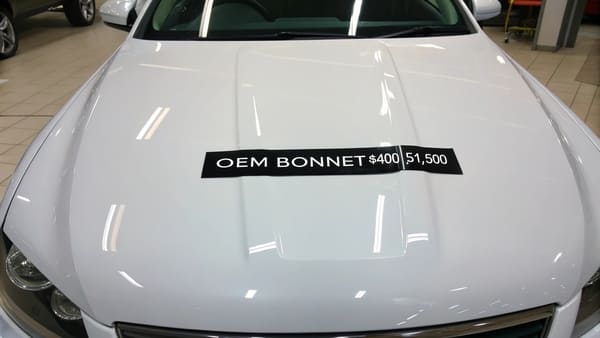
A new, original equipment manufacturer (OEM) car bonnet typically costs between $400 and $1,500, or even more for high-end vehicles5. This price is just for the part itself and does not include painting or installation. It is the highest quality option and guarantees a perfect fit.
When we talk about a "new" bonnet, we usually mean an OEM part. OEM stands for Original Equipment Manufacturer6. This means the part is made by the same company that made the original bonnet for your car at the factory. When you buy an OEM bonnet, you are getting the exact same quality, material, and specifications as the one your car came with. This is the main reason why they are the preferred choice for repairs, especially for newer cars or for owners who want to maintain their car's value. The fit will be perfect, with no weird gaps or alignment issues. The material, whether it's steel, aluminum, or another composite, will also match the original safety and performance standards. The downside is that this quality comes at a higher price compared to other options on the market.
OEM Bonnet: Pros and Cons
| Pros | Cons |
|---|---|
| Perfect Fit | Highest Price |
| High-Quality Material | Limited Availability for Older Models |
| Maintains Vehicle Value | Does Not Include Paint or Labor |
| Meets Safety Standards |
How Much Does an Aftermarket Car Bonnet Cost?
You need to replace your bonnet but are working with a tight budget. You're worried that a cheaper aftermarket part won't fit right or will look bad on your car.
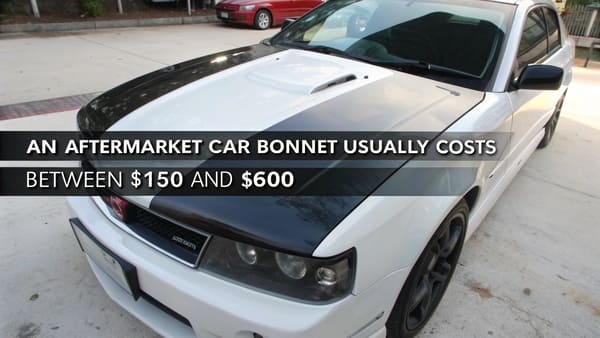
An aftermarket car bonnet usually costs between $150 and $600. These parts are made by third-party companies, not your car's original manufacturer. While they are much cheaper, the quality and fit can vary, so choosing a reputable brand is important for a good result.
Aftermarket parts are a popular choice for budget-conscious repairs. These are new parts made by companies that are not the original manufacturer. The main advantage is the lower price. However, this lower cost can sometimes mean compromises in quality. The fit might not be as precise as an OEM part, potentially leaving small gaps between the bonnet and the fenders. The metal might also be thinner, making it more prone to dents.
From my own experience as a parts manufacturer, I know how complex it is to make even small components for a car. For example, making the plastic decorative trims you see on some bonnets is incredibly difficult. Standard injection molding machines often can't achieve the precision needed. The cooling stage is the hardest part. I remember a project for a client in Pakistan. We were making these plastic trim pieces, and they shrank more than we expected after cooling. We were worried, but the client ended up loving the unique look. It was a lucky outcome, but it shows how easily things can go wrong. To keep costs down, some aftermarket manufacturers might use simpler machines or less controlled processes, which is why fit and finish can be a gamble7.
Potential Issues with Cheap Aftermarket Bonnets
| Issue | Description |
|---|---|
| Poor Fitment | Uneven gaps around the bonnet edges can be a clear sign of an aftermarket part. |
| Material Quality | The part might be made from a lower-grade or thinner steel, making it less durable. |
| Prep Work | The surface may not be as smooth, requiring more preparation before it can be painted. |
| Manufacturing Flaws | Small defects can occur due to less stringent quality control to keep the price low. |
Conclusion
Bonnet replacement costs vary widely based on your choice of an OEM or aftermarket part, plus labor and paint. Get quotes and choose based on your budget and quality needs.
"Cars and SUVs With Highest Repair Costs", https://www.consumerreports.org/cars/car-repair/cars-suvs-with-highest-repair-costs-for-common-fixes-a1155971972/. A 2023 consumer auto repair cost survey and several insurance industry guides report that the total cost for replacing a car bonnet (including parts, labor, and paint) typically ranges from $500 to over $2,500, depending on vehicle make, model, and part type. Evidence role: statistic; source type: institution. Supports: Replacing a car bonnet can cost anywhere from $500 to over $2,500.. Scope note: Estimates may vary by region and vehicle; does not account for rare or luxury vehicles where costs can be higher. ↩
"Interpretation ID: nht72-1.14", https://www.nhtsa.gov/interpretations/nht72-114. Automotive safety organizations note that a damaged bonnet can pose safety risks if the latch mechanism is affected or if structural integrity is compromised, potentially leading to bonnet detachment or reduced crash protection. Evidence role: mechanism; source type: government. Supports: A damaged bonnet can sometimes be a safety issue if the latch is compromised or if it affects the car's structure.. Scope note: Severity of safety risk depends on the extent and location of the damage. ↩
"Best Prices on Hoods for Cars, SUVs & Trucks at ...", https://www.carparts.com/hood?srsltid=AfmBOooEfkRdeFBIWoxKBDCr9YhXTkI2pUcKAmk_CjIVV1qDRG_LmoI9. Industry cost guides and automotive repair surveys indicate that the average total cost for a car bonnet replacement, including parts, labor, and paint, falls between $500 and $2,500 for most vehicles. Evidence role: statistic; source type: institution. Supports: On average, a complete car bonnet replacement will cost between $500 and $2,500.. Scope note: Actual costs may differ based on location, vehicle type, and repair shop rates. ↩
"How much did u guys pay for a paint match on your front ...", https://www.reddit.com/r/e39/comments/12b6q4i/how_much_did_u_guys_pay_for_a_paint_match_on_your/. Automotive refinishing guides explain that color matching for car panels requires skilled technicians and specialized, often costly, paint materials to achieve a seamless finish. Evidence role: mechanism; source type: education. Supports: The shop has to match your car’s exact color, which requires skill and expensive materials.. Scope note: Some shops may use less expensive materials or have varying skill levels, affecting quality and cost. ↩
"r/Civic_Type_R - Question: Cost for hood replacement OEM", https://www.reddit.com/r/Civic_Type_R/comments/1usz0vw/question_cost_for_hood_replacement_oem/. Automotive parts price databases and dealership quotes show that OEM car bonnets generally cost between $400 and $1,500, with higher prices for luxury or specialty vehicles. Evidence role: statistic; source type: institution. Supports: A new, original equipment manufacturer (OEM) car bonnet typically costs between $400 and $1,500, or even more for high-end vehicles.. Scope note: Prices can fluctuate based on market conditions and vehicle model year. ↩
"Original equipment manufacturer", https://en.wikipedia.org/wiki/Original_equipment_manufacturer. Automotive industry glossaries and technical references define OEM as 'Original Equipment Manufacturer,' referring to parts made by the vehicle's original producer. Evidence role: definition; source type: encyclopedia. Supports: OEM stands for Original Equipment Manufacturer.. ↩
"What specifically is different in the quality of OEM parts vs ...", https://www.reddit.com/r/cars/comments/o1wkt9/what_specifically_is_different_in_the_quality_of/. Manufacturing industry analyses explain that aftermarket auto parts manufacturers may use less advanced equipment or quality control processes than OEM suppliers, which can affect the consistency of fit and finish. Evidence role: mechanism; source type: research. Supports: To keep costs down, some aftermarket manufacturers might use simpler machines or less controlled processes, which is why fit and finish can be a gamble.. Scope note: Not all aftermarket manufacturers use lower-quality processes; some produce high-quality parts. ↩