-A chipped or faded hood1 can make your entire car look worn out. A bad paint job is even worse. Let’s find the right solution that fits your budget and lasts.
The cost to paint a car hood typically ranges from $300 for a basic job to over $1,500 for a premium, show-quality finish. The best long-term option—repainting, wrapping, or replacing—depends entirely on the hood's condition, your budget, and your quality expectations.
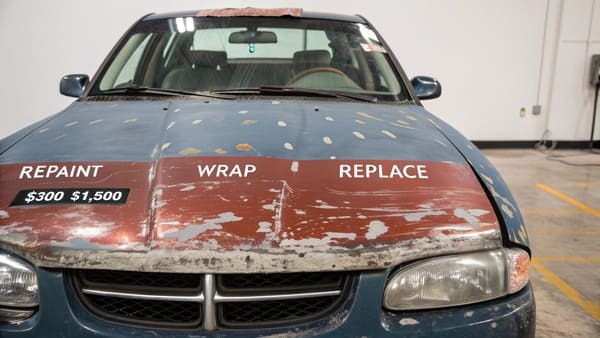
When I first started in this business, I thought painting a flat panel like a hood would be simple. I quickly learned that it's one of the most challenging parts to get right. The large, flat surface shows every single flaw, and the process requires incredible precision, especially during the curing stage. Getting it wrong means wasting time and money, so understanding the details is key before you make a decision. Let’s dive into what really goes into the cost and which choice is the smartest for you.
What Is the Average Cost to Paint a Car Hood in Different Service Levels?
You see a cheap ad for a paint job and think it's a great deal. But a low price often means cut corners that will cost you more later.
A basic paint job costs around $300-$5002. A standard, quality job is typically $500-$1,0003, offering better materials and prep work. A high-end or custom paint job can easily exceed $1,500, involving multi-stage paints4 and meticulous surface preparation for a flawless finish.
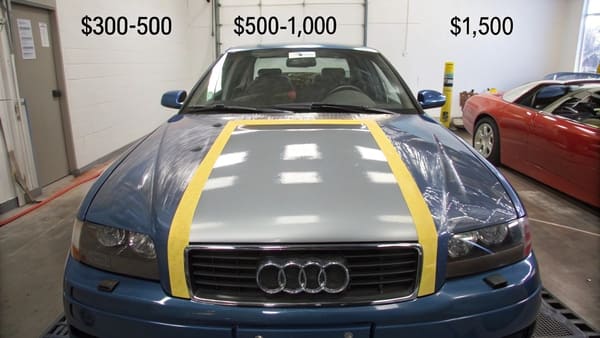
The price difference between service levels comes down to labor, materials, and the number of steps involved. A cheap job might just be a "scuff and shoot," where the old paint is lightly sanded and sprayed over. This is a temporary fix at best. A quality job involves a much more thorough process to ensure the paint bonds properly and lasts for years. When we manufacture parts, we know that skipping a single step in the process can ruin the entire batch. The same principle applies here.
Let's break down what you get at each price point.
Basic Paint Job ($300 - $500)
This is the budget option. The shop will likely use single-stage enamel paint5, which combines the color and clear coat. They will do minimal prep work6, probably just sanding the surface enough for the new paint to stick. This option won't fix any dents, dings, or rust. It’s a quick cosmetic fix, but don't expect it to last more than a couple of years before it starts to fade or peel, especially if your car is parked outside.
Standard Paint Job ($500 - $1,000)
This is the most common and recommended level for a daily driver. The process here is much more detailed.
| Step | Description |
|---|---|
| Preparation | The hood is removed, and the old paint is sanded down. Minor dents and scratches are repaired. |
| Priming | A high-quality primer7 is applied to ensure a smooth surface and proper paint adhesion. |
| Base Coat | Several layers of the color base coat are applied for even coverage. |
| Clear Coat | Multiple layers of a durable clear coat are sprayed on to protect the paint and give it a deep gloss. |
| Finishing | The surface is often wet-sanded and buffed8 to remove any imperfections and maximize shine. |
This level of service provides a durable, factory-like finish that will last.
Premium or Show-Quality Paint Job ($1,500+)
If you have a classic car, a show car, or simply want the best possible finish, this is the way to go. This process involves stripping the hood down to bare metal9, performing extensive bodywork to make it perfectly straight, and using the highest-quality paints available. This might include multi-stage pearl or metallic paints10 that require expert application. The final finish is flawless and has a depth and gloss that you won't find in lower-tier jobs.
What Factors Influence the Final Price of Painting a Car Hood?
You got two different quotes, and one is double the other. It’s confusing. The final price tag isn't random; it's based on very specific factors.
The final price is influenced by the hood's size and material, the paint type and color complexity11, the amount of prep work needed to fix damage like dents or rust, and the shop's labor rate, which reflects their skill and equipment.
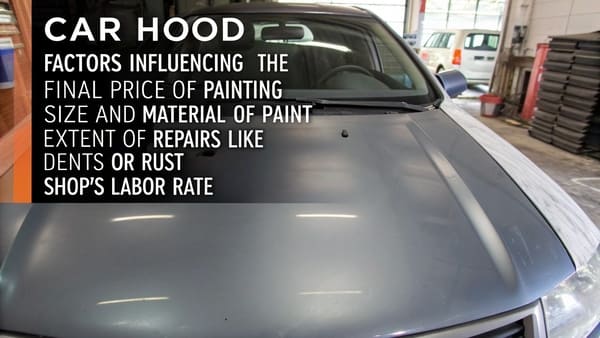
The biggest variable is almost always the amount of labor required before any paint is even mixed. A perfect surface is essential for a good paint job. In my own factory, we learned this the hard way. The process control for painting is incredibly difficult. It involves at least three major stages, and the hardest part is the cooling and curing process. One time, I was working with a new client from Pakistan. We were producing a batch of hoods, but our process control wasn't perfect yet. After the paint cured, we noticed a "shrinking" effect on the surface. It was a mistake, but luckily, the client loved the unique texture it created. We learned from that mistake and invested in better equipment to ensure perfect results every time. That experience taught me that precision machinery and skilled technicians are what you’re really paying for.
Paint Type and Color Complexity
A simple, solid color like white or black is the cheapest. Metallic paints, which have small metal flakes, cost more because they are harder to apply evenly. Three-stage paints, like pearl or candy apple red, are the most expensive. They require a base coat, a translucent mid-coat, and a clear coat, and applying them perfectly takes a lot of skill.
Level of Preparation
This is where costs can really add up.
- Minor Scratches: A simple sanding and priming job is quick and cheap.
- Dents and Dings: These need to be pulled out and filled with body filler12, then sanded perfectly smooth. This is time-consuming.
- Rust: Rust must be completely removed, either by sanding, media blasting13, or cutting out the affected metal. If it's not fully eliminated, it will just bubble up under the new paint.
- Previous Bad Paint Job: If the hood has a failed paint job on it already, all of that old paint may need to be chemically stripped off14, which is a lot of work.
Shop Labor and Reputation
A reputable shop with experienced technicians and modern equipment will charge more. They use better materials, have proper paint booths to keep dust out15, and have the skills to handle complex jobs. Their work is often guaranteed. A cheaper shop might be cutting corners on materials or prep work, which you won't see until the paint starts failing a year later. You're paying for their expertise and the peace of mind that the job will be done right.
Is It Cheaper to Repaint, Wrap, or Replace a Car Hood?
Your hood is an eyesore, but painting feels expensive. You have other choices, like wrapping or replacing it. Let’s figure out which option makes the most financial sense.
Repainting is best for cosmetic fixes. Wrapping offers temporary style and protection for around $300-$600. Replacing the hood is best for major damage, and a used, color-matched one from a junkyard16 can sometimes be the cheapest and fastest solution.
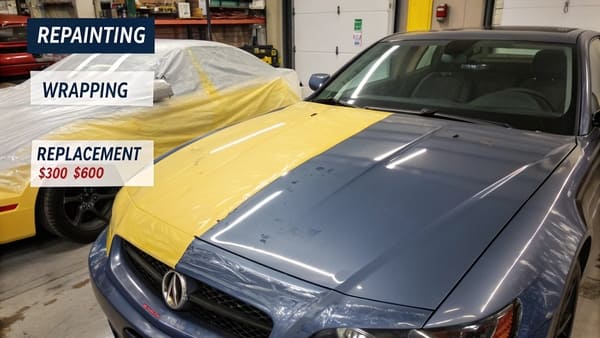
The "cheapest" option really depends on your goal. Are you fixing damage to sell the car? Are you looking for a custom look? Or do you just want to fix peeling paint and keep the car for another five years? Each solution has its pros and cons, and the best choice is not always the one with the lowest upfront cost. Let's compare them side-by-side to see what works for different situations.
| Feature | Repainting | Vinyl Wrapping | Replacing |
|---|---|---|---|
| Typical Cost | $300 - $1,500+ | $300 - $600 | $200 (Used) - $1,000+ (New + Paint) |
| Durability | 5-10+ years (quality job) | 3-7 years | Permanent (hood life) |
| Best For | Faded, chipped, or peeling paint. Permanent color matching. | Custom looks, paint protection, temporary changes. | Severe dents, rust, or structural damage. |
| Pros | Permanent solution, perfect color match, adds value. | Cheaper, reversible, protects original paint, endless designs. | Fast fix for major damage, can be cheaper if color-matched. |
| Cons | Can be expensive, permanent, requires professional skill. | Not permanent, can be damaged, won't fix deep scratches. | May need painting, finding a color match can be hard. |
When to Repaint
Choose repainting when your hood's paint is failing (peeling clear coat, fading) but the metal underneath is in good shape. A quality repaint is a long-term investment that restores the factory look of your car17 and can increase its resale value. It's the best option if you plan to keep the car for many years and want a durable, seamless finish.
When to Wrap
A vinyl wrap18 is an excellent choice if you want a new look without a permanent commitment. You can get colors and finishes, like matte or carbon fiber, that would be very expensive to paint. A wrap also protects your original paint from rock chips and sun damage. It’s a great option for leased cars or for anyone who likes to change their car's appearance frequently. However, it won't hide dents or deep scratches.
When to Replace
If your hood has major damage from an accident, severe hail, or extensive rust, replacing it is often more cost-effective than trying to repair it. The labor costs to fix a badly damaged hood can quickly exceed the price of a replacement. The cheapest route is finding a used hood in the same color from a salvage yard. If you can't find a color-matched one, you'll have to buy a new or used hood and then pay to have it painted, which combines the cost of the part and the paint job.
Conclusion
Choosing to repaint, wrap, or replace your hood depends on your budget, the damage, and your long-term goals. Understanding the costs and processes helps you make the best choice.
Learn how to restore your car's appearance and prevent further damage by addressing a chipped or faded hood effectively. ↩
Discover what you get for a budget paint job and whether it's worth the investment for your vehicle. ↩
Learn about the extra steps and materials that make a standard paint job more durable and visually appealing. ↩
Learn how multi-stage paints create depth and gloss, and why they're preferred for show-quality finishes. ↩
Understand the benefits and limitations of single-stage enamel paint before choosing it for your car hood. ↩
Find out why proper preparation is crucial for a lasting paint job and how shortcuts can lead to early failure. ↩
Explore how using a high-quality primer ensures better paint adhesion and a smoother, longer-lasting finish. ↩
Discover how wet-sanding and buffing can maximize shine and remove imperfections for a flawless finish. ↩
Understand the steps and reasons for stripping to bare metal, especially for high-end or restoration projects. ↩
Find out why metallic paints require skill and special techniques for an even, attractive finish. ↩
See why choosing certain paint types or colors can significantly impact your paint job's price and outcome. ↩
Discover how body filler restores smoothness and prepares the hood for a flawless paint finish. ↩
Explore how media blasting can effectively eliminate rust and prepare your hood for painting. ↩
Learn when chemical stripping is necessary and how it ensures a clean surface for a new paint job. ↩
Understand the importance of paint booths in achieving a flawless, dust-free finish on your car hood. ↩
Discover tips for sourcing a used, color-matched hood to save money and time on repairs. ↩
Learn how a quality repaint can bring back your car's original appearance and boost its resale value. ↩
Find out if vinyl wrapping is the right choice for your needs, including style, protection, and cost. ↩