
Struggling to keep up with new EV manufacturing? The industry is changing fast, and old methods will not work. The pressure is on to adapt or fall behind.
Elon Musk's Gigafactory in Germany1 acts as a catalyst. It forces local competitors to innovate faster, adopting advanced materials2 and high-precision manufacturing techniques3 just to keep pace with Tesla's production efficiency and design.
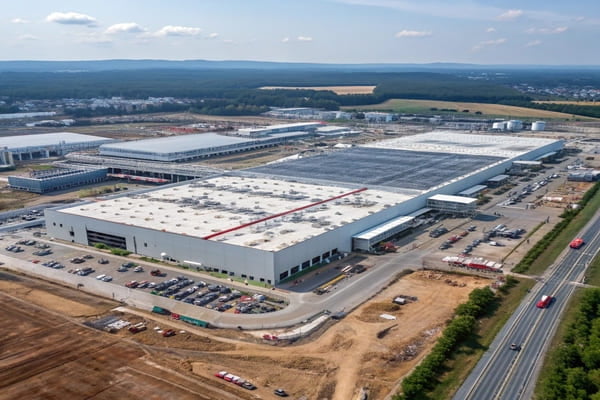
This change is not just about simple competition. It represents a deep shift in how cars are built. I've seen it firsthand in my work with suppliers and manufacturers. The entire ecosystem, from raw materials to the final assembly line, is being reshaped. This transformation started with a single strategic decision. Let's explore why Germany became the center of this change and what it means for everyone in the automotive supply chain4. The ripple effects are reaching us even here, in our manufacturing hub5 in the Yangtze River Delta6.
Why Did Elon Musk Choose Germany as a Strategic Manufacturing Hub?
Wondering why Tesla built a factory in the heart of its competition? It seems like a risky move. But there is a clear strategy behind this decision that many people overlook.
Elon Musk chose Germany for its world-class automotive engineering talent7, robust supply chain, and central location in Europe. This allows Tesla to tap into local expertise while directly challenging established giants like Volkswagen and BMW on their home turf.
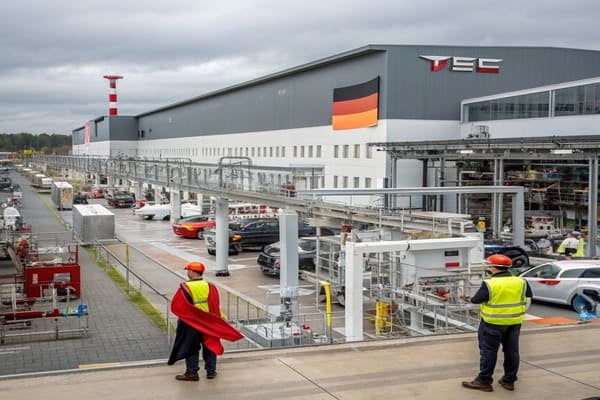
When I first heard the news, it made perfect sense to me from a manufacturing perspective. Building a factory is more than just putting up four walls; it's about plugging into an existing ecosystem. Germany offers three key advantages that are almost impossible to find anywhere else.
1. Access to a World-Class Talent Pool
Germany is famous for its engineering prowess. The "Made in Germany" label means something because of the people behind it. Tesla's new manufacturing methods, like large-scale die-casting8, require extreme precision. You need engineers and technicians who understand tight tolerances and complex machinery. Germany has generations of them. This deep pool of talent is essential for running and optimizing the advanced equipment needed for modern EV production.
2. A Dense and High-Quality Supply Chain
No car company, not even Tesla, builds everything in-house. They need partners. Germany has one of the most sophisticated and dense automotive supply chain4s in the world. For a company like mine, which provides OEM/ODM services9, this is a huge factor. It creates opportunities for collaboration. A factory in Germany can source high-quality components locally, from electronics to interior parts, reducing logistics costs10 and improving reliability.
3. Strategic Market Position
Placing a factory in Germany gives Tesla direct, tariff-free access to the entire European Union. The EU is a massive and competitive market for electric vehicles11. By manufacturing locally, Tesla can respond faster to market demands, shorten delivery times, and compete more effectively on price. It's a move to win the market from the inside out.
How Has Gigafactory Berlin Changed Germany’s Automotive Manufacturing Landscape?
German automakers were comfortable in their leadership position for a long time. Then Gigafactory Berlin arrived, bringing new methods and intense pressure. Now, the old ways of manufacturing are being seriously questioned.
Gigafactory Berlin introduced large-scale die-casting8 (Giga Press12) and a highly integrated production model. This forced German manufacturers to accelerate their own investments in similar technologies to reduce complexity, lower costs, and speed up production times.
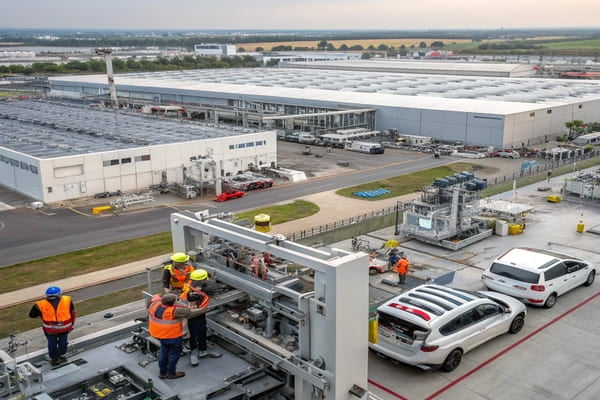
The biggest change is the shift away from traditional body-in-white assembly. For decades, a car's frame was made by stamping hundreds of small sheet metal parts and then welding them all together with robots. It’s a complex and slow process. Tesla's Giga Press12 changes that completely. It casts the entire front or rear underbody of the car as a single, massive piece.
However, this technology is incredibly hard to implement correctly. I know this from my own experience. Standard production line equipment simply does not have the precision required for such large castings. The real challenge, the part that keeps engineers up at night, is getting the material formula of the aluminum alloy to work perfectly with the die-casting process. It’s a delicate dance between temperature, pressure, and chemistry.
The kind of high-precision machinery needed for this is not common. You can find it in specialized factories in the Berlin area, but also in advanced manufacturing regions like the Yangtze River Delta6, where my own facilities are. Traditional auto parts production lines just can't meet the standards. This technological gap is what Gigafactory Berlin exposed, and now everyone is racing to catch up.
What Advanced Materials Are Being Adopted by Tesla and German Automakers?
You hear the term "advanced materials2" all the time in our industry. But it can feel like a vague marketing buzzword. What are these materials, and why do they actually matter for the cars we will be building?
Automakers are adopting new aluminum alloys13 for large-scale casting, high-strength steels14 for safety cages15, and composites for battery enclosures16. These materials make vehicles lighter, stronger, and more efficient, which is critical for extending EV range and performance.
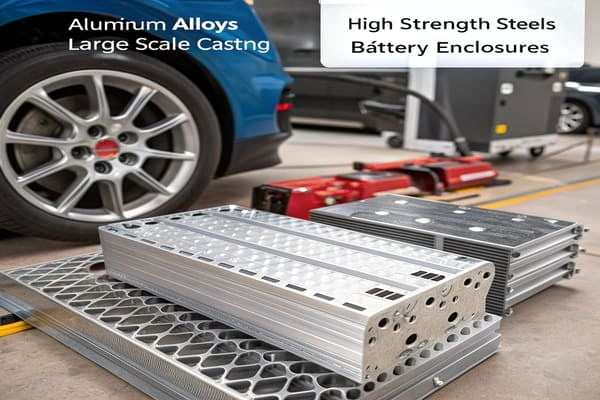
The push for advanced materials2 is driven by the unique needs of electric vehicles11. Weight is the number one enemy of EV range. Every kilogram you can save means the car can go farther on a single charge. This has led to a complete re-evaluation of what a car should be made of.
Another major difficulty that I’ve encountered is the collaborative debugging between the battery and the car's body materials. In modern EVs, the battery pack is not just a power source; it is a structural component of the chassis. This means the material of the battery casing must work in harmony with the car's frame. Getting them to function together for safety and performance requires intense coordination. This process often involves stopping the production line to access and adjust the process parameter library, which can create instability in manufacturing. It’s a complex task that requires deep expertise in both materials science and production engineering17.
Here’s a breakdown of the key materials being used:
| Material | Primary Application | Key Benefit |
|---|---|---|
| New Aluminum Alloys | Underbody castings, battery trays | Lightweight, perfect for complex single-piece castings. |
| High-Strength Steel | Safety cage (pillars, roof frame) | Provides maximum occupant protection in a crash. |
| Composites | Battery enclosures, non-structural panels | Extremely strong and light, offers excellent insulation. |
| Plastics & Polymers | Bumpers, interior trim, dashboards | Design flexibility, weight reduction, and cost-effectiveness. |
Why Are Lightweight Materials Like Carbon Fiber Gaining Attention in Germany?
Carbon fiber has always felt like a material for million-dollar supercars, not everyday family EVs. It is very expensive and notoriously difficult to work with. So why is it suddenly a serious topic in mainstream auto manufacturing?
Carbon fiber is gaining attention because every kilogram saved on an EV's weight directly translates to a longer range or a smaller, cheaper battery. As battery costs remain high, using lightweight materials like carbon fiber18 in key areas becomes economically viable.
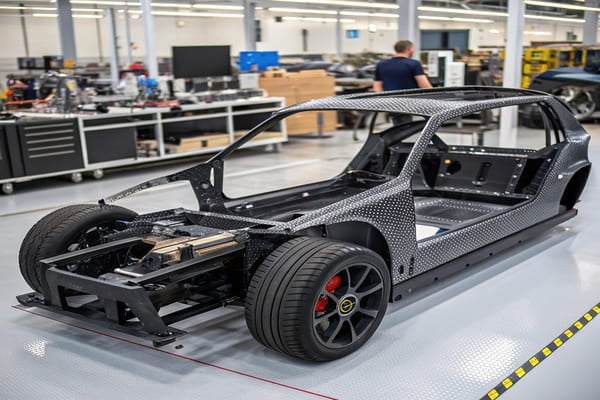
The math is simple: a lighter car needs less energy to move. This creates a powerful incentive to use the lightest materials possible, even if they are expensive. If using a few kilograms of carbon fiber18 allows you to use a slightly smaller and cheaper battery pack while keeping the same range, the cost can balance out. This is the calculation that engineers in Germany and around the world are now making.
I remember my first project with a German client that involved advanced composite materials. To be honest, we were inexperienced with the specific process they wanted. After we got the production line running, we discovered that the "mass production yield was low." Too many parts were failing quality control. It was a stressful time.
But the client was developing a very high-end electric vehicle and needed to iterate quickly. They were actually pleased with how fast we could identify the problem, adjust the process, and try again. They valued the rapid learning more than a perfect result on the first try. We worked closely with them, refined the tooling and process, and fixed the yield issue. That experience was incredibly valuable. We learned a lesson about matching new materials to production processes that we have applied to every project since. We haven't made that mistake again.
Conclusion
Elon Musk's presence in Germany is more than just a new factory. It's a powerful catalyst forcing the entire industry to adopt advanced materials2 and manufacturing, pushing us all toward a more efficient future.
Explore how this factory is reshaping automotive manufacturing and pushing innovation. ↩
Discover the cutting-edge materials that are revolutionizing EV production and performance. ↩
Learn about the techniques that ensure quality and efficiency in modern car production. ↩
Gain insights into the complexities and innovations within Germany's automotive supply chain. ↩
Understand the factors that position Germany as a key player in automotive manufacturing. ↩
Discover how this region is becoming a hub for advanced manufacturing technologies. ↩
Explore the factors that contribute to Germany's reputation for engineering excellence. ↩
Find out how this technology enhances production efficiency and reduces costs. ↩
Explore the significance of these services in the production of automotive components. ↩
Explore strategies for minimizing logistics expenses in the automotive supply chain. ↩
Stay updated on the innovations shaping the future of electric vehicles. ↩
Learn about this revolutionary technology that changes how car bodies are produced. ↩
Discover why aluminum alloys are preferred for lightweight and efficient vehicle design. ↩
Discover how these materials enhance safety features in modern vehicles. ↩
Understand the engineering behind safety cages and their importance in crash safety. ↩
Learn about the materials that protect and enhance the performance of EV batteries. ↩
Learn about the role of production engineering in optimizing manufacturing processes. ↩
Find out how carbon fiber contributes to lighter, more efficient electric vehicles. ↩