
Choosing a brake pad supplier feels overwhelming. Make the wrong choice, and you risk quality issues and lost sales. This guide simplifies the process, helping you find your ideal partner.
The "best" brake pad manufacturer for your business depends on your specific needs. Global leaders like Brembo, Bosch, and TRW dominate the aftermarket, while OEM giants like Akebono supply car makers directly. The right partner for you is one who matches your business model, whether it's wholesale, private label, or custom development.
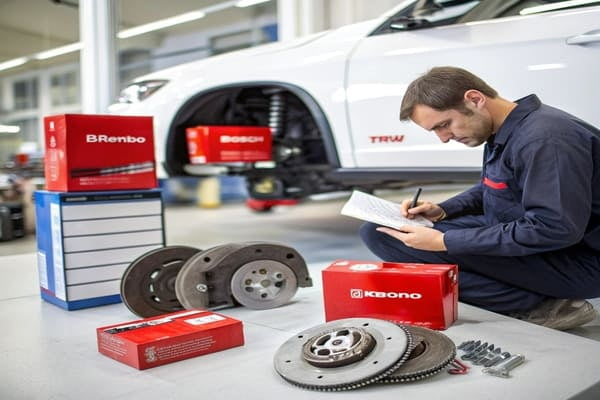
Finding the right supplier is more than just picking a big name from a list. You need a partner who understands your market, your customers, and your goals. It’s about building a supply chain you can trust, one that delivers consistent quality for every order. We're going to break down what you should look for, so you can make a choice that powers your business growth for years to come.
What Defines a High-Quality Brake Pad Manufacturer in Today’s Market?
Every supplier claims they produce "high-quality" parts. But how can you really tell the difference between a top-tier factory and one that just talks a good game?
A high-quality brake pad manufacturer is defined by their precision engineering, consistent material sourcing, R&D investment, and key certifications like IATF 16949. Their expertise is proven by their ability to master difficult processes like friction material bonding and steel backplate preparation.
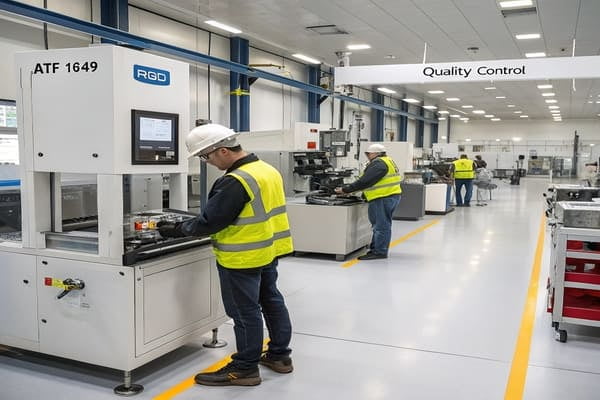
The truth is, making a great brake pad is incredibly difficult. It’s not something you can do with basic equipment. For example, the hot press machines needed to form the pads must have extremely high precision, something you typically only find in established manufacturing hubs like the Yangtze River Delta or the Shandong region. Small workshops in other areas just don't have the right machinery. The two hardest steps in the entire process are bonding the friction lining and preparing the steel backplate. The bonding and curing phase is where the pad gets its strength. If it's not done perfectly, the layers can separate. Equally important is sandblasting and degreasing the steel back. This process requires stopping the line and opening the jig, which makes it a huge challenge to maintain the necessary clean-room environment. A truly professional manufacturer has solved these complex problems through years of experience.
How Is the Global Brake Pad Industry Evolving in Materials, Performance, and EV Compatibility?
The automotive world is changing faster than ever. If your products rely on old technology, you risk being left behind. You need to know what's next to stay competitive.
The brake pad industry is shifting to copper-free ceramic and organic materials to meet environmental standards. For electric vehicles (EVs), the focus is on low-dust, quiet pads that are resistant to corrosion and work perfectly with regenerative braking systems.
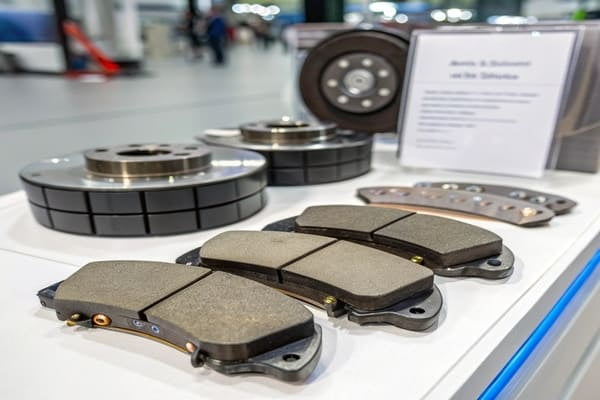
The move away from traditional materials is a major trend. Copper, once a key ingredient for heat dissipation, is being phased out due to environmental regulations. This has pushed manufacturers like us to innovate with advanced ceramic and NAO (Non-Asbestos Organic) formulas that perform just as well without the harmful environmental impact. The rise of EVs has created a whole new set of challenges. EV drivers value a quiet, smooth ride, so brake noise and dust are bigger issues than ever. More importantly, EVs use regenerative braking most of the time, meaning the physical brake pads are used less often. This sounds easy, but it creates a problem: corrosion. The pads can rust from lack of use, but they still need to provide 100% stopping power instantly in an emergency. This requires new formulations focused on corrosion resistance and immediate bite, even when cold.
Which Brake Pad Manufacturers Lead the OEM Segment in 2025?
You want to source parts from a supplier trusted by major car brands. Working with an unproven OEM partner is a gamble you can't afford to take on your business's reputation.
The OEM brake pad market is led by specialized manufacturers like Akebono, TRW (part of ZF), and Continental (ATE). These companies secure long-term contracts with automakers by investing heavily in R&D, vehicle-specific tuning, and rigorous validation processes.
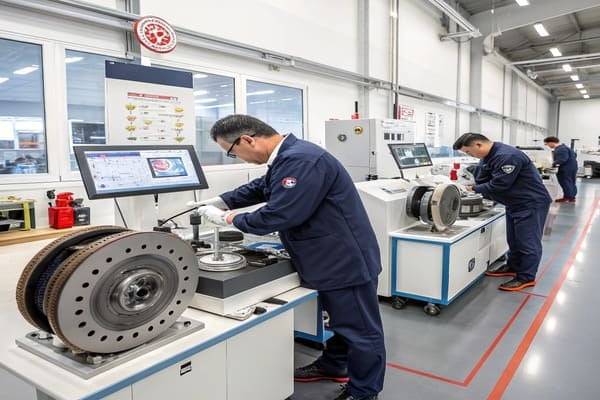
Breaking into the OEM supply chain is extremely tough. It requires more than just making a good product. You need to achieve certifications like IATF 16949, which governs quality management for the entire automotive industry. The validation process can take years, as the pads have to be tested perfectly for a specific vehicle model. I learned this the hard way early in my career. I was working on my first big project for a German client, developing a new brake pad. I was still inexperienced, and we had a serious problem with "interlayer debonding" after the curing process—the friction material was separating from the steel backplate. I was sure the project was a failure. But luckily, the client tested the pads on their commercial vehicles and found the characteristics were actually perfect for their heavy-duty needs. We got lucky, but it was a powerful lesson. Since then, we have perfected our processes and never made that mistake again. It showed me why experience and learning from failure are so critical in the OEM/ODM world.
Why Do Brands Like Brembo, Bosch, Akebono, and TRW Dominate the Global Market?
You see the same big brand names everywhere. Is their success just clever marketing, or is there something more to it? The answer lies in their strategy and history.
These brands dominate because they operate in both the OEM and aftermarket sectors, have massive global distribution networks, and have built decades of brand trust. They continuously invest in R&D, setting the quality and performance standards for the entire industry.
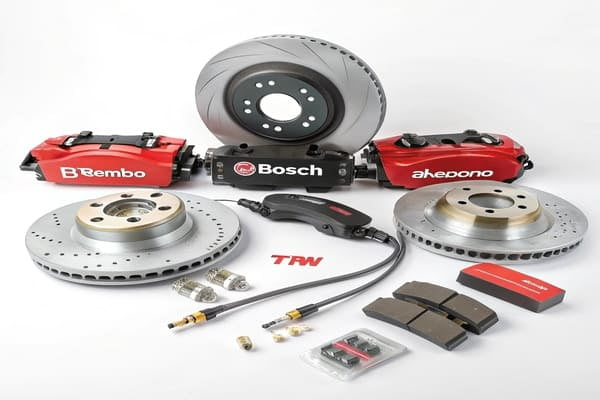
The success of these market leaders isn't an accident. They have built their empires on several key pillars, and understanding them can help you build your own brand.
| Brand | Key Strength | How It Shapes the Market |
|---|---|---|
| Brembo | High-Performance & Racing Heritage | Their name is linked with speed and power. This creates a powerful brand image that makes their standard parts feel premium. |
| Bosch | Engineering & Distribution Scale | As a huge parts conglomerate, their strength is in their vast supply chain and a reputation for solid German engineering. |
| Akebono | OEM Focus & Ceramic Technology | As a top supplier to Japanese automakers, they are masters of quiet, low-dust ceramic pads that consumers love. |
| TRW (ZF) | Integrated Safety Systems | They don't just sell brake parts; they sell complete "corner module" systems, giving them a deep engineering advantage. |
These companies set the bar. But their dominance also creates opportunities. As an OEM/ODM manufacturer, we help businesses create their own private-label brands that can compete on quality and specialization. By focusing on a specific niche—like EV performance or heavy-duty applications—you can build a loyal customer base with a product you can trust, backed by our manufacturing expertise.
Conclusion
Choosing the right brake pad manufacturer comes down to matching their capabilities with your business goals. The key is to find a true partner with proven, hands-on manufacturing expertise.