
Struggling to find trustworthy brake pad suppliers? You risk poor quality and lost profits. This guide helps you identify truly reliable B2B manufacturers for your business.
The most reliable brake pad manufacturers for 2026 are those with verified IATF 169491 quality systems, product-specific certifications like E-Mark (ECE R90)2, and proven global supply capabilities3. You can find them in established automotive hubs4 like Germany, the UK, and China’s Yangtze River Delta.
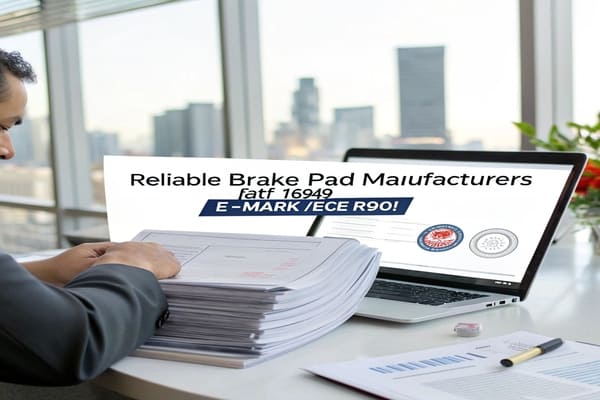
Finding the right partner for a B2B business is not like buying a product off the shelf. The stakes are much higher. You need a supplier who can deliver consistent quality across thousands of units, navigate complex international regulations, and support your business long-term. It's a challenging process, but screening manufacturers becomes much easier once you know exactly what to look for. Let's break down the key questions you need to ask to secure a dependable manufacturing partner for your brake pad business.
What Does a Professional Brake Pad Manufacturer Actually Mean in B2B Sourcing?
The term "manufacturer" is used loosely online. You could be dealing with a middleman, which adds cost and risk. Understanding the difference is key to protecting your investment.
A professional brake pad manufacturer controls the entire production process in-house, from raw material formulation5 to final quality inspection6. They possess engineering teams7, operate under strict quality systems like IATF 169491, and can guarantee product consistency and compliance for large B2B orders.
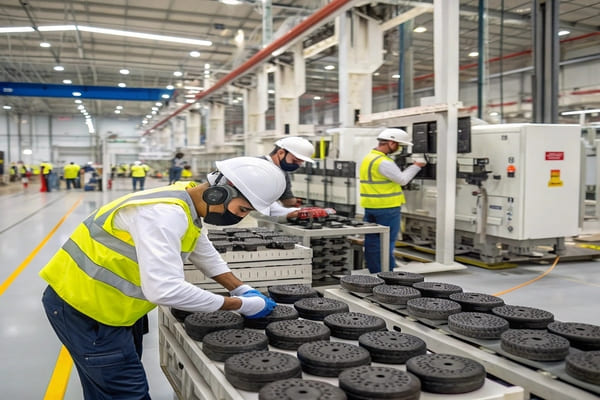
When I talk about a "professional manufacturer," I'm not just talking about a company that owns a factory. I'm talking about an integrated operation that has complete control over its product. For B2B buyers, this distinction is everything. A true manufacturer doesn’t just assemble parts; they create them from the ground up.
Core Production Capabilities
A real manufacturer handles the critical steps themselves. This includes mixing the friction material compounds8, pressure-molding the pads, curing them in ovens, and precision-grinding them to exact specifications. This level of control is the only way to ensure that the ten-thousandth brake pad is identical in quality to the first. A trading company9, on the other hand, has no control over this. They simply buy from a factory (or sometimes, multiple factories) and resell to you, which can lead to inconsistent quality between batches.
Engineering and R&D
Professional manufacturers have dedicated engineering departments. These teams are responsible for developing new friction formulas, designing backplates and shims, and running performance tests10. When you have a technical question about material composition or performance characteristics, you can speak directly with an engineer who knows the product inside and out. A trader can only pass your questions along and relay an answer, often without a deep understanding of the technical details.
Comparing a Manufacturer and a Trader
The difference becomes very clear when you look at their capabilities side-by-side.
| Feature | Professional Manufacturer | Trading Company |
|---|---|---|
| Production Control | Direct, in-house control over all processes | None; outsources all production |
| Quality Assurance | Integrated QA team, IATF 169491 certified | Relies on the factory's QA, no direct oversight |
| Technical Support | In-house engineers provide expert advice | Basic sales support, limited technical knowledge |
| Pricing | Factory-direct pricing | Includes a middleman markup |
| Customization (ODM11) | Full capability from design to production | Limited or none; can only source existing products |
For any serious B2B buyer, working directly with a professional manufacturer is the only way to guarantee the quality, consistency, and reliability your market demands.
Which Countries Produce the Most Trusted Brake Pad Manufacturers Today?
You need to know where to find the best suppliers. Searching in the wrong regions wastes valuable time and can lead you to partners who can't meet your quality standards.
The most trusted brake pad manufacturers are in countries with strong automotive industrial bases. Germany and the UK lead in high-end technology, while China, especially the Yangtze River Delta, provides an unmatched combination of advanced manufacturing, scale, and value for global B2B buyers.
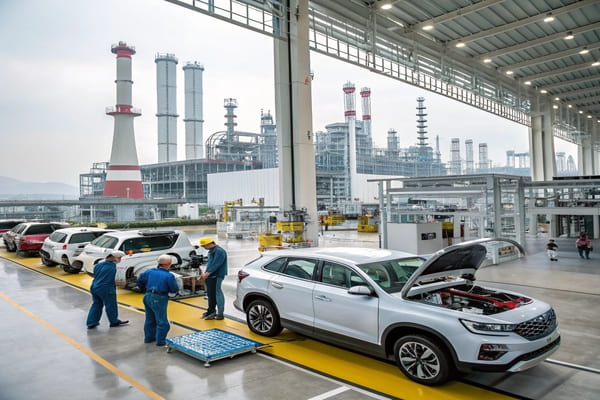
Where you source from matters. Different regions have developed unique strengths based on their industrial history and economic focus. As a global supplier, we see firsthand how these regional specializations benefit different types of buyers. Understanding these strengths helps you focus your search on the right area for your specific needs.
Germany: The Engineering Powerhouse
German manufacturing is world-renowned for its precision engineering, rigorous testing, and focus on high-performance materials. Manufacturers here often lead in R&D and produce premium brake pads for major European car brands. While their quality is exceptional, it comes at a premium price. This makes them a great choice for buyers targeting the high-end aftermarket, but potentially too costly for more volume-focused product lines.
The UK: A Legacy of Performance
The UK has a rich history in motorsport, and this has heavily influenced its automotive parts industry. British brake pad manufacturers are often specialists in performance and racing applications. They excel in creating products that can withstand extreme conditions. If your business serves the performance tuning or racing markets, looking for a supplier in the UK can give you access to highly specialized and respected products.
China (Yangtze River Delta): The Manufacturing Hub
For the majority of B2B buyers, China's Yangtze River Delta is the most strategic sourcing location. This region is not just about low-cost production anymore. It has become a global hub for advanced manufacturing, with a complete and highly efficient supply chain for the automotive industry. Here, you'll find manufacturers like us who have invested heavily in automated production lines, robust R&D centers, and international quality certifications12. We can offer the scale, customization, and cost-effectiveness that most global distributors, importers, and brands need to be competitive. The infrastructure for global logistics is also mature, ensuring reliable delivery worldwide.
How Do You Verify a Brake Pad Manufacturer Is a Real Factory, Not a Trader?
Online, every supplier claims to be a factory. Being tricked by a slick website run by a middleman can lead to higher costs, poor quality, and zero accountability.
To verify a real factory, demand to see their business license13 and quality certifications12 like IATF 169491. Most importantly, request a live video tour14 of their facility. A genuine manufacturer will be proud to show you their production lines; a trader will make excuses.
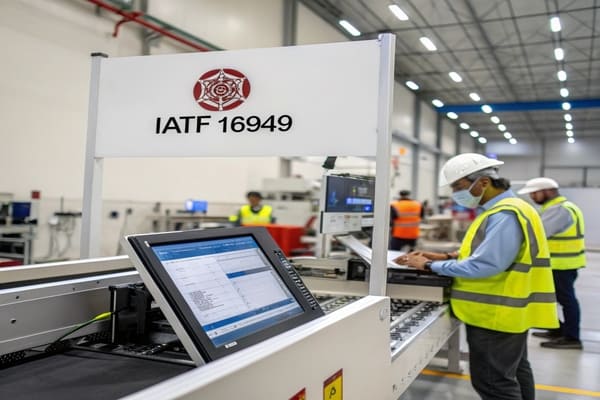
I've seen many buyers get confused by this. A trading company9 can have a very professional website and a sales team that sounds knowledgeable. But at the end of the day, they don't make anything. Verifying that you are speaking directly with the factory is the most critical step in your sourcing process. Here are the practical steps I recommend to all my potential partners.
Scrutinize Documentation
Don't just ask if they have certificates; ask to see them.
- Business License: Check the "business scope" section. It should explicitly state "manufacturing" or "production." A trader's license will typically only list "trading," "wholesale," or "exporting."
- Quality System Certificates (ISO 9001/IATF 169491): The company name and address on the certificate must exactly match the company you are talking to. Sometimes, a trader will show you the certificate of the factory they use, which is a major red flag.
Ask for a Factory Tour
This is the easiest and most definitive test. In today's world, a live video call is simple and costs nothing.
- Request a Live Video Tour: Ask the salesperson to walk you through their factory on a video call. You want to see the actual machinery, raw materials, workers on the line, and finished products being packaged.
- What to Look For: Do you see large presses for molding, curing ovens, and grinding machines? Is the facility organized? A real factory is a place of activity. A trader might show you a small office or a showroom, but they can't show you the production floor.
Evaluate Their Technical Knowledge
Engage them in a deep technical conversation.
- Ask Specific Questions: Inquire about their friction material formulas, the type of steel used for their backplates, or their process for testing according to ECE R90 standards.
- Listen to the Answers: A representative from a real factory will either know the answer or can quickly bring in an engineer to talk to you. A trader's answers will be vague and they will likely have to "get back to you" on every technical point after they ask the factory themselves.
This simple, three-step verification process will quickly separate the real manufacturers from the traders.
Which Brake Pad Manufacturers Meet FMVSS15, AMECA16, E-Mark, and IATF 169491 Standards?
You need parts that are legal to sell and safe to use. Using non-compliant parts can result in shipments being seized, costly recalls, or even dangerous accidents for end-users.
Manufacturers who meet these top-tier standards are almost always experienced exporters. You should seek suppliers who have IATF 169491 for their quality system, plus the specific product certifications required for your market, such as E-Mark (ECE R90)2 for Europe or AMECA16 for North America.
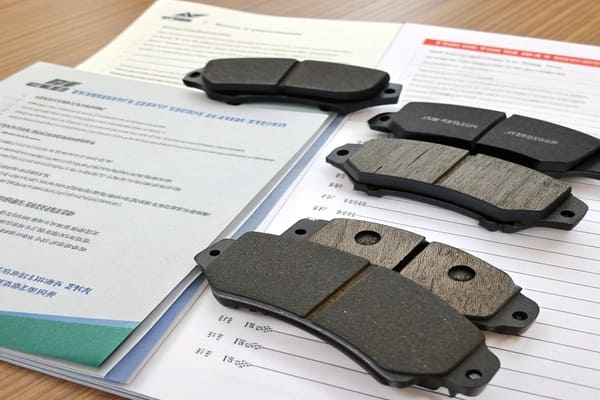
Navigating the world of international certifications can be daunting, but it's non-negotiable for a successful global business. These standards aren't just bureaucratic hurdles; they are your assurance of quality, safety, and market access. A professional manufacturer doesn't just see them as a box to tick; we see them as a core part of our commitment to our B2B partners.
Understanding the Core Certifications
Each standard serves a critical purpose in guaranteeing the quality and safety of brake pads.
| Standard | Region / Purpose | What It Guarantees for B2B Buyers |
|---|---|---|
| IATF 169491 | Global (Quality Management) | The factory has a robust, consistent, and automotive-grade production and quality control system. |
| E-Mark (ECE R90)2 | Europe & many other countries | The brake pad performs safely and is equivalent (within 15%) to the original equipment part. |
| AMECA16 | North America (Aftermarket) | The friction material has been tested and registered for performance and safety characteristics. |
| FMVSS15 | USA (Federal Mandate) | The part complies with mandatory U.S. Federal Motor Vehicle Safety Standards. |
The Challenge of Multi-Market Compliance
A top-tier manufacturer must be able to adapt and provide the correct documentation for different markets. This is where experience really counts. The challenge of multi-market compliance17 is real. I remember one of my first big projects was with a client from Pakistan. After we started, we realized several local certification documents were missing. I was worried, but it turned out to be a good lesson. The client actually found it useful, as they needed to adapt the product for their local distribution channels anyway. It taught me to have a detailed compliance discussion upfront for every single market. A good manufacturing partner should be proactive in helping you navigate these requirements, not reactive after a problem arises.
Conclusion
Finding a reliable brake pad manufacturer means verifying their factory status, sourcing from key industrial hubs, and confirming they hold essential global certifications for quality and safety.
Understanding IATF 16949 can help you ensure your supplier meets high-quality standards. ↩
Explore the significance of E-Mark certification to ensure safety and compliance in your products. ↩
Learn how global supply capabilities can enhance your sourcing strategy and reliability. ↩
Discover the best regions for sourcing high-quality brake pads and their unique advantages. ↩
Understanding raw material formulation can help you assess the quality of brake pads. ↩
Learn about quality inspection methods to ensure the reliability of your brake pad suppliers. ↩
Explore how engineering teams contribute to product development and quality assurance. ↩
Understanding friction materials can help you choose the right brake pads for your needs. ↩
Learn about the potential pitfalls of trading companies to protect your investment. ↩
Learn about performance testing to ensure the brake pads meet safety and quality standards. ↩
Discover how ODM can provide customization options for your brake pad sourcing. ↩
Explore essential quality certifications to ensure your suppliers meet industry standards. ↩
Understanding the importance of a business license can protect you from unreliable suppliers. ↩
Learn how a live video tour can provide transparency and confidence in your supplier. ↩
Learn about FMVSS to ensure your brake pads comply with U.S. safety standards. ↩
Understanding AMECA certification can help you ensure the performance and safety of your products. ↩
Explore the complexities of multi-market compliance to ensure your products are legal and safe. ↩