
Struggling to find reliable auto parts? You worry that the nearest shop might sell you a low-quality part, wasting your time and money. The real solution isn't just finding a store, but a partner.
The best auto parts store1 is the one that matches your specific need, whether it's a major chain like NAPA for quality or a specialized dealer for unique parts. The most important factor is a verifiable source for authentic components and a solid warranty2, which chain stores often provide over smaller shops.
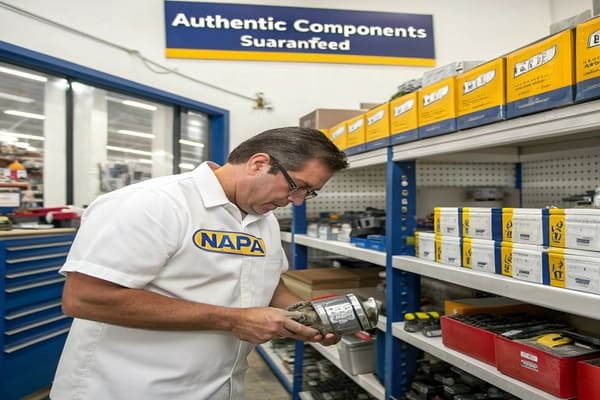
Finding a truly reliable parts supplier3 is harder than it looks. Many people just go to the closest store, but this is often a mistake. The quality and fit of parts from a random street-side shop might not meet the standards your vehicle needs. To find the right partner for your car, you need to dig a little deeper than a simple map search. This process helps you avoid problems down the road and ensures your car runs safely and smoothly. Let's break down how to choose the right place.
What Do People Really Mean When They Search “Auto Parts Store Near Me”?
You typed "auto parts store1 near me" into your phone. But the results feel generic and unhelpful. The search is not just about location; it's a search for a quick, trustworthy fix for your car.
When people search for a local auto parts store1, they are really looking for reliability, convenience, and the correct part for their car. It's not about finding a dot on a map; it's about finding a dependable solution to their immediate car problem.
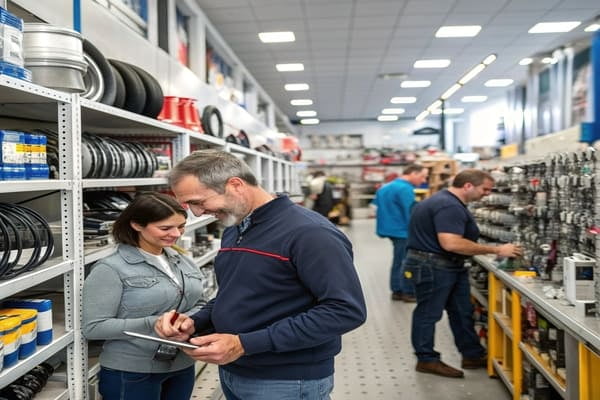
When that search bar is open, the user's intent goes far beyond simple geography. They have a problem that needs solving, and that problem has layers of urgency, trust, and specificity. As a manufacturer, I see this from the supply side. We create parts for different needs, and understanding the end-user's true goal is key. For example, someone with a broken-down daily driver has a different need than a hobbyist building a project car on the weekend. The first person values speed and availability above all else. The second person might value unique parts and expert advice more. Both are searching for "auto parts," but their definitions of a "good" store are completely different. Acknowledging this is the first step toward making a smarter choice.
Deeper User Intentions
| Search Intent | What It Really Means | Best Store Type |
|---|---|---|
| Convenience | "I need a common part right now to get my car back on the road." | Large chain stores (AutoZone, O'Reilly) |
| Trust & Quality | "I need a critical part that I know won't fail. I need a warranty2." | Professional-focused stores (NAPA), Dealers |
| Specificity | "I need a specific performance part or a piece for a classic car." | Specialized suppliers, online forums, dealers |
Which Auto Parts Chains Are Most Commonly Available Near You?
You see the same big-name stores in every town. You wonder if they are all just the same. Knowing their key differences is the first step to choosing the right one for your specific project.
The most common auto parts chains4 you will likely find are AutoZone, NAPA Auto Parts5, O'Reilly Auto Parts6, and Advance Auto Parts7. While they seem similar, each chain has a distinct focus, serving DIY mechanics8, professional shops, or a general mix of both customer types.
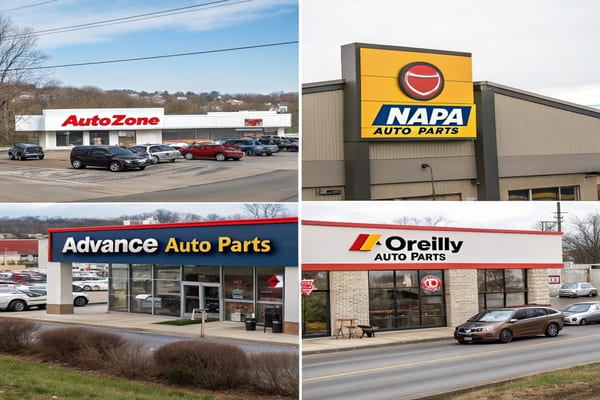
These large chains dominate the market for a reason: they have massive distribution networks and standardized inventory. From my perspective as a supplier, these companies are giants. We work with global distributors who supply these very stores. This scale ensures that if you need a common part like an alternator for a Honda Civic, they will likely have it in stock or can get it the same day. However, their business models do differ. Some prioritize the walk-in customer who needs help changing their own oil. Others build their entire business around supplying local repair garages with a steady stream of parts. This fundamental difference in their target audience affects everything, from the knowledge level of their staff to the quality tiers of the parts on their shelves. Understanding this helps you walk into the right store from the start.
Comparing the Big Four
| Chain | Primary Customer | Strengths | Weaknesses |
|---|---|---|---|
| AutoZone | DIY Customers | Tool loaner program, user-friendly, many locations. | Staff knowledge can vary, pro-grade parts may be limited. |
| NAPA Auto Parts5 | Professional Mechanics | High-quality house brands, knowledgeable staff. | Can be more expensive, fewer DIY-focused services. |
| O'Reilly Auto Parts6 | Hybrid (DIY & Pro) | Good balance of parts, strong regional presence. | Can feel less specialized than AutoZone or NAPA. |
| Advance Auto Parts7 | Hybrid (DIY & Pro) | Strong online presence, often runs promotions. | In-store experience can be inconsistent. |
Is AutoZone or NAPA Better for Everyday Replacement Parts?
Your car needs new windshield wipers or an air filter. You stand between AutoZone and NAPA, unsure which way to go. The decision is easier when you understand the simple trade-off between price and professional standards.
For most everyday replacement parts, AutoZone is often better for its convenience and competitive pricing, which is ideal for the DIY community. NAPA generally provides higher-quality parts intended for professional use, which may come at a slightly higher cost but offers greater peace of mind.
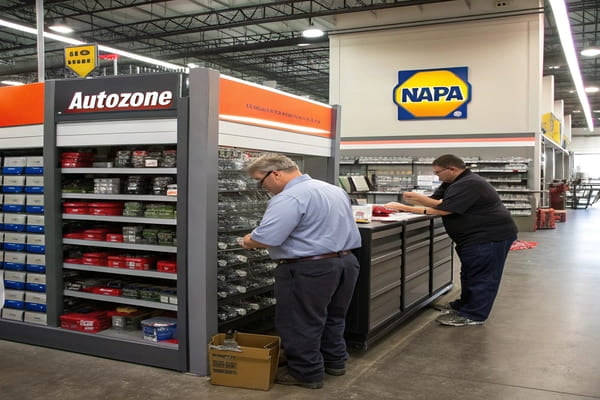
Let's break this down for a common job, like replacing spark plugs. If you go to AutoZone, you will find several options at different price points. Their staff can help you find the right one and might even have a tool you can borrow to do the job. It's a great setup for someone new to car repair. Now, if you go to NAPA, the person behind the counter is more likely to ask what a professional mechanic would: "What engine is in the car? Do you want the OEM equivalent or better?" They are thinking about long-term performance because their reputation with local garages depends on it. Their NAPA-branded parts are often made to meet or exceed original manufacturer specifications. As a manufacturer, we understand this difference well. We produce parts to different specs for different brands. One brand might prioritize cost, while another demands durability. Neither is "wrong," but they serve different purposes.
Making the Choice
- Go to AutoZone if: You are on a budget, need a common part quickly, and appreciate services like free battery testing or the tool loaner program. It's perfect for non-critical items like filters, fluids, and light bulbs.
- Go to NAPA if: You prioritize quality and longevity over the lowest price. This is the better choice for more important components like ignition coils, sensors, or water pumps, where failure is not an option.
Which Store Near Me Offers Better Quality for Critical Auto Parts?
You need to replace a wheel bearing or a brake caliper. A cheap, poor-quality part isn't just an inconvenience; it's a major safety risk. This is the moment where verifying your source becomes absolutely essential.
For critical auto parts9, you must look for a supplier that guarantees authenticity and provides a strong warranty2, such as NAPA or an authorized vehicle dealer. Quality in this context is about ensuring safety and perfect fitment, making it more important than convenience or price.
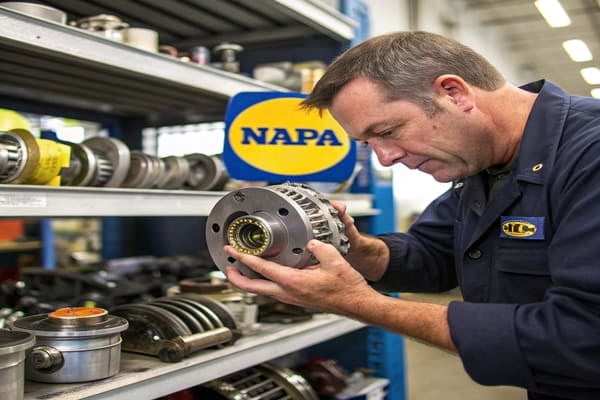
Finding a reliable store for critical parts requires a careful screening process. I recommend three steps. First, identify your true need. Is this for a daily driver where safety is paramount? Second, you must verify the source. This is the hardest part. Chain stores like NAPA have a reputation to protect and offer more reliable sourcing than a small, independent shop. Third, check the warranty2 and after-sales support. What happens if the part fails?
I learned this lesson the hard way early in my career. I was sourcing parts for a client in Pakistan who was building a custom car. I was inexperienced and focused only on finding parts that seemed to match. After they were shipped and installed, we discovered serious fitment problems10. Luckily, the client was an expert modifier working on an old car and actually enjoyed the challenge of making them fit. But it was a huge wake-up call for me. For critical components on a family car, "close enough" is never an option. You need a guaranteed fit from a verified, trustworthy source.
The Source Verification Checklist
- Brand Reputation: Does the store stand behind its parts? (e.g., NAPA's own lines)
- Warranty Policy: Is the warranty2 clearly stated and easy to claim?
- Staff Expertise: Can they answer technical questions about the part's origin and specifications?
- OEM Availability: Can they provide Original Equipment Manufacturer parts or equivalents from reputable suppliers?
Conclusion
The best auto parts store1 depends on your need. For simple jobs, convenience may win. For critical parts, always choose a supplier that guarantees quality, authenticity, and a solid warranty2.
Explore this link to find the most reliable auto parts stores in your area, ensuring quality and convenience. ↩
Understand the key elements of a good warranty to protect your investment in auto parts. ↩
Explore tips and resources for finding trustworthy suppliers for your auto parts needs. ↩
Get an overview of the leading auto parts chains and their unique offerings. ↩
Discover why NAPA is a trusted choice for professional mechanics and DIY enthusiasts alike. ↩
Learn about O'Reilly's strengths and weaknesses to make an informed decision for your auto parts needs. ↩
Check out the latest deals and promotions at Advance Auto Parts to save on your next purchase. ↩
Find valuable insights and tips tailored for DIY mechanics to enhance their auto repair experience. ↩
Learn about the most important auto parts that require careful sourcing for safety and performance. ↩
Learn strategies to ensure proper fitment of auto parts to avoid costly mistakes. ↩