
Choosing the right brake pads for your product line can be a real headache. A wrong move can lead to performance issues1 and unhappy customers, hurting your brand's reputation.
Semi-metallic brake pads2 offer a powerful combination of performance and durability, excelling at dissipating heat under heavy use. To choose the best ones, you must understand their unique material composition3, manufacturing challenges4, and how they compare to alternatives like ceramic pads5 for different vehicle applications.
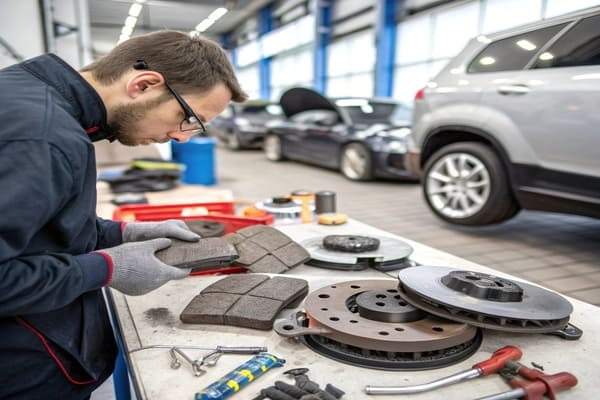
I've been in the automotive parts manufacturing business for years, and brake pads are one of those components where the details truly matter. It's not just about what they're made of, but how they're made. A lot of importers and distributors I talk to are surprised by the level of precision required. So, I want to walk you through what we've learned on the factory floor. This knowledge will help you source better products and build a more reliable supply chain for your business.
What Are Semi Metallic Brake Pads and How Do They Work?
You hear the term "semi-metallic" all the time, but what does it actually mean for performance? Not knowing the basics can lead you to source pads that don't meet your market's needs.
Semi-metallic brake pads2 are a type of friction material6 made from a composite of metal fibers7 mixed with other fillers and binders. They work by pressing against the brake rotor, using the high friction and heat conductivity of the metal to slow the vehicle down effectively.
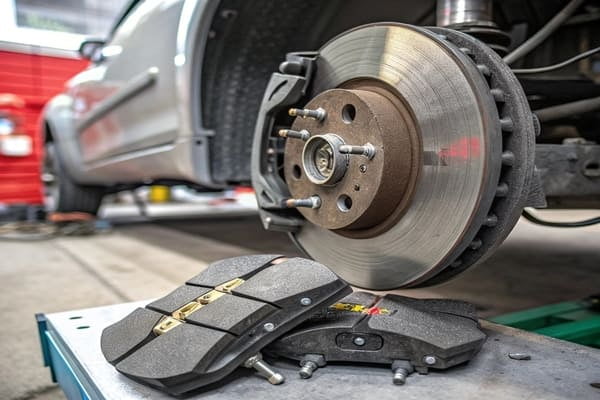
Let's break this down further. When a driver hits the brakes, the hydraulic system pushes the brake pad against a spinning metal disc called a rotor. The magic of stopping happens right at that point of contact. The entire job of a brake pad is to create friction to convert the car's kinetic energy (motion) into thermal energy (heat). The real challenge is managing that heat. If the pad can't get rid of the heat fast enough, it overheats, and you get something called "brake fade8," where the brakes stop working effectively. This is where semi-metallic pads shine. The metal particles inside the pad—things like steel and copper—are excellent conductors of heat. They act like a radiator, pulling heat away from the rotor and dissipating it into the air. This ability to manage high temperatures is what gives them their reliable and strong stopping power, especially in demanding situations.
What Materials Are Used in Semi Metallic Brake Pads?
Not all semi-metallic pads are created equal, and the blend of materials is a trade secret. Using a formula with cheap fillers or inconsistent metal content can lead to premature failure and poor performance.
A typical semi-metallic brake pad contains between 30% and 65% metal by weight. Key ingredients include steel wool, iron powder, and copper fibers, all held together by a high-temperature phenolic resin9. Other friction modifiers like graphite and fillers are also added to the mix.
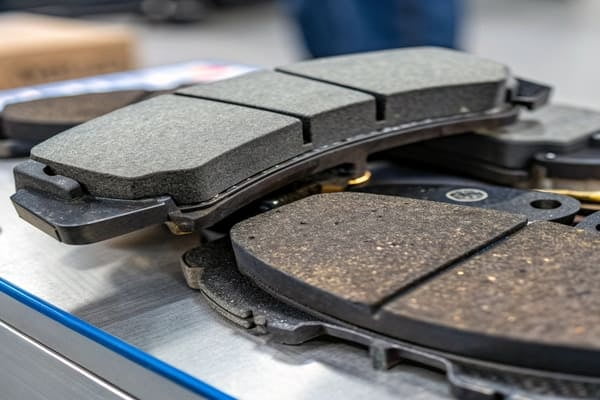
The formulation, or recipe, for a brake pad is incredibly complex. Each ingredient serves a specific purpose, and getting the balance right is what separates a high-quality OEM supplier10 from a low-cost, low-quality factory. I've seen firsthand how a small change in the formula can drastically affect performance.
Here’s a simple breakdown of the core components:
| Component Group | Materials Used | Primary Function |
|---|---|---|
| Metal Abrasives | Steel Wool, Iron Powder, Copper | Provide structural strength and conduct heat away from rotor. |
| Friction Modifiers | Graphite, other carbon compounds | Stabilize friction at different temperatures, reduce noise. |
| Fillers | Barium Sulfate, various minerals | Add bulk, reduce manufacturing cost, and modify hardness. |
| Binder | Phenolic Resins | Holds all the ingredients together under extreme pressure/heat. |
The most difficult part of making these pads is ensuring the metal fibers7 are spread out perfectly evenly. If they clump together, you get hot spots on the rotor and uneven wear. This requires very precise, high-end hot-press machinery that you typically only find in established manufacturing hubs, not in smaller workshops.
Why Are Semi Metallic Brake Pads Widely Used in Passenger and Commercial Vehicles?
You see these pads offered for almost every type of vehicle, but why are they so dominant? If you don't understand their core advantages, you might be missing a major opportunity in your market.
Semi-metallic pads provide an excellent balance of high performance, long-term durability, and affordable cost. Their ability to handle intense heat and heavy loads makes them the default choice for a huge range of vehicles, from performance cars11 to commercial trucks and SUVs.
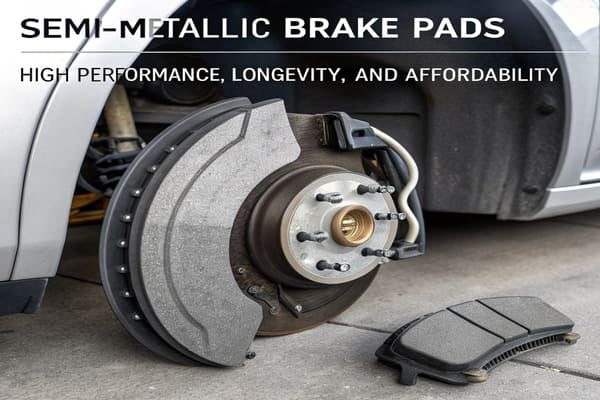
The versatility of semi-metallic pads is their biggest strength from a business perspective. As a supplier, you can offer a single product type that covers a massive portion of the market. For daily-driven sedans and SUVs, they offer a big step up in performance from older organic pads without the high cost of ceramics. They give drivers a firm pedal feel and confident stopping power, which is a major selling point. For heavier vehicles like trucks, vans, and commercial fleets, their durability and resistance to brake fade8 are non-negotiable safety features. These vehicles carry heavy loads and see constant use, generating a ton of heat during braking. Semi-metallic pads are built to take that abuse day in and day out. This broad application is why they remain a cornerstone of the automotive aftermarket12 and OEM supply chain. They are the reliable, proven workhorse of the braking world.
How Do Semi Metallic Brake Pads Compare with Ceramic Brake Pads?
The "semi-metallic vs. ceramic" debate is constant, and it can be confusing. Choosing the wrong type for your target customer can lead to complaints about noise, dust, or performance, hurting your sales.
Semi-metallic pads offer superior stopping power and heat management, making them ideal for performance and heavy-duty use. In contrast, ceramic pads5 are much quieter, produce less brake dust13, and are gentler on rotors, which is perfect for luxury vehicles and daily commuters.
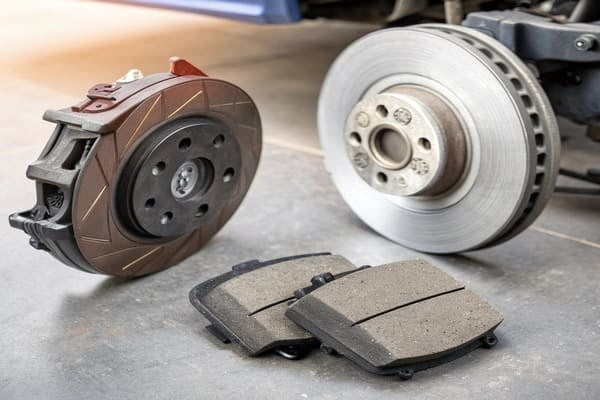
This is where my own experience on the factory floor really comes into play. Years ago, we were working on our first big order of semi-metallic pads for a client in the Middle East. We followed the specs perfectly, but after production, we found the pads had a noticeable "brake squeal" during testing. This is a common trait of semi-metallic pads because of their high metal content. We were worried. However, the client adjusted their vehicle's brake system tuning14 and found that the aggressive "bite" and performance of our pads were exactly what their market wanted. The noise was seen as a sign of high performance.
This taught me a valuable lesson. The "best" pad depends entirely on the application and the customer's expectation. The manufacturing process for semi-metallic pads is also much harder. It requires multiple stages in a high-pressure hot-press machine15. The hardest part is the high-temperature curing. During this step, the machine has to stop and the mold opens, which can cause temperature to fluctuate and affect the final product's integrity. It's a precise process that many smaller factories just can't get right.
Here's a direct comparison to help you decide:
| Feature | Semi-Metallic Brake Pads | Ceramic Brake Pads |
|---|---|---|
| Performance | Excellent stopping power ("bite"), high fade resistance. | Smooth, consistent braking. Good but less aggressive. |
| Noise | Can be noisy, may produce a squealing sound. | Very quiet, almost silent operation. |
| Brake Dust | Produces a noticeable amount of dark, heavy dust. | Produces very little light-colored dust. |
| Rotor Wear | More abrasive, can cause faster wear on brake rotors. | Very gentle on rotors, leading to longer rotor life. |
| Cost | Generally less expensive to manufacture. | More expensive due to higher material and processing costs. |
| Best For | Trucks, SUVs, performance cars11, commercial vehicles16. | Daily drivers, luxury cars, anyone prioritizing comfort. |
Understanding these differences is key to sourcing the right product for your customers and avoiding costly mistakes.
Conclusion
Choosing the right brake pad comes down to knowing the materials, performance trade-offs17, and manufacturing reality. This knowledge helps you source reliable products that truly meet your market's specific needs.
Learn about potential performance issues that can arise with brake pads and how to avoid them. ↩
Explore the advantages of semi-metallic brake pads for performance and durability. ↩
Understand the unique materials that make up semi-metallic brake pads for better sourcing. ↩
Discover the complexities involved in manufacturing brake pads and how they affect quality. ↩
Get insights into the differences between ceramic and semi-metallic brake pads. ↩
Explore the role of friction material in brake pad performance and safety. ↩
Learn about the different metal fibers that enhance brake pad performance. ↩
Understand the phenomenon of brake fade and how to prevent it. ↩
Find out how high-temperature phenolic resin contributes to brake pad durability. ↩
Find out the qualities that define a reliable OEM supplier for brake pads. ↩
Discover the top brake pads recommended for performance vehicles. ↩
Learn about the automotive aftermarket and its significance for brake pad suppliers. ↩
Learn about brake dust production and ways to reduce it for cleaner performance. ↩
Understand the impact of brake system tuning on the effectiveness of brake pads. ↩
Discover the role of high-pressure hot-press machines in producing quality brake pads. ↩
Get recommendations for brake pads that suit the needs of commercial vehicles. ↩
Understand the trade-offs involved in selecting the right brake pads for your needs. ↩